




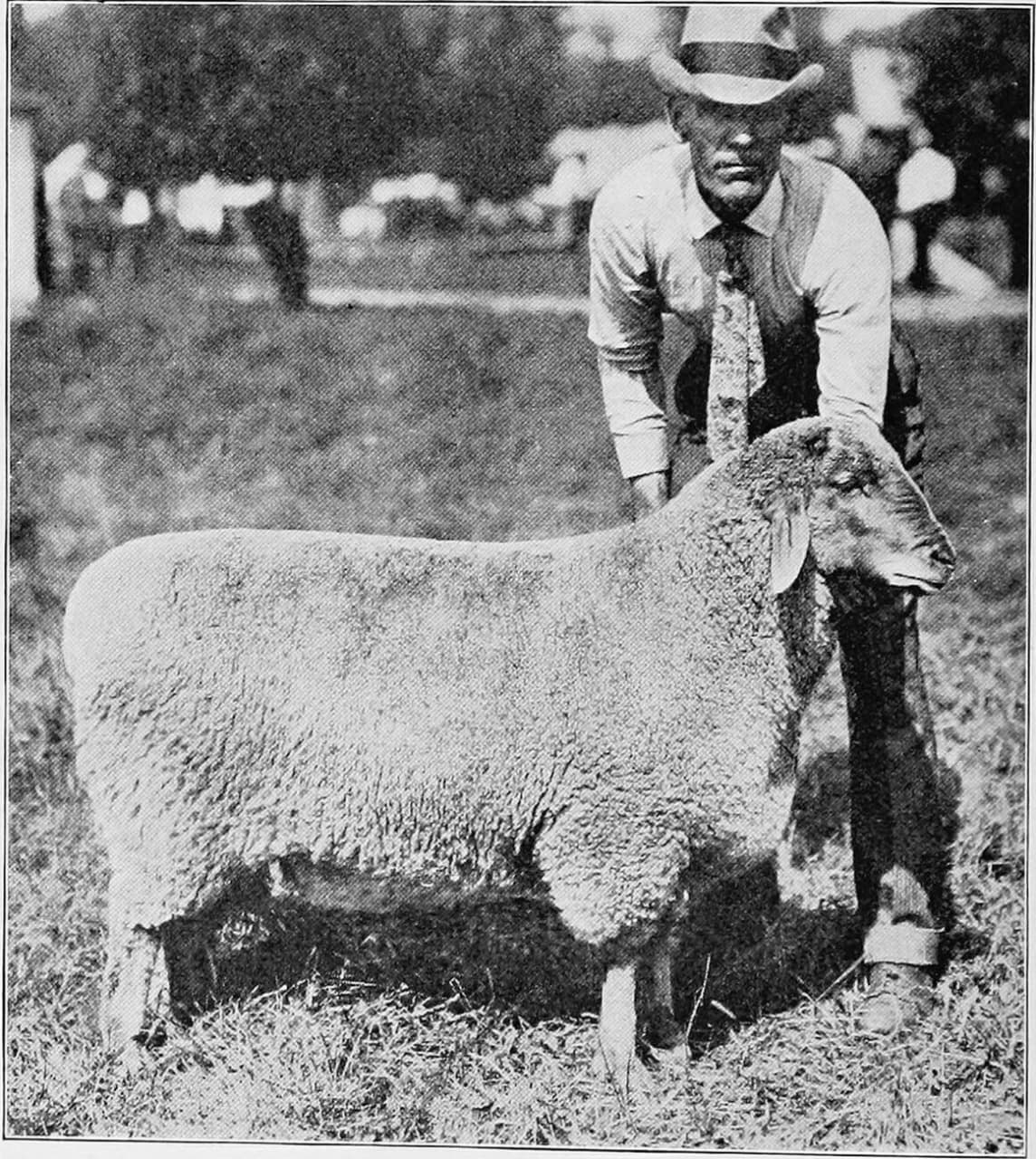
The Tunis Sheep in the United States
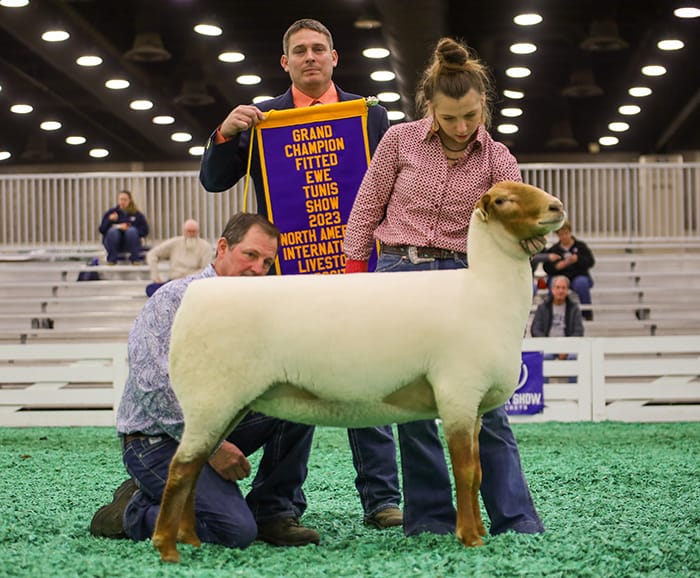
The Tunis sheep is one of the oldest heritage sheep breeds in the United States. Originally from North Africa, particularly modern-day Tunisia, the breed became an important part of early American agriculture. Known for its reddish face, calm temperament, and excellent meat quality, the Tunis sheep survived near extinction and today represents both agricultural heritage and livestock conservation.
The Tunis sheep traces its origins to the dry regions of North Africa. For centuries, farmers across the Maghreb raised hardy fat-tailed sheep that adapted well to difficult climates and limited resources. These sheep provided meat, wool, and milk while thriving in harsh environmental conditions.
During the late eighteenth century, diplomatic and trade relations between North Africa and the young United States introduced the Tunis sheep to America. Historical accounts suggest that the first animals arrived around 1799. Some stories even connect the breed to diplomatic exchanges during the presidency of George Washington. As a result, American farmers quickly noticed the breed’s strong productivity and distinctive appearance.
By the early nineteenth century, Tunis sheep had become popular across the eastern United States, especially in Virginia, Pennsylvania, New Jersey, and Delaware. Farmers valued the breed for its distinctive red or tan faces and legs, medium to large body size, strong maternal instincts, and ability to thrive on pasture. In addition, the breed became known for tender meat and fine-quality wool.
Agricultural societies often praised Tunis sheep for their adaptability and efficiency. Farmers also appreciated their ability to produce lambs during winter months, allowing earlier access to seasonal meat markets. Consequently, the breed became strongly associated with traditional family farming in the Mid-Atlantic region.
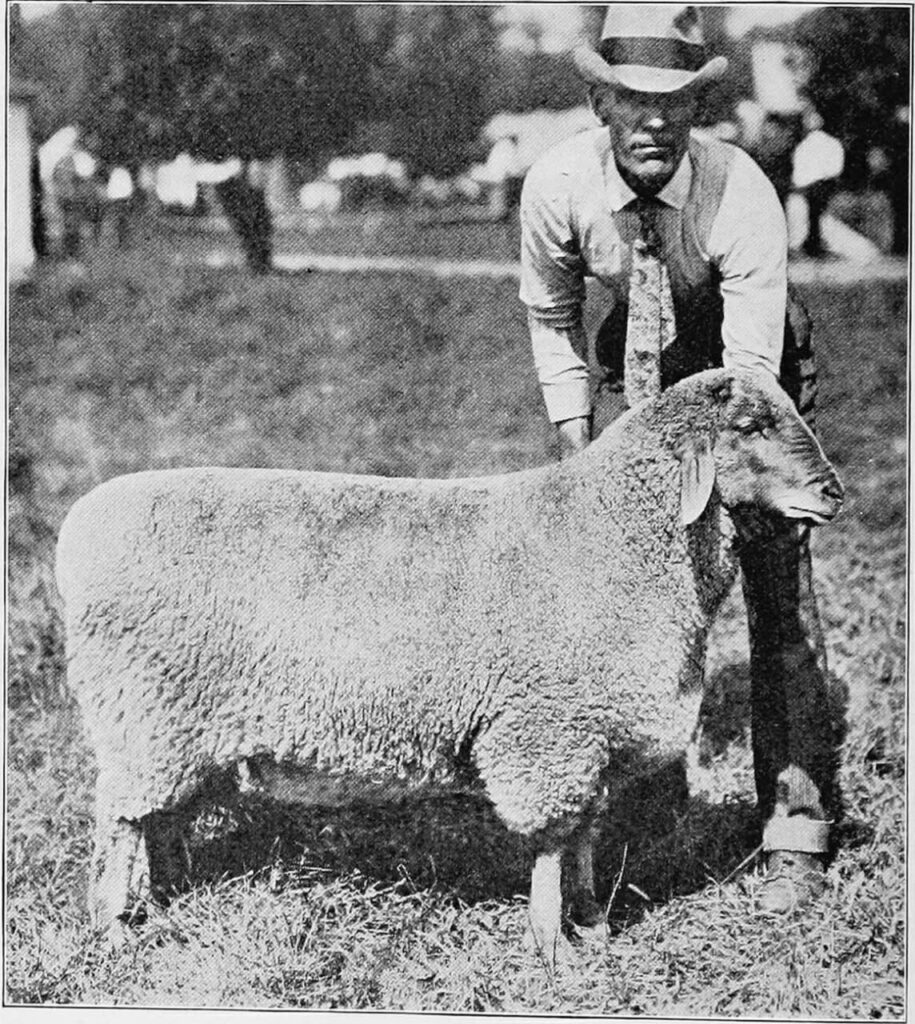
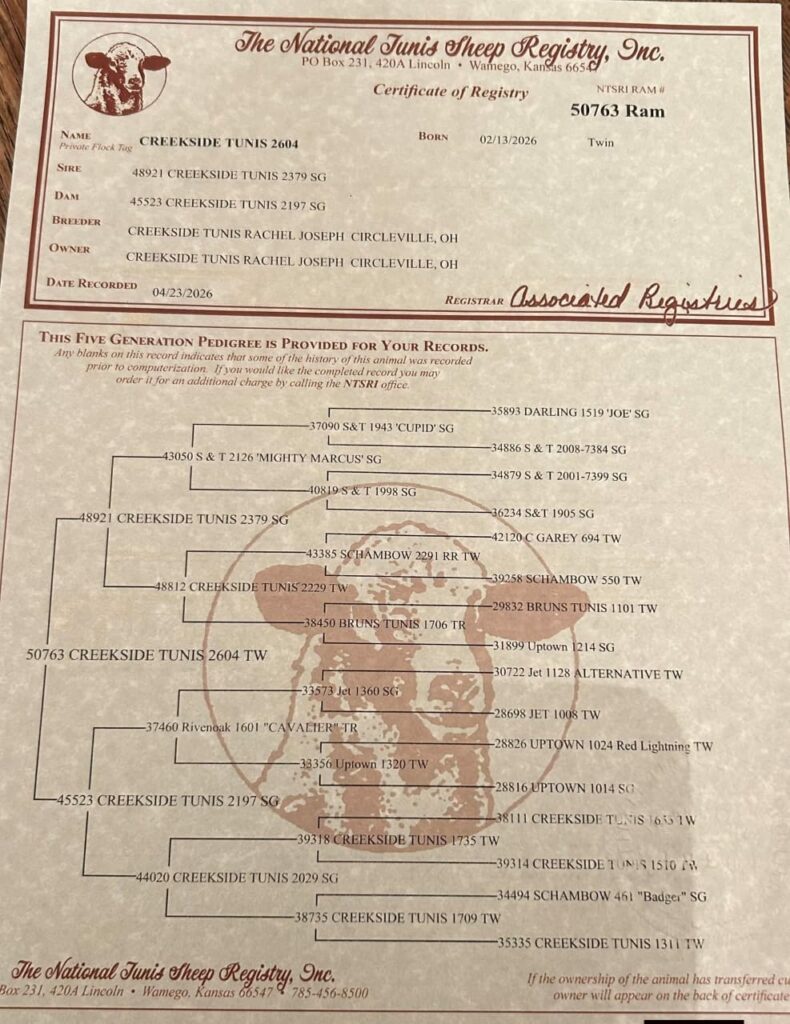
However, the twentieth century brought major changes to livestock farming. Industrial agriculture increasingly favored commercial breeds designed for rapid growth or specialized wool production. Because of this shift, the Tunis sheep population declined dramatically. By the mid-twentieth century, the breed had become rare, and many bloodlines disappeared completely.
Nevertheless, dedicated breeders and conservation groups continued preserving the remaining animals. Their efforts ultimately prevented the Tunis sheep from disappearing from American agriculture. In recent decades, interest in sustainable agriculture and heritage livestock has also helped revive the breed.
Today, many American farmers raise Tunis sheep for heritage livestock preservation, grass-based farming systems, sustainable meat production, small-scale agriculture, and traditional wool crafts. Moreover, conservation organizations recognize the breed for both its historical importance and genetic value.
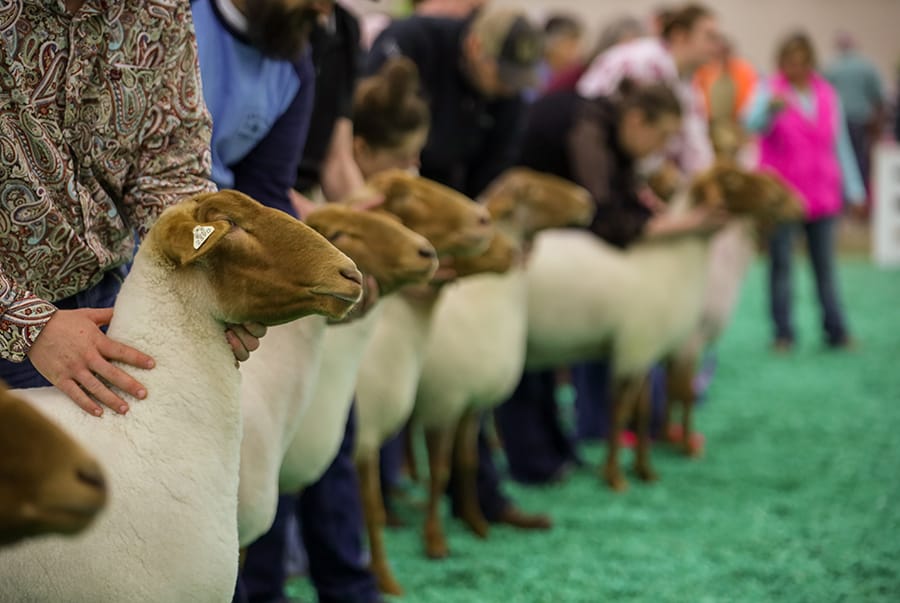
The Tunis sheep is immediately recognizable because of its reddish coloring. Lambs often appear with deep red coats that gradually lighten with age. Meanwhile, their fleece stays creamy white while the face and legs remain tan or reddish-brown. The breed also performs well in low-input farming environments, making it attractive for sustainable agriculture.
In addition, Tunis sheep are known for their calm temperament, strong mothering abilities, and adaptability to pasture systems. These qualities make them especially popular among small farms and heritage breeders across the United States.
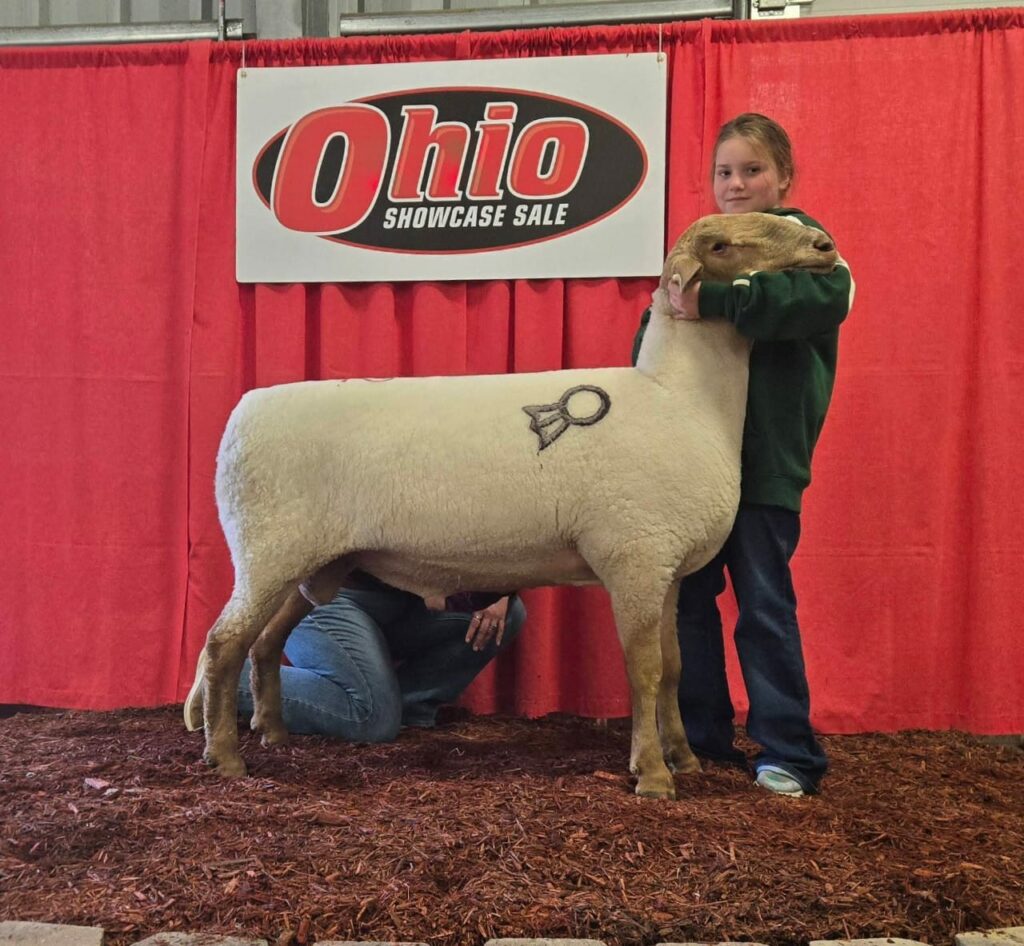
Today, the breed frequently appears at agricultural fairs, heritage livestock exhibitions, fiber festivals, and historical farming demonstrations. As interest in biodiversity and heritage farming continues to grow, the Tunis sheep has become a symbol of livestock preservation and agricultural history.
The story of the Tunis sheep is more than agricultural history. It also reflects the cultural and historical links between Tunisia and the United States. More than two centuries after arriving in America, the Tunis sheep remains a living reminder of global exchange, traditional farming knowledge, and the importance of protecting heritage livestock for future generations.

Post a Comment