Leïla Menchari: The Enchantress of Hermès
By Tunez Magazine ·
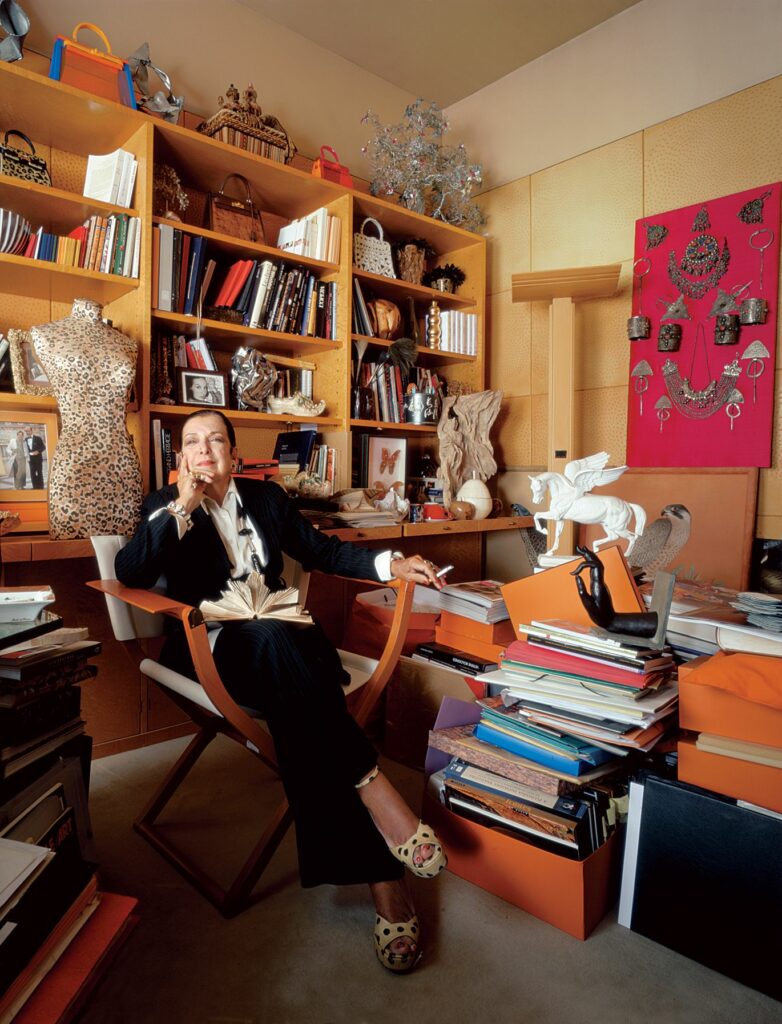
Leïla Menchari was born on September 27, 1927, in Tunis, Tunisia. She became one of the most influential creative figures associated with Hermès. Best known for her spectacular window displays, she transformed shop windows into scenes filled with colour, imagination, and cultural references. Her work brought together Tunisian heritage, artistic expression, and the craftsmanship of French luxury.
Menchari grew up in a family that valued education, culture, and women’s rights. Her father, Abderrahmane Menchari, was a lawyer and landowner. Her mother, Habiba Menchari, worked as a justice clerk and was a committed feminist. Both parents helped shape an environment where ideas and intellectual curiosity mattered.
Discussions about literature, politics, and art were part of family life. This atmosphere encouraged Menchari to explore the world around her and develop her own artistic vision. Growing up in Tunis also exposed her to colourful souks, intricate mosaics, and the city’s rich architectural heritage. These early experiences would later inform her distinctive approach to visual storytelling.
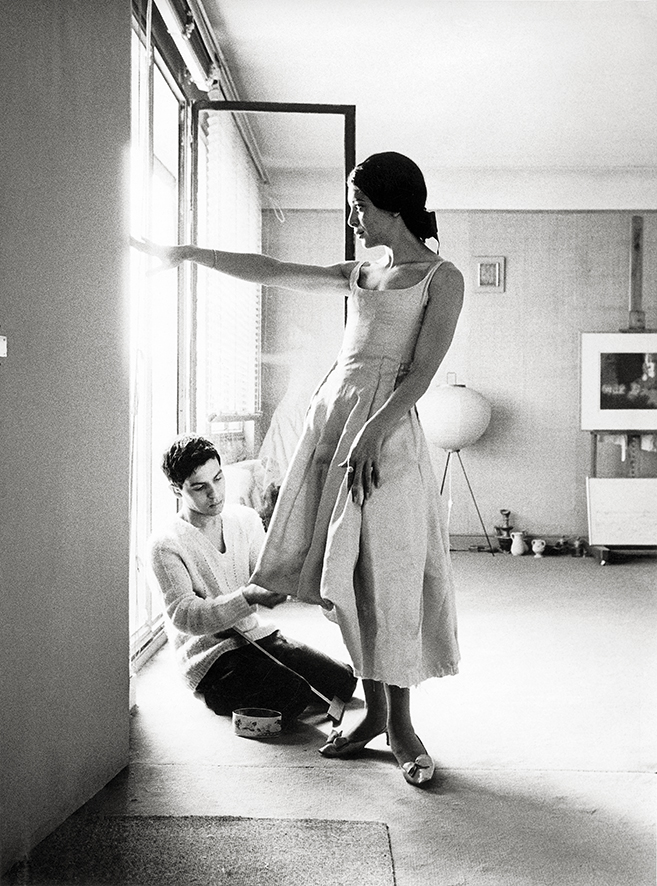
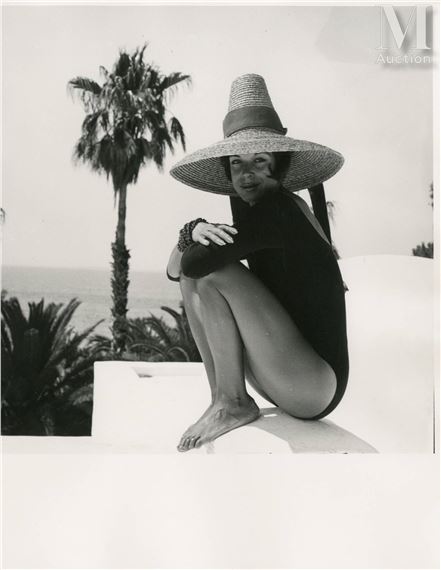
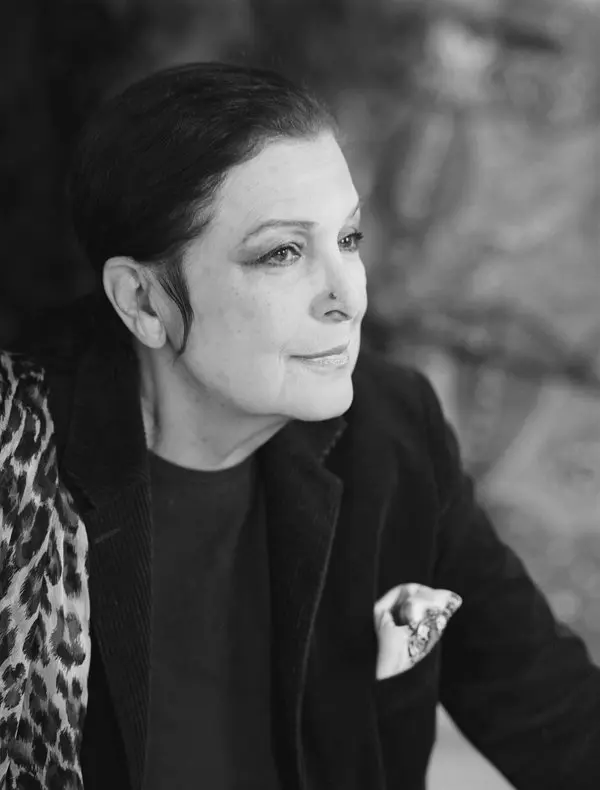
From Tunis to Paris: Leïla Menchari’s Artistic Journey
At sixteen, Leïla Menchari began studying at the École des Beaux-Arts in Tunis. She was among the early women to pursue formal art education there. Her studies included painting, sculpture, and design, giving her a foundation for her later work.
Tunis also shaped her artistic vision. Its architecture, Islamic geometric patterns, colourful markets, and Mediterranean influences provided a rich source of inspiration. These visual references would remain part of her work throughout her career.
In 1948, Menchari moved to Paris to continue her studies at the École nationale supérieure des beaux-arts. There, she studied under the painter Roger Chapelain-Midy. She developed her artistic skills while discovering the city’s post-war cultural scene.
Paris offered access to galleries, theatres, exhibitions, and new approaches to art. Menchari encountered both classical techniques and experimental ideas. These experiences helped her develop a visual language that connected her Tunisian background with the wider world of art and design.
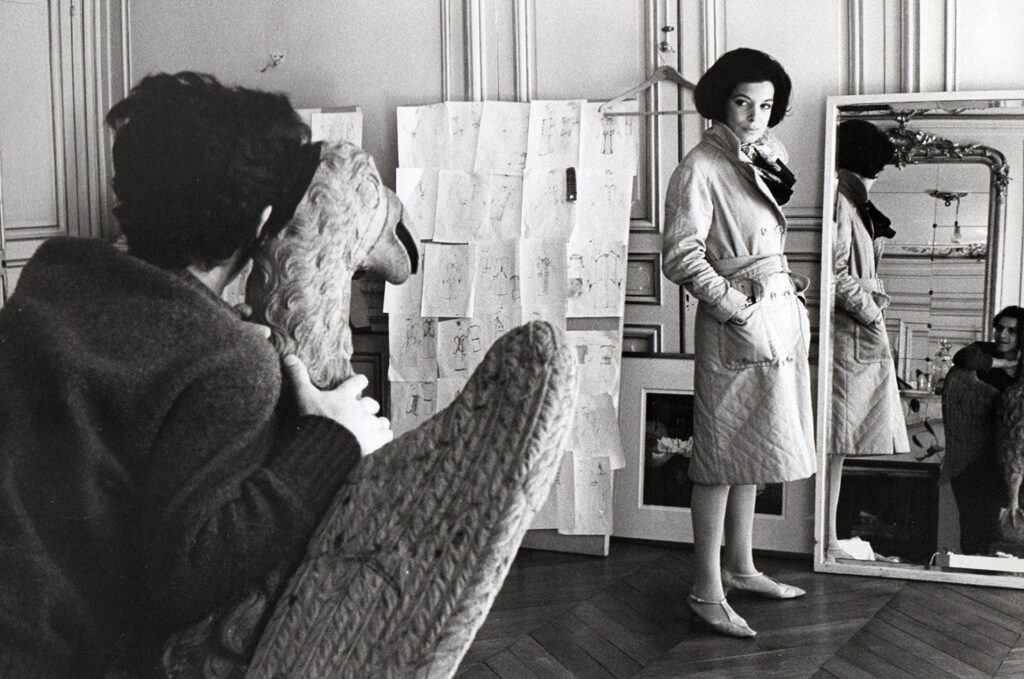
During this period, she also built relationships with figures in fashion and the arts. She worked briefly as a model for Guy Laroche and became acquainted with fellow Tunisian Azzedine Alaïa, who would later become a celebrated couturier. These experiences gave her insight into fashion, craftsmanship, and visual presentation.
Menchari also worked in theatre set design. This discipline required her to combine artistic ideas with practical skills. She learned how to create settings that established a mood and drew audiences into a particular world. The experience would later inform her approach to Hermès window displays.
Leïla Menchari and Hermès: Turning Windows into Art
In 1961, Annie Beaumel, who oversaw Hermès’ window displays, invited Menchari to meet her. She reportedly gave the young artist a simple challenge: “Draw me your dreams.”
Menchari’s imaginative sketches made an impression. She joined Hermès and began a career that would span several decades. Eventually, she became responsible for the window displays at the brand’s flagship store on Rue du Faubourg Saint-Honoré in Paris. She held this role for more than 35 years.
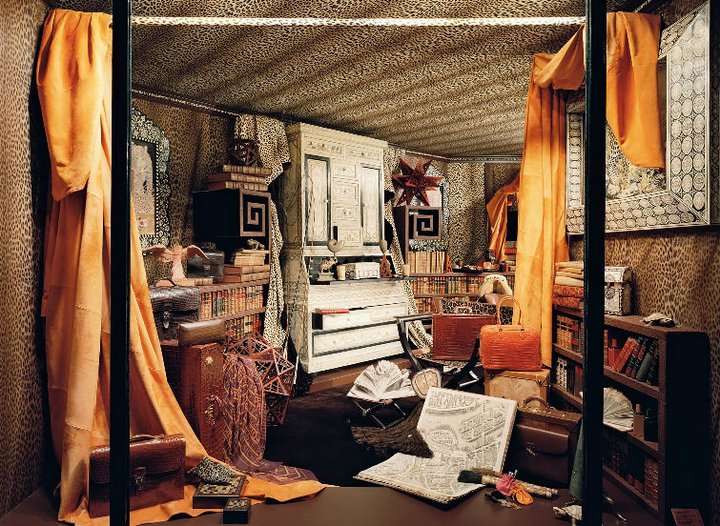
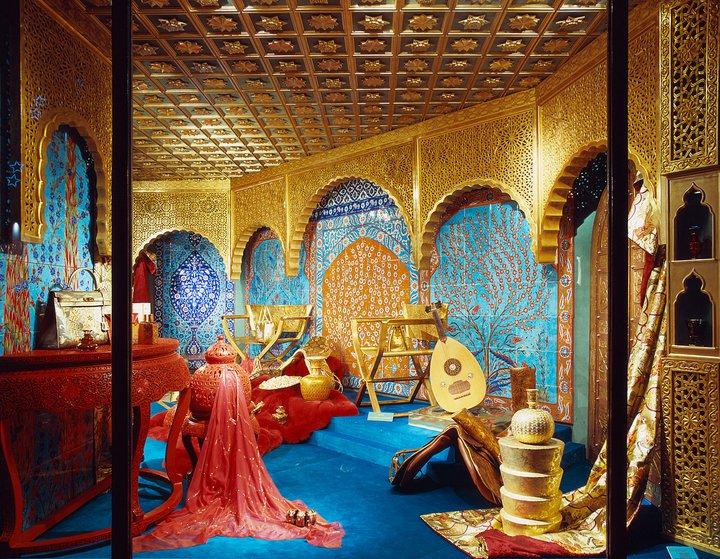
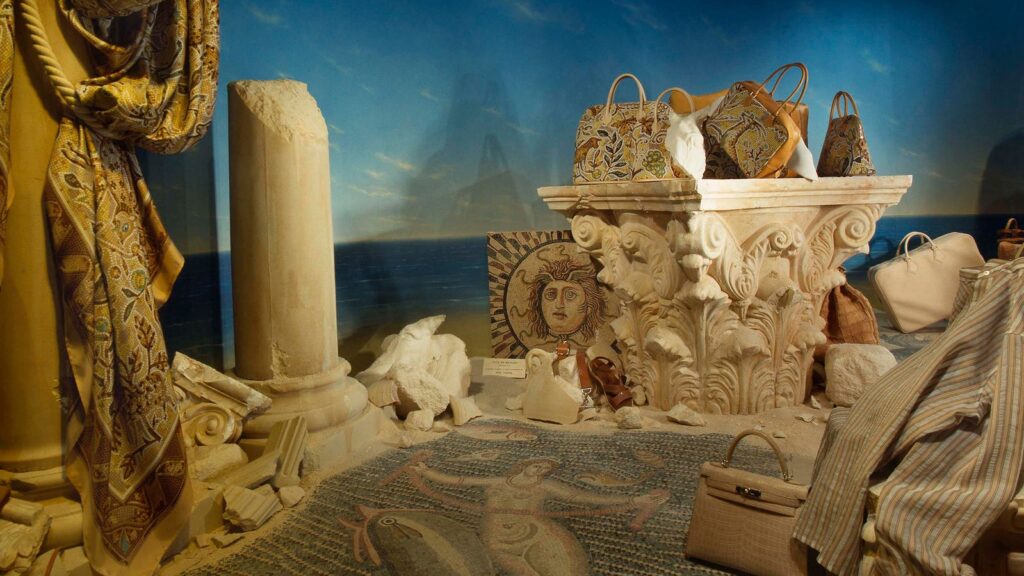
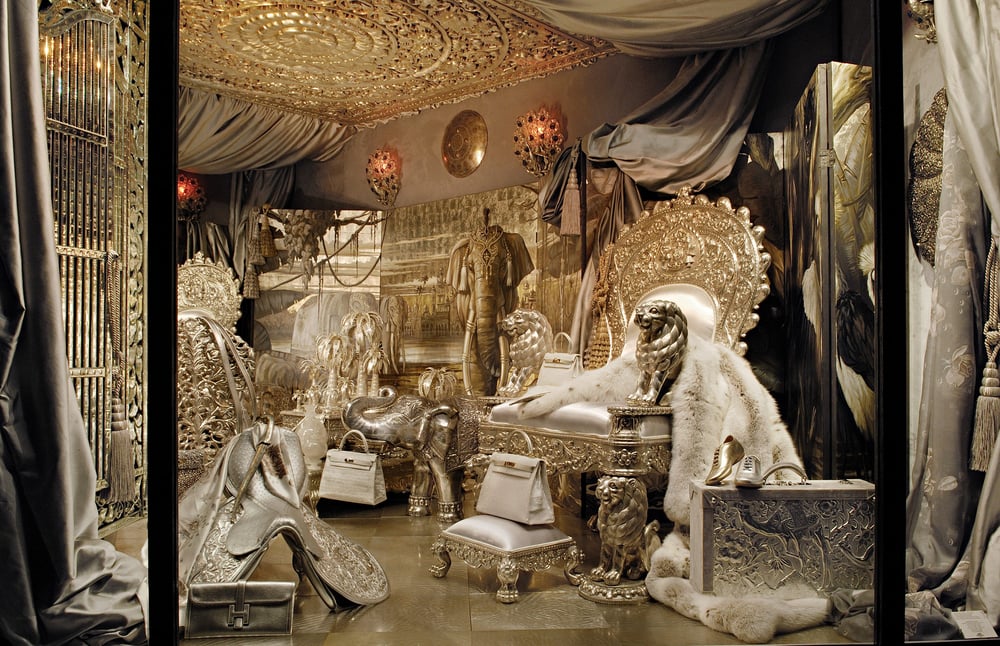
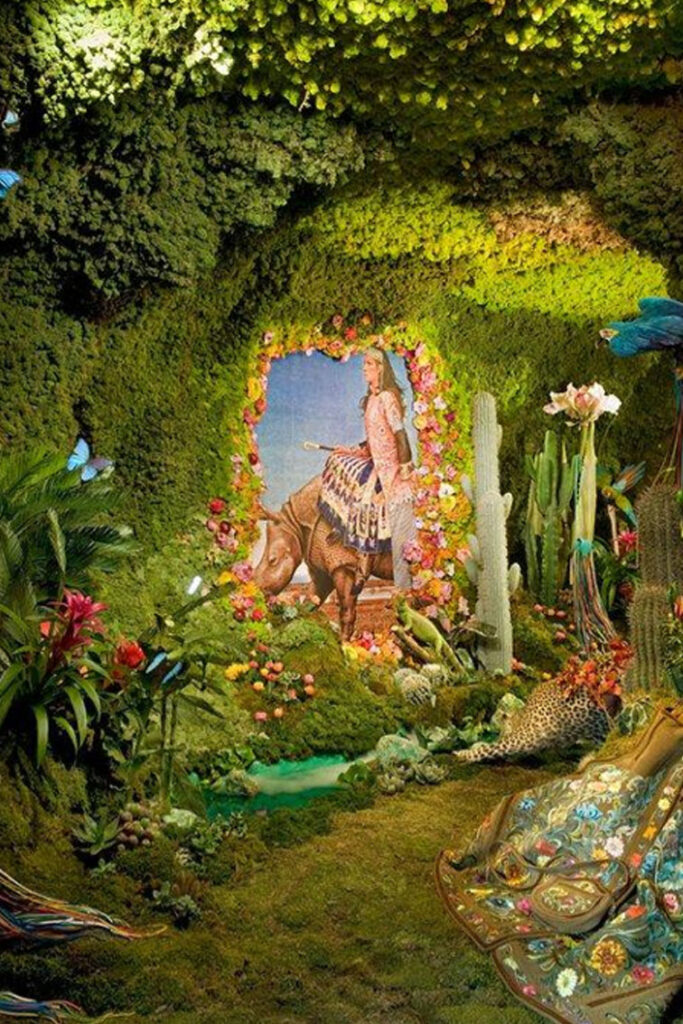
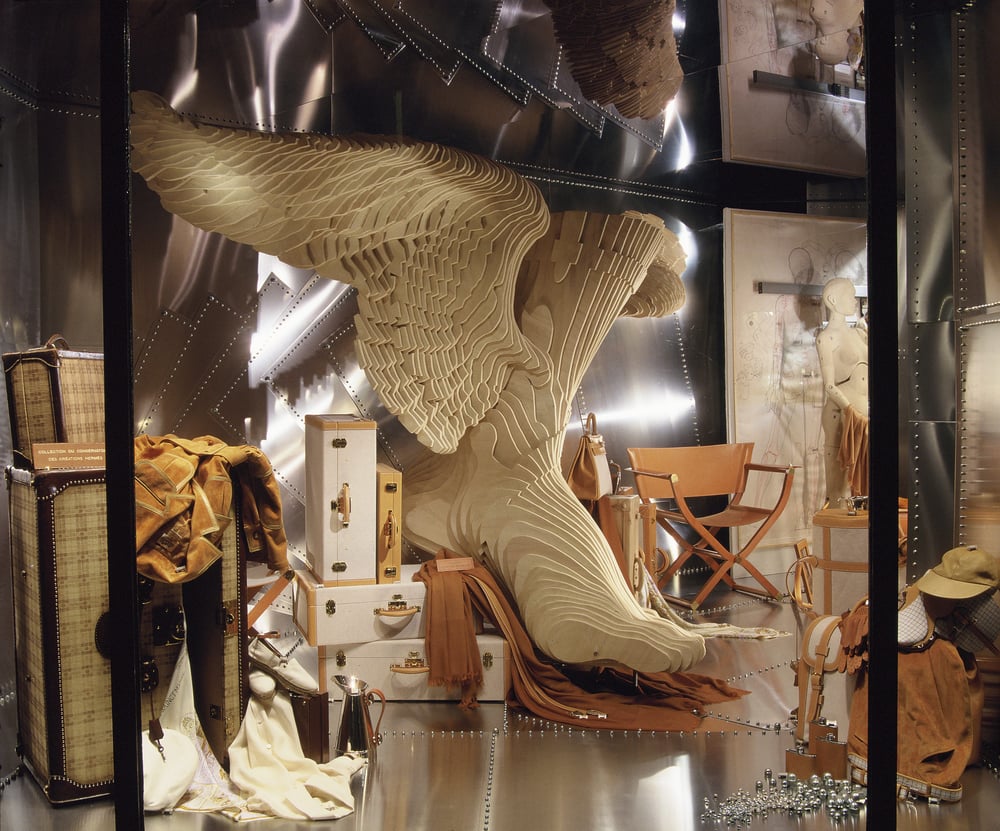
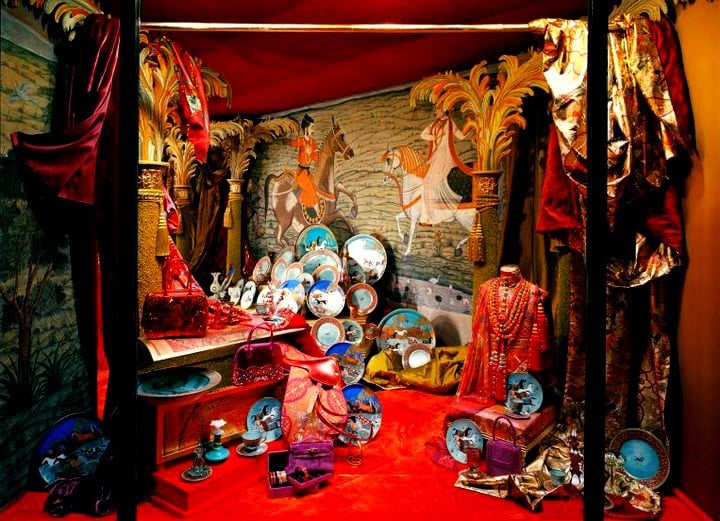
For Menchari, a shop window could do much more than present products. It could tell a story. Her installations combined objects, textiles, plants, and carefully arranged materials to create distinctive visual scenes.
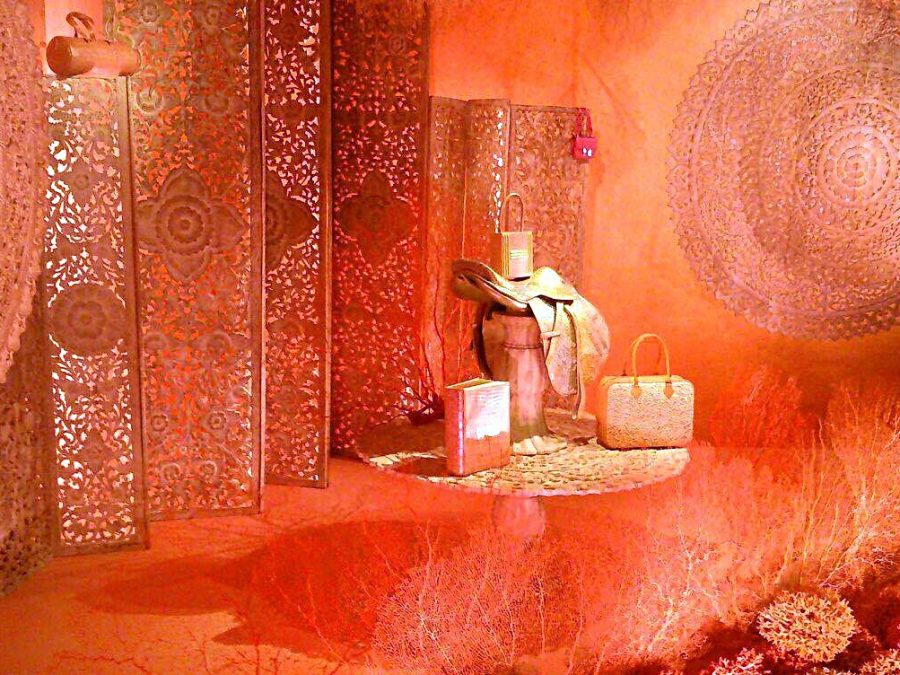
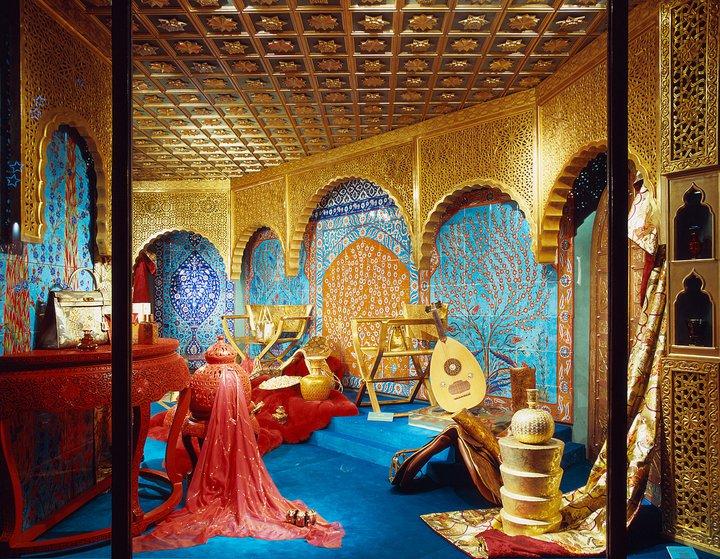
Her Tunisian background informed many of these choices. The colours of local markets, the patterns of traditional architecture, and the landscapes of the Mediterranean all contributed to her visual sensibility. Rather than presenting these influences as direct references alone, she incorporated them into the way she used colour, texture, and form.
The Imagination Behind Hermès’ Legendary Windows
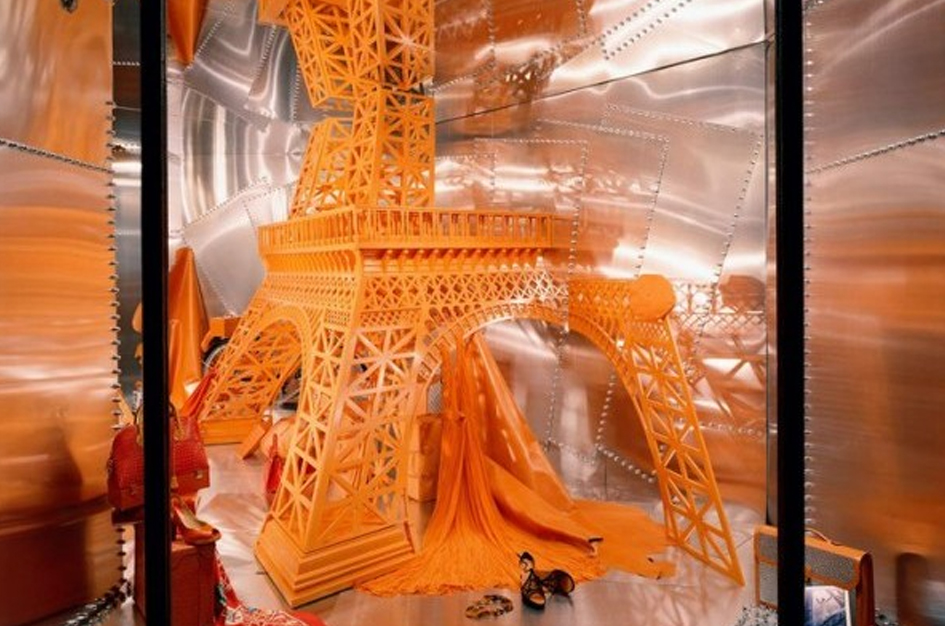
Menchari’s displays often transformed the ordinary into something unexpected. Animals, flowers, fabrics, and decorative objects became part of carefully composed scenes. Each element contributed to the overall setting.
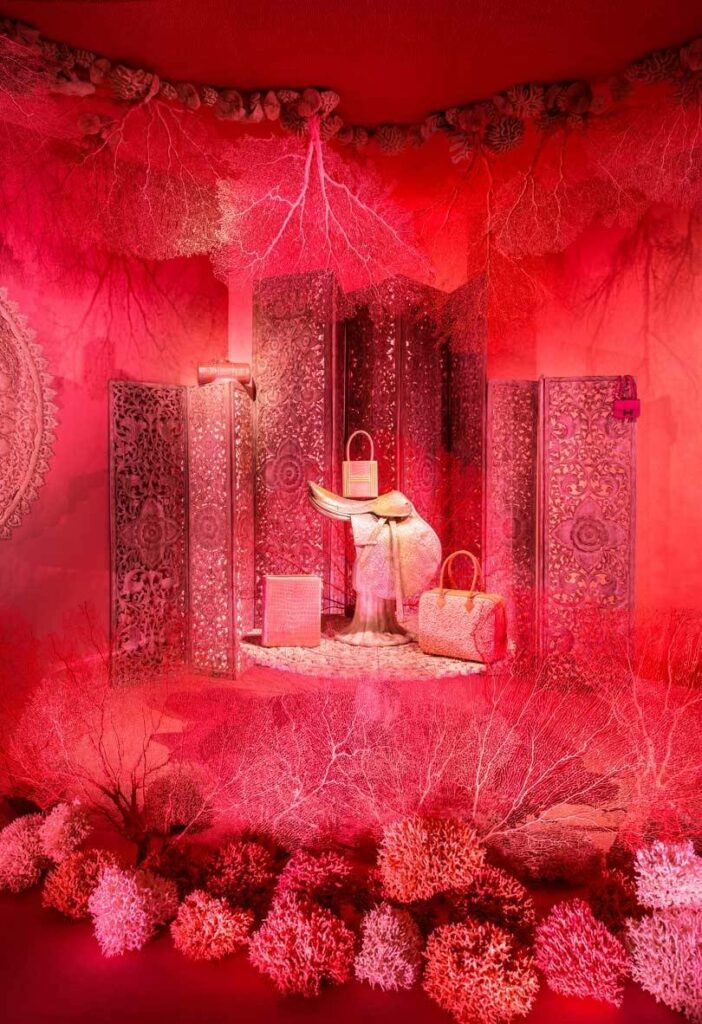
Her work balanced precision with imagination. Bold colours and unusual combinations gave the displays their visual impact, while careful attention to detail kept the compositions coherent. Nature also played an important role. Flowers, plants, and organic forms introduced movement and contrast into the luxurious materials associated with Hermès.
These installations invited passers-by to pause and look closer. They offered a different way to experience a luxury brand, using visual storytelling rather than product presentation alone.
Menchari drew on memories of Tunisia, including its markets, architecture, and varied landscapes. These influences were woven into her artistic approach without limiting her to a single cultural identity. Her work brought together personal memories, artistic experimentation, and the craftsmanship associated with Hermès.
Leïla Menchari’s Influence on Visual Design
Over the years, Menchari’s window displays became a distinctive feature of the Hermès flagship store. Visitors came to see the installations as well as the products inside. Her work attracted attention from the worlds of fashion, design, and visual art.
Menchari helped demonstrate how window displays could function as independent artistic compositions. Her approach combined spatial design, material knowledge, colour, and narrative. It also showed how a brand’s identity could be communicated through an imaginative visual experience.
Her influence extended beyond the windows she created in Paris. Her work remains a reference for those interested in luxury retail design, scenography, and visual merchandising. It also offers a perspective on how an artist’s cultural background can inform an international career.
Through her work at Hermès, Leïla Menchari connected Tunisian influences with the world of French luxury. Her legacy lies in the distinctive visual worlds she created and in her approach to turning commercial spaces into places for artistic expression.
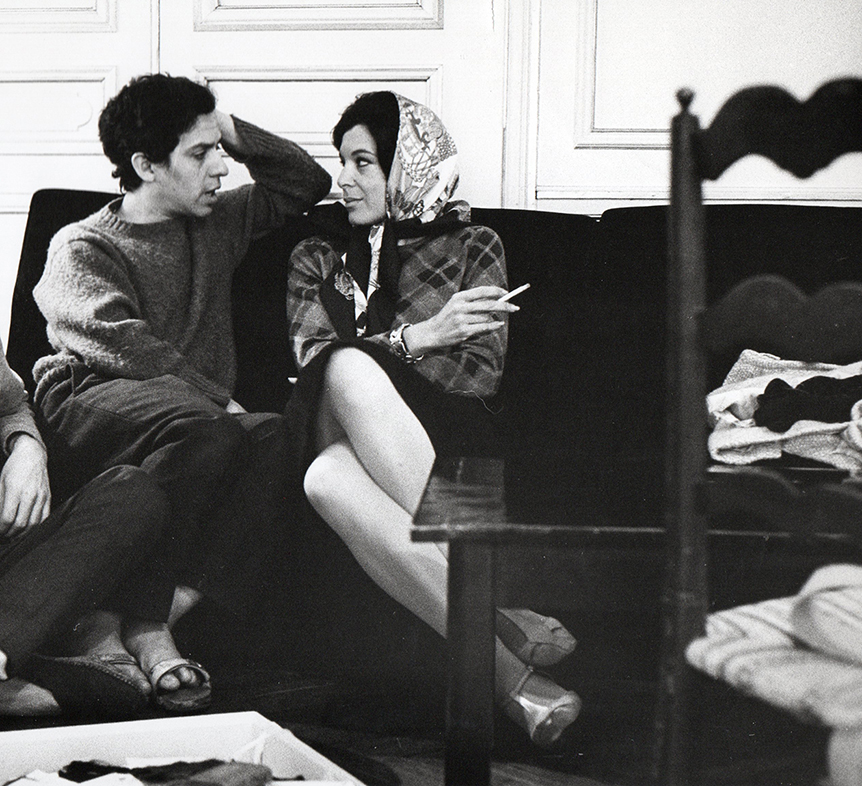
The Worlds of Leïla Menchari: An Artistic Legacy
In 2017, Hermès celebrated Leïla Menchari’s work with an exhibition at the Grand Palais in Paris. Titled Hermès à Tire-d’Aile: The Worlds of Leïla Menchari, it featured eight of her most memorable window displays. The exhibition allowed visitors to discover her approach to colour, composition, and visual storytelling.
Menchari also brought her Tunisian heritage into an international setting. Her work connected North African influences with French luxury and craftsmanship. Rather than separating these worlds, she found ways to bring them together through design.
Leïla Menchari died in Paris on April 4, 2020. She left behind a body of work that continues to interest designers, artists, and researchers. Her window displays helped establish visual merchandising as a form of artistic expression. She is also remembered for her contribution to design and for the place Tunisian culture held in her creative life.
The Woman Behind the Hermès Windows
Beyond her professional achievements, Menchari was known for her warmth, humour, and curiosity. Friends and colleagues remembered her attention to detail and her enthusiasm for sharing stories about her childhood in Tunis.
These memories offer a personal perspective on the artist behind the elaborate displays. Her work demanded patience and technical precision, but it also left room for playfulness and surprise.
Menchari approached each window as an opportunity to create a visual narrative. Objects, fabrics, plants, and colours worked together to suggest a larger story. Her installations invited passers-by to stop, observe, and imagine what might lie beyond the scene.
Leïla Menchari’s Lasting Influence
Menchari’s career connected several worlds: Tunisia and Paris, tradition and experimentation, and craftsmanship and imagination. Through her work at Hermès, she showed how window design could communicate a brand’s identity while offering an independent artistic experience.
Her legacy extends beyond luxury retail. Her installations demonstrate how cultural references, personal memories, and material craftsmanship can shape a distinctive visual language.
Today, Leïla Menchari remains an important figure in the story of Tunisian creativity and international design. Her career offers a lasting example of how an artist can draw from her origins while developing a vision that reaches audiences across borders.