Mostakil is Independent!
By Tunez Magazine ·
There are artists who spend their careers trying to be seen. Then there are artists who understand that being seen is not the same as being understood.
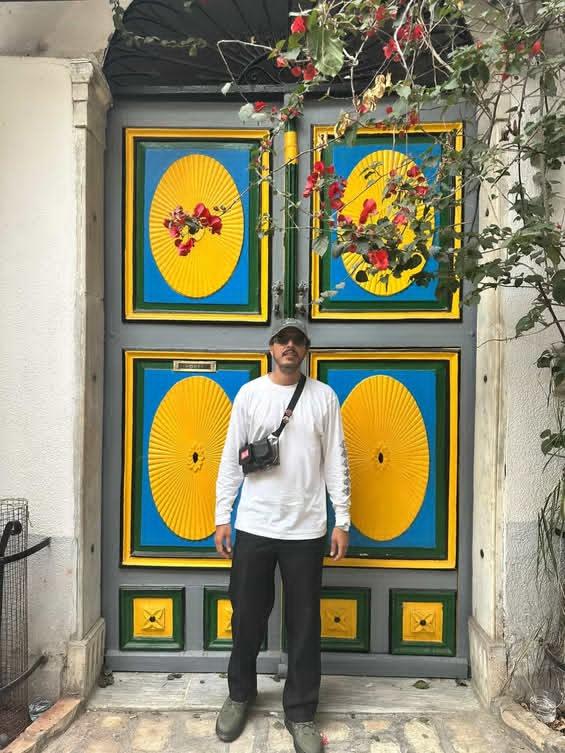
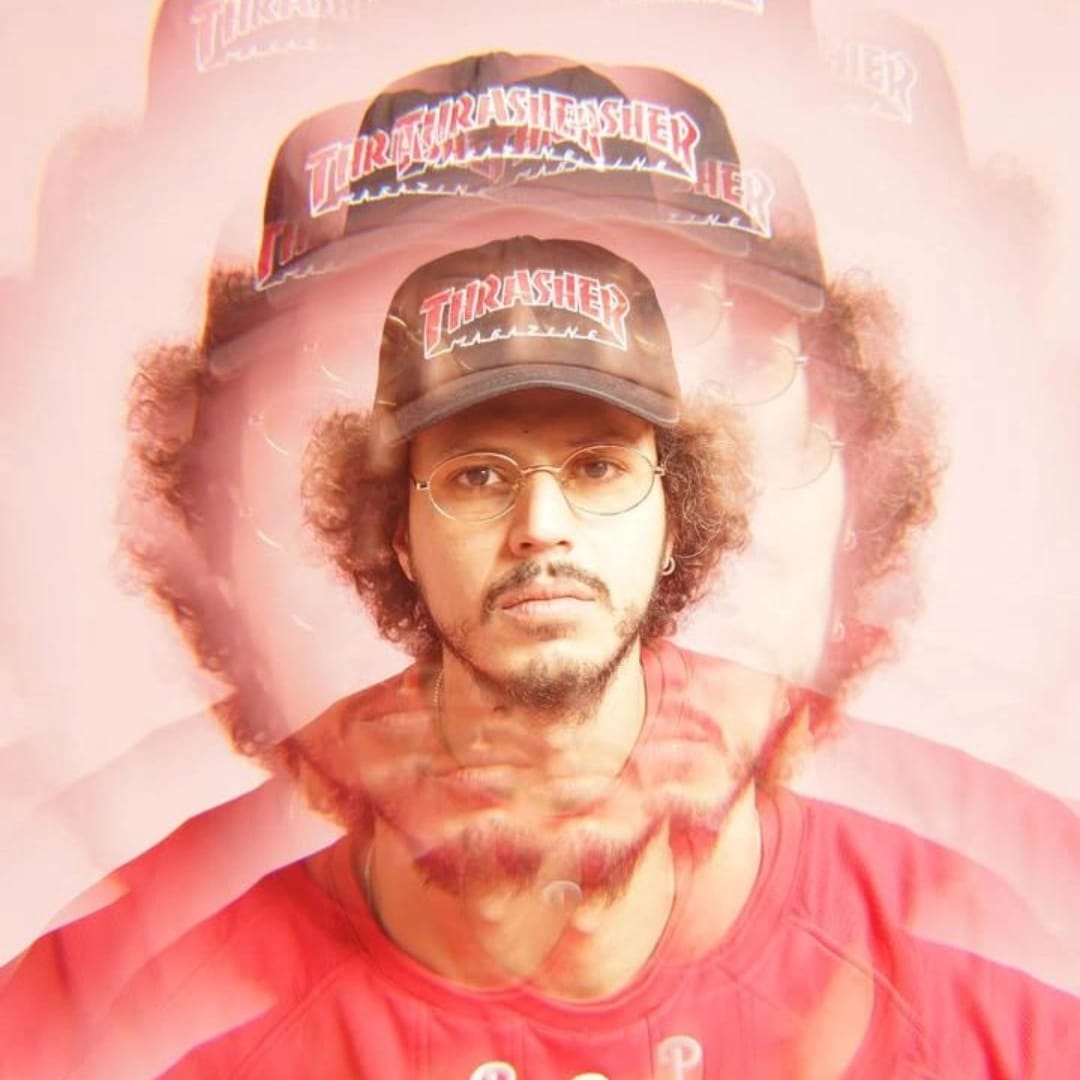
Mohamed Amine Bouteraa, better known as Masta and sometimes as Ineed$, belongs to the second category.
Finding information about him is not always easy. His digital presence offers no complete biography or extensive archive of interviews. Instead, there are fragments of a creative life: concerts, photographs, collaborations, music, fashion and occasional glimpses into his wider artistic world.
This limited visibility is part of what makes his work interesting.
Masta approaches creativity with a sense of selection. He produces constantly, but not everything he creates is meant for public release. Moving between music, visual culture, fashion and design, he draws inspiration from different disciplines and brings them into a language of his own.
As a result, his career is difficult to define through a single artistic label. It is better understood as an evolving universe, shaped by experimentation, personal taste and a deliberate approach to what he chooses to share.
At the center of this universe is Mostakil Project.
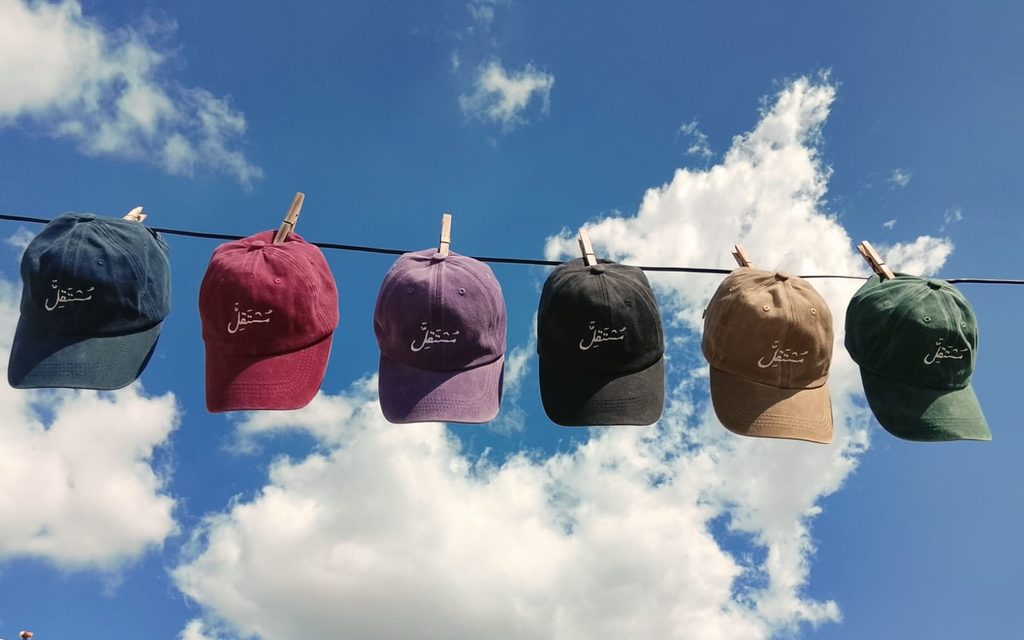
Mostakil Project: A Philosophy of Creative Independence
Its defining phrase, “Life after life,” reads less like a slogan than a philosophy. It speaks of continuation rather than closure: taking something that already exists and giving it another form, another meaning or another life.
This idea offers a useful way to understand Masta’s artistic journey.
He began his professional career at 22, moving between different creative projects instead of committing himself to a single discipline. Music became his first major language, but he never intended it to be his only one.
His story begins in Bellevue, a neighbourhood in Tunis shaped by layers of history and memory. For Masta, it was more than a place to live. It was the starting point from which he imagined everything that might follow.
“I always told myself that this was where I had to exist and where I had to begin,” he recalls.
The statement reveals something essential about his approach. Before the ambition to travel, collaborate, experiment or build something beyond Tunisia, there was the need to establish an origin. His creative identity had to begin somewhere, rooted in a place he knew.
Over time, Bellevue became part of the story he was building around himself.
So did the street.
From American Influences to Tunisian Street Culture
Strongly influenced by American culture, Masta entered the world of street culture through B(break)boys Station at Tunis railway station. There, music, movement, fashion and identity existed side by side, shaping a shared language that extended beyond any single artistic discipline.
For a young artist, such an environment can be formative. It teaches you that culture is not simply something to consume from a distance. It is something to participate in, practise and make your own.
Masta’s First Performance at Menzah 6
In 2006, Masta performed on stage for the first time at a concert organised by the Maison des Jeunes in Menzah 6. A friend had invited him to join a group, opening a door he had not yet experienced professionally.
The performance was modest in scale, but its impact was significant.
“I felt for the first time that I could express myself,” he says.
That first appearance marked the beginning of a musical journey that would lead him to Fresh Money Gang, which he joined in 2006. The group became one of the early foundations of his artistic identity.
From Fresh Money Gang to TrllxGng
Creative collectives rarely remain unchanged. Members move on, circumstances shift and new directions emerge.
After Fresh Money Gang dissolved, Masta joined TrllxGng in 2010. The collective would become an important presence in Tunisia’s rap and hip-hop scene, developing its own aesthetic, values and approach to artistic production.
For TrllxGng, music was never the whole story.
It became a lifestyle.
TrllxGng and the Value of Creative Independence
Since 2011, the collective has maintained a distinctive creative identity, producing work continuously while releasing only a fraction of what it makes. That distinction matters. At a time when musicians are often encouraged to turn every idea into content, choosing what to keep private becomes a deliberate artistic decision.
Masta understands the difference between creating something and deciding to publish it.
An artist can produce hundreds of works without believing that every one of them needs an audience. The pieces that survive the selection process gain significance precisely because so much remains unseen.
Why Masta Keeps His Creative Process Private
This approach also helps explain Masta’s elusive public image.
His privacy does not necessarily reflect a desire to create distance for its own sake. Rather, it suggests a deliberate approach to visibility. He chooses what to reveal and what to keep within the studio, the archive, the sketchbook or the imagination.
The press dossier describes his style as unconventional and multifaceted, yet controlled. He explores different creative directions without making everything available to the public.
In a culture built around constant visibility, such restraint becomes a form of expression in itself.
Music, Fashion and Visual Culture in Masta’s Work
Masta’s work occupies the space between music and image, sound and silhouette, the street and the studio.
His influences extend beyond Tunisia, but his starting point remains firmly rooted in Tunis.
That tension is central to his artistic identity.
Over the years, he has absorbed ideas and trends from Western culture while seeking to reinterpret them through his own creative practice. The objective is not simply to imitate what happens elsewhere. It is to translate those influences into something personal.
Translating International Influences Through Tunisian Culture
The process involves taking an idea from another context, understanding what gives it energy, and rebuilding it through a different cultural perspective.
This approach shapes the way Masta constructs his artistic identity. Rather than choosing between Tunisian and international culture, he works in the space where they meet, overlap and challenge one another.
The result is a contemporary Tunisian identity that looks towards the future without abandoning its origins.
For Masta, that future does not necessarily lie somewhere else.
It can begin in Bellevue. It can begin at Tunis railway station. It can begin on a stage at a youth centre in Menzah 6, or among friends making music before anyone outside their circle is paying attention.
Eventually, those beginnings can lead to Mostakil Project.
Mostakil Project: Building an Independent Creative Identity
The word Mostakil evokes independence, an idea that runs throughout Masta’s artistic trajectory. He has resisted being defined by a single discipline, moving between music, design, fashion and visual culture instead.
No single label fully captures this range. Musician, designer, fashion figure and visual artist each describe part of his practice, but none explains the connections between them.
Multidisciplinary is the more accurate term.
According to the press dossier, Masta has continued to explore different artistic fields, incorporating Western influences into a creative practice shaped by his own perspective.
Masta’s Interest in Sustainable Fashion and Design
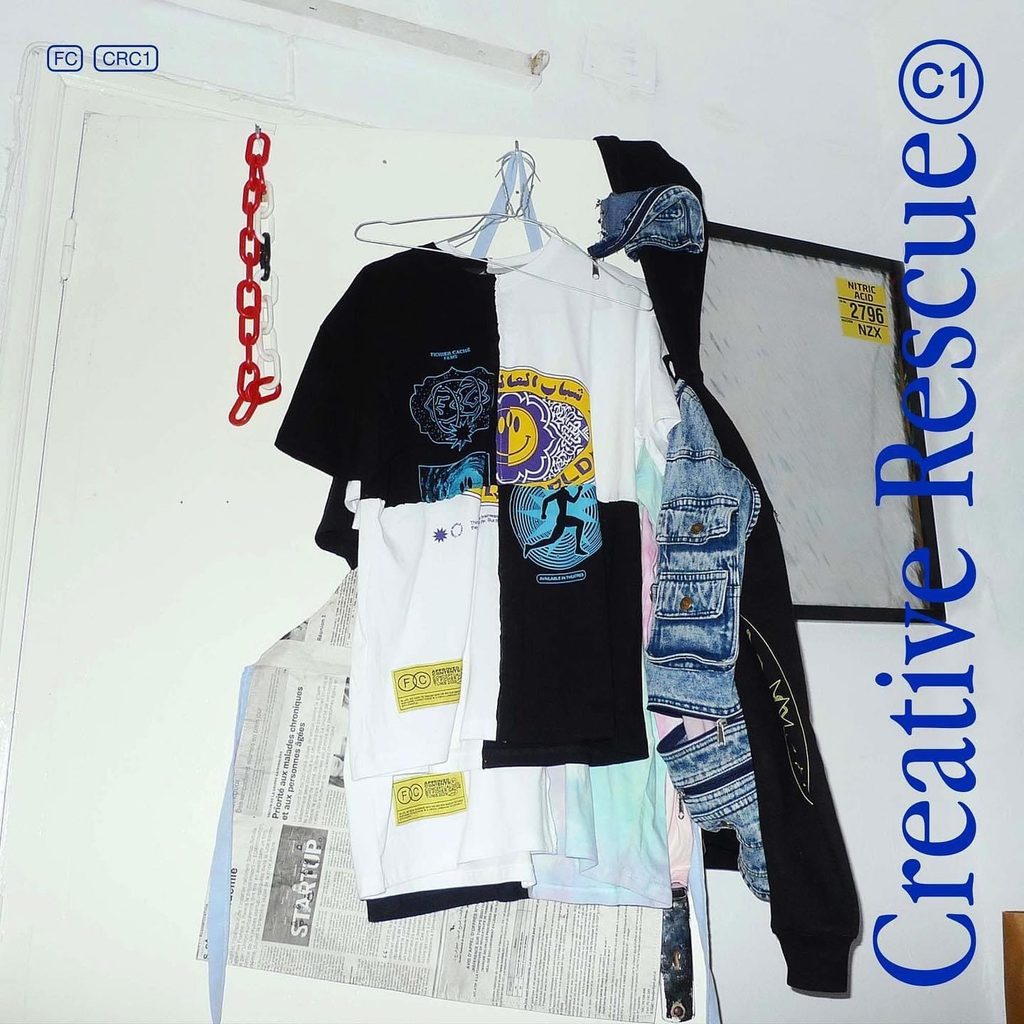
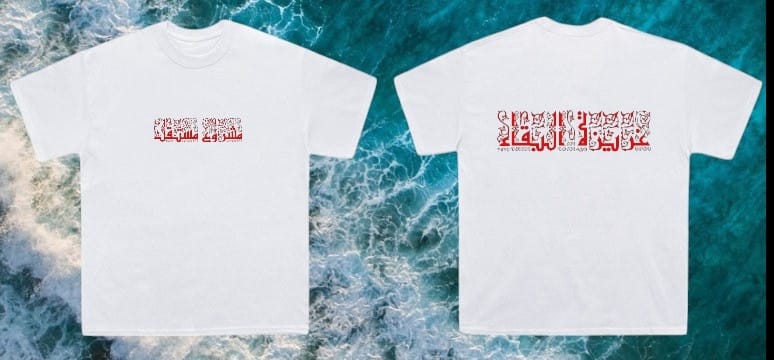
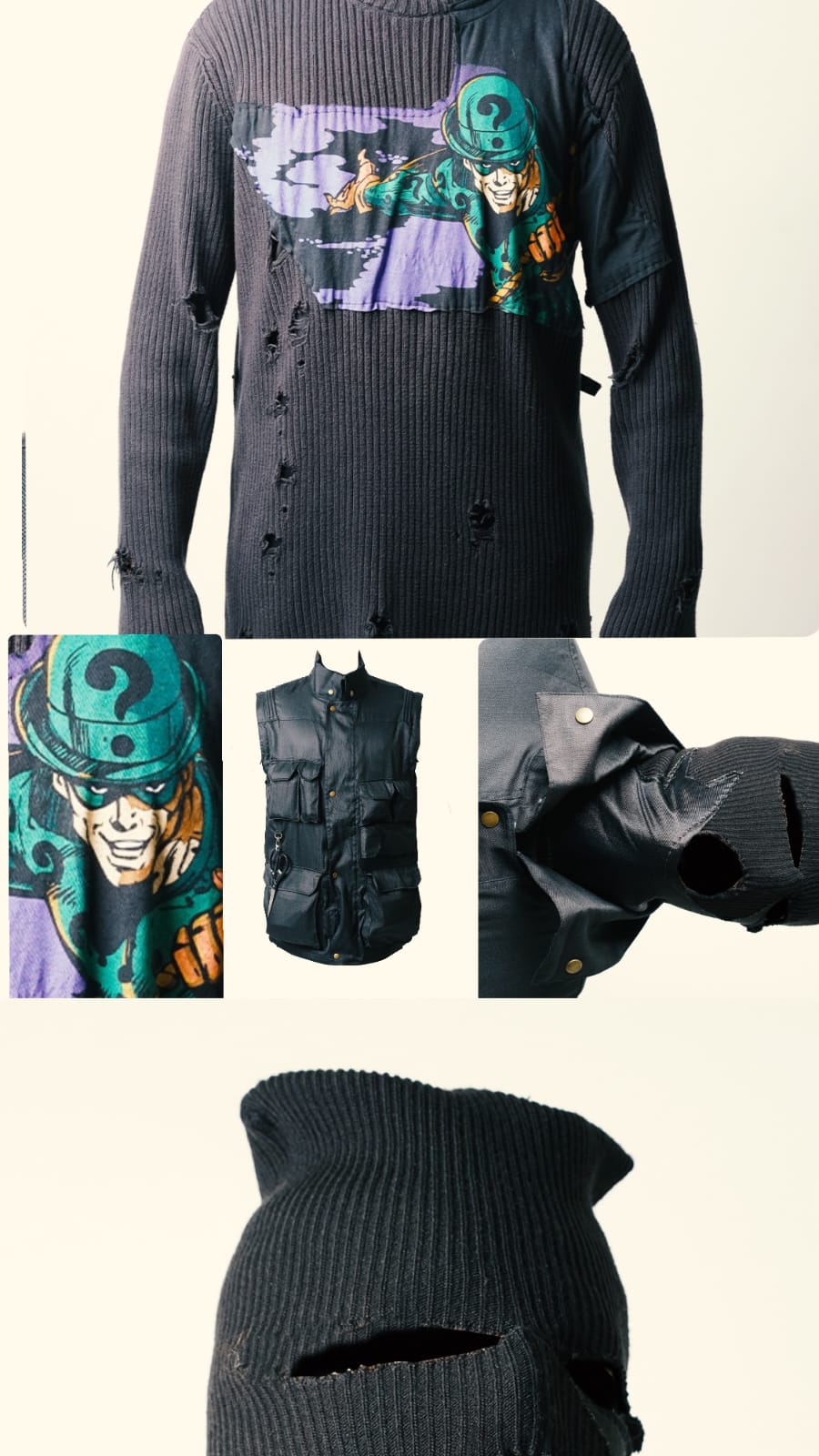
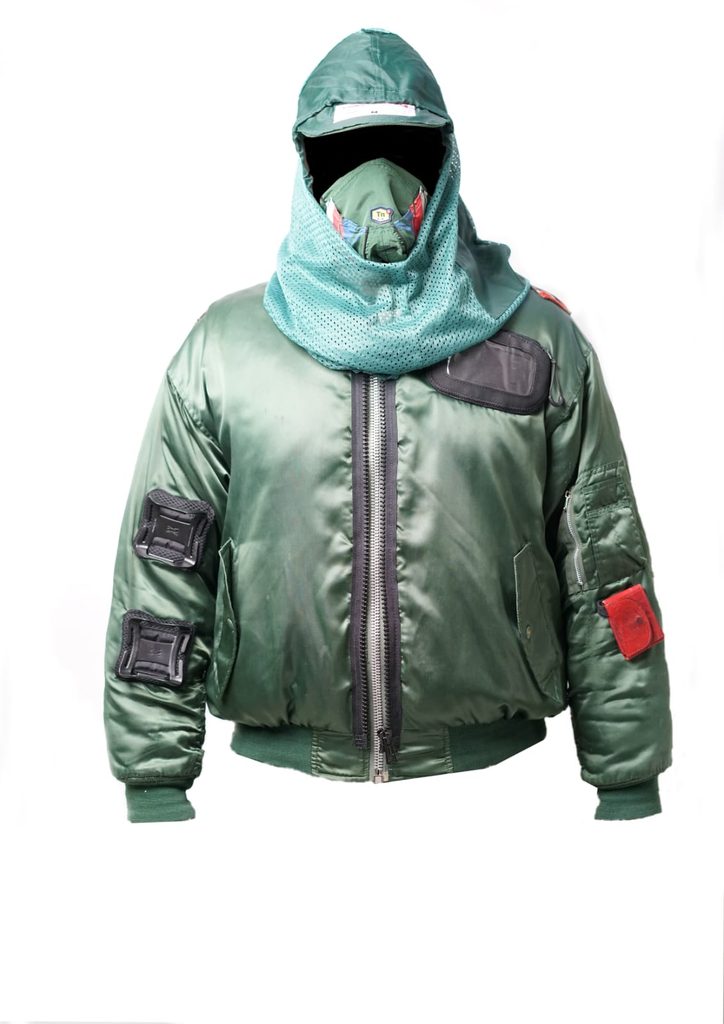
That curiosity becomes particularly relevant when considering his interest in sustainable fashion and fashion design.
For an artist whose background lies in music and street culture, fashion is not a departure from his earlier work. It is another way to construct identity.
Before an artist speaks, there is often a silhouette. Before the music begins, there is an image. And before an audience hears a lyric, it sees the person standing beneath the lights.
Clothing can communicate history, attitude, class, rebellion, nostalgia and aspiration. Within street culture, fashion and music have long influenced one another, each shaping how the other is perceived.
Beyond Fashion: The Vision Behind Mostakil Project
Masta’s multidisciplinary approach brings these connections into focus. Fashion offers another medium through which he can explore the relationship between appearance, identity and cultural expression.
His ambition extends beyond participating in the fashion industry. He is interested in developing a design language that connects with the wider ecosystem of his creative work.
This is what makes Mostakil Project more interesting than a conventional fashion label.
When Different Artistic Languages Meet
Mostakil Project extends the philosophy that has shaped Masta’s music: independence, experimentation, selection and transformation.
The project does not need to remain within a single medium. It can move from sound to clothing, from clothing to image, and from image to collaboration. Each discipline offers another way to explore an idea.
According to the press dossier, Masta has established connections with numerous international artists and hopes to develop strong collaborations with talented artists of his generation through Mostakil Project.
Collaboration sits at the heart of this ambition. Rather than simply bringing recognised names together, the project seeks to create a meeting point between different artistic languages.
A musician brings sound. A photographer creates atmosphere. A designer gives an idea physical form. A filmmaker introduces movement, while a performer gives it presence.
Mostakil Project offers a space where these contributions can meet and develop into something new.
“Life After Life”: The Philosophy Behind the Project
The phrase “Life after life” takes on a deeper meaning when considered alongside Masta’s creative approach.
An idea does not have to end with its first expression. A song can inspire an image. An image can become a garment. A garment can find its place in a performance. That performance can become a memory or the starting point for another creation.
The idea continues, even as its form changes.
Life after life.
The phrase also provides a way to understand Masta’s own trajectory. His career has passed through several distinct phases, each contributing to the artist he is today.
From American Influences to Tunisian Street Culture
Masta’s early years were shaped by American culture and his discovery of street culture around Tunis railway station. His first stage appearance at Menzah 6, followed by his experiences with Fresh Money Gang and TrllxGng, helped establish his identity as a musician.
Music provided the foundation. Over time, however, his interests expanded to include fashion, design and visual culture.
These developments did not erase his beginnings. Instead, they added new dimensions to an artistic identity rooted in Tunis.
His influences are international, but his point of origin remains specific.
Why Masta Keeps Part of His Creative Life Private
Alongside his artistic evolution, Masta has maintained a preference for keeping parts of his creative life private.
He is deeply engaged with culture, yet he does not seem interested in explaining every aspect of himself. He creates without necessarily documenting every step, and he pursues international collaborations while maintaining a connection to the Tunisian environment that shaped him.
He is visible enough to leave a mark, yet difficult to define through a single artistic label.
That tension may be one of his greatest strengths.
Beyond the Artist as a Brand
Artists today are often encouraged to become recognisable brands. The industry rewards consistency, from a familiar visual identity to a clearly defined public image. Repetition helps audiences recognise an artist, but it can also leave little room for change.
Masta’s approach suggests a different possibility.
Rather than building his identity around repetition, he allows it to evolve. His interests move between disciplines, with each new direction adding another layer to his creative practice.
This makes his work harder to categorise, but it also leaves room for discovery.
Not every artist needs to explain everything. Sometimes, what remains unseen allows audiences to engage with the work beyond the information provided.
The Value of Mystery in Masta’s Work
According to the press dossier, Masta’s public presence has largely consisted of specialised media coverage and appearances at concerts and private events. Compared with artists who document every stage of their careers, his public profile remains relatively limited.
That limited visibility could be interpreted as a lack of exposure. Yet it also leaves room for an alternative reading: Masta retains control over what becomes public.
Before social media encouraged musicians to become constant broadcasters, artists could disappear between releases. Albums could arrive without months of behind-the-scenes footage. Designers could develop entire collections before presenting them to an audience.
Masta’s approach retains something of that separation between making work and displaying it.
He does not need to reveal every stage of the process for the finished work to have meaning.
The press dossier describes him as a mysterious figure with a wide range of creative resources, capable of surprising audiences through his creations and artistic reflections. This mystery is part of his public image, but its greater significance lies in the uncertainty it leaves around his next move.
Mostakil Project: Beyond Music and Fashion
The story returns to Mostakil Project, not as a retrospective of Masta’s previous work, but as an opportunity to bring together the interests he has developed over the years.
Its purpose extends beyond continuing his music career. It creates room to explore what happens when different disciplines interact.
Rather than looking backwards, the project opens up new possibilities.
For a Tunisian artist, this also raises questions about identity and international influence. Discussions of contemporary Tunisian culture often focus on representation: how artists present their country abroad, how their work relates to international movements, and where they fit within the wider regional scene.
Masta’s trajectory suggests another question: what happens when an artist moves beyond the search for a place within an existing scene and begins building a space of his own?
Rooted in Tunis, Open to the World
Mostakil Project can be understood as an attempt to create that space.
Rooted in Tunis but open to international exchange, it brings together street culture, music, fashion and contemporary visual language. Collaboration allows it to expand, while its connection to Masta’s artistic outlook gives it a sense of direction.
The project’s multidisciplinary character also reflects a wider shift in contemporary culture. Musicians are becoming designers, designers are exploring film, and fashion labels are developing into broader creative platforms. Artistic disciplines increasingly overlap, allowing a single idea to exist in several forms.
Masta’s interests place him within this changing landscape. His starting point was music, but his ambitions have gradually extended beyond it.
The possibilities remain open.
Experimentation, Patience and Creative Freedom
There is no need to rush towards a definitive description of what Mostakil Project will become. Part of its appeal lies in the freedom to experiment, collaborate and change direction as new ideas emerge.
Some projects require time before their identity becomes clear. Others develop through a series of experiments, with each result informing the next. For an artist who values selection and transformation, that process is particularly relevant.
Masta’s career already contains several chapters. Fresh Money Gang marked an early stage of his musical development. TrllxGng introduced another collective identity. His continuing interest in fashion, design and visual culture opened further directions, while Mostakil Project brought these interests into a broader creative framework.
Each stage has contributed to what follows without defining it completely.
“Life After Life” as an Artistic Identity
Life after life is more than a phrase attached to a project. It expresses an approach to artistic identity in which nothing has to remain fixed.
Music can lead to fashion. Fashion can open a path towards design. Collaboration can produce forms that neither participant would have developed alone.
The next step does not have to resemble the last.
Perhaps this is the most useful way to understand Masta. He is a musician whose interests extend into design, a creative figure shaped by Tunisian street culture and international influences, and an artist who prefers to leave some of his process outside public view.
Reducing him to a single label would miss the connections that make his work distinctive.
His story is not simply about becoming more visible. It is about creating the conditions for his work to develop beyond its original form.
What Comes Next for Masta?
That process began in Tunis, through music, friendships and the street culture that shaped his early years. It continues through the ideas he chooses to develop, the work he decides to release and the collaborations he hopes to build.
Mostakil Project gives these possibilities a shared space without requiring them to follow a single direction.
A biography can explain where an artist has been. It can document the groups, performances and decisions that shaped a career. But it cannot fully account for what an artist might become.
That is where Masta’s story remains open.
Between the music he has made and the work he has yet to reveal, between the streets of Tunis and the international connections he seeks to establish, there is room for another form to emerge.
He is still creating, still selecting and still exploring the boundaries between disciplines. The next chapter may involve fashion, design, collaboration or something that has not yet found a name.
For now, the process continues.
Life after life.
The Next Life of Mostakil Project
Masta’s story has always been shaped by the relationship between what he creates and what he chooses to keep private. His work leaves traces, but those traces do not reveal the entire picture.
That distinction matters. It allows his artistic identity to remain open to change rather than becoming a fixed image repeated for public consumption.
From the streets of Tunis to the music collectives that shaped his early career, and from there to the wider possibilities of Mostakil Project, each stage has offered a new way forward.
What comes next remains uncertain, and that uncertainty is part of the appeal.
Beyond the music, the designs, the collaborations and everything he has chosen not to show, Mostakil Project waits for its next life.