Taoufik Boughedir: The Tunisian Journalist Who Shaped Radio, Theatre and Cultural Criticism
By Tunez Magazine ·
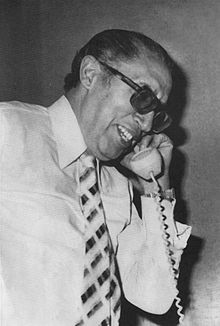
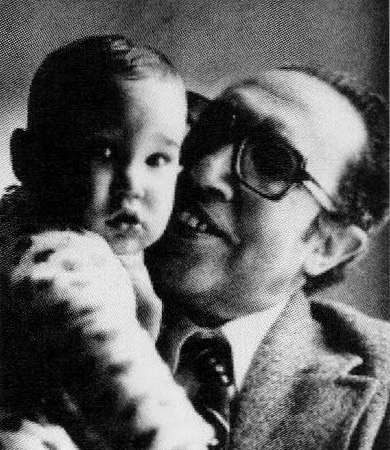
Taoufik Boughedir (1916–2010) was a Tunisian journalist, playwright, writer and cultural critic whose career spanned nearly eight decades. From the Arabic-language press of the 1930s to the development of radio theatre, he helped document and shape Tunisia’s modern cultural history.
Long before digital media transformed journalism, Taoufik Boughedir was already moving between newspapers, radio studios, theatre stages and literary circles. His work reflected a period when Tunisia was experiencing major political and cultural changes, from French colonial rule to independence and the development of national media institutions.
Remembered as one of Tunisia’s pioneering cultural journalists, Boughedir left a body of work that extended beyond reporting. He wrote plays, produced radio programmes, published short stories and examined developments in theatre, music and the visual arts.
His life offers a window into the people and institutions that helped build modern Tunisian cultural life.
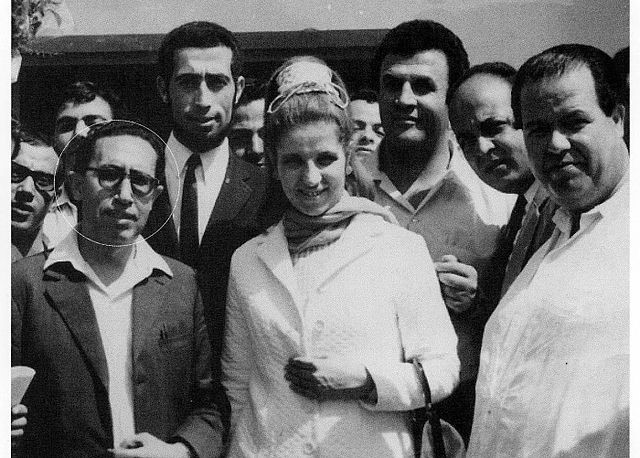
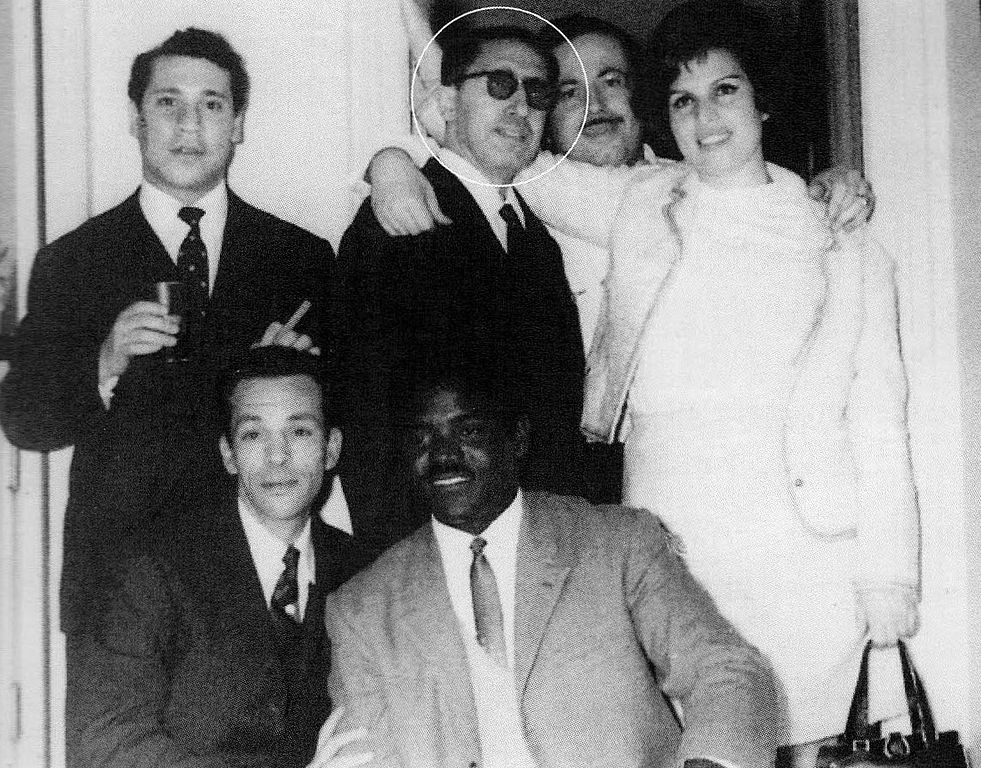
Growing Up in Halfaouine, Tunis
Taoufik Boughedir was born on 18 November 1916 in Halfaouine, a historic neighbourhood of Tunis known for its popular markets, traditional architecture and lively cultural atmosphere.
He grew up in a family with strong connections to books and intellectual life. His father, Ali Boughedir, was a bookseller in the medina of Tunis. This early environment introduced him to the world of literature and helped shape his interests in writing and the arts.
Boughedir received his education in Tunis, including studies at the Italian secondary school in the capital. His interests soon extended beyond literature to include theatre, journalism, drawing and calligraphy.
These different disciplines would eventually become interconnected throughout his career.
Rather than following a single professional path, Boughedir developed a reputation as a versatile cultural figure. He moved between written journalism and artistic expression, bringing the perspective of a critic to the work of writers, musicians and performers.
Beginning a Journalism Career in the 1930s
Boughedir entered journalism during the 1930s, when Tunisia remained under French colonial rule. The Arabic-language press provided an important space for discussing public affairs, literature and the social conditions of Tunisian society.
He began contributing to newspapers including Ezzohra and Ennahdha. His early responsibilities included following international affairs and commenting on major political developments.
His writing helped establish his reputation as a journalist interested in events beyond Tunisia’s borders. At the same time, he developed an understanding of how newspapers could inform readers and contribute to wider intellectual debates.
The period was an important one for Tunisian journalism. Writers worked in a changing political environment, while Arabic-language publications helped circulate ideas about society, culture and the country’s future.
Boughedir continued to build his career as the Tunisian press evolved. He later contributed to Al Amal, where he became involved in cultural journalism.
His work increasingly focused on the arts, particularly theatre and music. This shift helped establish him as a journalist whose interests extended beyond daily news to the development of Tunisia’s cultural identity.
Helping Establish the Newspaper Assabah
One of the significant milestones in Boughedir’s journalistic career came in 1951, when he participated in founding Assabah, alongside Hédi Laâbidi, Habib Cheikhrouhou and Habib Chatti.
The newspaper became part of the development of Tunisia’s modern Arabic-language press.
Boughedir’s involvement in the newspaper reflected his commitment to journalism during the final years of the French Protectorate. At the time, Tunisia’s media landscape was closely connected to the country’s wider political and social transformation.
His career also took him to Tunis Afrique Presse (TAP), Tunisia’s national news agency, where he held editorial responsibilities, including serving as editor-in-chief.
These positions placed him within important institutions of Tunisian journalism. They also allowed him to work across different forms of media, from newspaper reporting to news agency coverage and cultural commentary.
Yet journalism was only one part of his professional life. His growing involvement in radio and theatre would become equally important to his legacy.
Taoufik Boughedir and the Rise of Tunisian Radio Theatre
Radio became one of the defining fields of Boughedir’s career.
During the early development of Tunisian broadcasting, radio offered writers and performers new opportunities to reach audiences beyond conventional theatre venues. Dramatic programmes could bring fictional characters, social conflicts and historical narratives directly into people’s homes.
Boughedir became one of the pioneers associated with Tunisian radio theatre. He wrote numerous plays for radio, working with actors and actresses who brought his stories to life through performance and sound.
Radio drama required a different approach to storytelling. Without visual scenery, writers relied on dialogue, voices, sound effects and carefully constructed scenes to capture listeners’ attention.
Boughedir contributed to this emerging tradition through plays that explored social and historical subjects.
His work helped demonstrate that radio could serve as more than a source of information and entertainment. It could also become a platform for dramatic literature and cultural expression.
Following Tunisia’s independence in 1956, radio continued to develop as an important national medium. Boughedir remained involved in broadcasting, contributing to the cultural programming that reached audiences across the country.
His career illustrates how radio became an important space for Tunisian writers and artists during the twentieth century.
The Radio Programmes That Reached Generations of Listeners
Boughedir’s contribution to broadcasting extended beyond writing plays.
Between approximately 1960 and 1980, he produced two daily radio programmes: Sabah El Khair and Ibra wa Nagham.
Their long-running presence on Tunisian radio made them an important part of his professional life.
He also contributed to cultural and musical programming, including broadcasts devoted to music and the development of musical traditions.
These programmes reflected his broad cultural interests. Boughedir approached music and broadcasting as subjects worthy of serious discussion, documentation and criticism.
His work connected listeners with cultural developments at a time when radio played a central role in everyday life. For many people, broadcasting was an important way to follow artistic events, discover new works and engage with cultural discussions.
Through his programmes, Boughedir became part of a generation of media professionals who helped establish broadcasting as a major component of Tunisia’s cultural landscape.
A Theatre Critic Who Documented Tunisia’s Artistic Life
Boughedir’s relationship with theatre extended well beyond radio drama.
He wrote plays, participated in theatrical organisations and became a prominent critic of stage productions. His reviews examined the work of performers and the development of theatrical expression in Tunisia.
His position as a critic gave him a different role from that of a playwright. While writing for the stage allowed him to create stories and characters, criticism enabled him to examine the choices made by other artists.
Theatre criticism also provided a record of artistic activity. Reviews captured performances, identified emerging talents and reflected debates about the direction of Tunisian theatre.
Boughedir’s work connected him with several generations of performers and theatre professionals, including artists who helped develop modern Tunisian stage traditions.
His interests extended to music criticism and visual art. He wrote about artistic developments across different disciplines, demonstrating an approach to cultural journalism that treated the arts as an interconnected field.
In recognition of his contribution, the Tunisian Ministry of Culture published a bilingual French-Arabic booklet about his life in 2010.
Titled Taoufik Boughedir 1916–2010: Pioneer of Theatre Criticism and Radio Theatre in Tunisia, the publication documented his role in the country’s theatrical and broadcasting history.
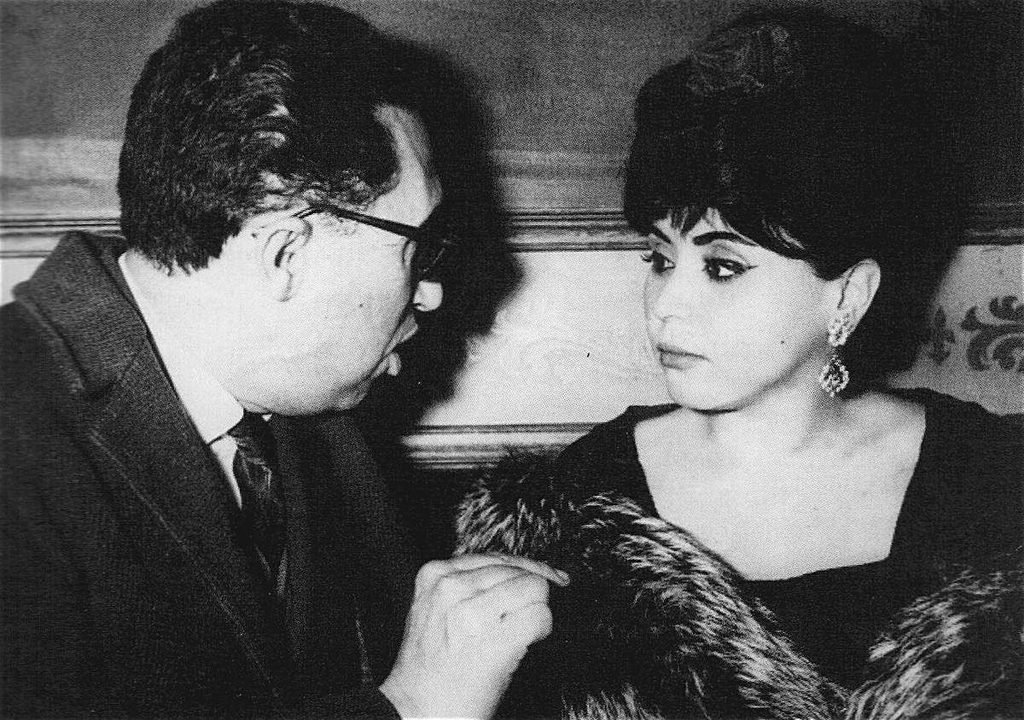
Literature, Social Questions and Women’s Emancipation
Alongside journalism and theatre, Boughedir maintained a sustained interest in literary writing.
He published short stories in Tunisian periodicals, including Al Ousbou and Al Thouraya. His stories explored social relationships and the realities of Tunisian society.
Women’s position in society was among the subjects associated with his literary work and public interventions. Accounts of his career also describe him as an advocate of women’s emancipation and equal rights.
These subjects formed part of wider discussions taking place in Tunisia during the twentieth century, as writers and intellectuals debated social traditions, education and the changing roles of women.
Boughedir’s writing placed him within these cultural conversations. His work reflected an interest in examining society rather than treating literature as an activity separate from everyday life.
He continued writing into his later years.
Among his later literary works were Sur la corniche, published in 2007, Zohra, published in 2008, and Le nom de famille perdu, published in 2009.
In 2006, he also returned to theatre with the play Elle et lui.
These works demonstrate the longevity of his creative interests. Even after decades in journalism and broadcasting, he continued to explore literary expression.
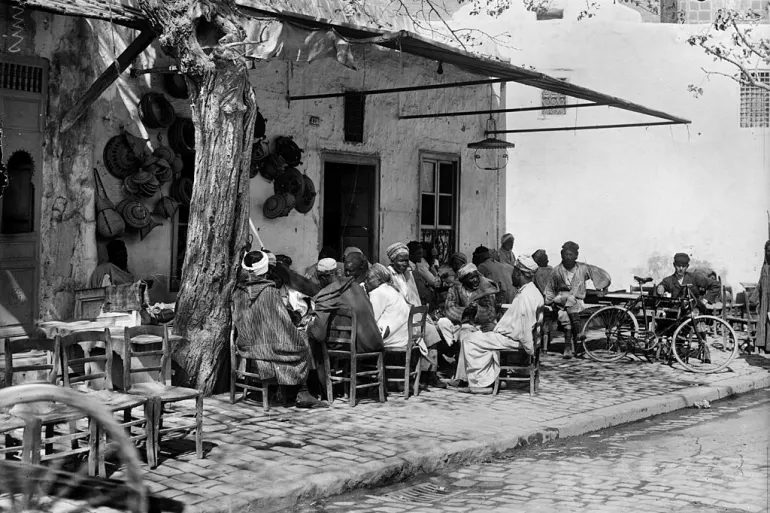
The Influence of Taht Essour
Boughedir was associated with Taht Essour, a literary circle whose name means “Beneath the Wall”.
The group brought together Tunisian writers and intellectuals, including Ali Douagi, Abderrazak Karabaka and Hédi Laâbidi.
Its members formed part of a literary movement that helped develop modern Tunisian Arabic-language writing. Their work explored social life, popular culture and the changing realities of Tunisian society.
The importance of such circles extended beyond individual publications. They created spaces where writers could exchange ideas, discuss literature and develop relationships with other cultural figures.
Boughedir’s association with this environment reflected his place within a wider network of Tunisian intellectuals.
His interests in journalism, literature and theatre also reflected the connections between different cultural fields during this period. Writers were often involved in several activities at once, moving between newspapers, literary publications, broadcasting and the stage.
This interconnected world helped shape the development of Tunisia’s modern cultural institutions.
More Than a Journalist: Calligraphy, Caricature and the Arts
Boughedir’s cultural interests were not limited to writing and broadcasting.
He practised Arabic calligraphy and caricature, two art forms that allowed him to express ideas visually as well as through words.
He also taught calligraphy at the École Normale in Tunis.
His interest in caricature had a journalistic dimension. Political cartoons offered a way to comment on public affairs through humour, symbolism and visual criticism.
One account of his life describes a caricature criticising the exploitation of Tunisian resources under French colonial rule. The episode reportedly led to a suspended prison sentence, illustrating the political sensitivities surrounding public expression during the colonial period.
His artistic activities reflected the range of his interests and the different ways he engaged with Tunisian society.
Boughedir’s career demonstrates that cultural journalism can extend well beyond reporting. It can involve documenting artistic developments, creating original work, teaching traditional arts and participating in debates about society.
This breadth of experience helps explain why his legacy is associated with several different areas of Tunisian cultural history.
Recognition and His Final Years
Boughedir’s contribution received formal recognition during his lifetime.
In 2009, he was honoured during celebrations marking the centenary of Tunisian theatre, held in connection with the Carthage Theatre Days.
He also received the National Order of Cultural Merit in recognition of his contribution to Tunisian cultural life.
These honours reflected a career that had crossed several generations of journalists, writers and performers.
Boughedir continued to write during his later years, maintaining his connection with literature and the arts.
He died in Tunis on 2 January 2010, aged 93.
Following his death, the Tunisian Ministry of Culture published the bilingual booklet documenting his life and contribution to theatre criticism and radio drama. The publication formed part of the effort to preserve his place in Tunisia’s cultural history.
His career remains a useful reference point for understanding the development of Tunisian journalism and broadcasting during the twentieth century.
Taoufik Boughedir’s Legacy in Tunisian Cultural History
Taoufik Boughedir’s life connected several important chapters in Tunisia’s modern history.
He began his journalism career during the French Protectorate, participated in the development of the national press, worked in broadcasting and contributed to the evolution of radio theatre.
He also wrote short stories, produced cultural programmes, reviewed artistic performances and practised calligraphy and caricature.
His career reveals how closely journalism and the arts were connected in Tunisia. Newspapers documented cultural developments, radio introduced dramatic writing to new audiences, and theatre provided a space for exploring social questions.
Boughedir worked across all these fields, leaving behind a body of work that reflects the changing cultural landscape of his country.
Remembering him is therefore about more than recalling the career of an individual journalist. It is also an opportunity to revisit the people, publications and institutions that helped shape modern Tunisian cultural life.
From the newspapers of the 1930s to the radio programmes of the decades that followed, Taoufik Boughedir remained connected to the stories Tunisia told about itself.
His legacy belongs to the history of Tunisian journalism, theatre, broadcasting and literature, and his life offers a valuable perspective on the development of these cultural traditions.