The Art World Has a New Address in Gabes
By Tunez Magazine ·
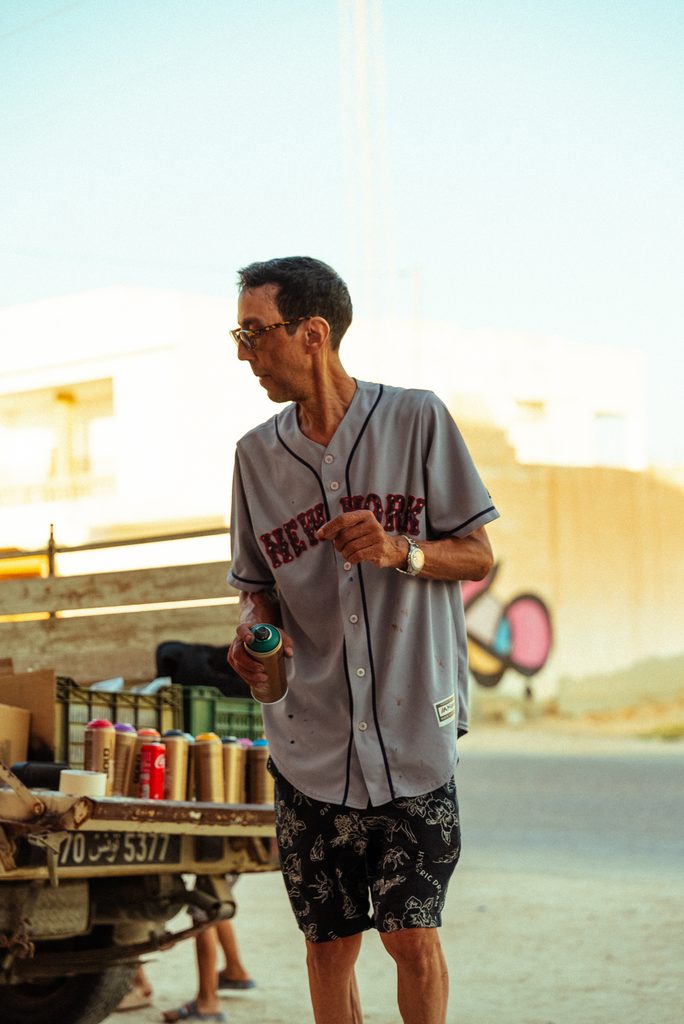
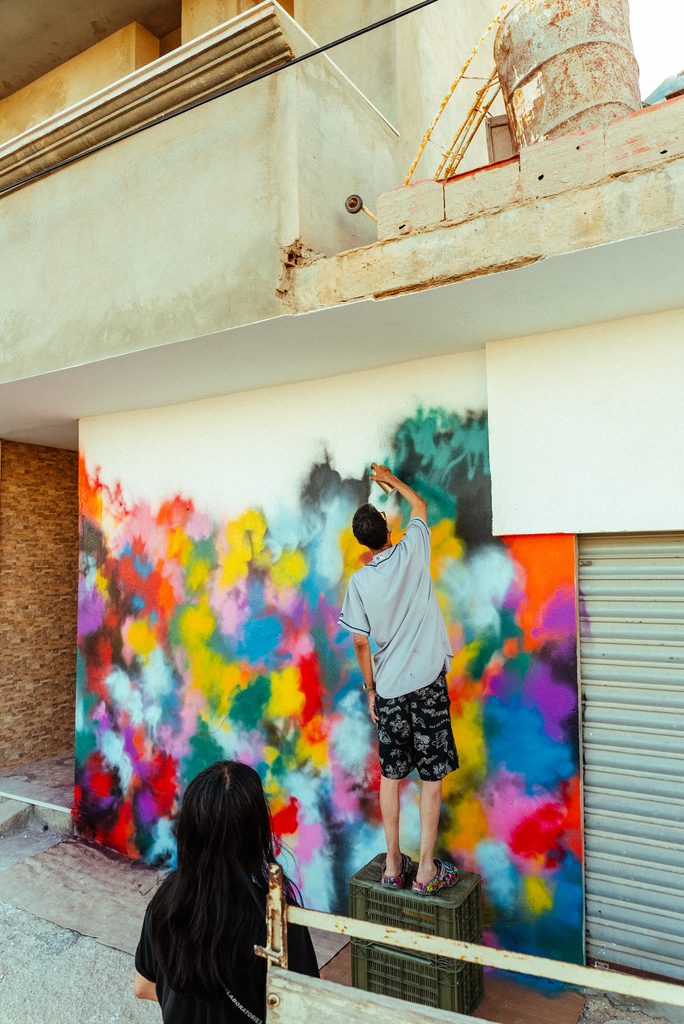
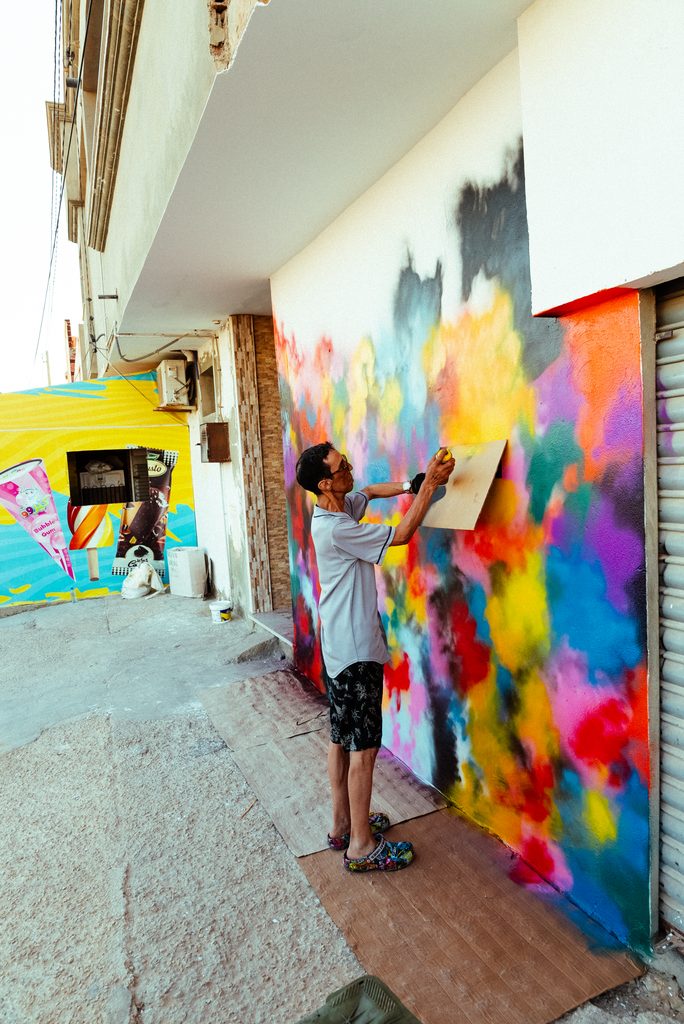
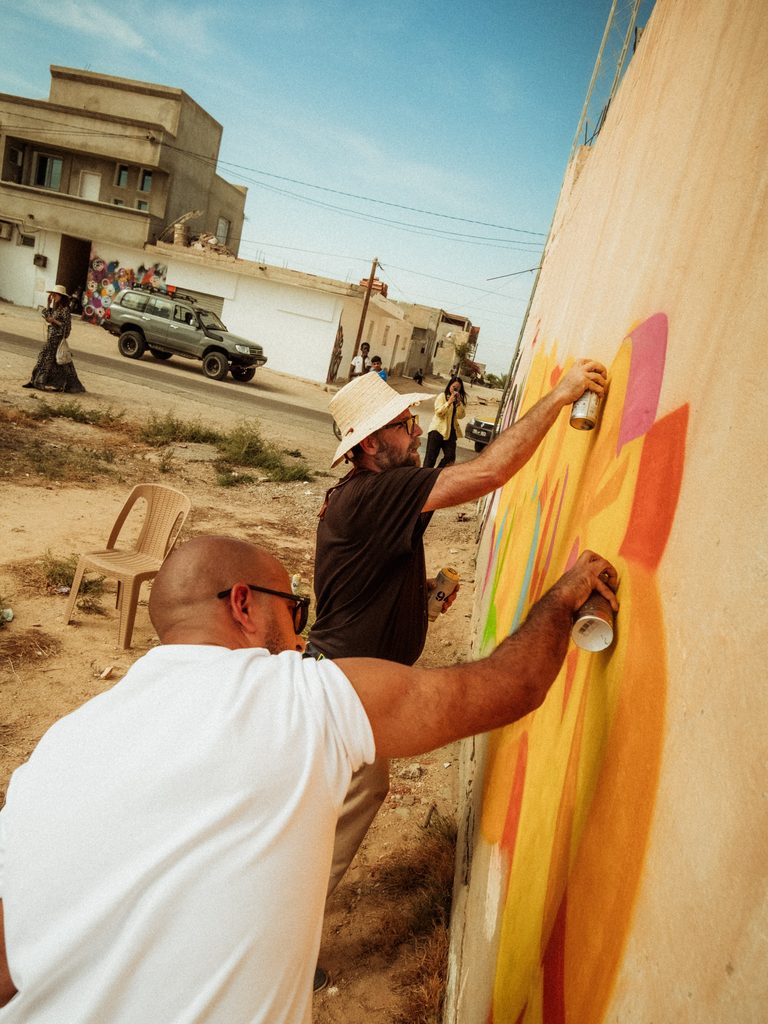
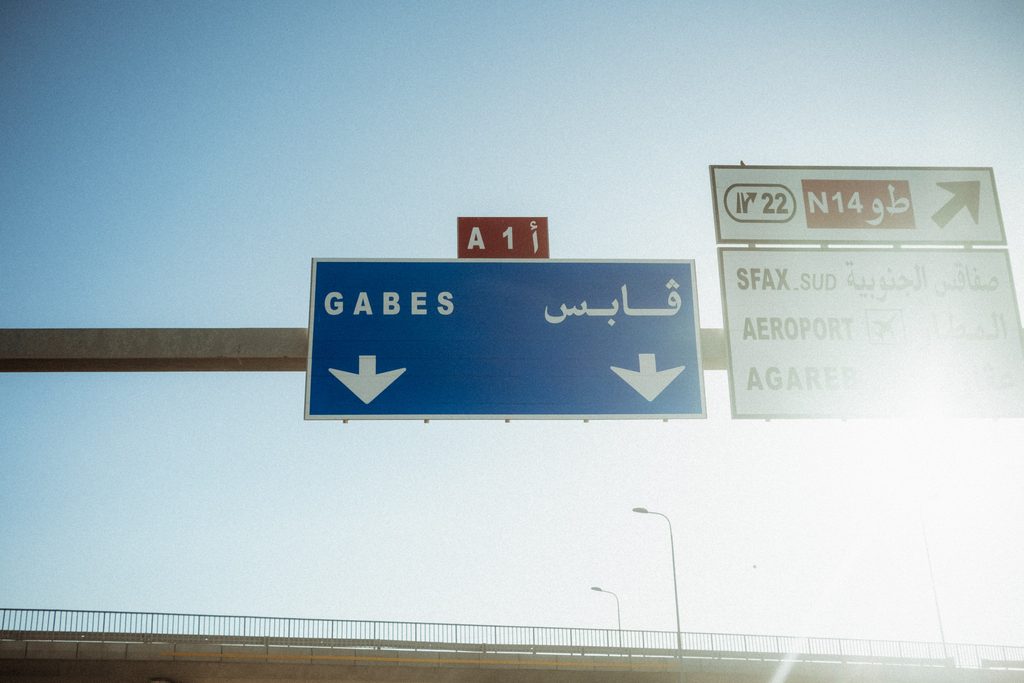
Gabès has long been associated with its Mediterranean coastline, its distinctive sea oasis, its agricultural traditions and its place in the cultural geography of southern Tunisia. Today, the city is also becoming the centre of an ambitious artistic vision led by Tunisian French artist eL Seed, who wants to transform his hometown into an international meeting point for contemporary artists, architects, photographers, filmmakers and other creative figures. Among the artists expected to join this growing initiative is Futura 2000, one of the most influential figures in the history of American graffiti and contemporary street art.
The announcement of Futura 2000’s expected visit, reported by the Tunisian newspaper La Presse in April 2026, offers a glimpse into the international network that eL Seed is building around his hometown. It also raises a broader question about the future of Tunisia’s cultural landscape: what happens when internationally recognised artists are invited to create, exchange ideas and collaborate outside the traditional centres of the global art world?
For eL Seed, the answer begins in Gabès itself, among the olive trees, family histories and local communities that have shaped his relationship with the region.
Gabès has long been associated with its Mediterranean coastline, its distinctive sea oasis, its agricultural traditions and its place in the cultural geography of southern Tunisia. Today, the city is also becoming the centre of an ambitious artistic vision led by Tunisian French artist eL Seed, who wants to transform his hometown into an international meeting point for contemporary artists, architects, photographers, filmmakers and other creative figures. Among the artists expected to join this growing initiative is Futura 2000, one of the most influential figures in the history of American graffiti and contemporary street art.
The announcement of Futura 2000’s expected visit, reported by the Tunisian newspaper La Presse in April 2026, offers a glimpse into the international network that eL Seed is building around his hometown. It also raises a broader question about the future of Tunisia’s cultural landscape: what happens when internationally recognised artists are invited to create, exchange ideas and collaborate outside the traditional centres of the global art world?
For eL Seed, the answer begins in Gabès itself, among the olive trees, family histories and local communities that have shaped his relationship with the region.
Futura 2000: The Artist Who Helped Redefine Graffiti
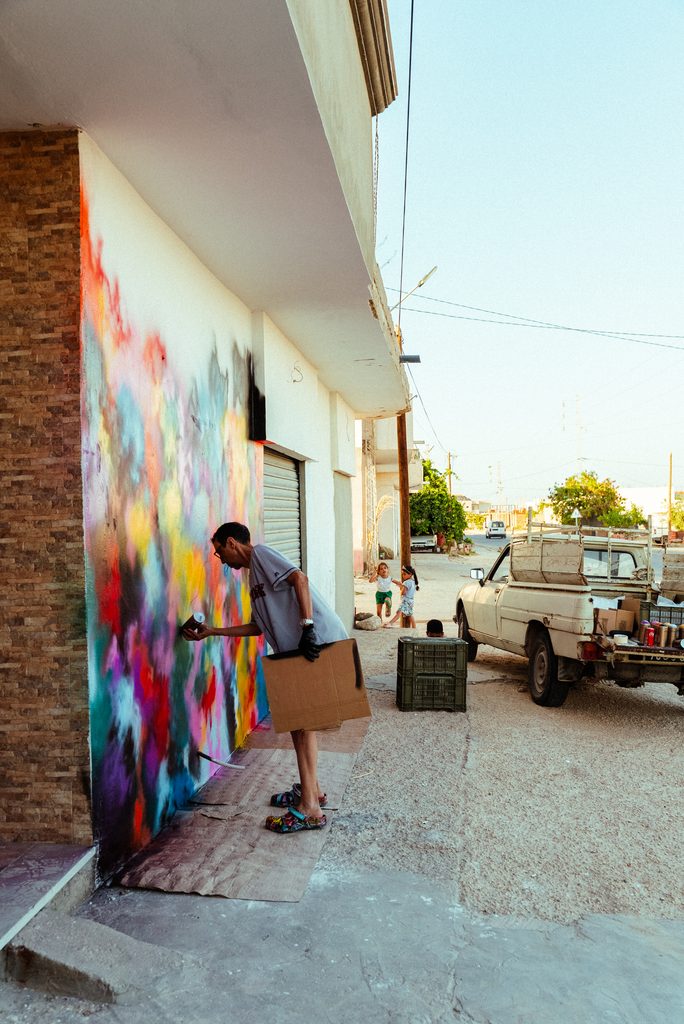
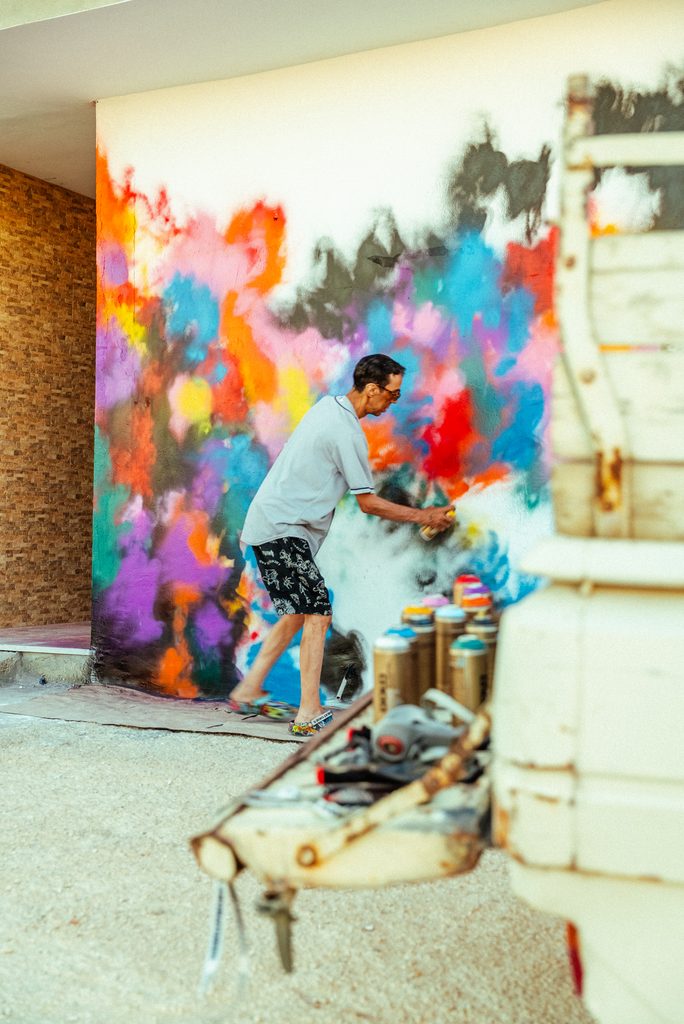
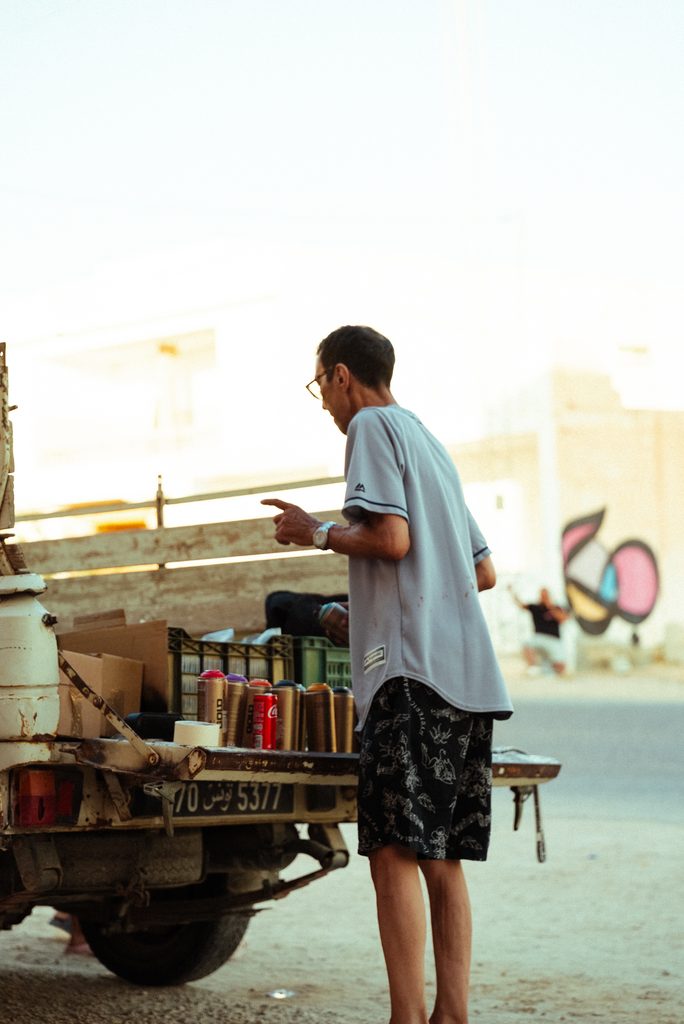
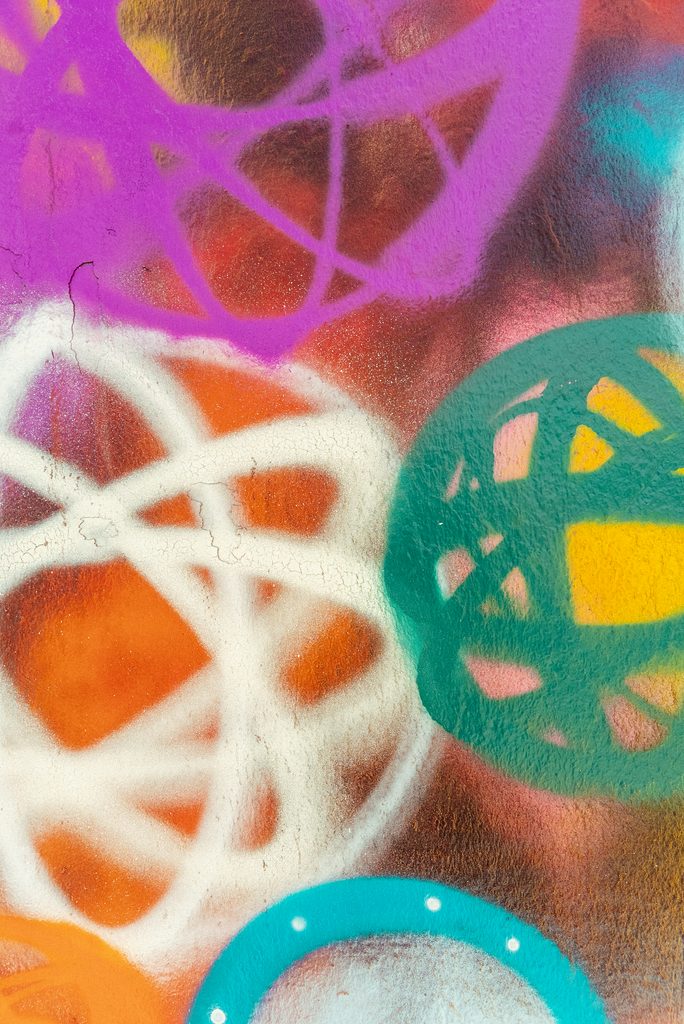
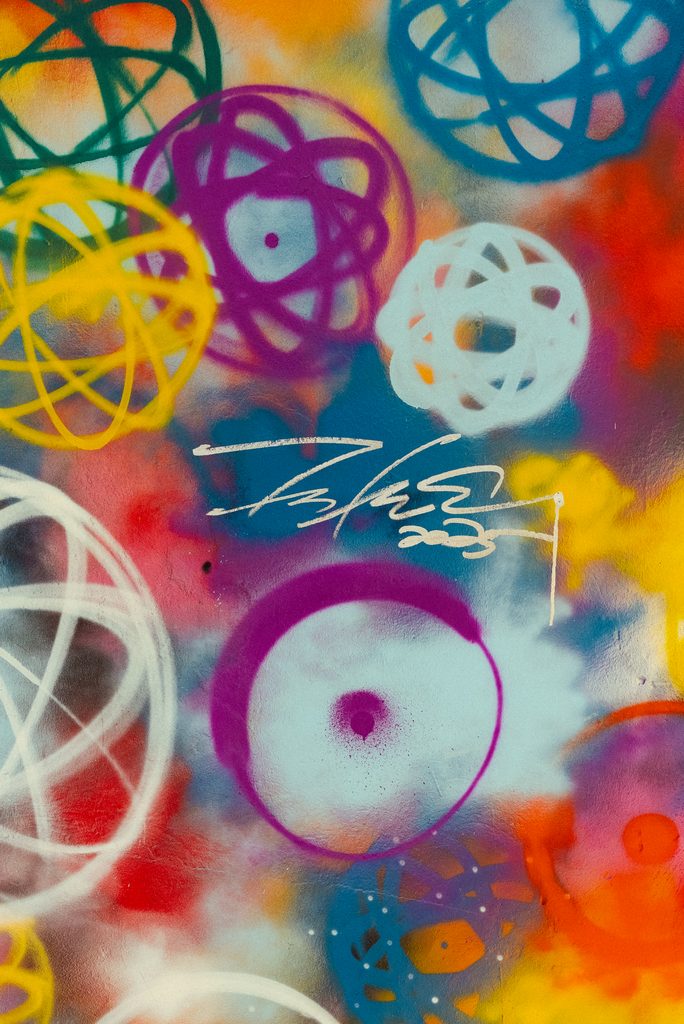
Born Leonard Hilton McGurr in New York in 1955, Futura 2000 emerged from the city’s graffiti movement during the 1970s, a period when young artists were transforming subway trains, public spaces and urban surfaces into sites of creative expression. At a time when graffiti was largely associated with lettering, signatures and the territorial language of street culture, Futura developed a distinctive visual vocabulary built around abstraction, movement, colour and futuristic forms.
His work helped expand the artistic possibilities of graffiti, bringing it into dialogue with abstract painting and the wider contemporary art world. Rather than treating the wall or the train as a surface for words alone, Futura approached them as spaces for experimentation, using spray paint to construct compositions that appeared to move beyond conventional figurative representation.
During the early 1980s, he gained international visibility through exhibitions and collaborations, including his involvement with British punk band The Clash during the group’s Combat Rock period. His practice subsequently expanded into painting, sculpture, graphic design and collaborations across fashion, music and popular culture.
Futura’s significance lies not only in his longevity but also in his role in changing perceptions of graffiti. What began as a form of urban expression operating outside established institutions became a major influence on contemporary visual culture, with artists from different generations drawing on its energy and visual language.
His connection to Gabès would therefore bring a figure associated with the international history of graffiti into a setting defined by a very different set of references: agricultural heritage, family traditions, the Mediterranean landscape and the cultural identity of southern Tunisia.
eL Seed: Bringing the World to Gabès
The initiative is closely connected to the work and personal history of eL Seed, whose real name is Faouzi Khlifi. Born in France to Tunisian parents, he developed an artistic practice that combines Arabic calligraphy with the visual language of graffiti, creating works that move between contemporary urban art, cultural memory and questions of identity.
Often described as calligraffiti, his approach transforms written language into large-scale visual compositions. His murals frequently explore themes of coexistence, belonging, human connection and the relationship between communities and their surroundings.
In 2012, eL Seed painted the minaret of Jara Mosque in Gabès, covering the structure with a large calligraphic composition. The project brought international attention to his hometown and became an important moment in his relationship with the city. According to his official website, the work marked a turning point in how he understood the possibilities of public art in the place from which his family originated.
His relationship with Gabès has since developed beyond individual artworks. Rather than treating the city simply as a location for occasional artistic interventions, eL Seed has increasingly focused on building a sustained cultural presence there.
In an interview published by La Presse on 25 April 2026, he described Gabès as a central part of his life and spoke of his ambition to attract internationally recognised artists, architects and chefs to the region. His vision includes the development of an artistic residency and potentially a museum, creating a lasting infrastructure for cultural exchange.
The ambition is significant because it shifts the conversation away from the idea that artistic innovation must originate in major international capitals. Instead, it proposes that a city in southern Tunisia can become a place where global creative communities gather, work and encounter a different cultural environment.
Tacapae: Where Contemporary Art Meets the Olive Harvest
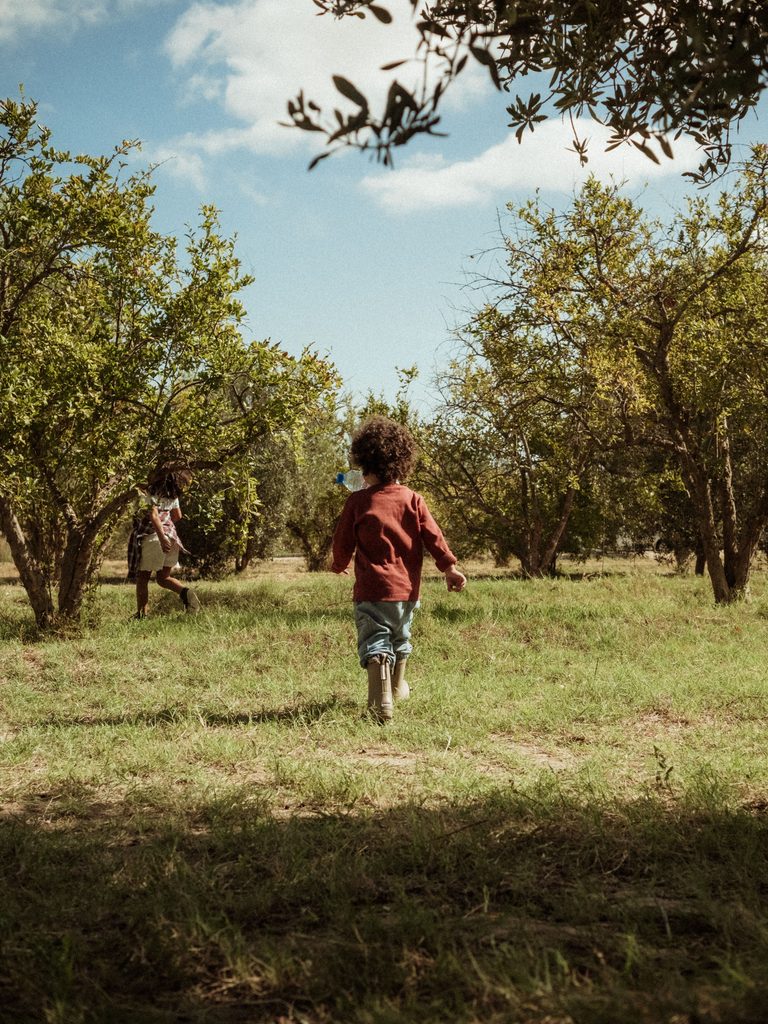
At the centre of this vision is Tacapae, eL Seed’s cultural and olive oil project rooted in the countryside around Gabès.
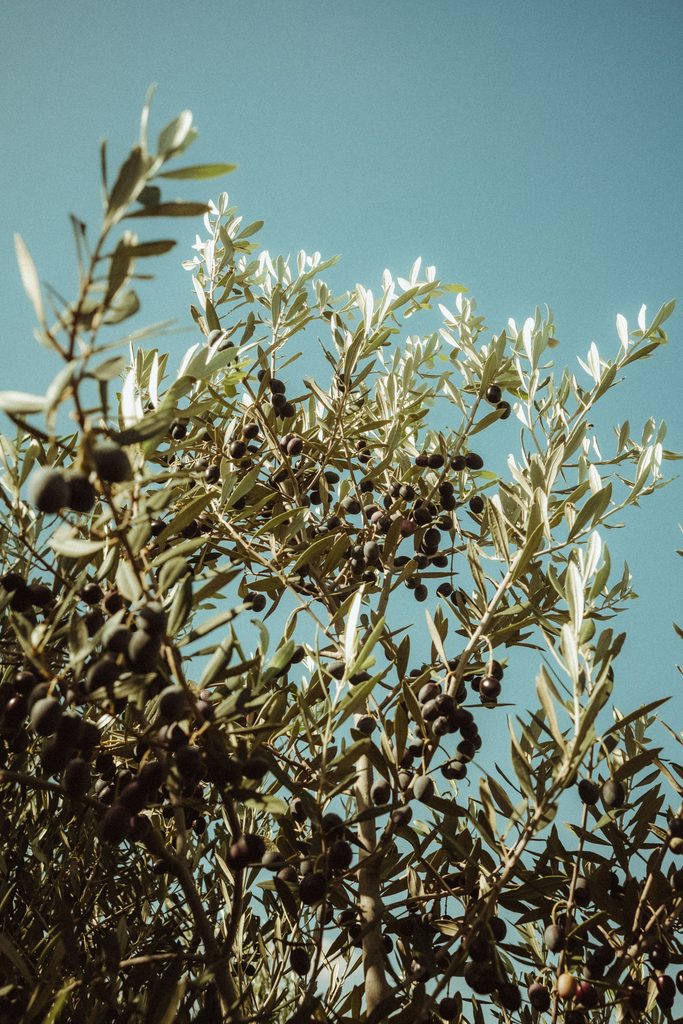
Named after the ancient name associated with the city, Tacapae connects contemporary artistic production with the agricultural heritage of southern Tunisia. Its origins are deeply personal. In 2018, eL Seed returned to his family’s land and acquired an olive grove containing trees that had been planted by his great-grandfather. The discovery strengthened his connection to the region and encouraged him to develop a project that could bring together agriculture, craftsmanship, art and local identity.
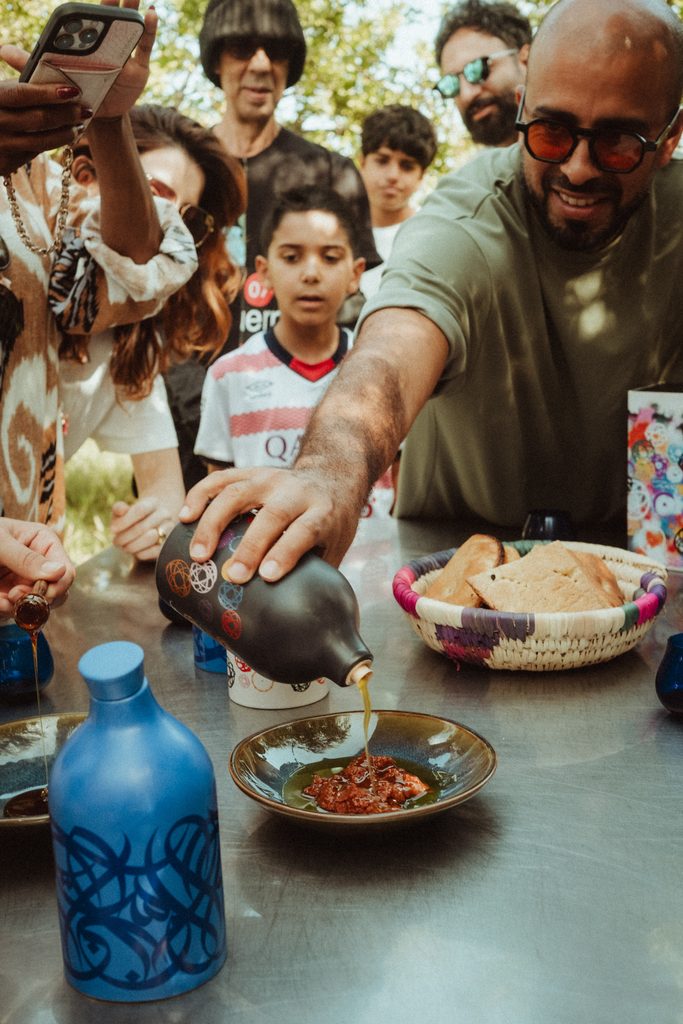
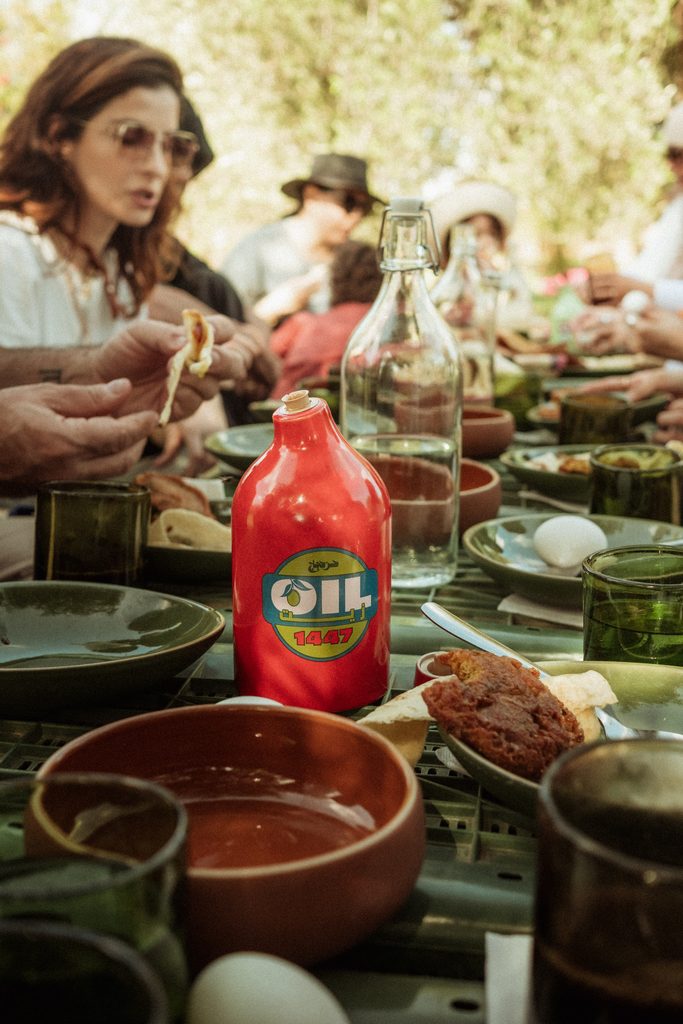
Tacapae was formally launched in 2024 as a premium olive oil initiative whose presentation places artistic design at the centre of the experience. Its handmade ceramic bottles are conceived as collectible objects, with editions that invite different artists to contribute their own visual interpretations.
The project represents a departure from conventional branding. Rather than separating the product from the place in which it is produced, Tacapae foregrounds the landscape, the people who work the land and the traditions surrounding the olive harvest.
In September 2025, GQ Middle East documented the collaboration between eL Seed and Moroccan British artist Hassan Hajjaj, who created a series of limited-edition bottle designs inspired by the visual culture of Gabès. Hajjaj’s work, known for its vivid colours and dialogue between Moroccan references and contemporary popular culture, offered another example of how an international artist could engage with the region through a project grounded in local experience.
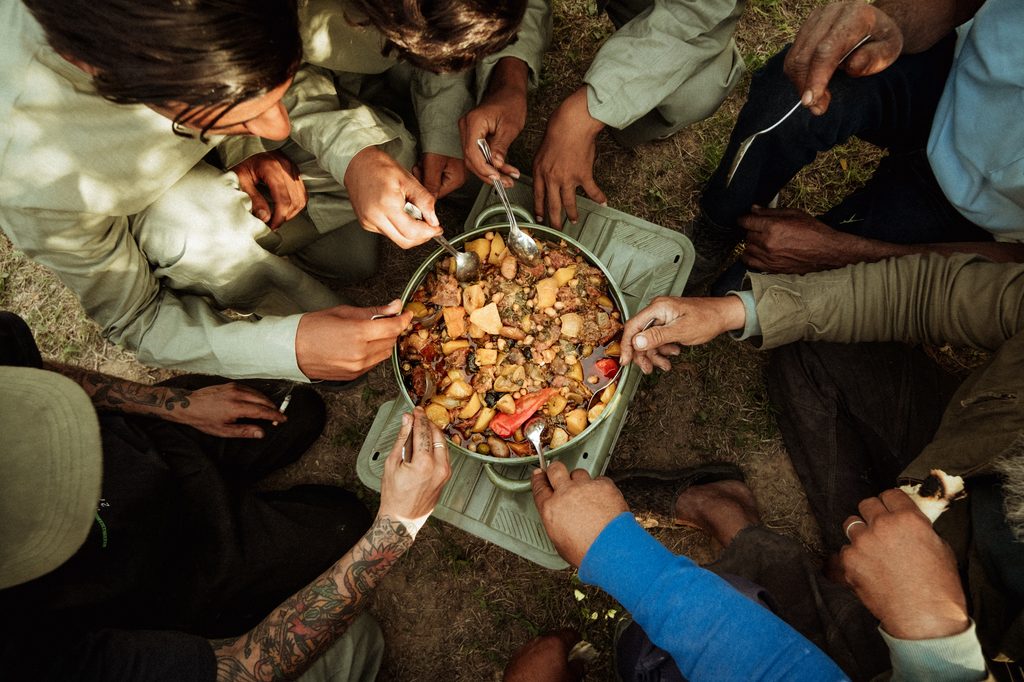
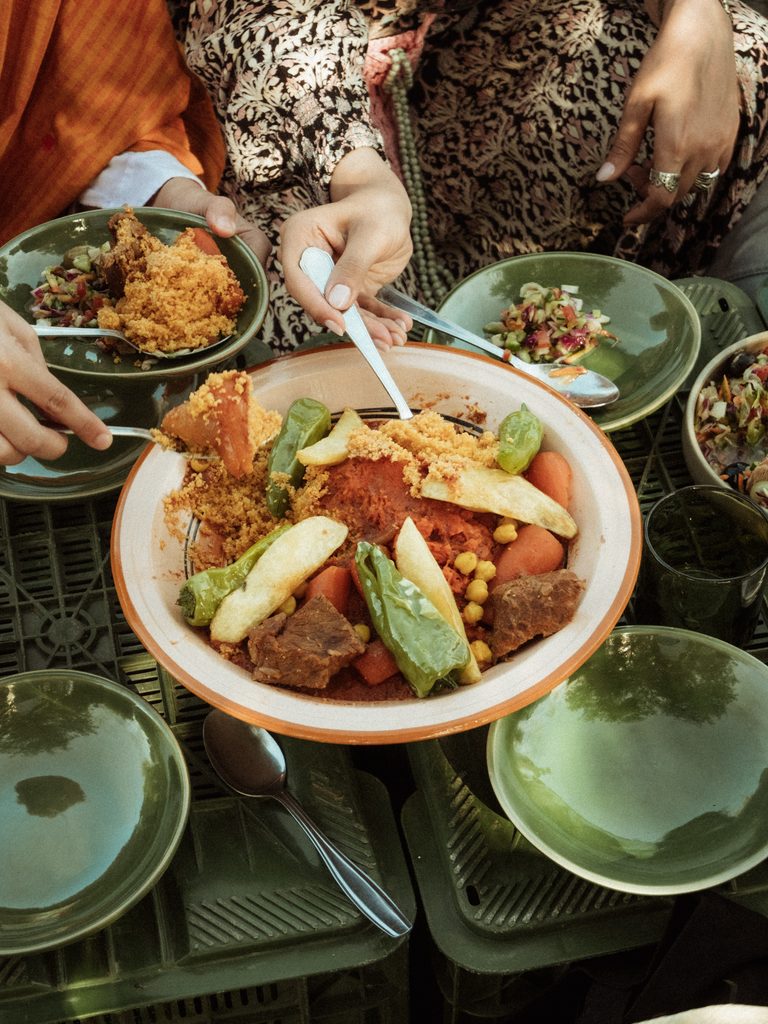
The olive grove consequently becomes more than a production site. It provides a setting for artistic encounters, shared meals, photography, conversation and experimentation. The landscape itself becomes part of the cultural proposition.
Temoula: An Olive Grove as a Creative Meeting Place
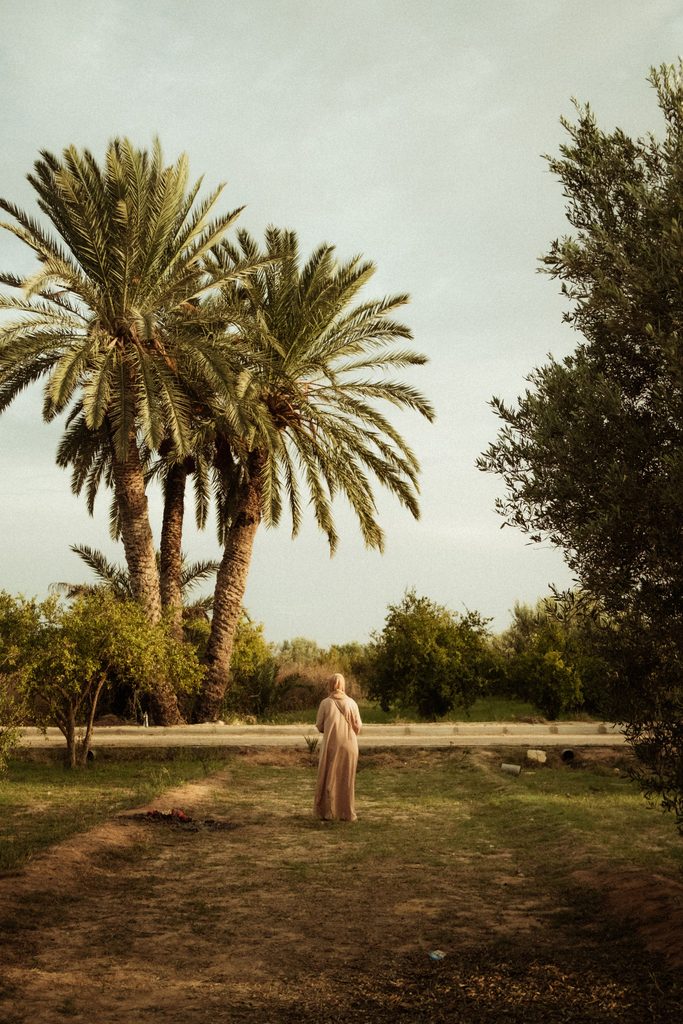
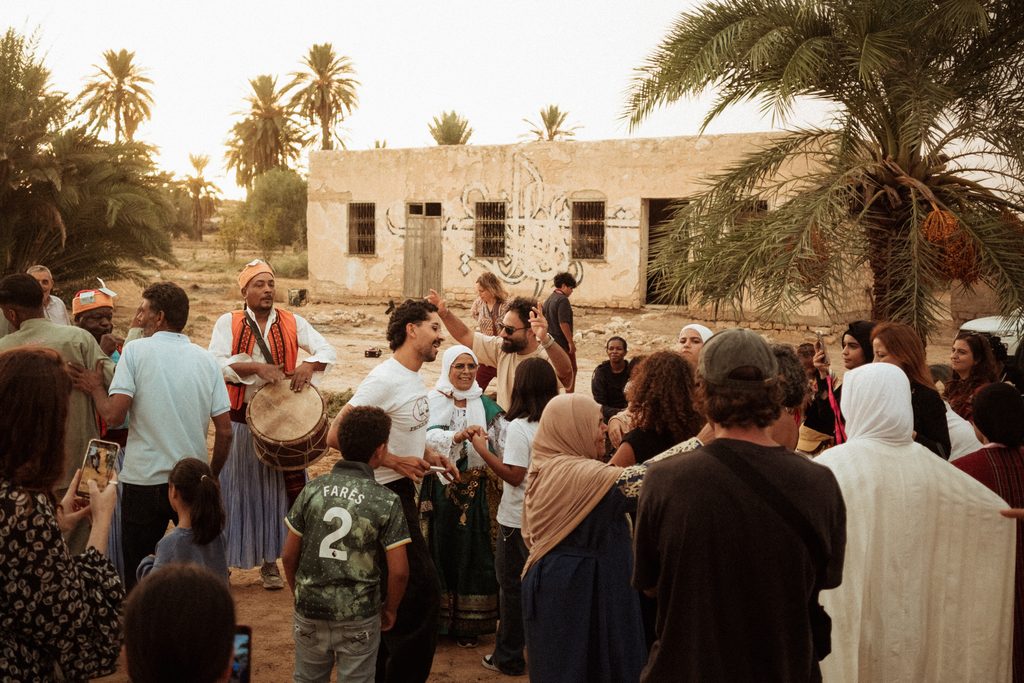
The village of Temoula, on the outskirts of Gabès, has become an important setting for this initiative. Here, the rhythms of the agricultural calendar provide a framework for gathering artists and cultural figures from different parts of the world.
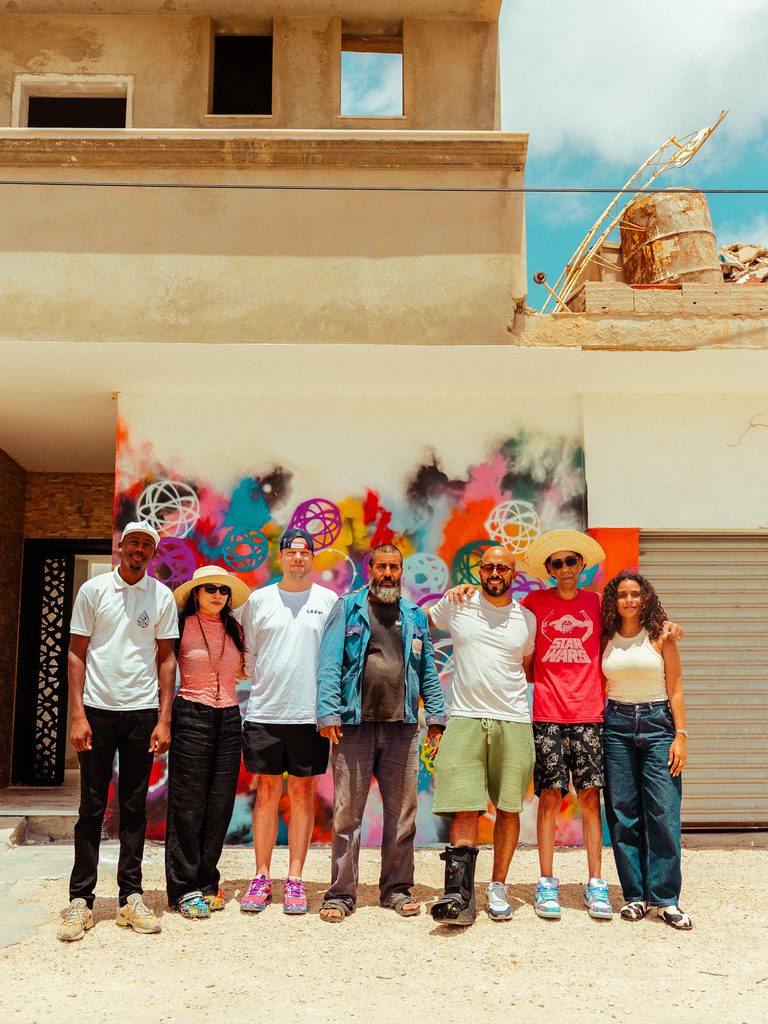
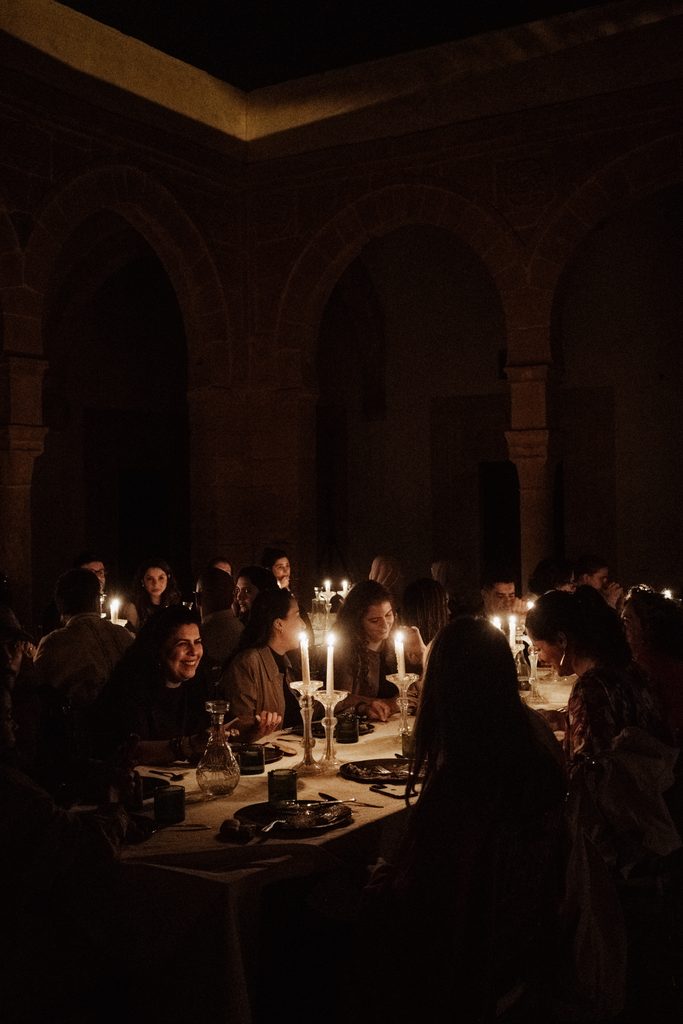
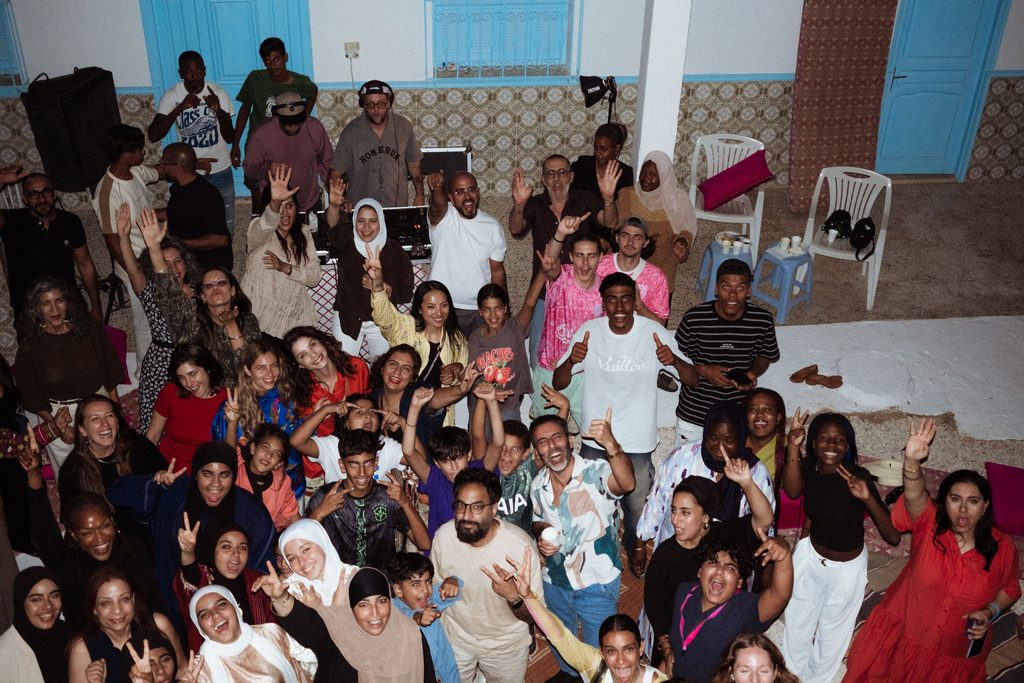
A report published by Condé Nast Traveller Middle East in January 2025 described an olive harvest gathering at eL Seed’s family land. The event brought together artists, photographers, architects, chefs and members of the local community, creating an atmosphere in which artistic exchange was inseparable from everyday life.
Among those present were photographer Hassan Hajjaj and architect Sumayya Vally. Local farmworkers, family members and visitors shared the same environment, while the harvest continued around them.
The setting offers a different model of cultural production from the conventional gallery or museum. Instead of placing artists in an isolated exhibition space, it brings them into direct contact with the agricultural and social environment of southern Tunisia.
In Temoula, the olive harvest becomes a point of connection between generations, professions and cultures. The land provides the context, while the people who work it remain central to the experience.
This approach also challenges the tendency to overlook rural and regional environments when discussing contemporary culture. The olive grove is not presented as a nostalgic image of an unchanging past. It becomes a living space in which traditional knowledge and contemporary creative practices can meet.
Although the broader Tacapae initiative and its international gatherings are documented, a specific claim that Futura 2000 and Brazilian street-art duo Os Gemeos jointly painted a mural in Temoula in late 2025 could not be independently verified in the sources reviewed for this article. Their participation in that particular work should therefore not be treated as established fact without further confirmation.
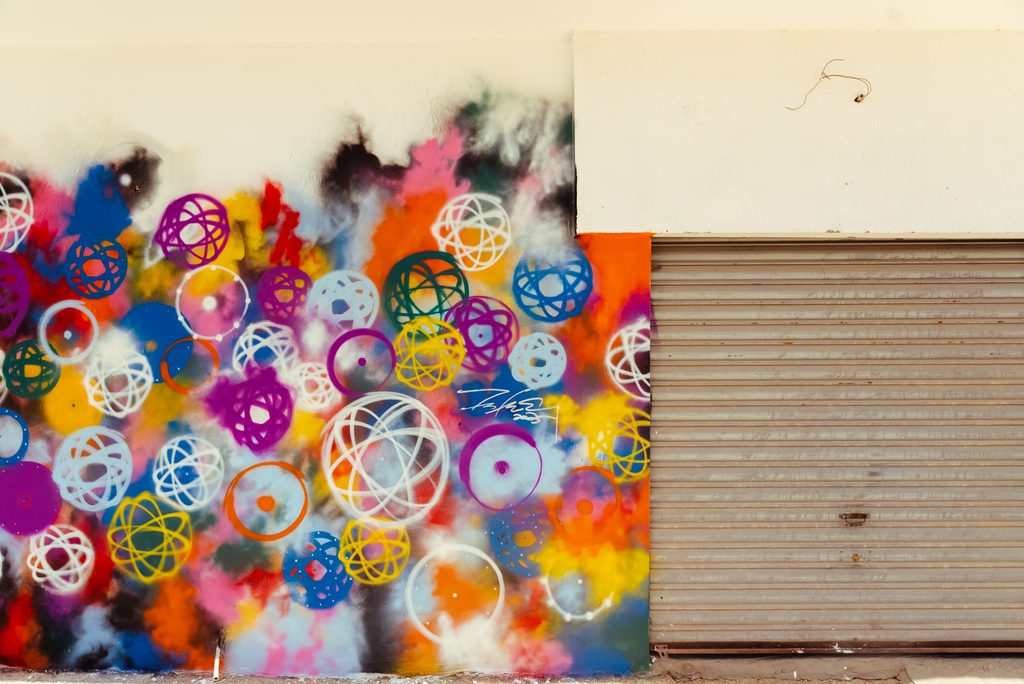
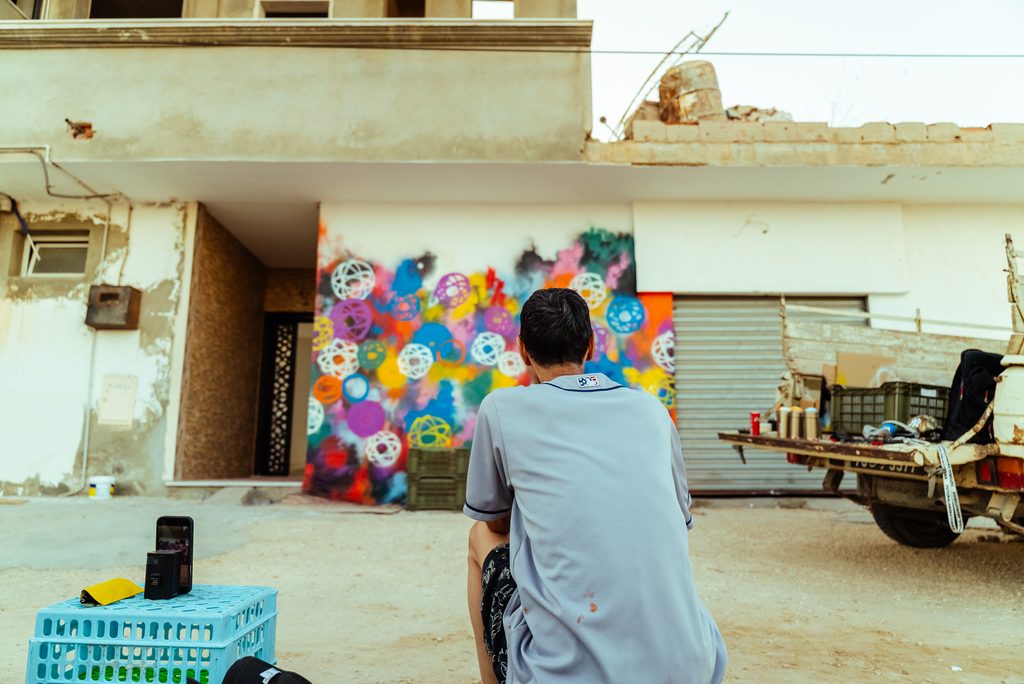
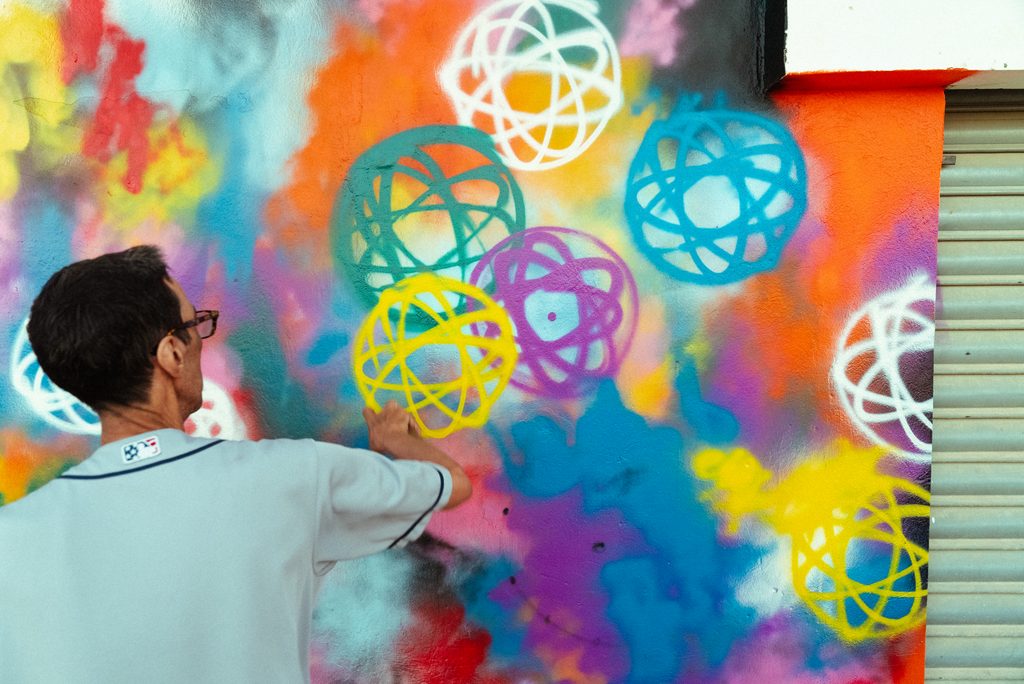
From the Street to the Landscape
The prospect of bringing artists associated with international street culture into this environment creates an interesting dialogue between different forms of artistic practice.
Graffiti emerged from the streets, public transport networks and neighbourhoods of cities such as New York. It developed through informal communities, visual experimentation and the desire to claim space within environments where young people often had limited access to established cultural institutions.
Over time, artists associated with graffiti influenced contemporary painting, fashion, graphic design, advertising and music. Their work moved between public walls, galleries, museums and commercial collaborations, changing the relationship between street culture and the institutions that had historically excluded it.
In Gabès, the conversation takes on another dimension. The landscape is not an urban wall or a subway carriage but an agricultural environment shaped by generations of cultivation. Artistic practice enters a place where memory is carried through trees, family relationships, local knowledge and seasonal rituals.
For artists such as Futura 2000, whose visual language developed within the urban environment of New York, an encounter with southern Tunisia would offer a different geographical and cultural context. For the local community, the presence of internationally recognised figures could create opportunities for visibility and exchange.
The potential lies not simply in bringing famous names to a Tunisian location, but in creating the conditions for meaningful interaction between artistic traditions and environments that rarely occupy the same international narrative.
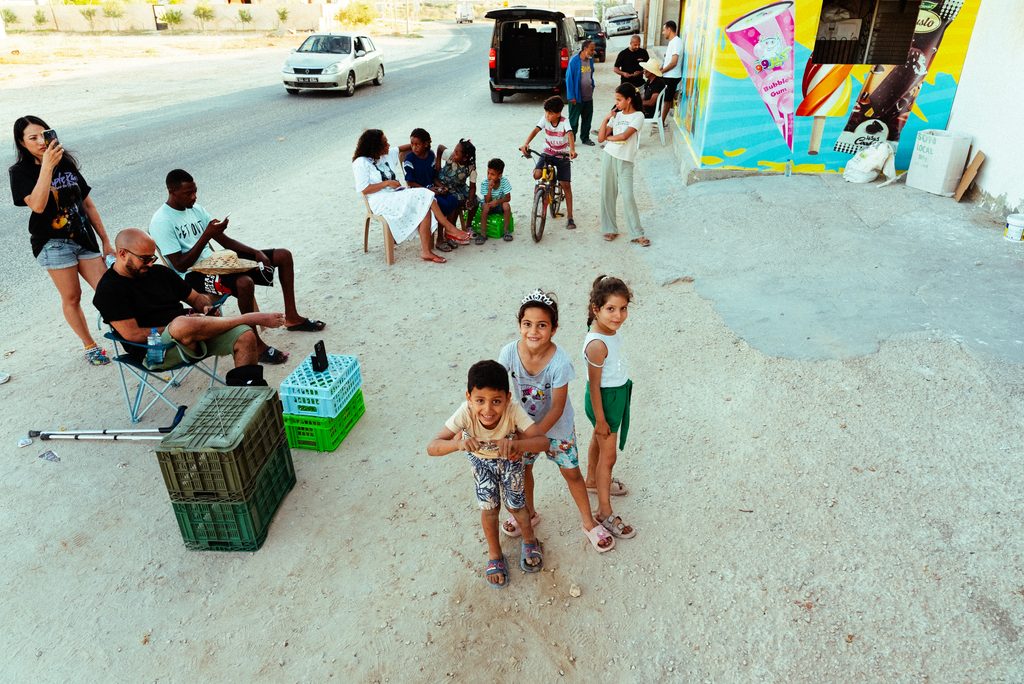
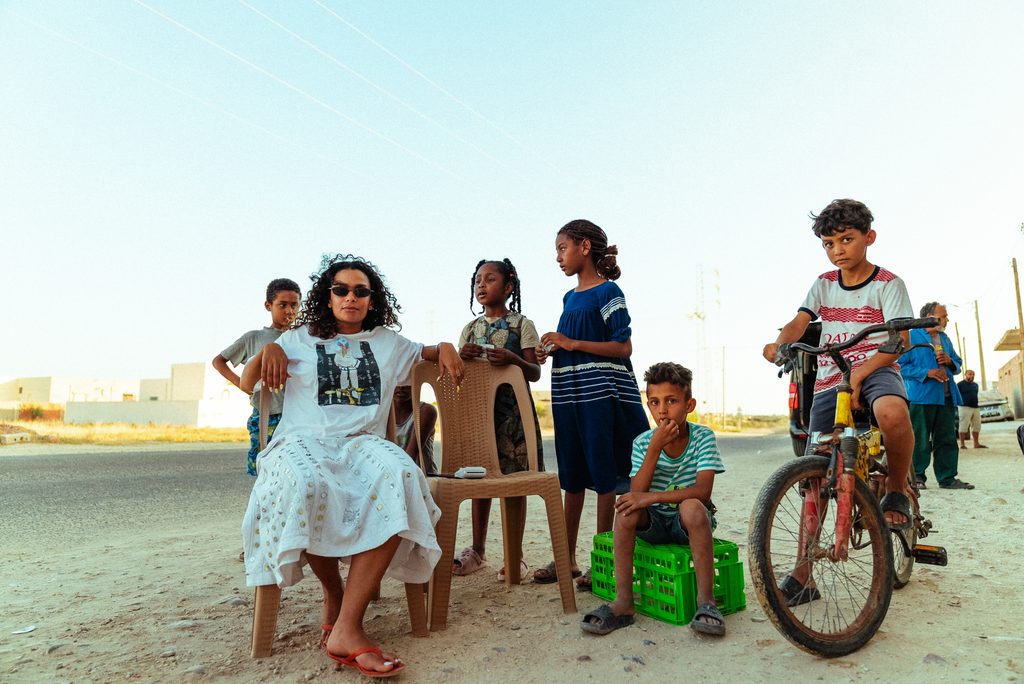
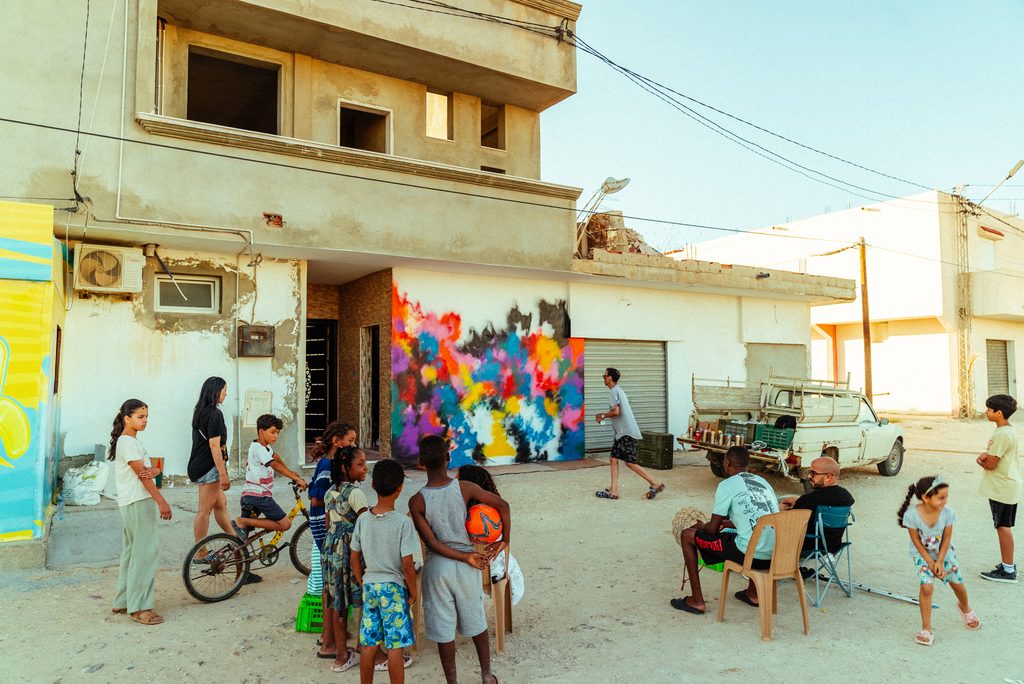
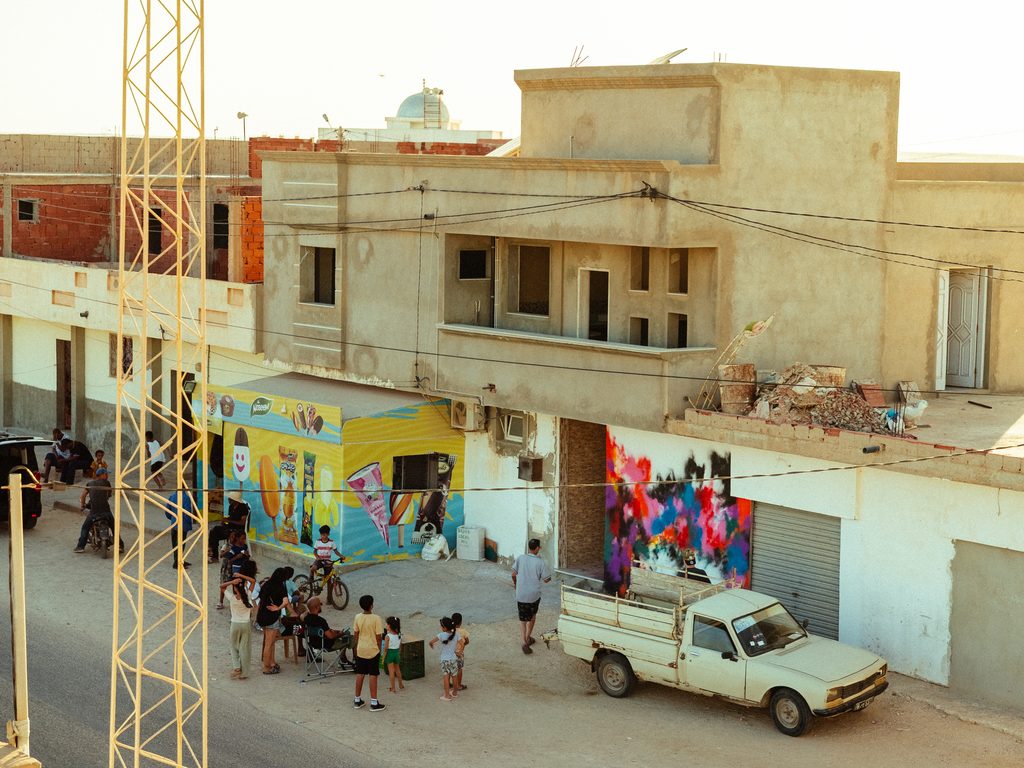
Why Gabès matters
Gabès occupies a distinctive position within Tunisia. Its coastal setting, sea oasis, agricultural traditions and cultural history make it different from the country’s better-known cultural centres, particularly Tunis.
Yet regional visibility has often been uneven. Major exhibitions, international art events and cultural institutions tend to concentrate in established urban centres, while other regions struggle to secure comparable attention and long-term investment.
eL Seed’s project responds to this imbalance by placing Gabès at the centre of its own cultural narrative. Rather than presenting the city as a peripheral destination waiting for recognition from elsewhere, it builds on the area’s existing resources: its people, its landscape, its agricultural heritage and its connections to the wider Mediterranean.
The initiative also has an economic dimension. Cultural visitors can generate demand for hospitality, food, transport, local services and creative production. If developed sustainably, artistic gatherings and residencies can create new professional opportunities while encouraging visitors to engage with the region beyond conventional tourism routes.
However, international attention alone is not enough. For such an initiative to have a lasting impact, local artists and communities must remain active participants in its development. Cultural projects need continuity, resources and opportunities for people in the region to benefit from the activity they help sustain.
The strongest version of this vision would not simply bring international artists to Gabès for a brief visit. It would create an environment in which local practitioners could develop their own projects, exchange knowledge and build relationships that continue long after the visitors have left.
Beyond the mural: Building a cultural ecosystem
The ambition described by eL Seed extends beyond the production of individual artworks. In his April 2026 interview with La Presse, he spoke of a possible artistic residency and museum, suggesting a long-term vision for cultural infrastructure in Gabès.
Such ambitions point towards a broader question: how can contemporary art contribute to the development of a region without becoming disconnected from the people and traditions that give it character?
An artistic residency can provide visiting artists with time and space to research, experiment and collaborate. When it is rooted in a particular location, it can also encourage a deeper engagement with local histories, materials and communities.
A museum or permanent cultural space could extend this work by preserving documentation, presenting exhibitions and creating opportunities for education and public participation. Together, these elements could help transform individual events into a more continuous cultural programme.
Tacapae already offers one example of how such a model might operate. Through its olive oil production, collectible bottle designs and harvest gatherings, it connects artistic collaboration to an existing agricultural activity rather than creating an entirely separate cultural environment.
The challenge will be to maintain this connection as the project grows. Gabès should remain more than a backdrop for international creativity. Its people, histories and contemporary cultural practices must be recognised as essential contributors to the work taking place there.
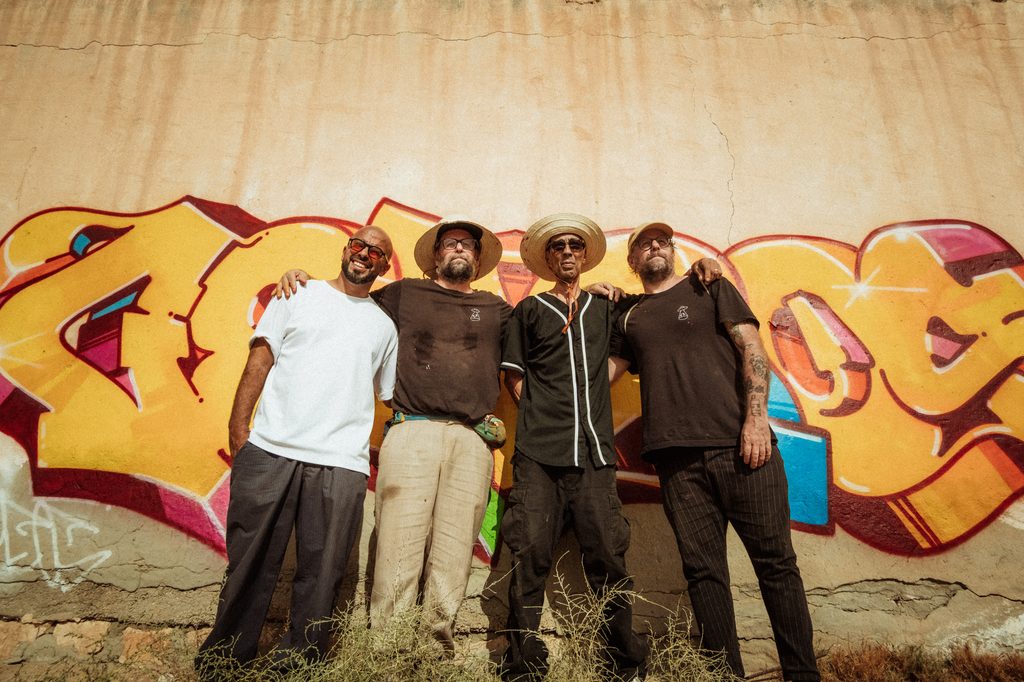
A different vision for Tunisia’s cultural future
The story emerging from Gabès invites a reconsideration of how Tunisia presents its cultural identity internationally.
The country possesses a rich artistic landscape extending from traditional crafts and architecture to cinema, contemporary painting, music, photography and street art. Yet its cultural visibility is not always matched by the scale of its creative talent or the diversity of its regions.
Projects such as Tacapae suggest another way of building international recognition. Instead of relying exclusively on large festivals or institutions, they create smaller environments in which artists can spend time together, encounter a place and develop relationships through shared experiences.
The olive grove becomes a meeting point between contemporary art and agricultural heritage. The harvest becomes a cultural gathering. A bottle of olive oil becomes an object through which artists can tell stories about a region, its people and its traditions.
This approach also places the Mediterranean at the centre of the conversation. The region has always been shaped by movement, exchange and overlapping cultural histories. Bringing artists from different countries into a setting such as Gabès creates an opportunity to explore those connections through contemporary practice.
For Tunisia, the value of such initiatives lies in the possibility of building international cultural relationships without losing sight of local identity.
Gabès as a place to begin
Futura 2000’s expected participation in eL Seed’s wider cultural vision illustrates the growing international interest surrounding Gabès. His career connects the city to the history of New York graffiti and the global evolution of contemporary street art, while Tacapae provides a framework through which art, agriculture and local heritage can interact.
The significance of this initiative, however, extends beyond any single artist or collaboration. It lies in the possibility of establishing a durable cultural presence in southern Tunisia, one that attracts international attention while creating meaningful opportunities for local communities.
Whether through artistic residencies, collaborative projects, exhibitions or encounters beneath the olive trees, Gabès is being imagined as a place where contemporary culture can develop on its own terms.
For eL Seed, the ambition is to bring the world to a place that has shaped his own identity. For the region, it offers an opportunity to tell a different story about its future, one in which agricultural heritage and contemporary creativity are not opposing forces but complementary parts of the same landscape.
The question now is whether this growing network of artistic encounters can develop into a lasting cultural ecosystem. If it does, Gabès could become an example of how international art can contribute to regional cultural life without erasing the local identities that make such places distinctive.
In southern Tunisia, the foundations of that vision are already visible among the olive trees of Temoula.
Sarah Ben Hafsia: The Cultural strategy behind Tacapae
Behind Tacapae’s meeting point between contemporary art, olive oil and Tunisian heritage is a broader question about how cultural projects are developed, communicated and sustained. Sarah Ben Hafsia, a Tunisian-based strategic and creative consultant working in the cultural and creative industries, is one of the professionals associated with the project.
She has also been involved in Tunisia’s wider creative entrepreneurship ecosystem. Her professional record connects her to CORE Creative Hub, an initiative supporting entrepreneurs in the cultural and creative industries. Her association with Tacapae brings this expertise into a project that operates across several fields.
This combination makes cultural strategy particularly relevant. A project such as Tacapae must communicate the value of its agricultural origins while developing an identity that resonates with artists, collectors and wider audiences.