Fatma Boussaha Albums: A Guide to Her Music and CDs
By Tunez Magazine ·
Fatma Boussaha’s recordings document an important period in Tunisian popular music. From her early albums with Phonie to later releases with Africa Cassette, her catalogue reflects the cassette era that brought mezoued and popular Tunisian songs into homes across the country.
This guide explores her key albums, known tracklists and digital editions, helping listeners discover her music and collectors identify the releases worth seeking out.
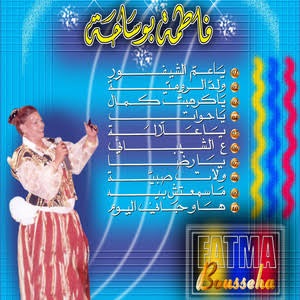

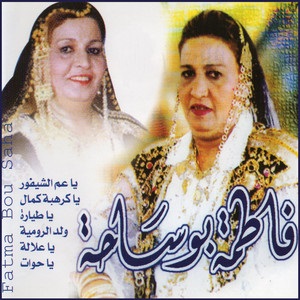
Fatma Boussaha’s early albums
Boussaha’s recording career gained momentum in the early 1990s. After appearing in Fadhel Jaziri’s stage production Nouba, she signed with Phonie and released four albums over six years.
The documented releases are Ahli Ghosbouni (1992), Ya Dam3et Ayni (1993), Ayyeh Mahleha Fiya (1994) and Hess El Kaless (1998). These titles mark the first phase of her commercial recording career.
The original cassette editions are particularly relevant to collectors. Digital catalogues sometimes list later editions under the same titles, so a streaming release date does not necessarily indicate when an album first appeared.
Fatma Boussaha albums from Africa Cassette
Boussaha joined Africa Cassette in 1998. Several later albums are now available through digital music services, offering an accessible way to explore her repertoire.
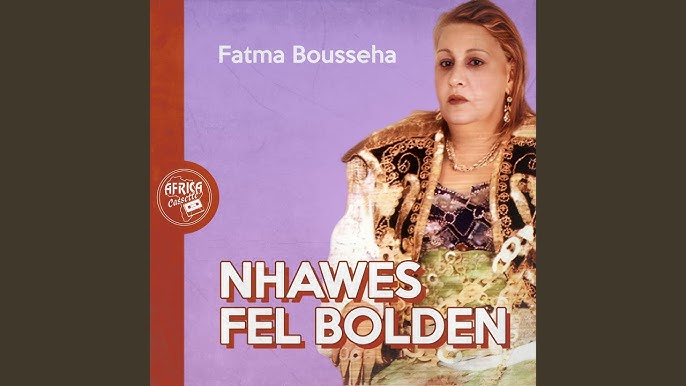
Nhawes Fel Bolden (2004)
The digital edition of Nhawes Fel Bolden lists seven tracks:
- El Robba
- Ya Lawej
- Tbia Omah
- Idek Alih
- Dour Bghafel
- Nhawes Fel Bolden
- Ya Tounes
The album provides a useful introduction to her recorded work from the 2000s. Its catalogue listing identifies Africa Cassette as the label and 15 October 2004 as the release date.
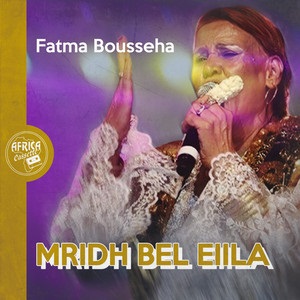
Mridh Bel Eiila (2006)
Mridh Bel Eiila contains seven tracks and runs for approximately 47 minutes in its digital edition.
Its tracklist includes Mridh Bel Eiila, Mabred Dama, Ma Ngoul Lhad, Chibeni Ma Ngueda, Koulou Lbaba, Chech Aakalha and Ness El Lamet.
For listeners exploring Fatma Boussaha’s albums, this release offers another entry point into her mid-career recordings.

Chibeni Ma Ngedah (2009)
The digital edition of Chibeni Ma Ngedah also contains seven tracks. Several titles overlap with those listed on Mridh Bel Eiila, including Mabred Dammah, Ma Nkoul Lhad and Koulou Lbaba.
This overlap makes exact editions worth checking when researching her discography. Differences in Arabic transliteration can also make the same song appear under different spellings across platforms.
Fatma Boussaha’s most recognisable songs
Several songs associated with Boussaha remain useful starting points for listeners unfamiliar with her albums. They include Ya Ammi Chifour, Ya Karhbet Kamel, Ya Allala, Ya Houwat, Achchibani Wassaa, Ouin Ybiou Fik and Dani Dani.
Ya Ammi Chifour stands out for its connection to an everyday incident that inspired the song, as recounted by the music publication Ma3azef. It illustrates how ordinary situations could become material for popular Tunisian music.
A digital edition titled Yaam El Chaufer, released by Tounsi Mazika in 2018, lists ten tracks. Among them are Yaam el chaufer, Ouled erroumiya, Ya karhabet kamel, Ya hawet, Ya Allala and Masmaatich bih.
The 2018 date refers to that digital edition, not necessarily to the original recordings.
Where to listen to Fatma Boussaha albums
Several platforms provide access to her music and album information:
- Apple Music: Browse her artist catalogue and available digital editions.
- Anghami: Search for Fatma Boussaha and explore her available recordings.
- Qobuz: Consult album metadata and tracklists for selected releases.
- Amazon Music: Check individual album pages for track information.
Collectors looking for original Fatma Boussaha CDs or cassettes should verify the physical format, label, catalogue number and cover before purchasing. A digital album listing alone does not confirm that a matching CD edition exists.
Preserving Fatma Boussaha’s recorded legacy
Fatma Boussaha died on 27 October 2015. Her recordings remain part of Tunisia’s popular music history, particularly the cassette culture that shaped how audiences discovered and shared songs.
Her discography also raises an archival question: how many original releases, alternative editions and track sequences remain undocumented online?
Comparing surviving cassettes with modern digital listings can help establish a more reliable record of her work. Until that comparison is complete, original release dates and physical formats should be distinguished carefully from later reissues.
For listeners, the albums associated with Phonie and Africa Cassette provide a starting point for exploring Boussaha’s repertoire. For collectors, they offer a reason to look beyond streaming platforms and examine the original recordings themselves.