The golden age of Tunisian music recording: inside the radio and television studios of the 1960s and 1970s
By Tunez Magazine ·
During the 1960s and 1970s, the studios of Tunisian National Radio and Television became important spaces for the creation, performance, recording and preservation of Tunisian music. Singers worked with orchestras, composers developed new arrangements, and traditional musical repertoires were recorded for broadcast and archival preservation. The surviving recordings offer a way to understand how Tunisia’s musical culture developed during the first decades after independence.
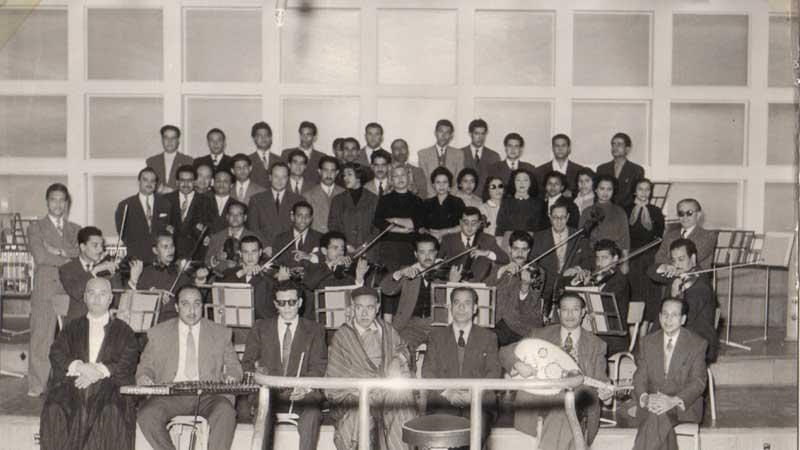
The radio orchestra and Tunisia’s musical scene
Radio Tunis had been broadcasting since the late 1930s, providing musicians with a platform long before Tunisia became independent in 1956. After independence, the national broadcaster continued to play a central role in musical life, bringing performers and instrumentalists together and making their work available to audiences across the country. Research on Radio Tunis documents how live musical performances and scheduled broadcasts contributed to the circulation of Tunisian music.
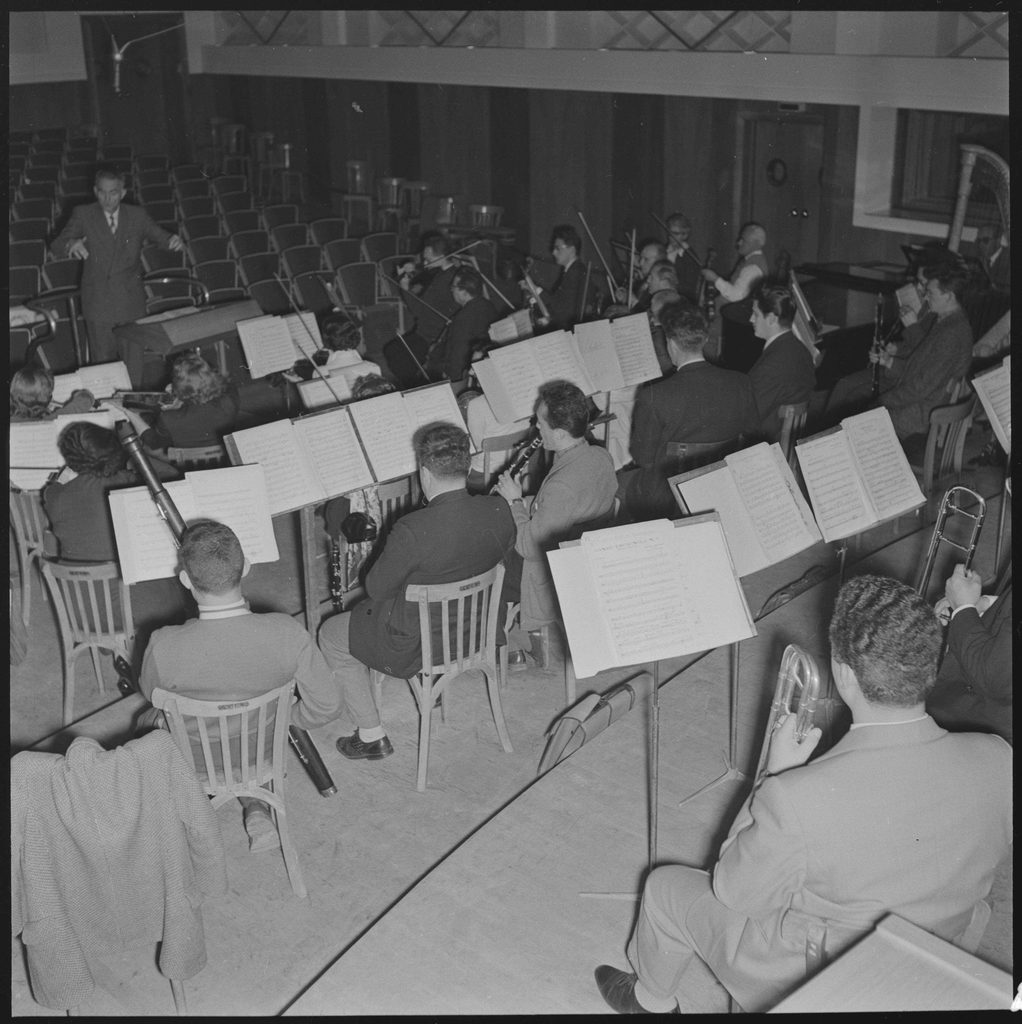
By the 1960s, the orchestra of Tunisian Radio and Television was a significant part of the country’s musical production. Rather than relying exclusively on individual singers and commercial record releases, the broadcasting institution could bring together professional musicians to accompany vocalists, perform instrumental compositions and prepare music for radio and television programmes.
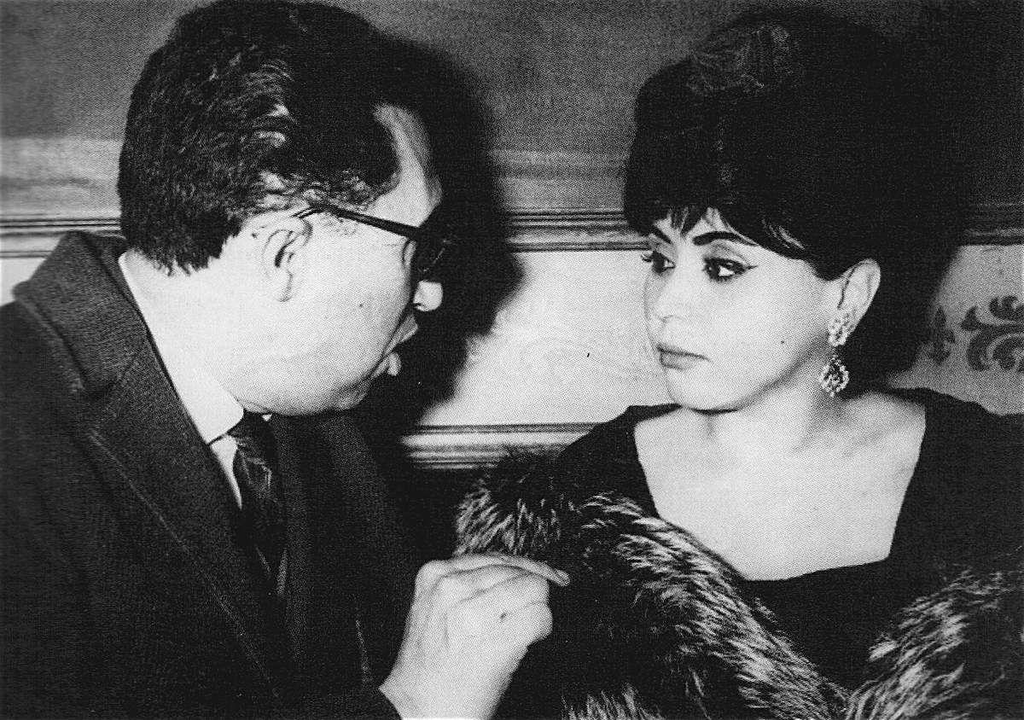
The surviving recordings illustrate the range of this work. An archival entry for a Radio Tunis recording from the 1960s documents the singer Oulaya performing a qasida and Hédi Jouini performing a song, both accompanied by the radio orchestra. It is a small but revealing example of how the institution connected different generations and styles of Tunisian popular music within the same recording environment.
The musicians, arrangers and composers associated with this wider musical scene included Salah El Mahdi, Ridha Kalaï, Kaddour Srarfi, Ali Chalgham, Chedly Anouar and Abdelhamid Sassi. Singers such as Naâma, Oulaya, Zouheïra Salem, Soulef, Safia Chamia and Choubeila Rached became associated with the period’s evolving repertoire. These careers formed part of a musical environment in which orchestral accompaniment and broadcast performance played an important role.
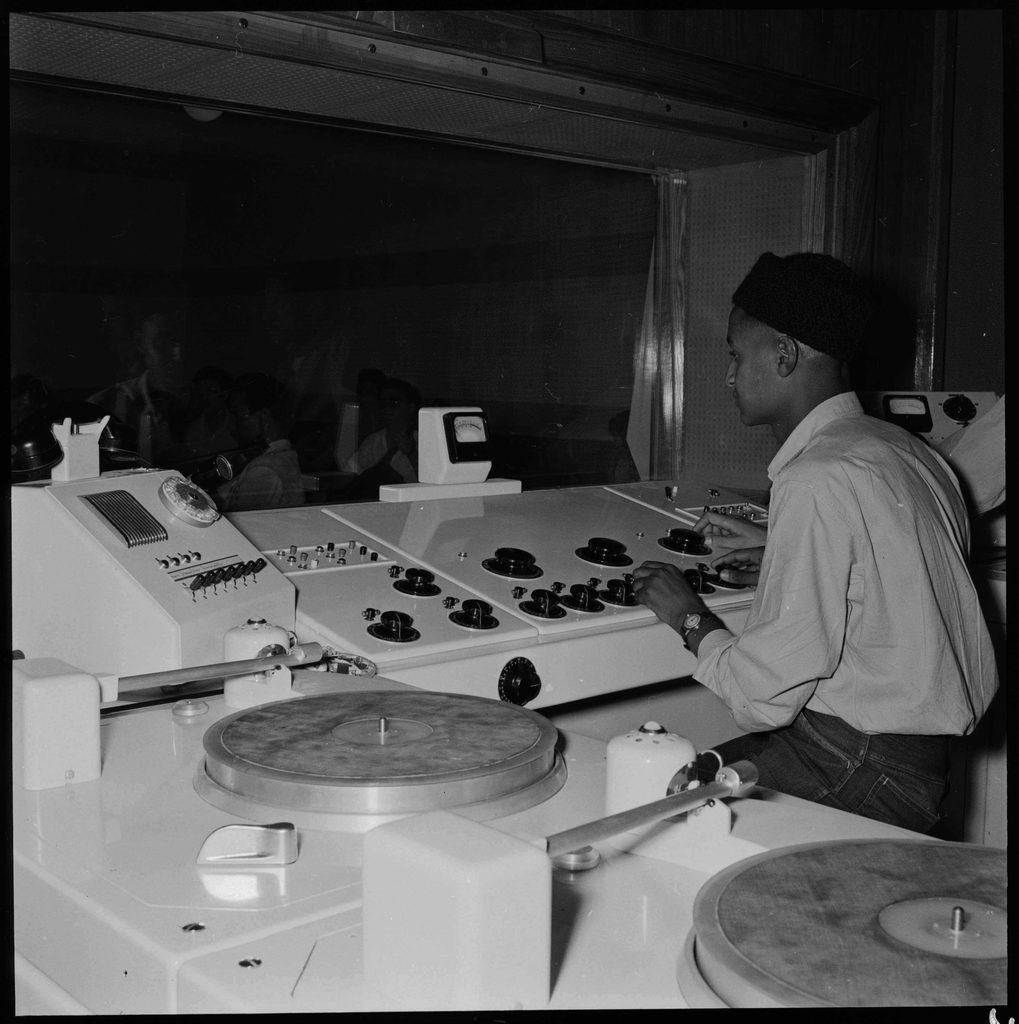
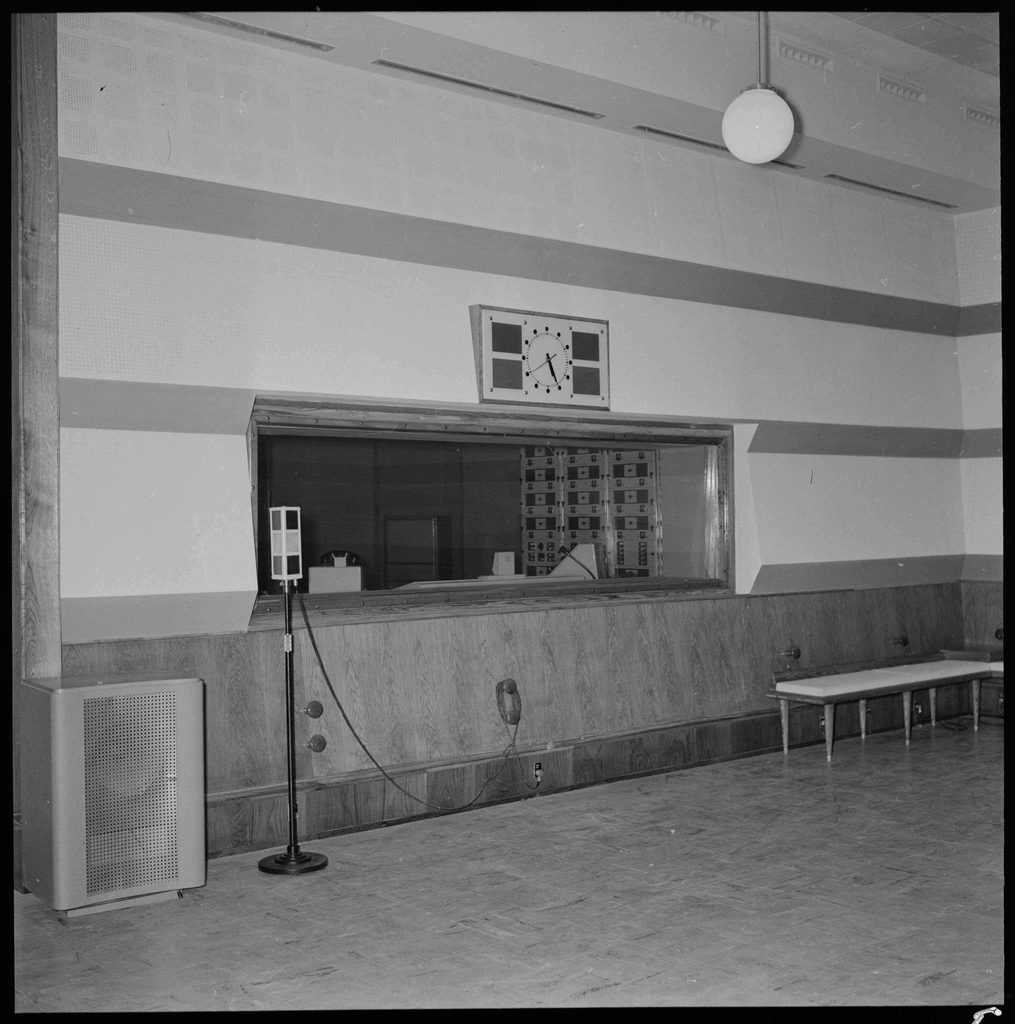
Inside the recording studios of Tunis
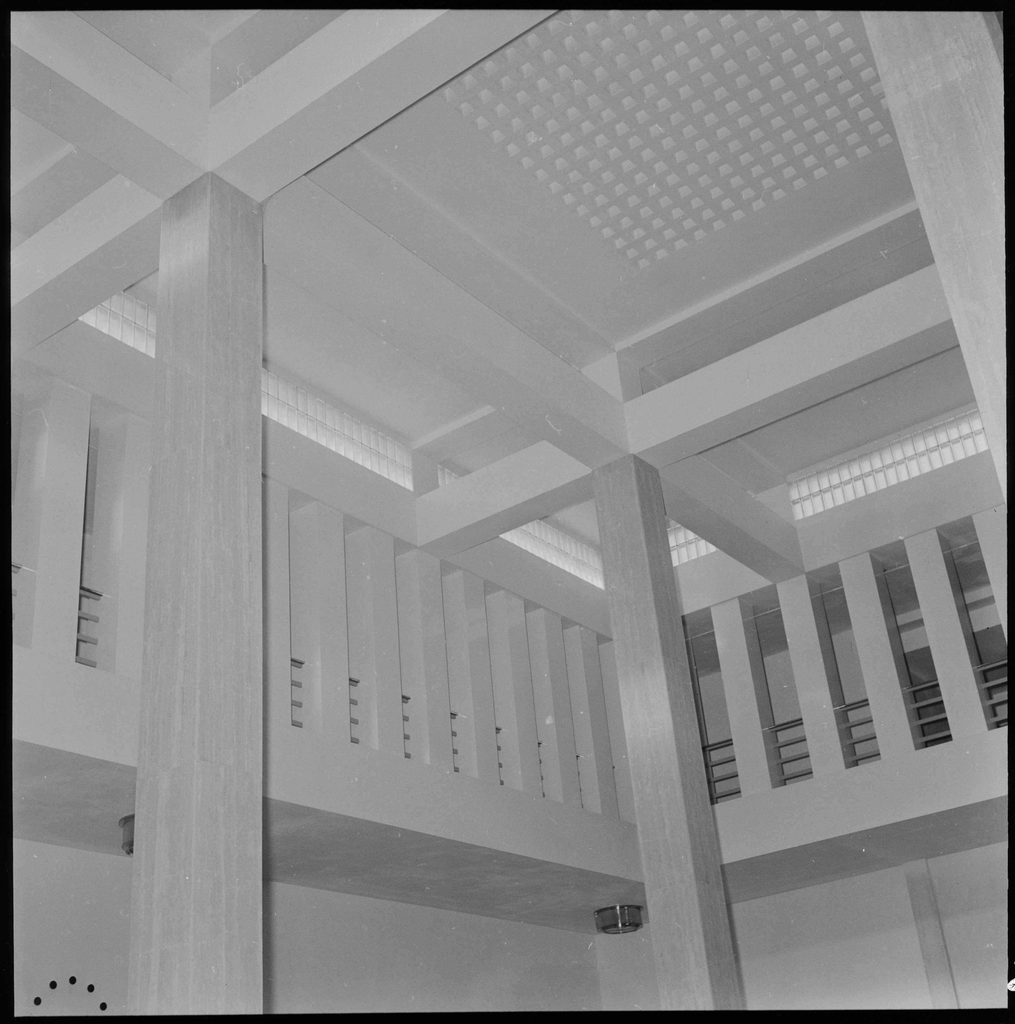
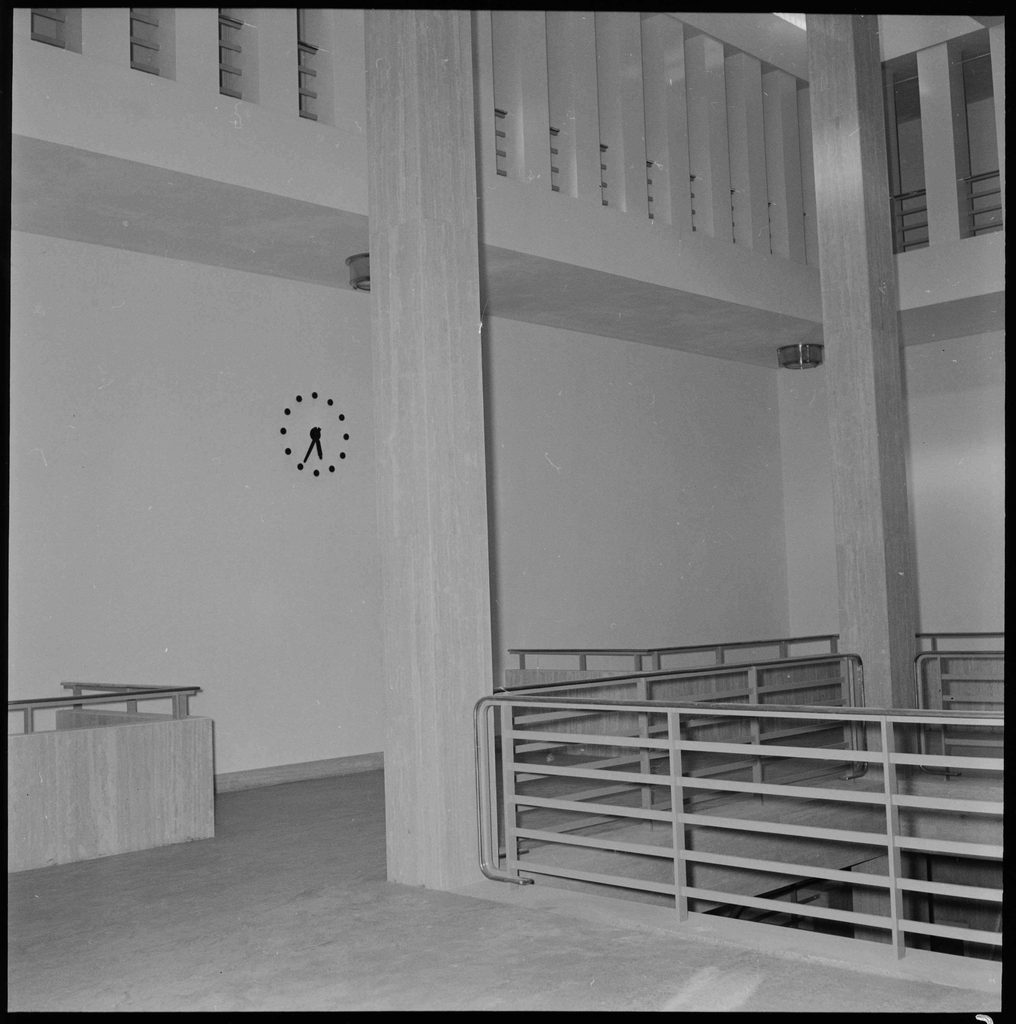
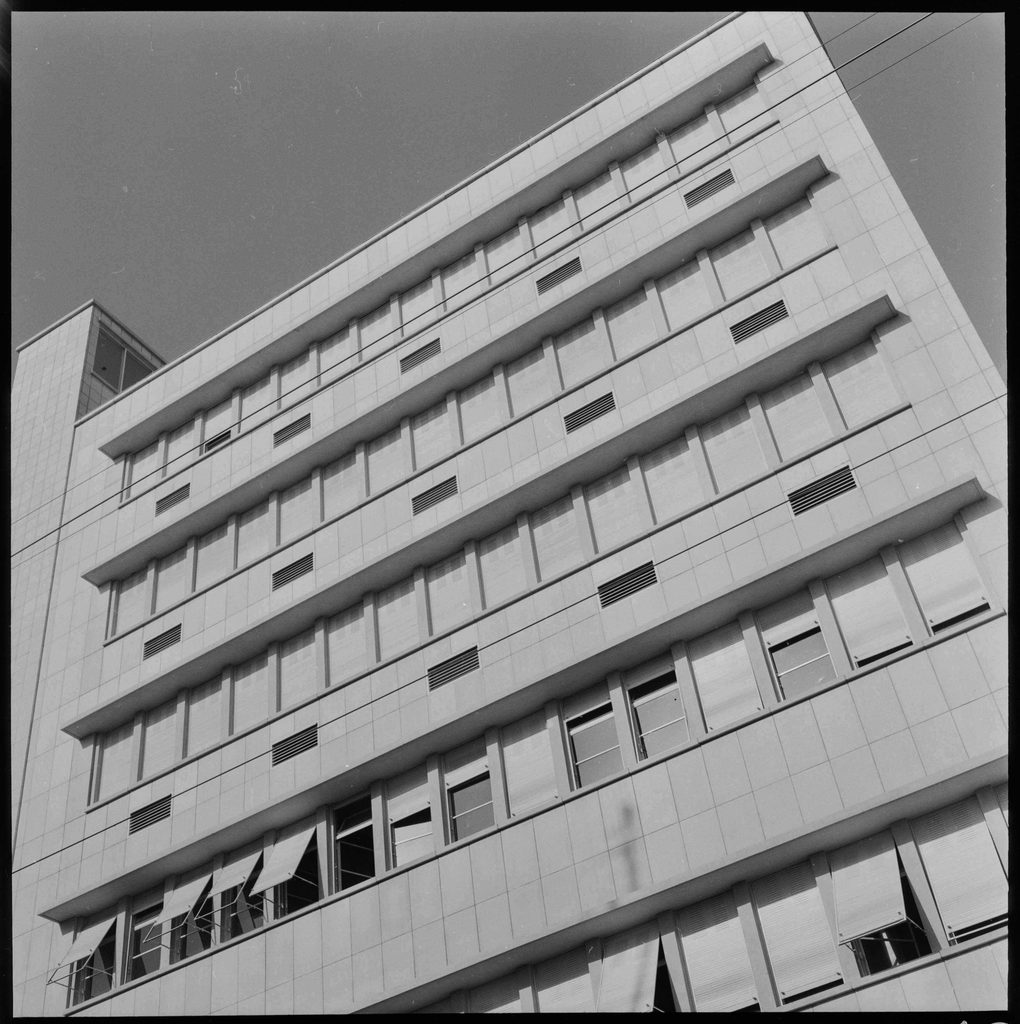
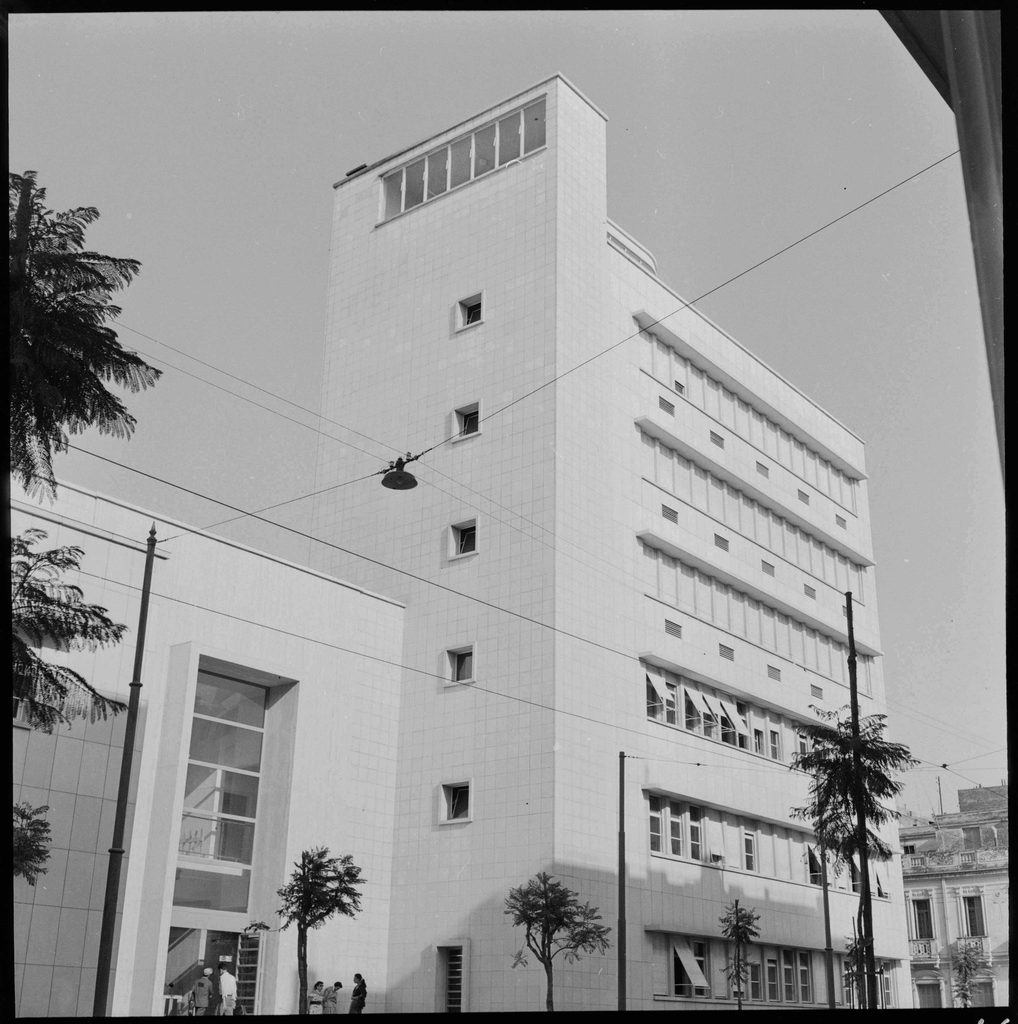
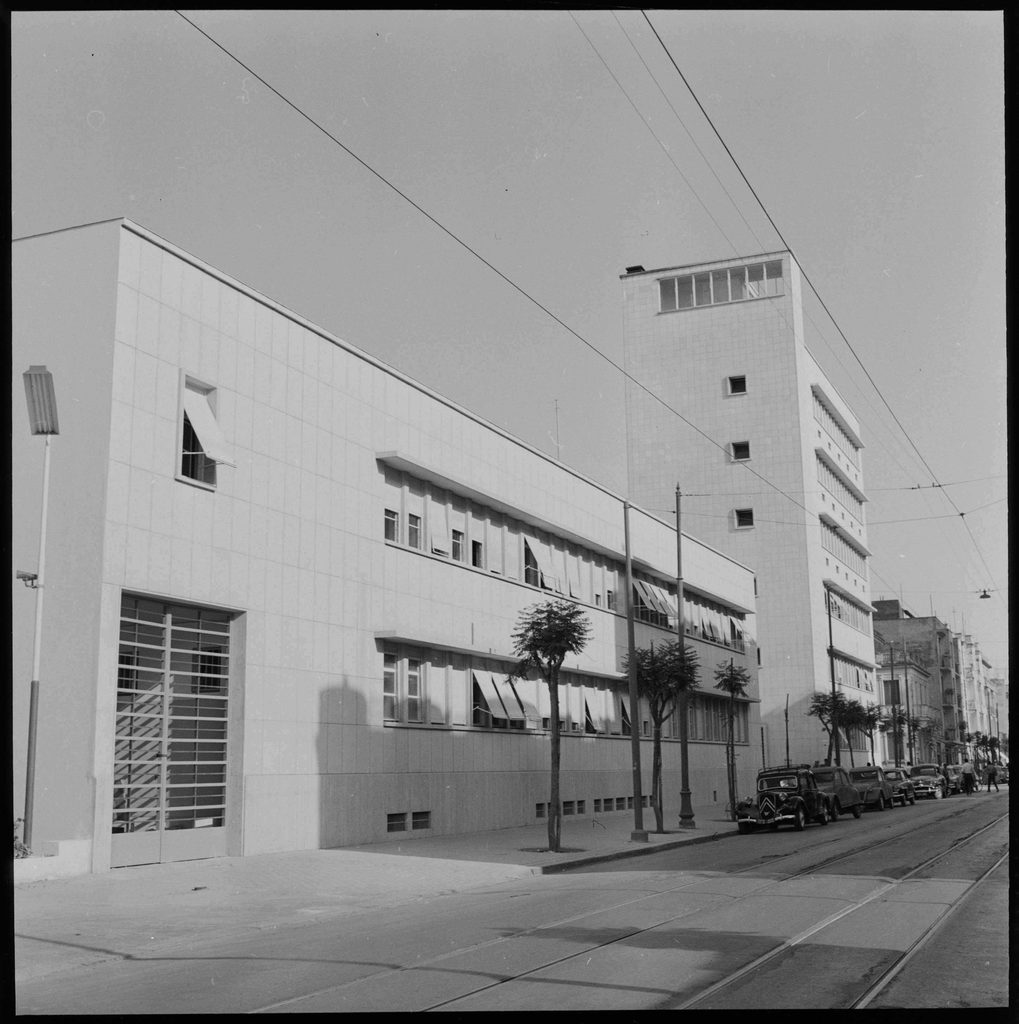
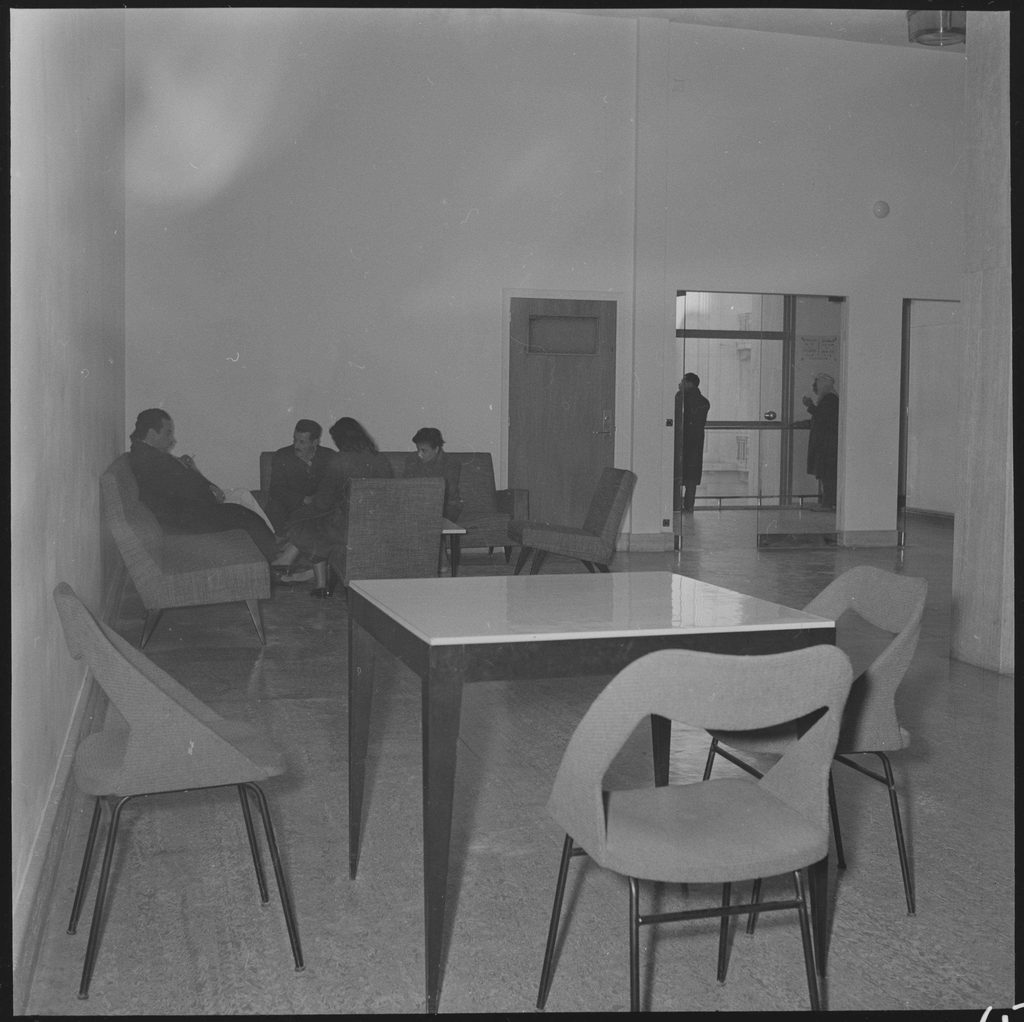
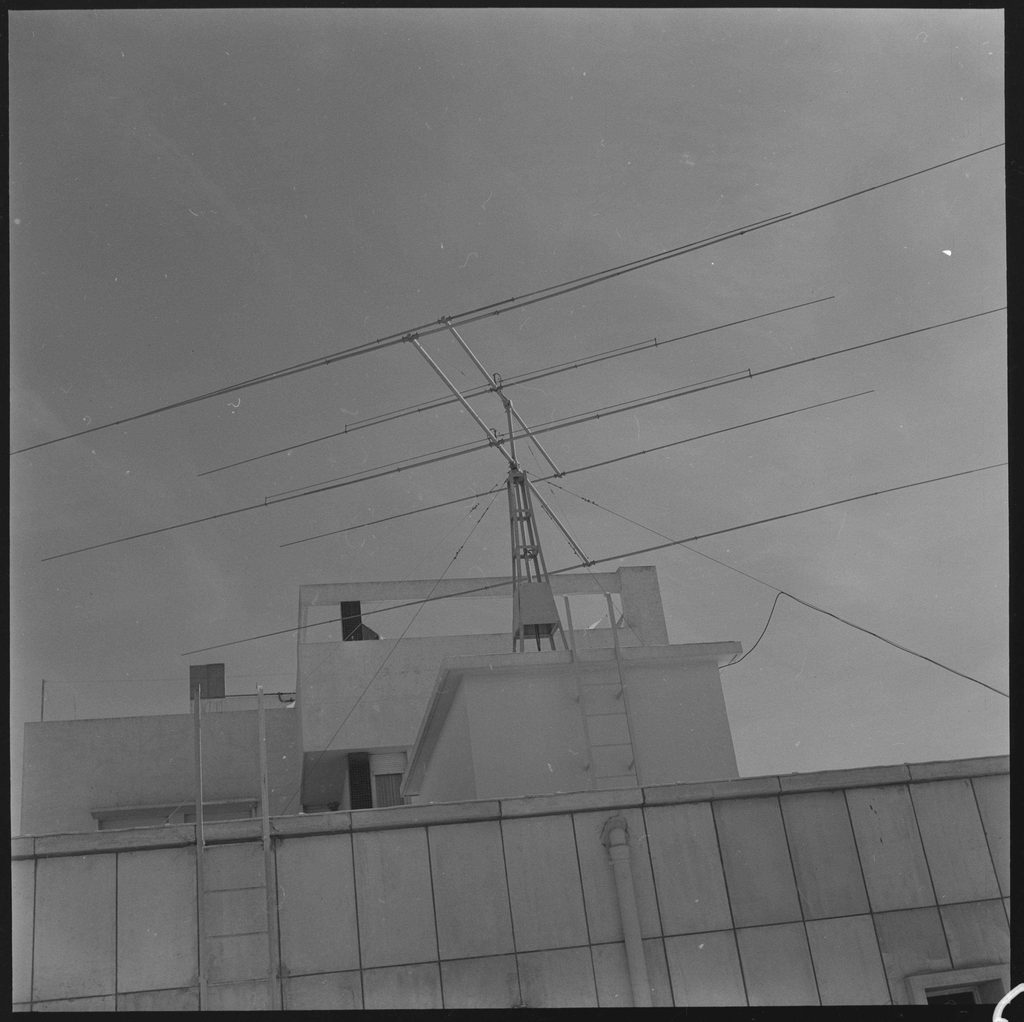
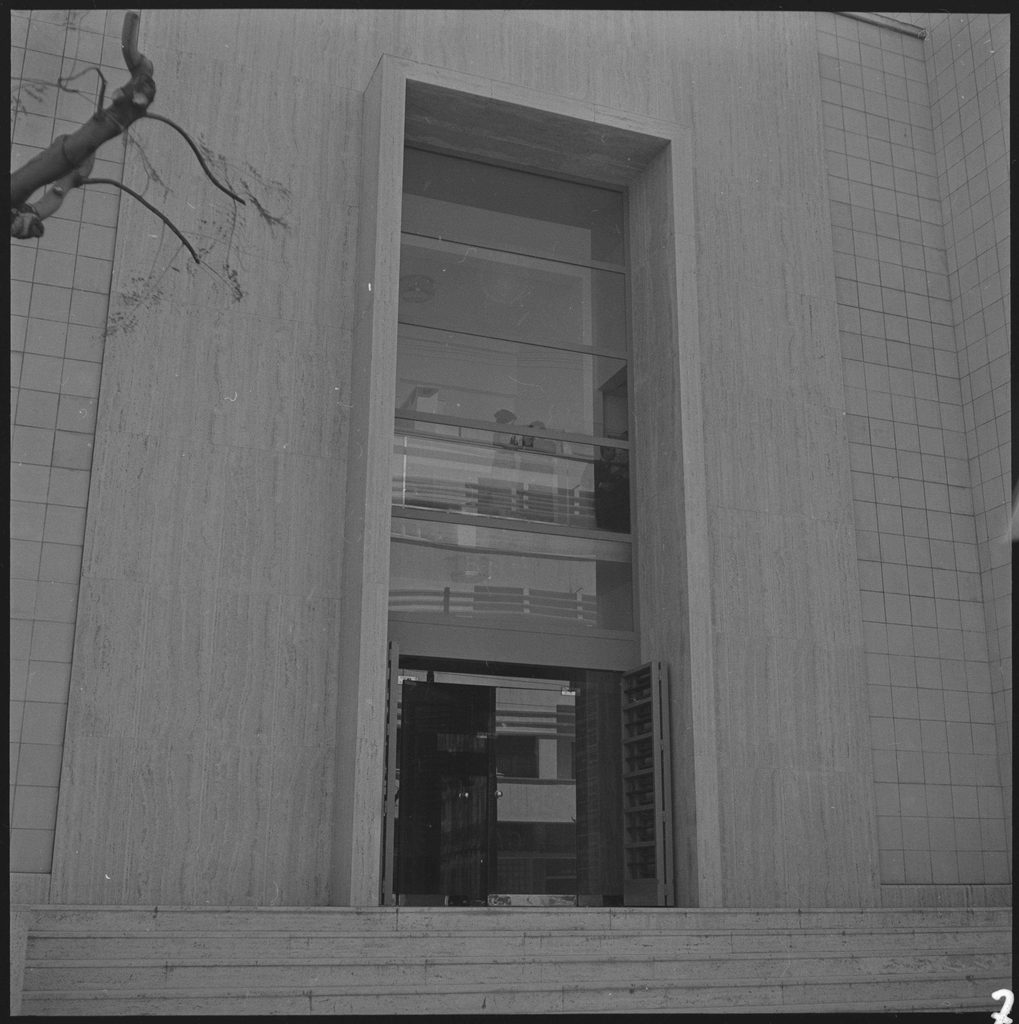
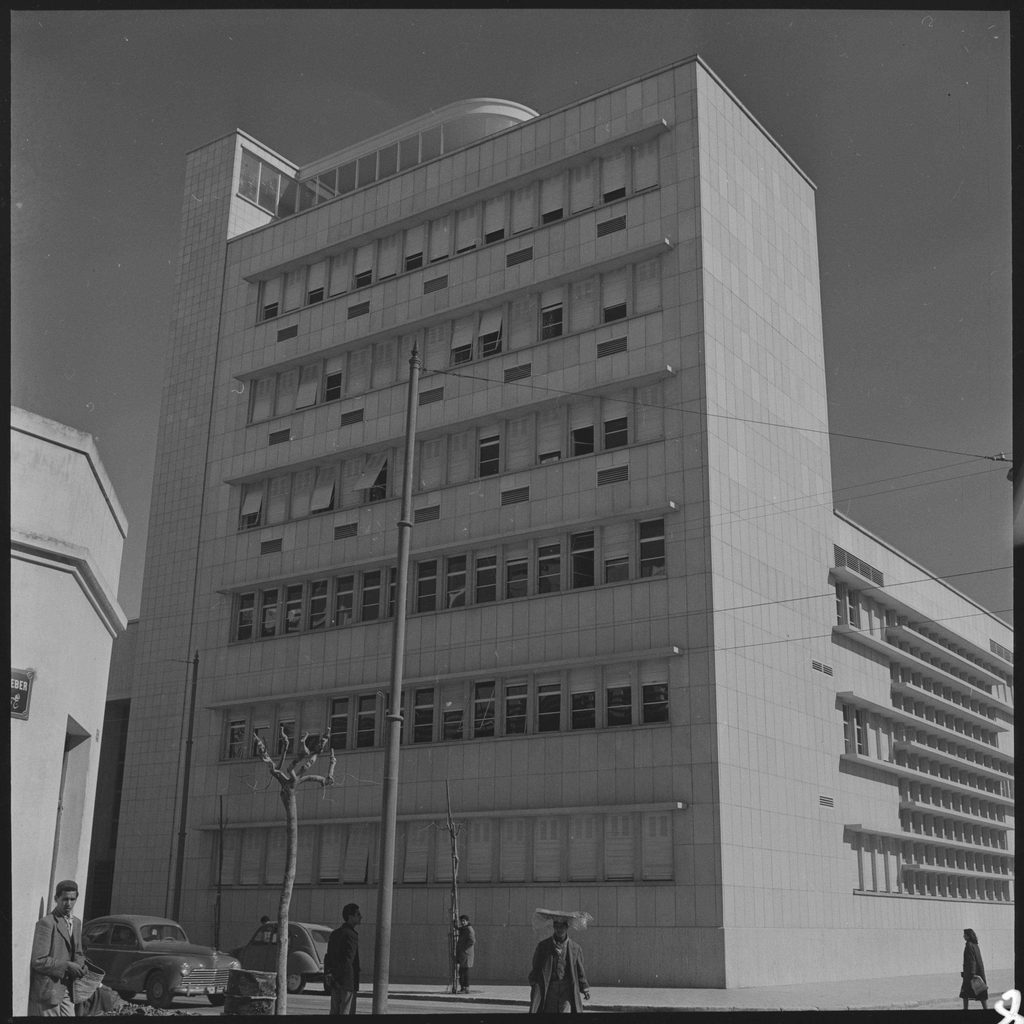
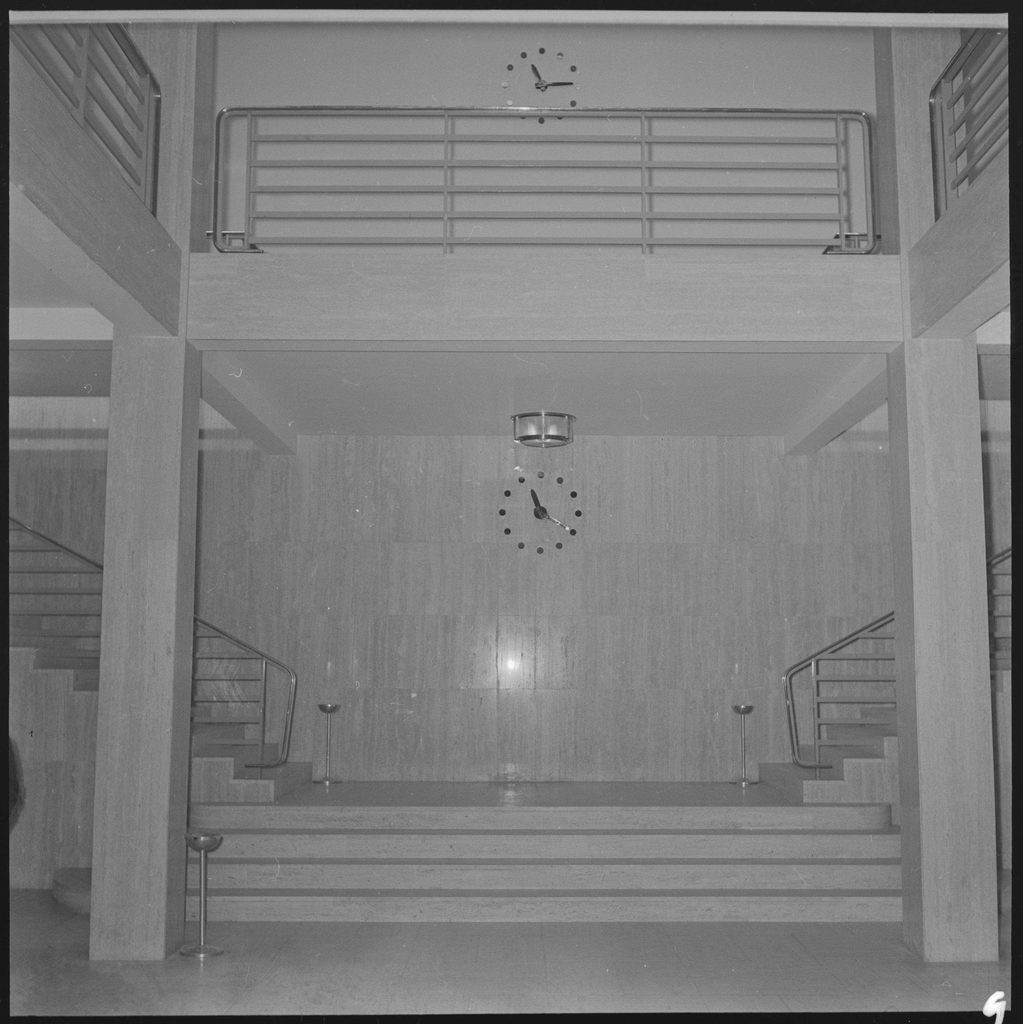
The Maison de la Radio Tunisienne was more than a place from which programmes were transmitted. Its different studios served distinct functions, including live broadcasts, recorded programmes, drama and music. Historical descriptions of the building identify Studio 5 as a large studio originally intended for Arabic music recording, while Studio 8 was converted from a French-language drama auditorium into a music recording studio during the 1960s. Studio 9, a large auditorium, was converted into a television studio in 1965.
These details help establish the physical setting in which Tunisian broadcasting developed. The studios were working environments where performers could assemble, rehearse, record and prepare material for audiences who might never see the musicians in person.
However, the history of the building should not be confused with the history of every recording made by the national broadcaster. The existence of a music studio does not establish that a particular song was recorded there. Confirming the room used for an individual session requires production documents, tape annotations, studio logs or testimony from people involved in the recording.
The distinction matters because the surviving sound archive contains recordings from different dates, productions and collections. The broader story is well documented, but reconstructing each session requires closer examination of the original records.
From malouf to the modern Tunisian song
One of the most important functions of Tunisian Radio was the preservation and performance of malouf, the Tunisian tradition of Arab-Andalusian music. This repertoire, built around structured instrumental and vocal sequences known as noubas, required musicians familiar with its modes, rhythms and established performance conventions.
The national radio orchestra helped document this tradition through recordings that survive today in archival collections. In 1960, the orchestra and choir of Tunisian Radio recorded the Nûba al-Iraq and Nûba al-Ramal, with Abdelhamid Bel Eljia directing the ensemble. The recordings feature musicians including Khemaïs Tarnane on the oud and Mohamed Saâda on the nay, while Kaddour Srarfi is credited on violin for the Nûba al-Ramal. These recordings were subsequently made available through the Tunisie: Anthologie du Malouf collection.
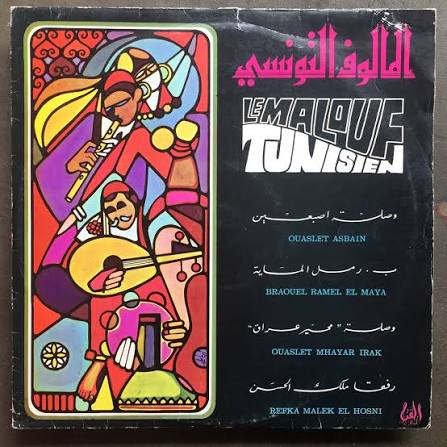
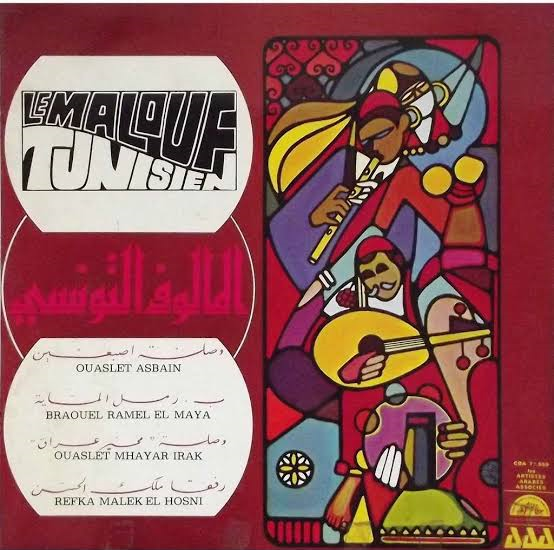
This work was part of a wider effort to preserve Tunisian musical heritage through institutional recording. An archival description of the national radio orchestra explains that 13 noubas were recorded between 1959 and 1962 under Abdelhamid Bel Eljia, following instructions from Chedli Klibi, then director of Tunisian Radio. The project included the Nûba Raml al-Maya and was specifically intended to preserve the country’s musical heritage.
The recording of traditional music existed alongside the development of contemporary Tunisian songs. Composers worked with established melodic and rhythmic traditions while creating arrangements for singers whose music circulated through radio programmes, television appearances and other forms of distribution.
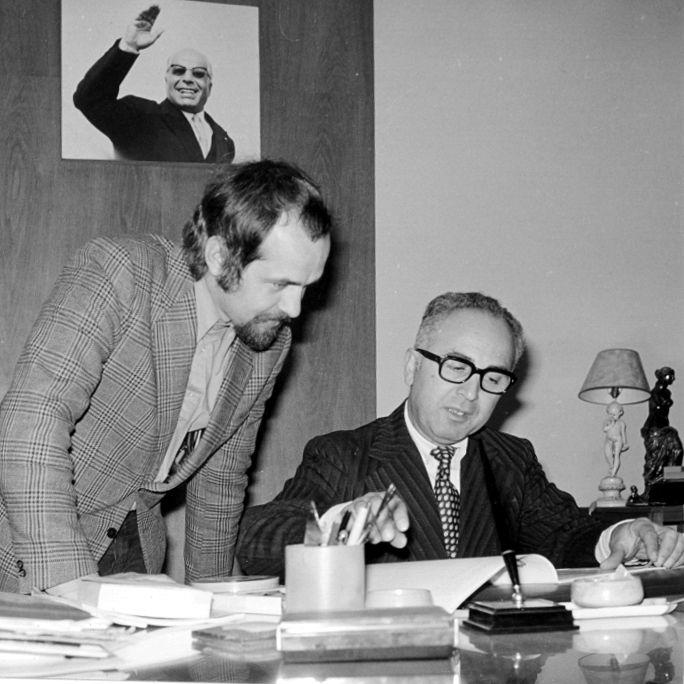
Salah El Mahdi was one of the figures connecting these activities. His work included compositions and arrangements for traditional repertoires, while the radio archive preserves material featuring his musical contributions. Other musicians, including Kaddour Srarfi and Ali Chalgham, were part of the broader generation of composers contributing to Tunisian musical production during the period.
The singers whose voices travelled across Tunisia
For singers, working with the national radio orchestra offered access to professional instrumental accompaniment and an established broadcasting platform. Their performances reached listeners well beyond the venues where music was played live.
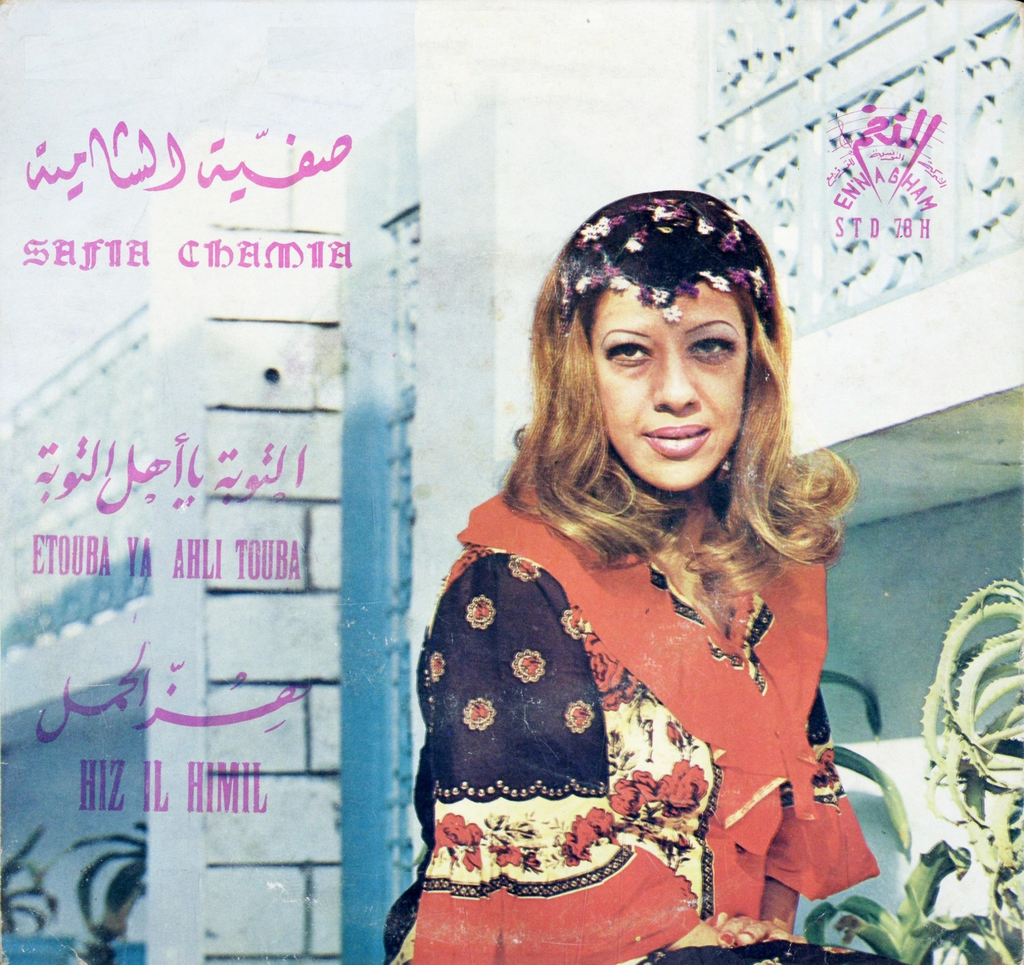
Naâma, Oulaya, Zouheïra Salem, Soulef, Safia Chamia and Choubeila Rached were among the women whose careers formed part of this musical landscape. Their names appear in accounts of the generation of singers associated with the development of Tunisian popular song during the 1960s and 1970s. Male singers, including Hédi Jouini and Youssef Temimi, also belonged to a scene in which composers, instrumentalists and singers worked within a shared musical ecosystem.
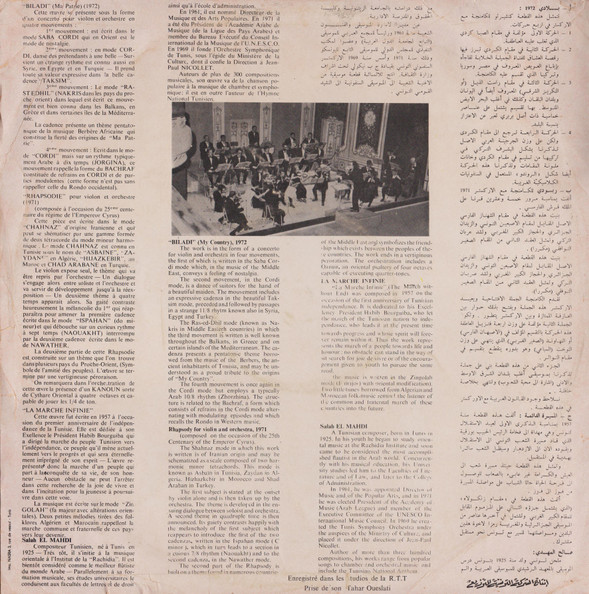
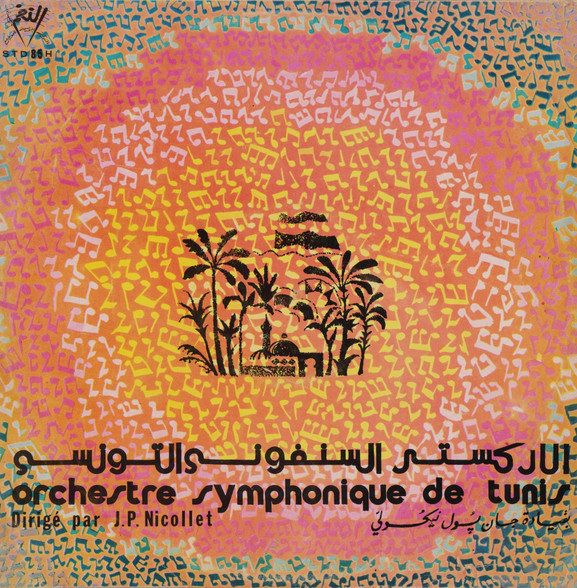
The relationship between a singer and the radio orchestra was significant because a song was not simply a voice captured by a microphone. Instrumentalists provided accompaniment, while arrangements shaped the relationship between melody, rhythm and vocal interpretation. The surviving archive shows that radio productions encompassed vocal songs, instrumental performances, traditional compositions and more elaborate orchestral works.
The exact working methods varied between productions, and the surviving records do not provide a complete account of every musician, engineer or recording session. Nevertheless, the recordings establish that the national broadcaster was directly involved in producing music, rather than merely retransmitting performances created elsewhere.
Television brought music into the living room
Radio established the institution’s role in recording and circulating music, while television introduced another dimension: the visual performance.
The conversion of Studio 9 into a television studio in 1965 provides a documented point in the development of Tunisian broadcasting infrastructure. It illustrates how spaces originally designed for radio programmes and public performances were adapted as television production expanded.
Television could present singers and musicians as visible performers, connecting a song with a face, an ensemble and a particular stage or studio setting. This differed from radio listening, where audiences encountered the music primarily through sound.
However, television production and music recording should not automatically be treated as the same activity. A televised performance might be recorded for broadcast, filmed with sound captured separately, or presented live. The precise methods used for particular Tunisian programmes in the 1960s and 1970s would need to be established through production records and surviving footage.
What can be established is that radio and television operated within the same wider national broadcasting environment, and that the musical output of this period included both audio recordings and performances associated with television production.
The technology behind the recordings
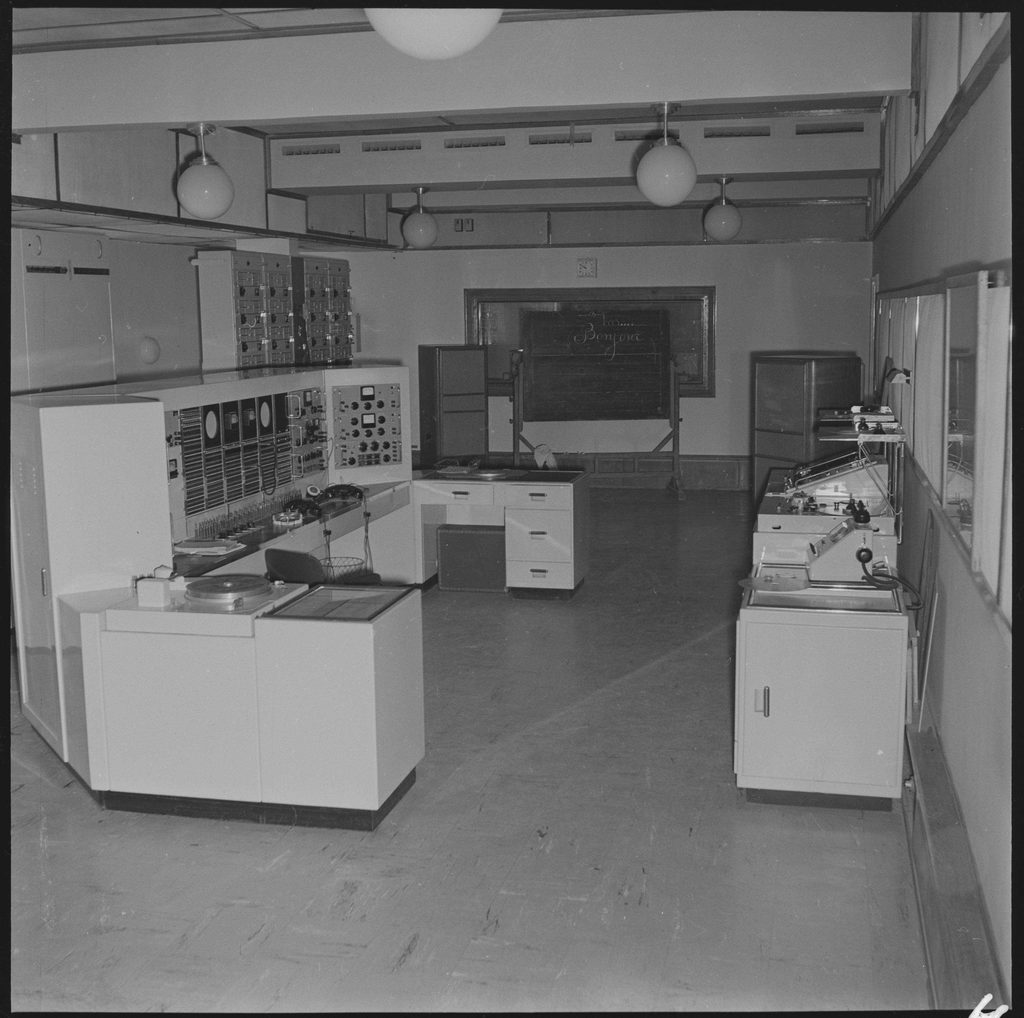
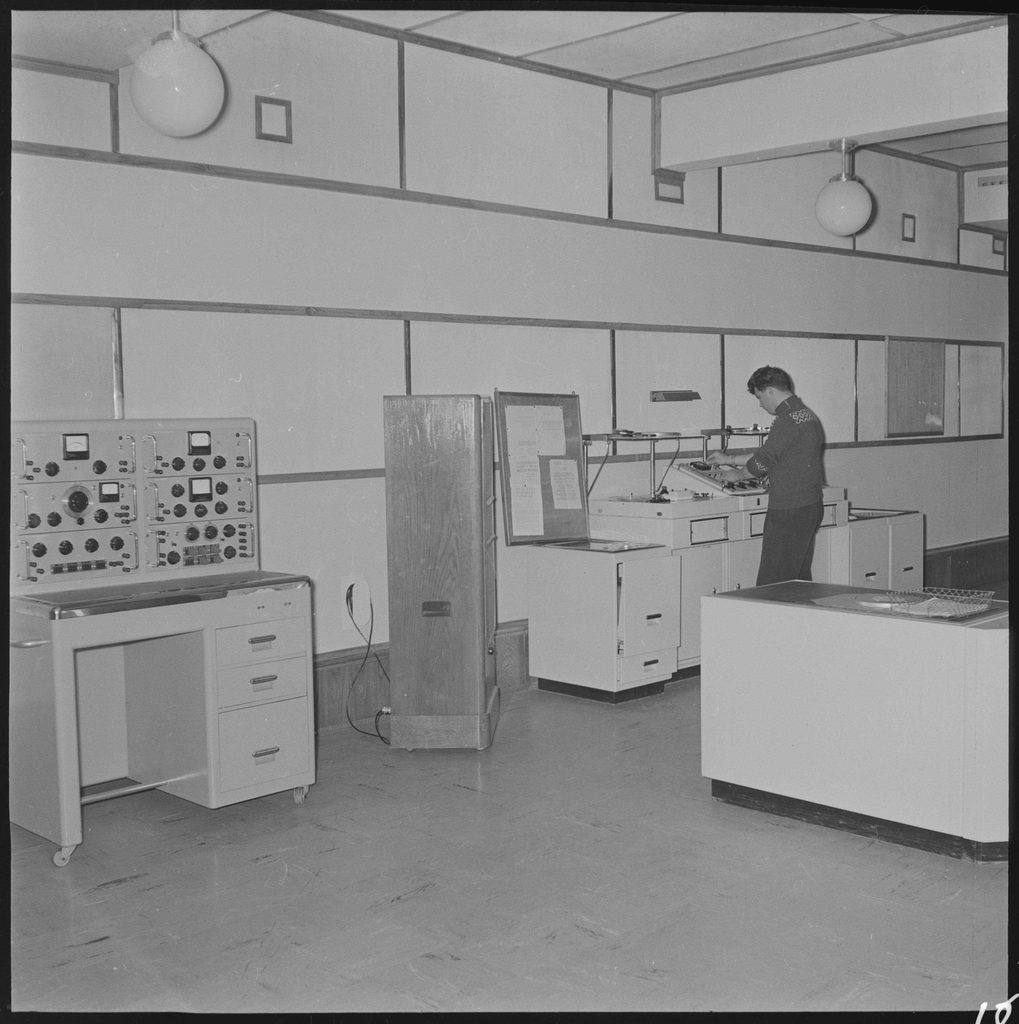
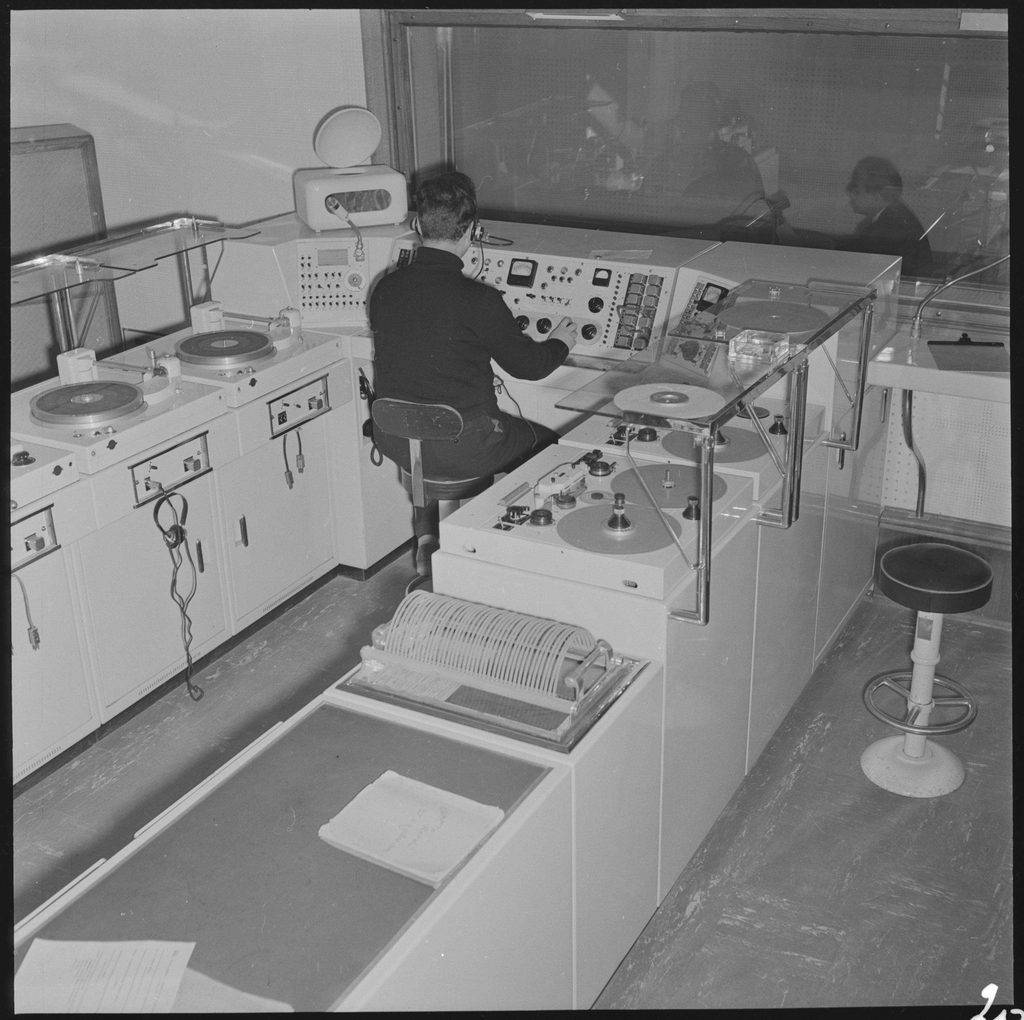
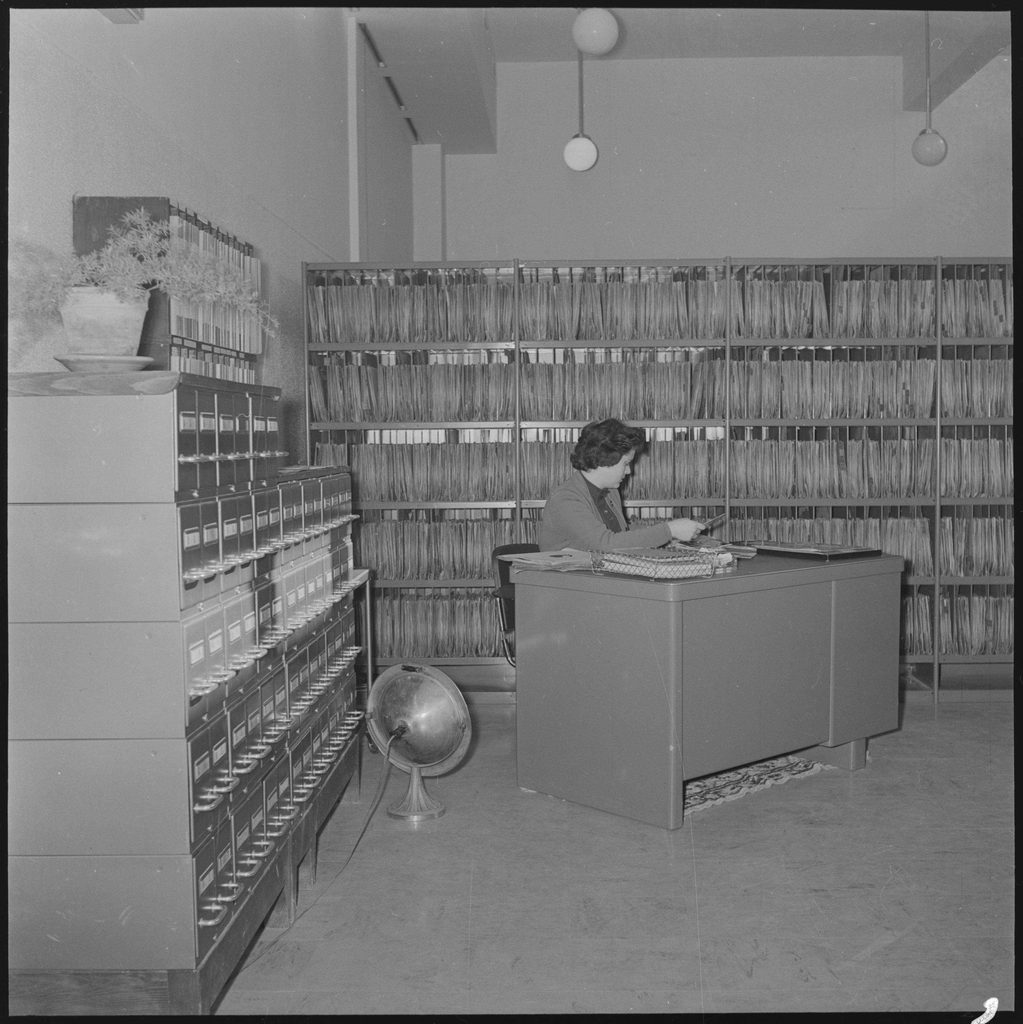
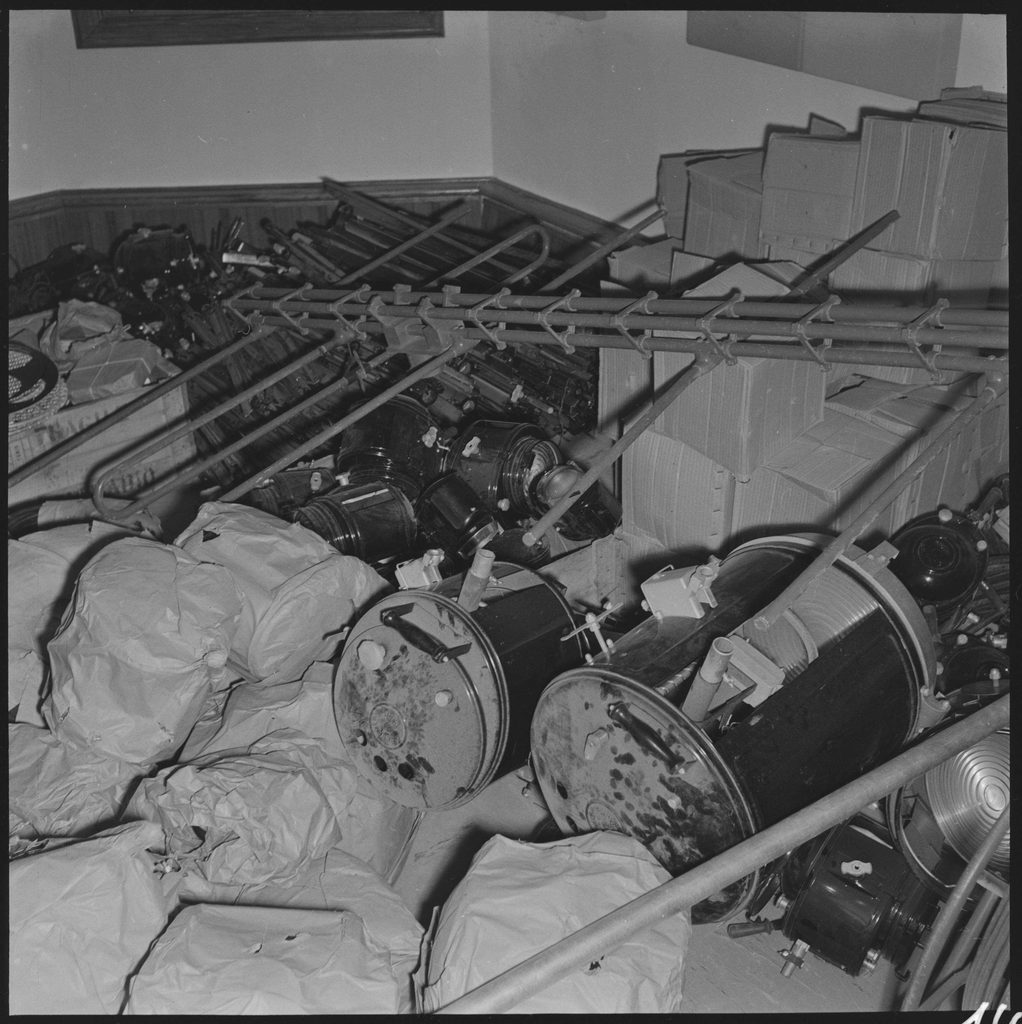
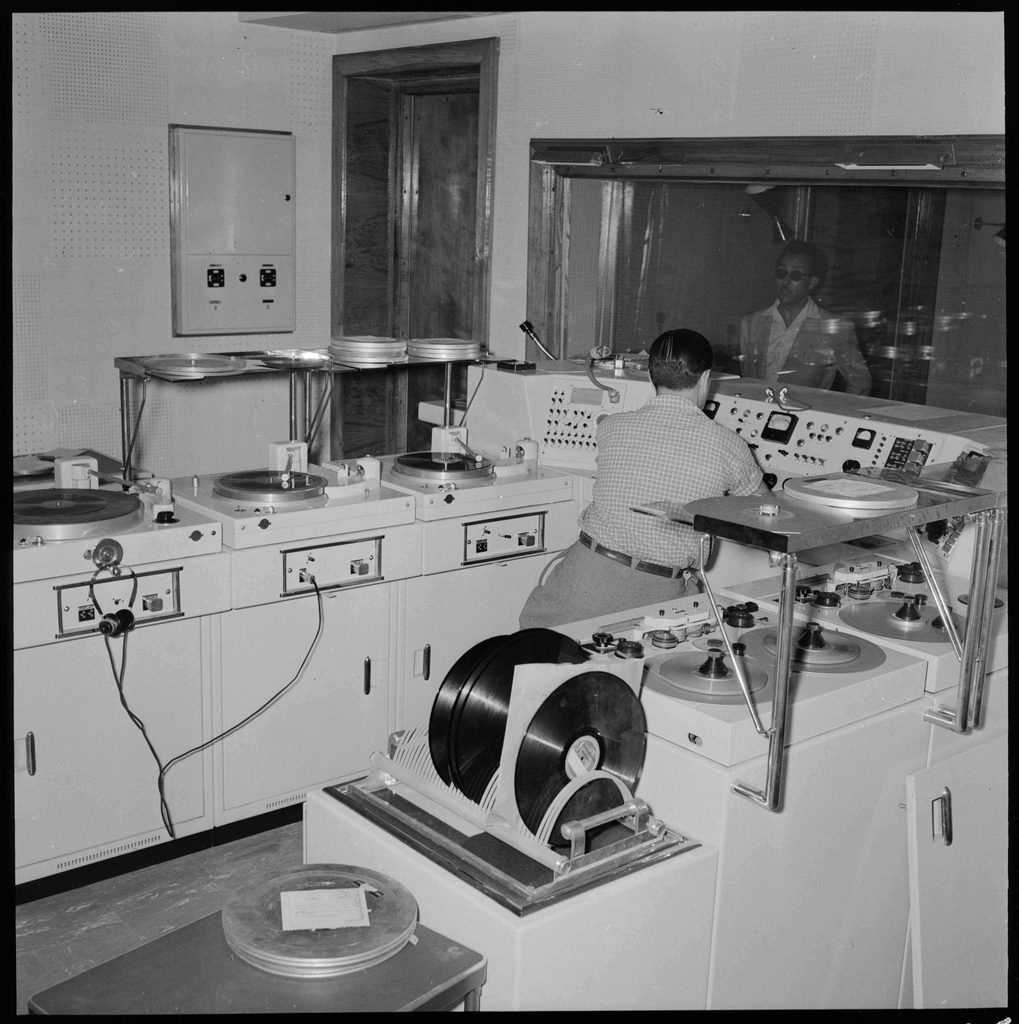
The history of these studios is also a history of sound preservation. Magnetic tape became an important medium for storing musical performances, radio programmes and cultural documentation. Unlike a live broadcast that disappeared once transmitted, a recorded performance could be retained, copied, rebroadcast or transferred into another format.
The Tunisian National Phonotheque’s collection descriptions identify magnetic tapes containing field recordings of Tunisian musical heritage made during the 1960s and 1970s. Its holdings also include collections of recordings associated with cultural events, festivals and artistic activities, with material transferred to the institution from the National Cultural Committee in 1995. That collection included 560 magnetic tape reels and 151 videocassettes, with the oldest recording dating to 1962.
These holdings are important because the history of Tunisian music cannot be reconstructed solely from commercial records or published discographies. Broadcast tapes can preserve performances, spoken introductions, instrumental passages and versions of songs that may differ from later releases.
The physical condition of the material, its labelling and its accompanying documentation all affect what researchers can establish. A tape may identify the broadcaster and the repertoire without identifying every performer or specifying the exact studio where it was recorded.
The preservation of these recordings therefore involves more than keeping old equipment or collecting vintage photographs. It requires cataloguing the recordings, identifying the people and works represented, documenting their origins and making the material accessible where rights permit.
The archives that preserve this period
Several archival resources offer starting points for exploring this history.
The Tunisian National Phonotheque maintains collections of recordings documenting Tunisian musical heritage. Its holdings include recordings collected in the 1960s and 1970s and material transferred from cultural institutions. Its online presentation provides information about the collections and their origins.
The Centre des Musiques Arabes et Méditerranéennes makes archival metadata available through its Telemeta platform. Its collection of recordings from Tunisian radio and television includes historical magnetic tapes, while individual entries document songs, orchestral performances and traditional repertoires.
Among the particularly useful records is the entry for Chansons tunisiennes, documenting a radio recording featuring Oulaya and Hédi Jouini with the radio orchestra. Another entry describes recordings of Tunisian heritage songs made by the orchestra during the 1950s and 1960s as part of an effort to collect and preserve the repertoire.
The archives also document discussions about the role of national broadcasting in musical development. A recording dated 6 December 1971 concerns a national cultural consultation on music and popular arts, where participants discussed the role of national radio in promoting Tunisian music. It demonstrates that the broadcaster’s cultural responsibilities were a subject of discussion at the time, not simply a matter of later historical interpretation.
These records offer a way to move beyond general accounts of Tunisia’s musical golden age. They provide names, dates, repertoire descriptions and institutional details that can be checked against recordings and other historical documents.
Research sources
- Tunisian National Phonotheque — institutional collection and preservation history.
- Telemeta: Tunisian Radio and Television recordings — archival catalogue of broadcast recordings.
- Telemeta: Tunisian songs featuring Oulaya and Hédi Jouini — record of a radio orchestra recording from the 1960s.
- Médiathèque Nouvelle: Nûba al-Iraq — documentation of the 1960 malouf recording.
- Academic research on Radio Tunis and Tunisian musicians — historical research into broadcasting and musical life.