



Bata in Tunisia, the shoe that walked with generations
Long before global fashion brands flooded the Tunisian market, one name quietly shaped everyday life across the country: Bata. For decades, it wasn’t just a shoe brand. It was a reflex, a default choice, almost a social constant.
The story of Bata in Tunisia starts earlier than most people think. As early as the late 1920s, the brand was already exporting shoes to the country, with the first stores opening in 1932 across cities like Tunis, Sfax, Sousse and Bizerte. This rapid expansion wasn’t accidental. Bata positioned itself with a simple promise: accessible prices and reliable durability.
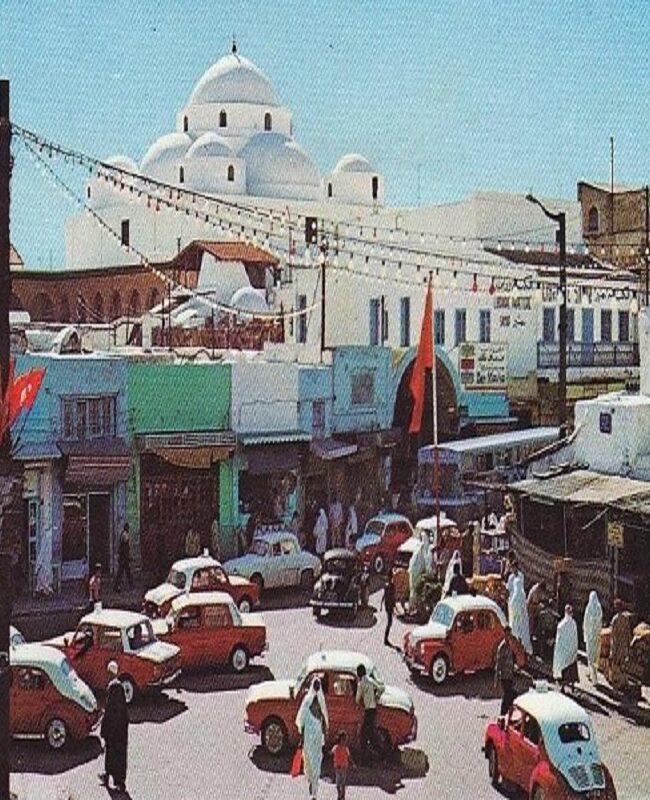
By the mid-20th century, that promise had turned into dominance. After the Second World War, the company deepened its presence by establishing local production, including a factory in Djebel Djelloud. At a time when Tunisia’s economy was still structured around craftsmanship, Bata stood out as one of the rare industrial players in footwear.
Yet its real strength wasn’t just industrial. It was cultural.
In post-war Tunisia, practicality mattered. Families valued resilience, both in people and in the objects they owned. Shoes were expected to last, to be repaired, to survive daily wear. Bata fit perfectly into that mindset. Affordable enough for most households and sturdy enough to justify the expense, it became the obvious choice for parents buying for their children.
The slogan “Pas un pas sans Bata” was more than marketing. It reflected reality. From schoolyards to city streets, entire generations grew up wearing the same brand without questioning it.
At the same time, Tunisia had its own shoemaking ecosystem. Artisans and local brands such as Rex or D’Andrea maintained a strong presence, often focusing on handmade leather shoes. But Bata operated at a different scale, building a nationwide retail network and standardizing footwear consumption in a way that local workshops could not.
What remains today is less visible but still present. Bata stores still exist, though with a quieter footprint. The brand no longer dominates the market as it once did, challenged by international competitors and changing consumer tastes. But its legacy persists in memory.
For many Tunisians, Bata is tied to a specific era. School shoes bought before the rentrée. Summer pairs meant to last the whole season. The idea that one good pair was enough.
In the end, Bata’s story in Tunisia is not just about footwear. It is about how a global brand embedded itself into daily life so deeply that it became almost invisible until nostalgia brings it back.
Post a Comment