


Taher Zgolli and the Contemporary Reinterpretation of Tunisian Craftsmanship Through BALGA
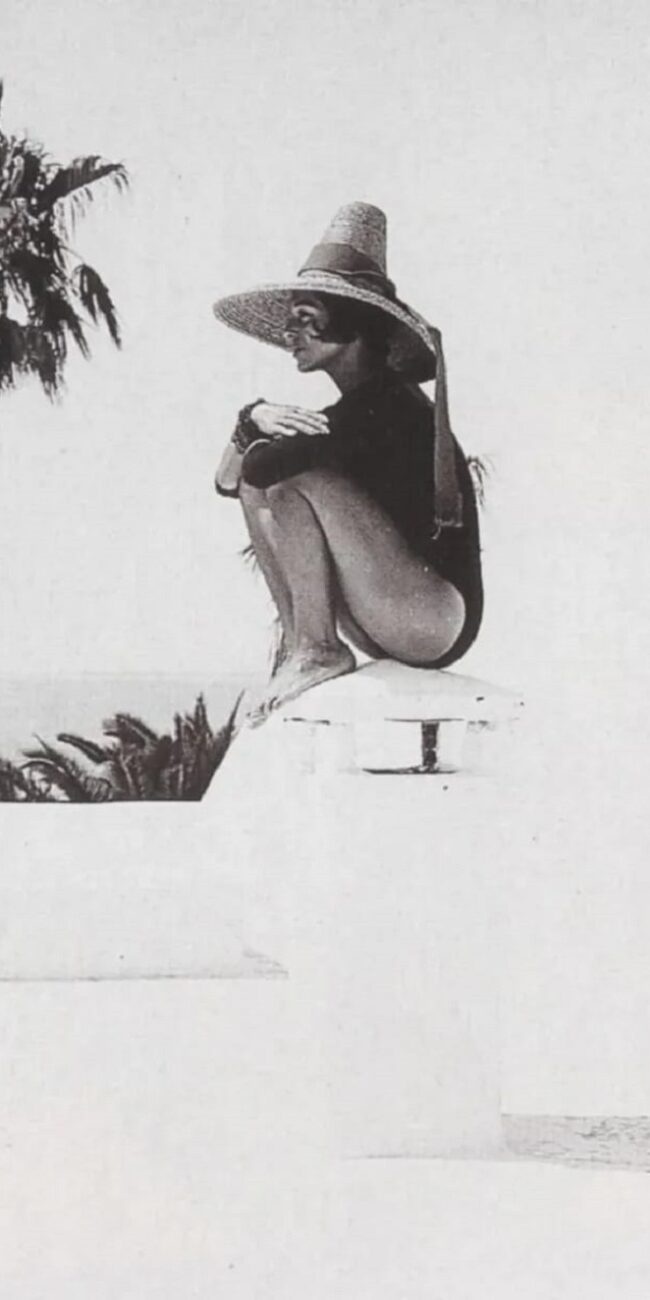
Taher Zgolli’s BALGA campaign explores Tunisian heritage through a contemporary visual language. Rather than treating heritage as a fixed inheritance from the past, Zgolli approaches it as a living practice. His artistic direction brings together memory, craftsmanship, and visual identity. It translates BALGA’s cultural foundations into a refined and thoughtful aesthetic universe.
Founded in 2019 by Safa Boudakhane, BALGA grew from a close connection to Tunisian artisanal traditions. The influence of Safa’s mother, a professional embroiderer, became an important source of inspiration. Her knowledge of craftsmanship helped shape the foundations of the brand. It also influenced BALGA’s relationship with traditional making.
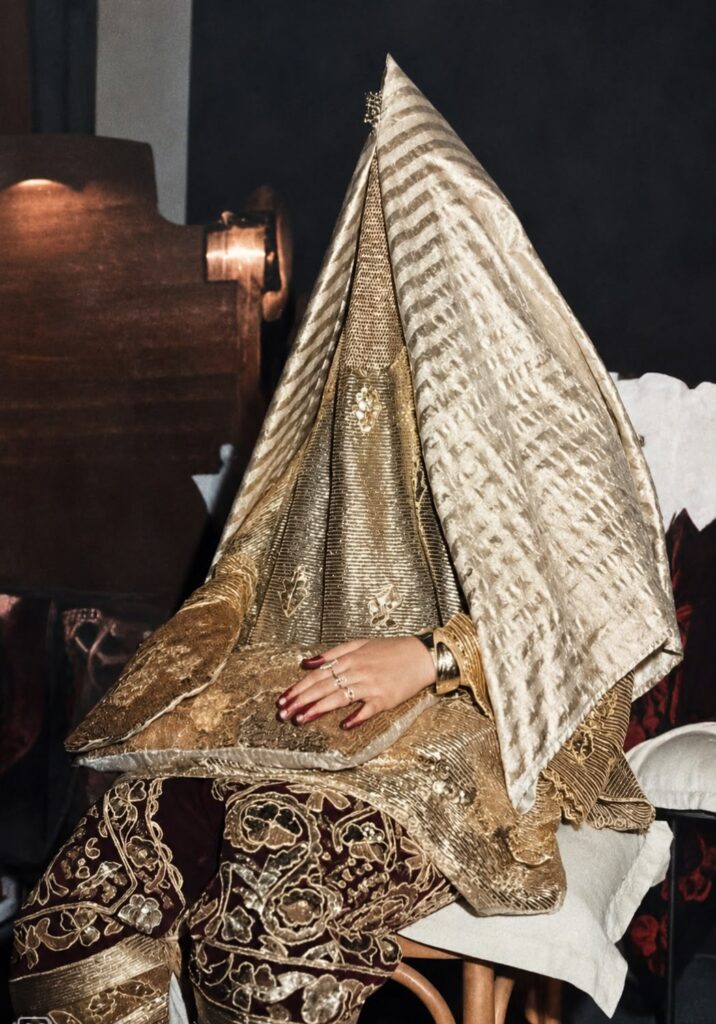
BALGA initially focused on embroidered balghas. Over time, the brand developed into a contemporary expression of Tunisian design. At the same time, it remained connected to the gestures, techniques, and stories behind its origins.
For Zgolli, the campaign offered an opportunity to look beyond the balgha as a fashion object. His visual direction explores the cultural world that surrounds it. It brings attention to the people, skills, materials, and memories that give the object its meaning.
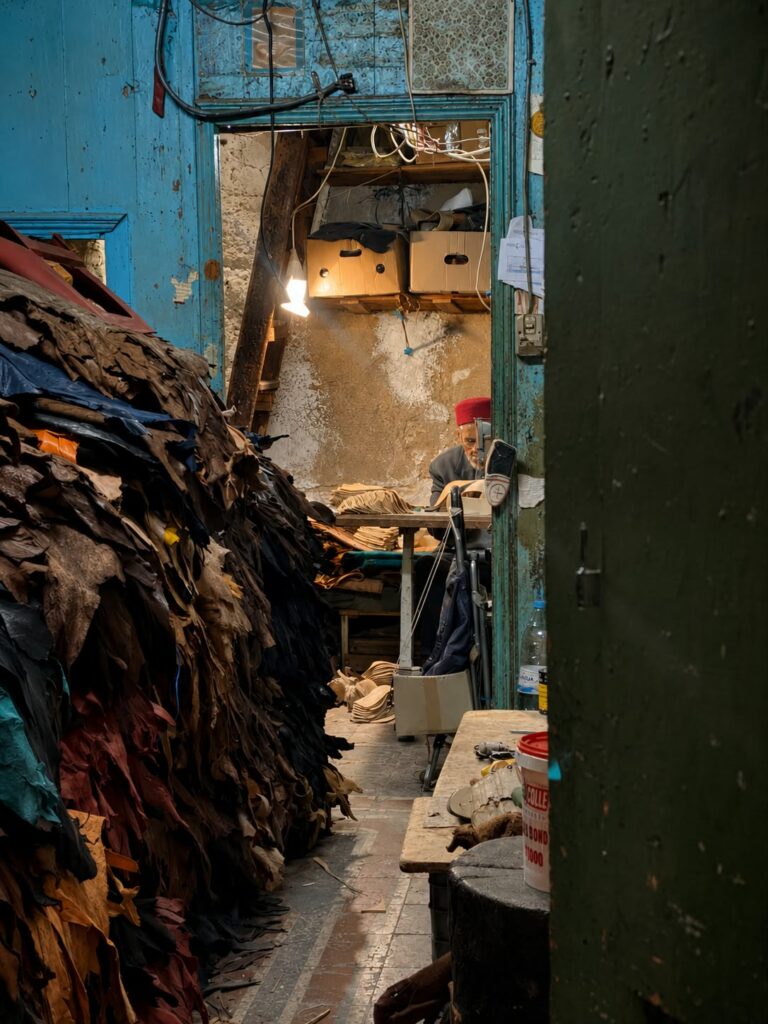
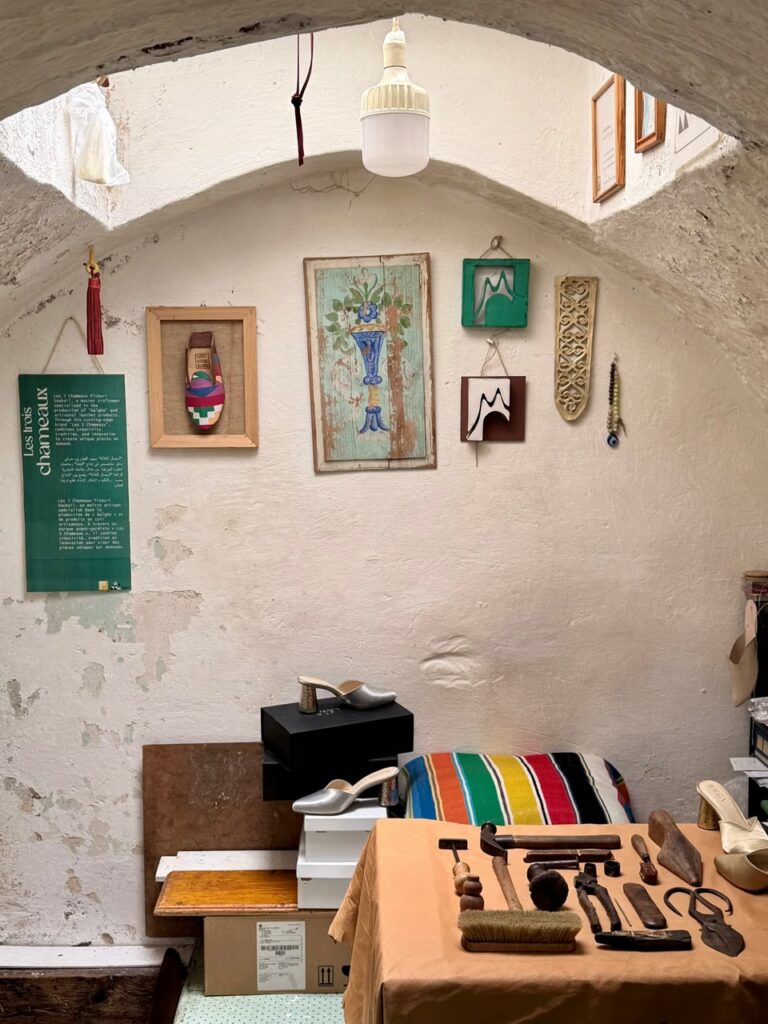
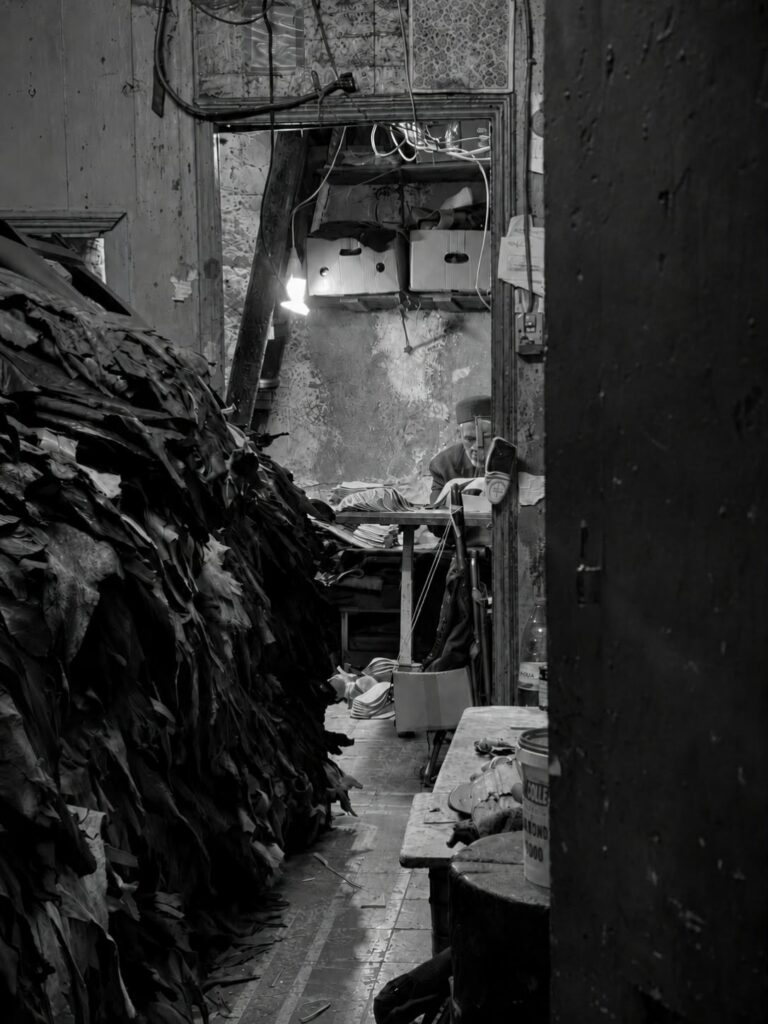
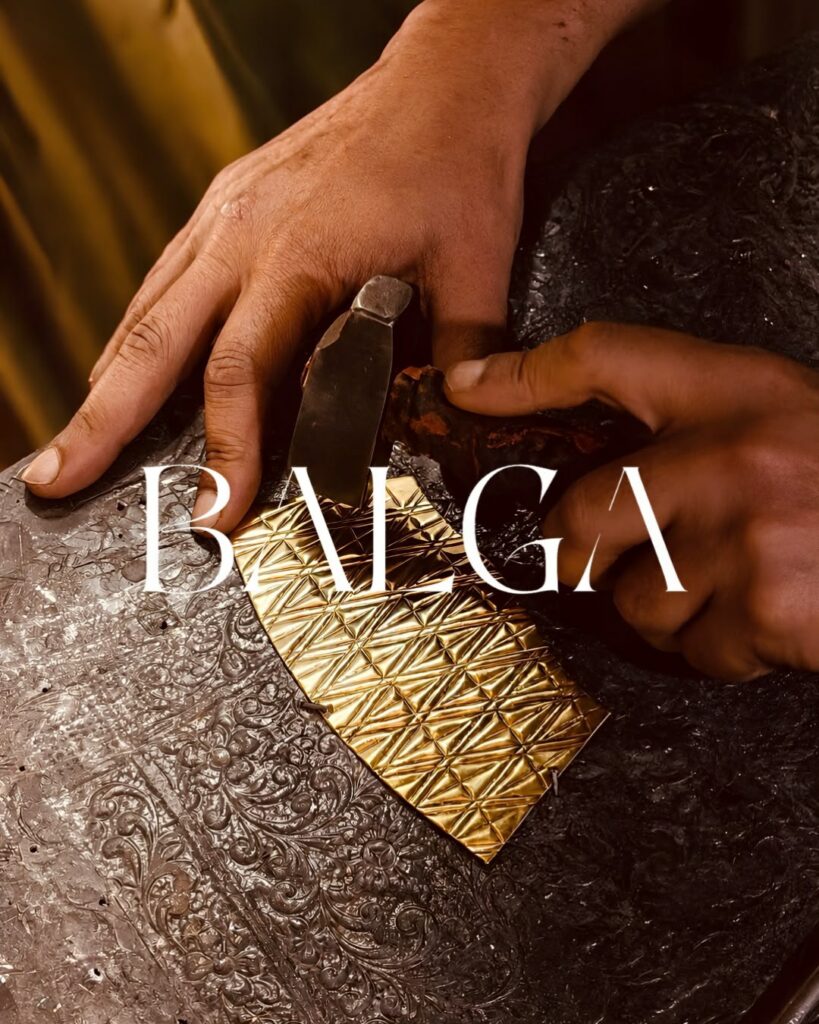
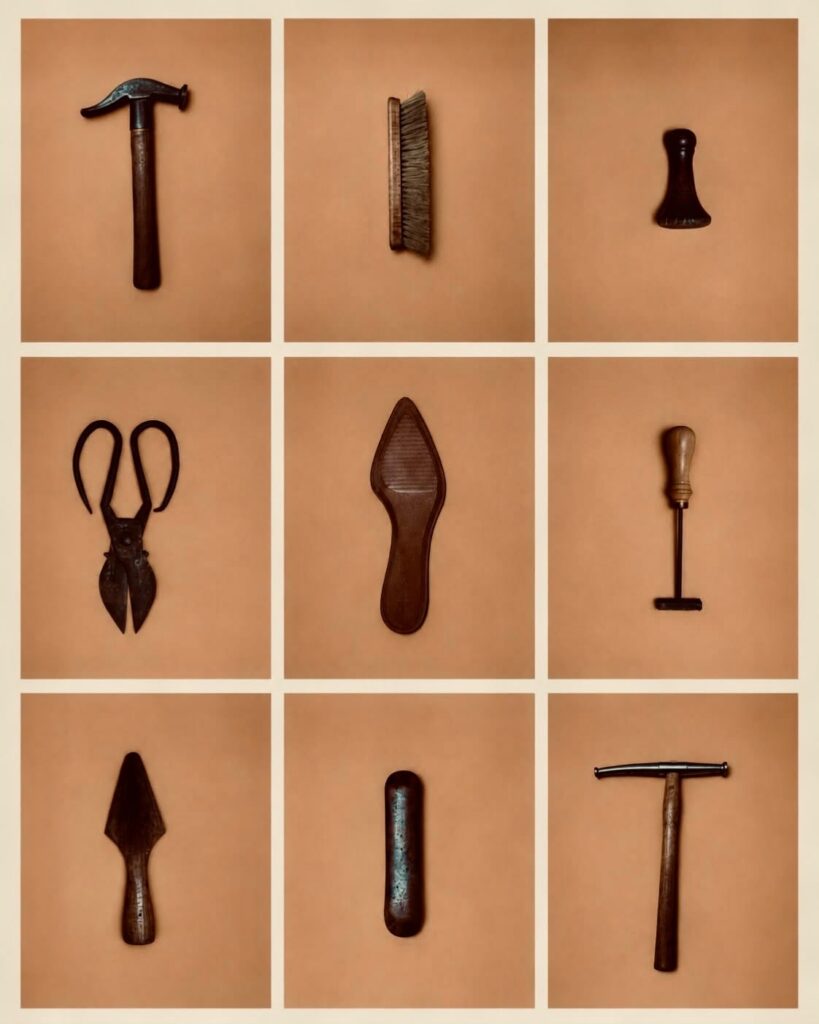
This perspective places craftsmanship at the heart of the campaign. The imagery draws particular attention to Souk El Balghjia in Tunis. Traditional shoemaking continues there through techniques passed down across generations. Making a balgha involves a precise vocabulary of tools and gestures, including المطرقة, الدلاكة, الجلم, النعل, الطابع, فردة القالب, and الزواقة.
These tools are more than technical instruments. They belong to a wider system of knowledge shaped by repetition, precision, patience, and experience. Zgolli’s images bring visibility to this often overlooked dimension of craftsmanship. They show how the relationship between the artisan and the material becomes part of the story.
Leather responds to the pressure of the hand, the movement of the tools, and the experience of the person working with it. The finished balgha therefore carries more than its visible form. It retains traces of the process that created it. It also carries a connection to the generations of knowledge behind the craft.
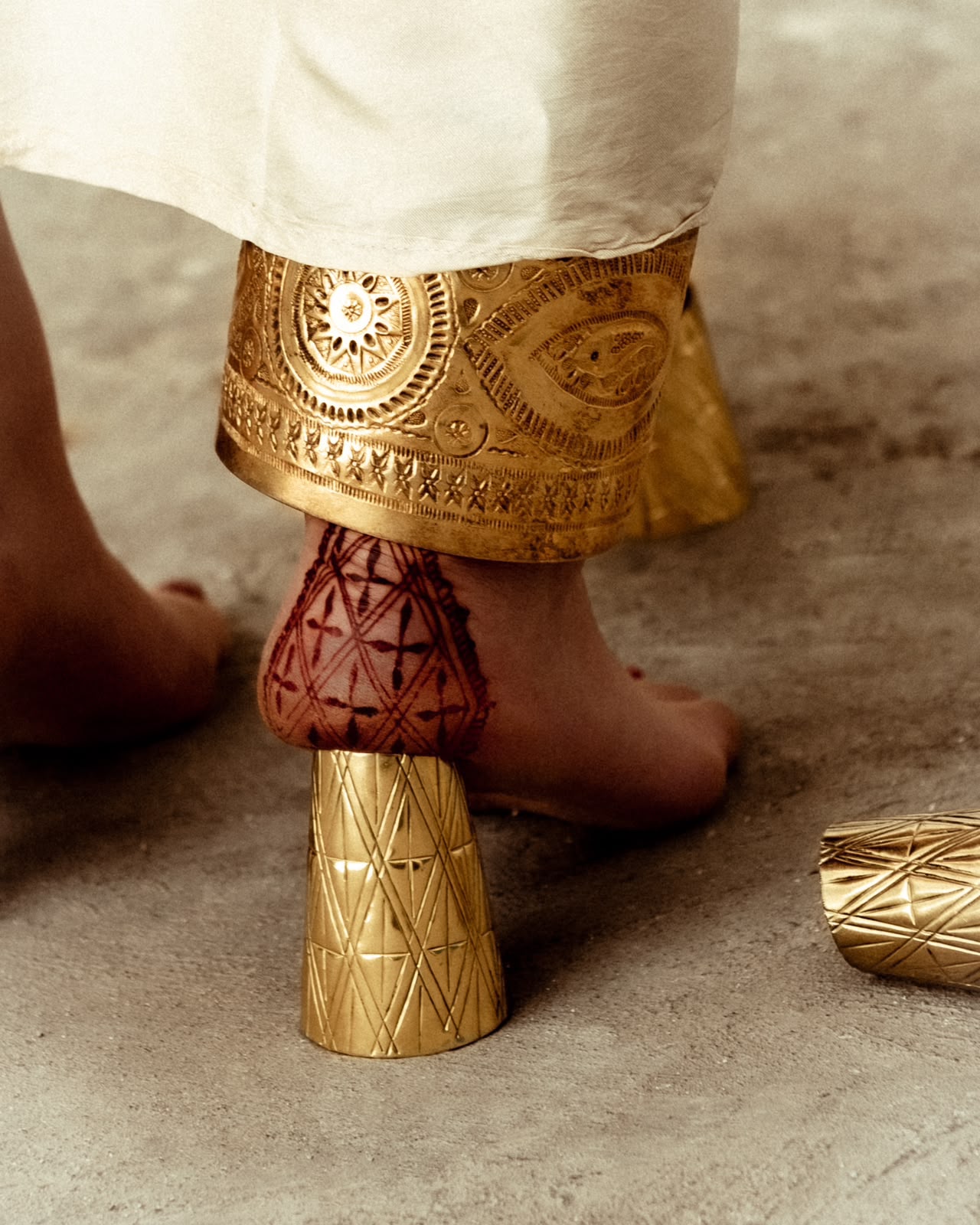
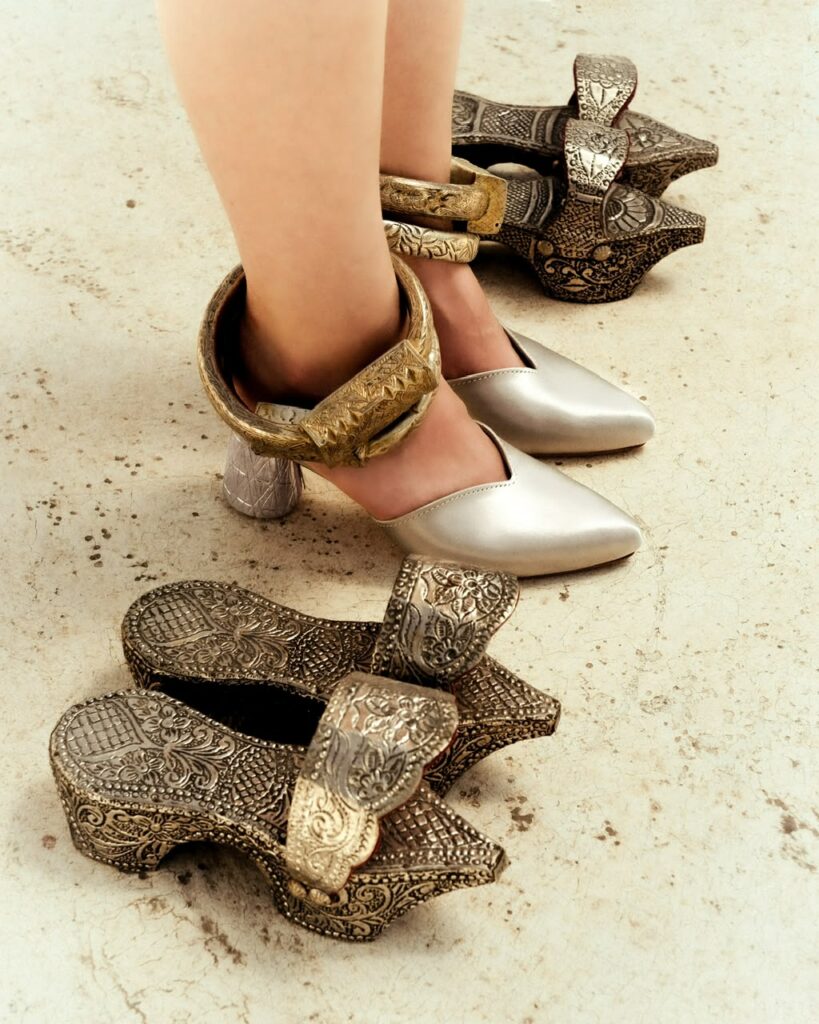
The campaign also draws from the personal archive that informs Safa Boudakhane’s creative identity. Childhood memories, traditional Tunisian weddings, and the clothes worn by women in her family all contribute to this visual vocabulary. Traditional jewelry adds another layer. El Kholkhal (الخلخال), for instance, becomes a reference to cultural memory and everyday life.
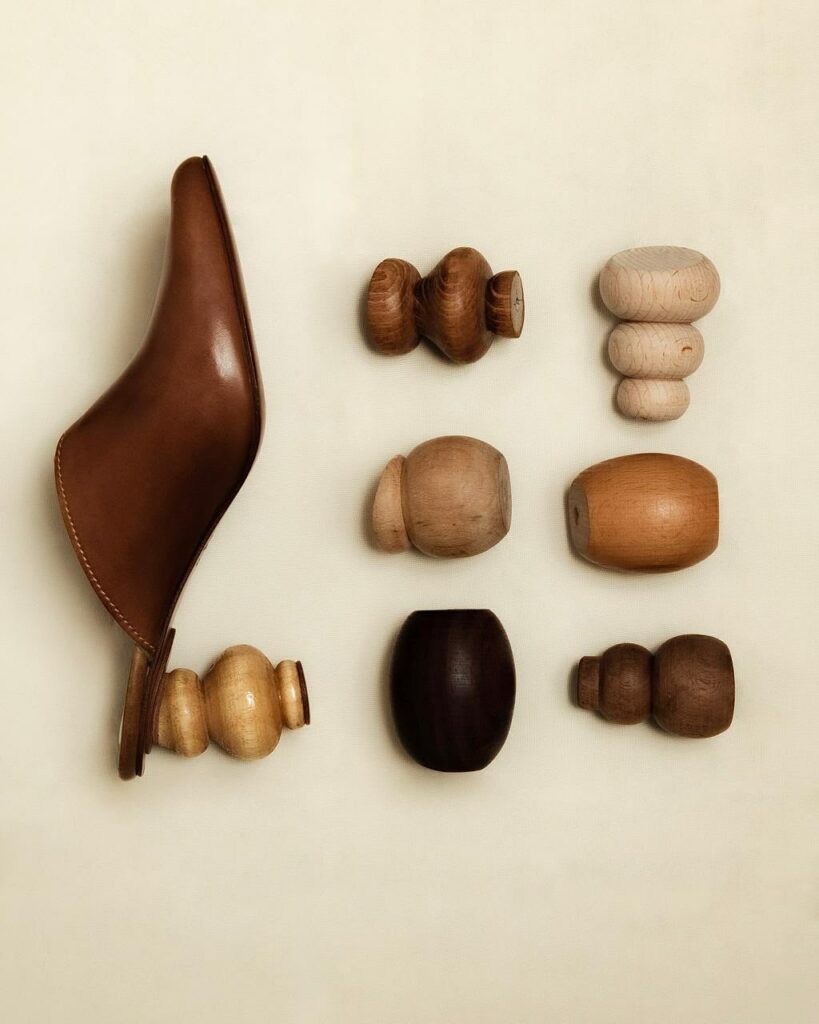
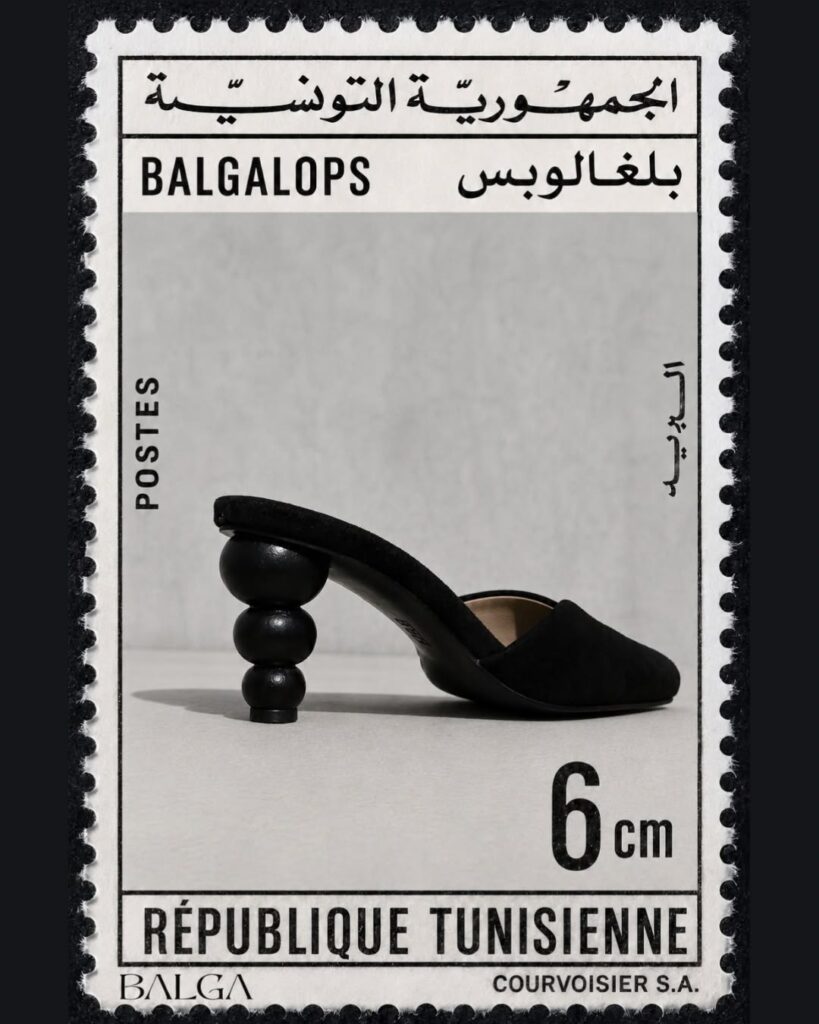
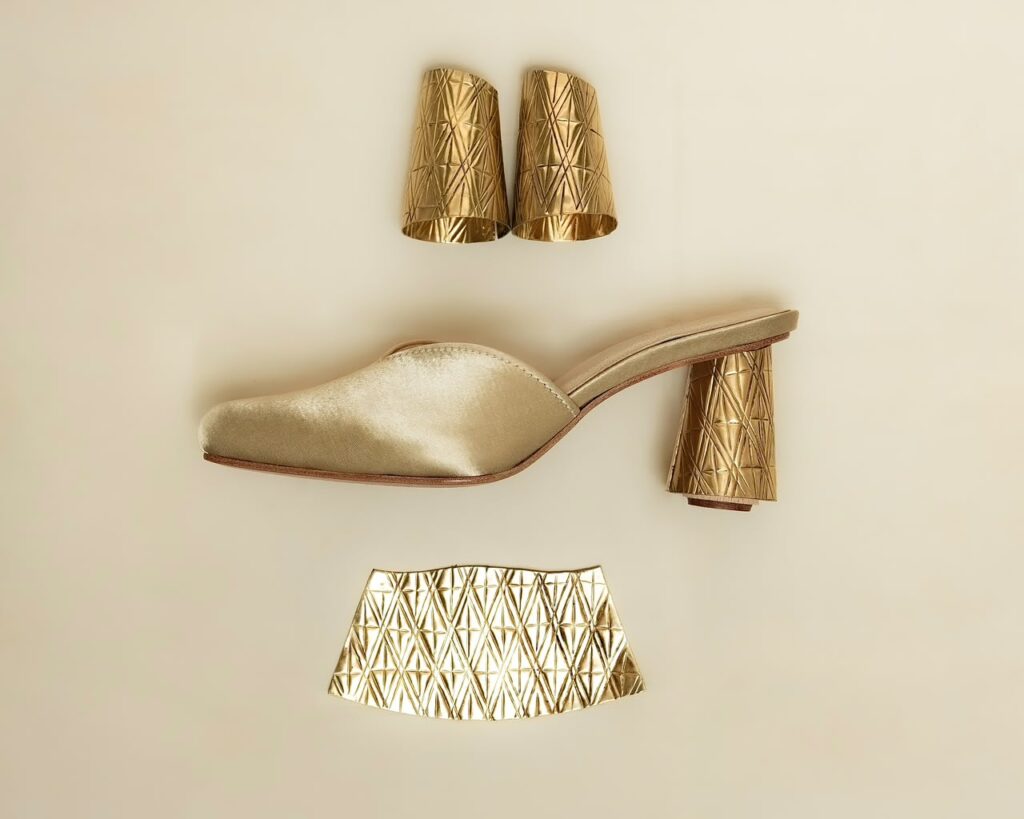
Other references emerge from Tunisia’s decorative and architectural heritage. Geometric compositions inspired by Baklawa (البقلاوة) appear alongside the ornamental vocabulary of الدرابزين التونسي. The details of الخراطة الخشبية reveal another interest in structure, repetition, and ornament.
Zgolli does not reproduce these elements literally. Instead, he looks at the principles behind them. He then translates those principles into a contemporary visual language. The references remain connected to their origins. At the same time, they take on a new role within the campaign.
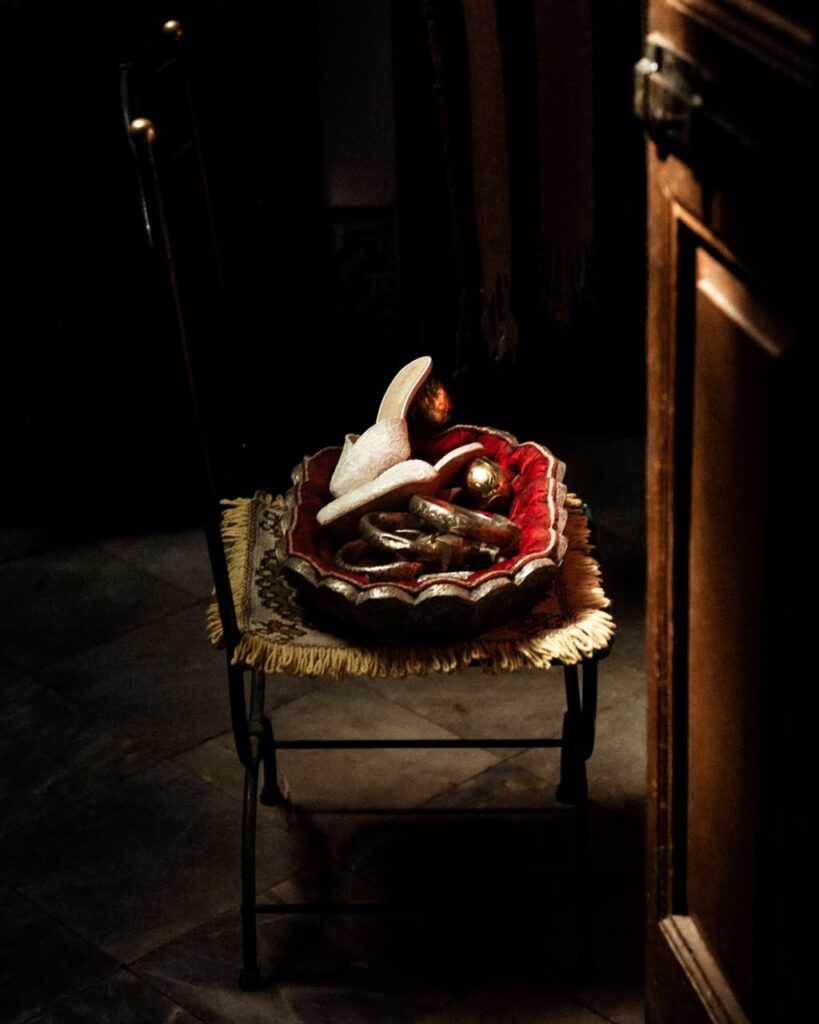
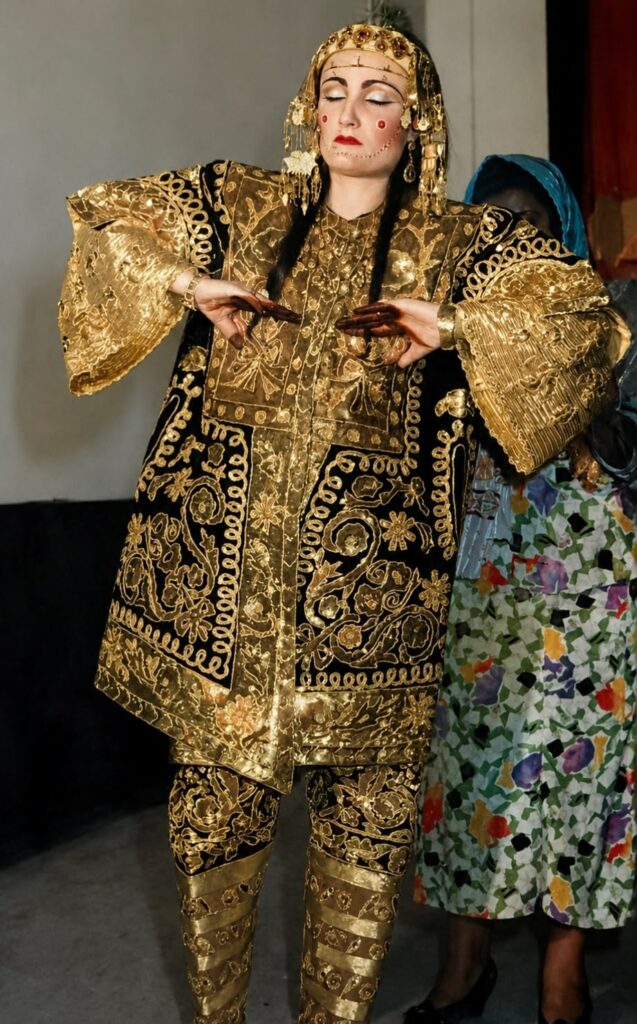
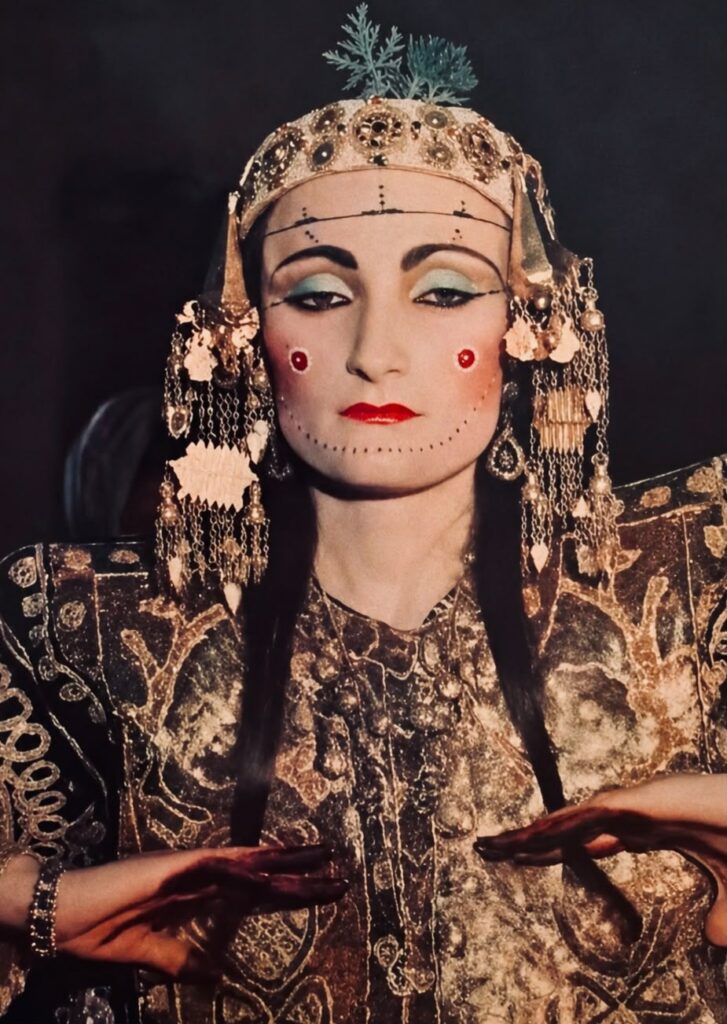
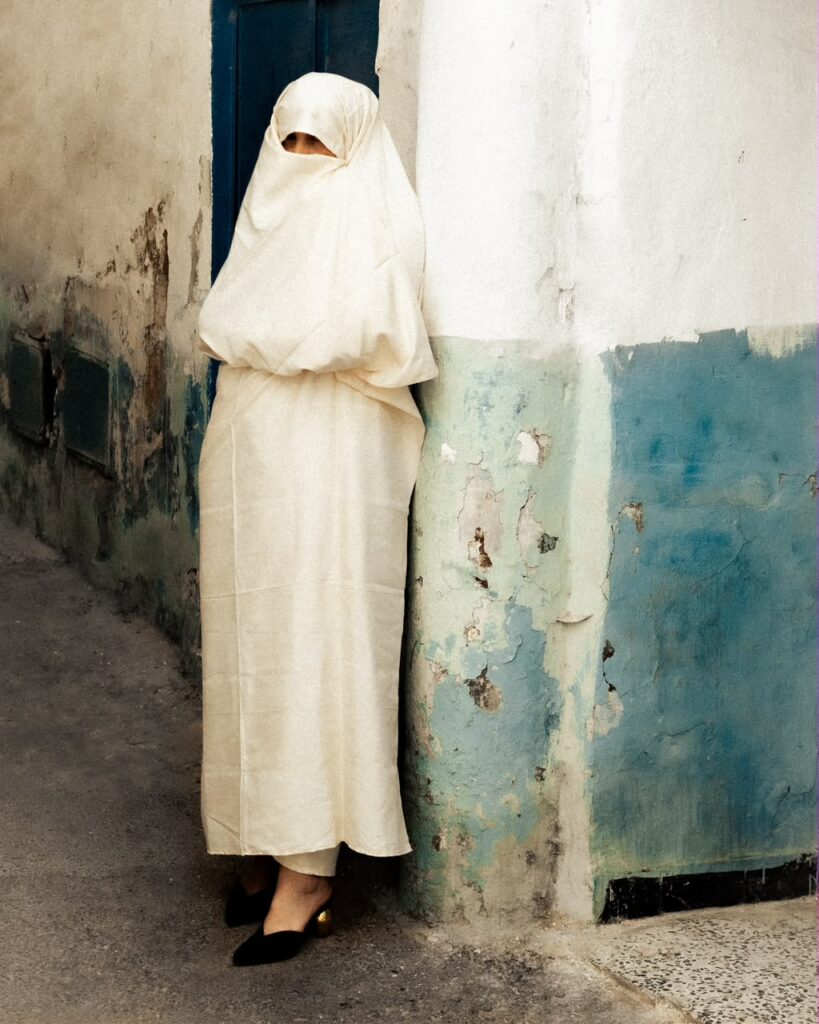
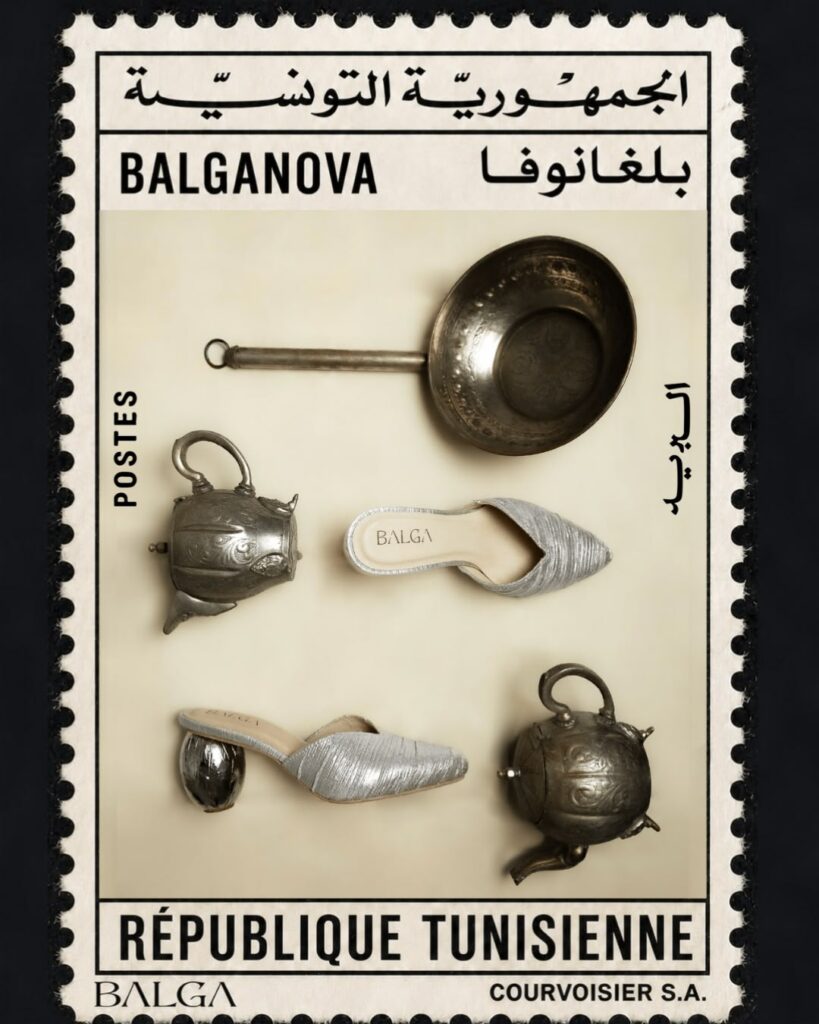
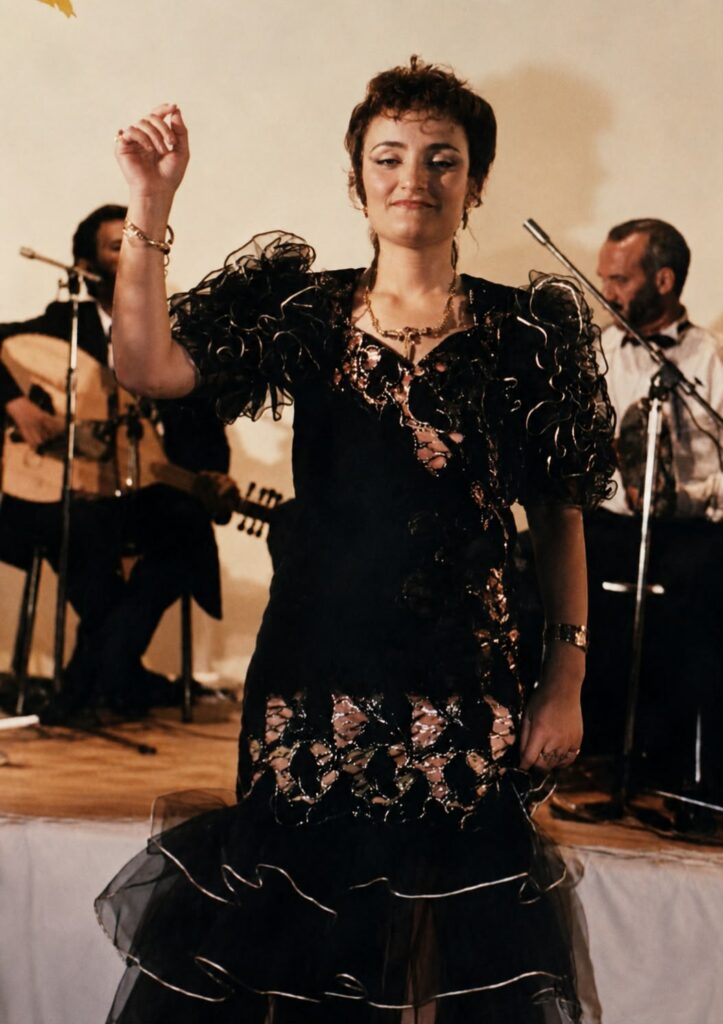
This process of reinterpretation sits at the centre of Zgolli’s approach. He does not seek to preserve heritage through repetition alone. Instead, he shows how tradition can remain relevant through transformation. Traditional forms can evolve without losing the histories and meanings attached to them.
The BALGA campaign becomes a study of continuity. It considers how inherited practices move through time. It also explores how a traditional object can acquire new meanings through contemporary design. Personal memory, meanwhile, connects with a much wider cultural history.
Through this project, Taher Zgolli contributes to a broader reflection on the representation of Tunisian identity. His artistic direction presents craftsmanship as an active field of creativity. It moves away from the nostalgic image of a tradition frozen in the past.
BALGA becomes a meeting point between memory and contemporary expression. Its heritage does not remain preserved behind glass. Instead, it continues through materials, gestures, images, and the imagination of those who carry these traditions forward.
In this sense, the project offers more than a contemporary reading of the balgha. It presents a way of thinking about Tunisian heritage as something that can evolve while remaining rooted in its origins. Tradition survives not only through preservation. It also survives through the people who continue to interpret it, work with it, and give it new forms.
Post a Comment