Hammam Fatouma: The Return of a Landmark
By Tunez Magazine ·
A few months ago, a project began around Hammam Fatouma in Radès. Its aim was not simply to document the building. Instead, it sought to reconnect with a place where history survives through materials, rituals and memories.
At the heart of the project is Taher Zgolli, an artistic director from Radès. He wants to present his hometown through a more artistic perspective. For him, Radès is far more than a peripheral town. It holds significant cultural potential that often goes overlooked.
The project soon became personal. Hammam Fatouma stands in the neighbourhood where Taher Zgolli grew up. It is also the place where his mother was married. Returning to the hammam allowed him to explore the connection between personal memories and collective heritage.
With the support of Slim, the current owner, Taher gained access to the building and its stories. However, reconstructing its history proved challenging. The hammam had few formal archives. Therefore, he turned to the surrounding neighbourhood to recover its past.
Local residents became essential to the research. Taher collected photographs and historical accounts from their personal collections. He also gathered memories passed down through families. Together, these fragments helped him rebuild the visual and historical narrative of this 110-year-old institution.
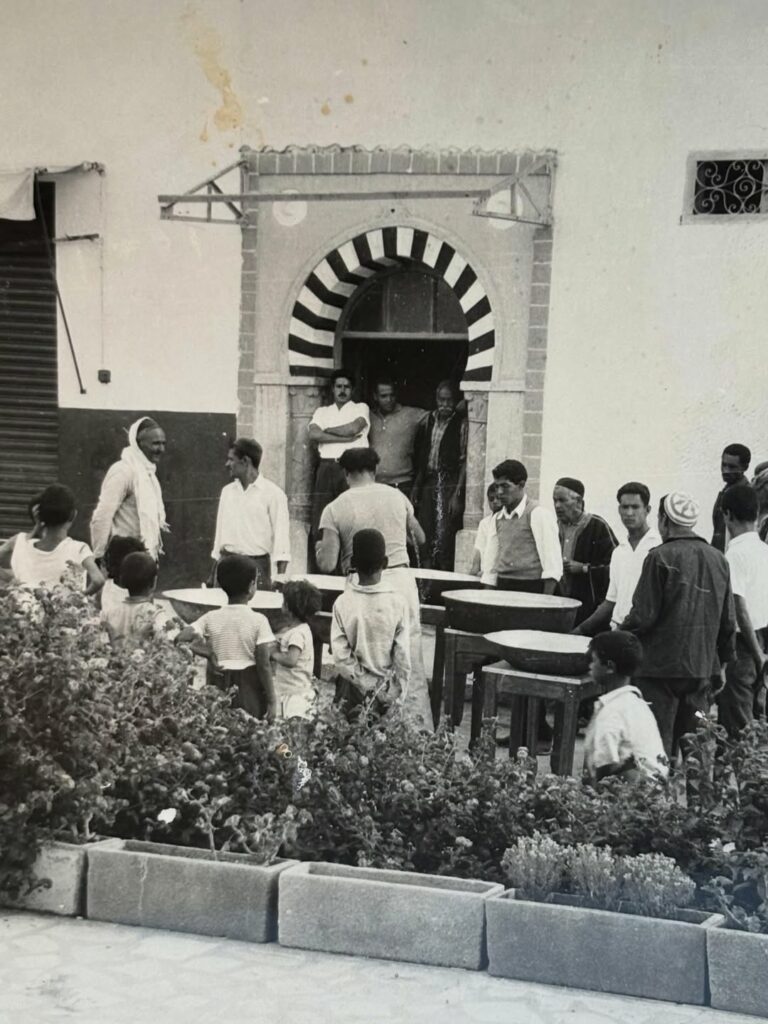
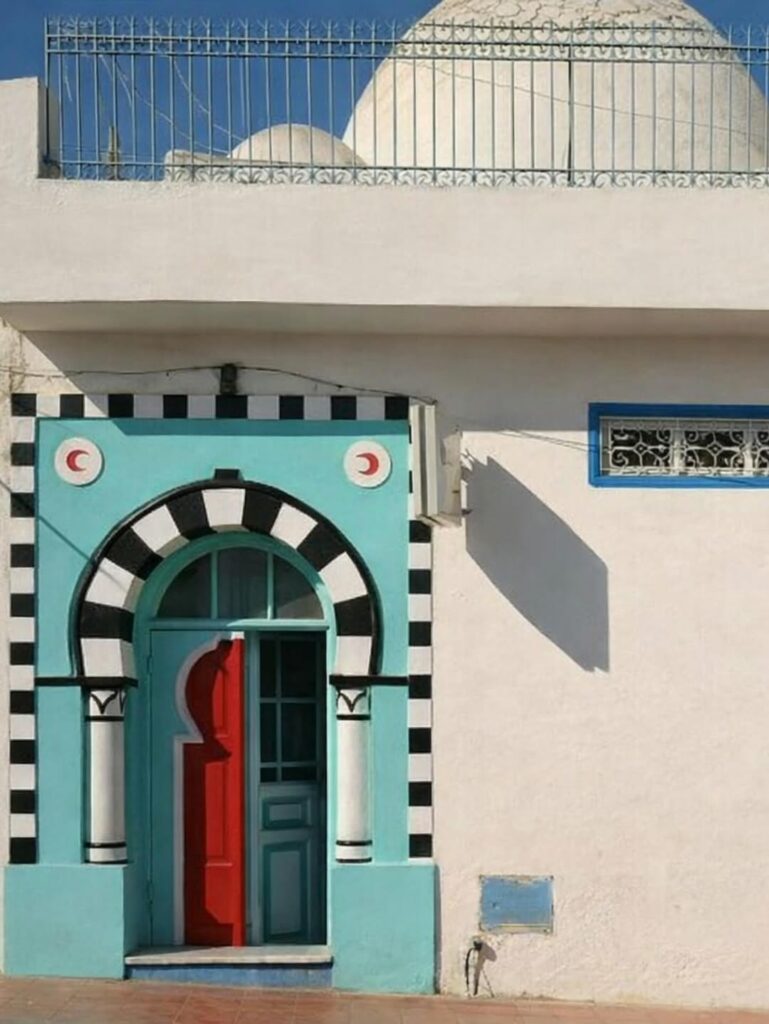
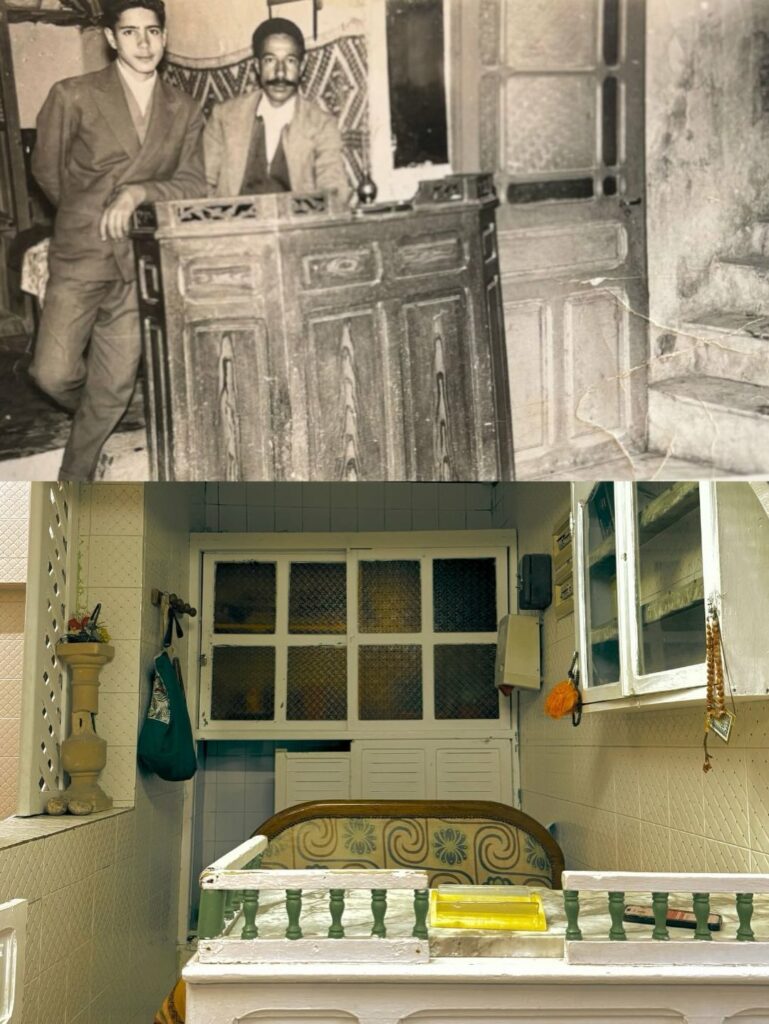
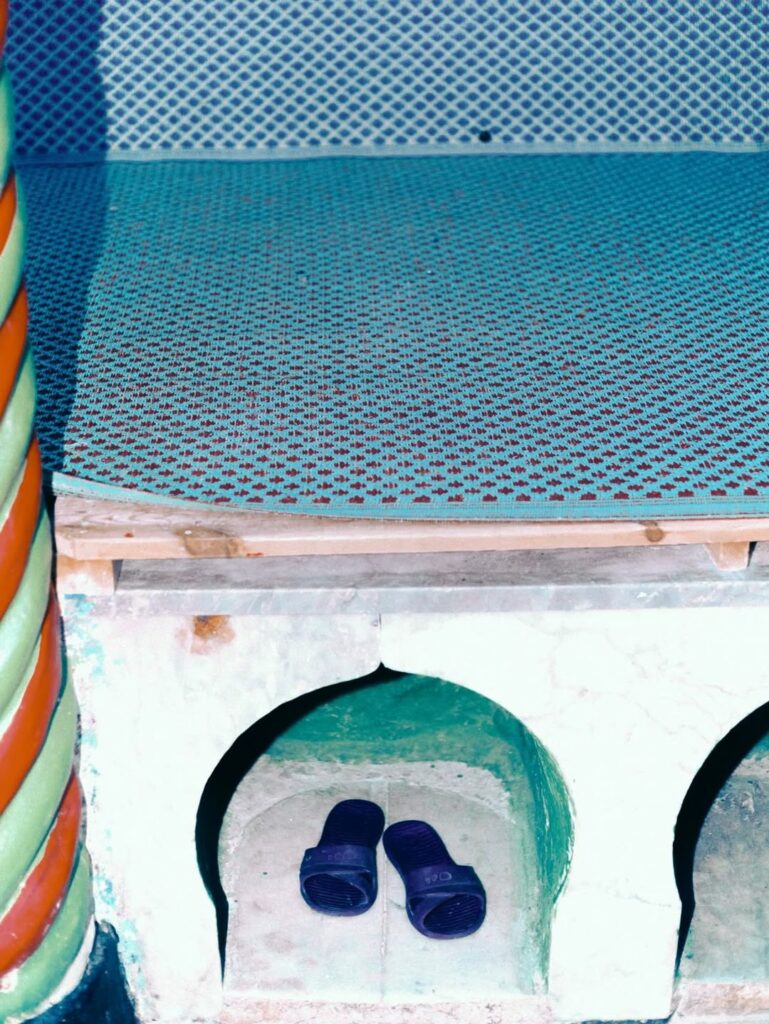
Originally, Hanouna owned the hammam. His son Mahmoud later inherited it and named it after his wife, Fatouma, Slim’s grandmother. A respected figure in the community, she lived to be 100 years old. Her legacy remains part of the building’s identity. Today, her grandson continues to run the hammam, preserving its family history and original function.
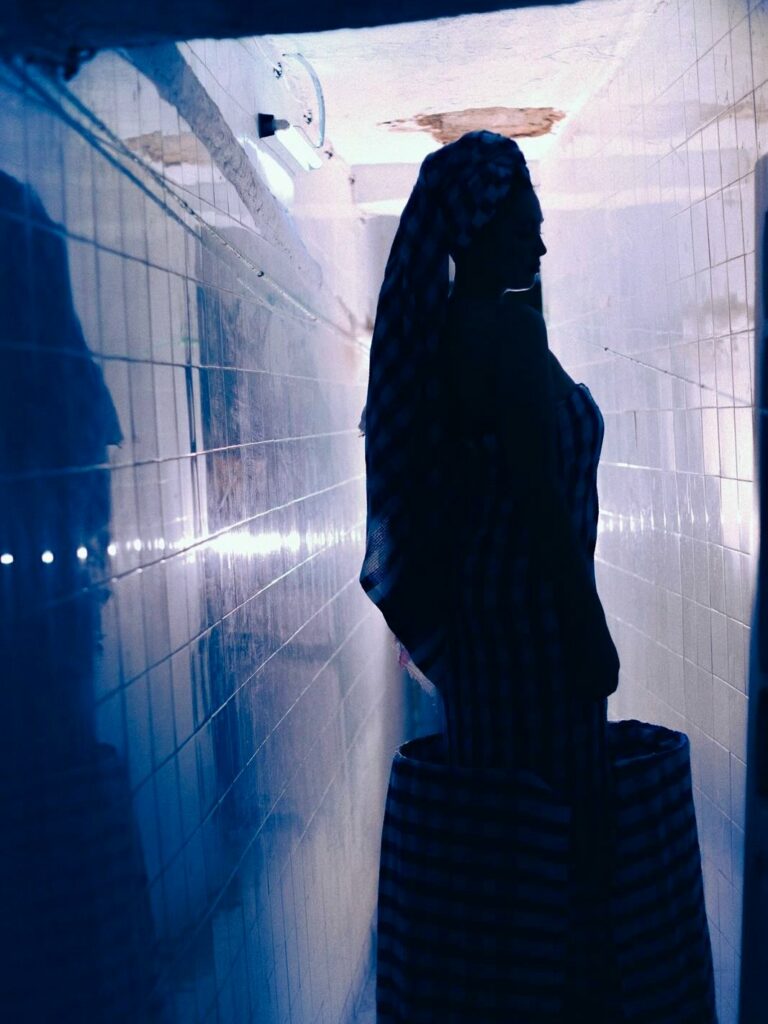
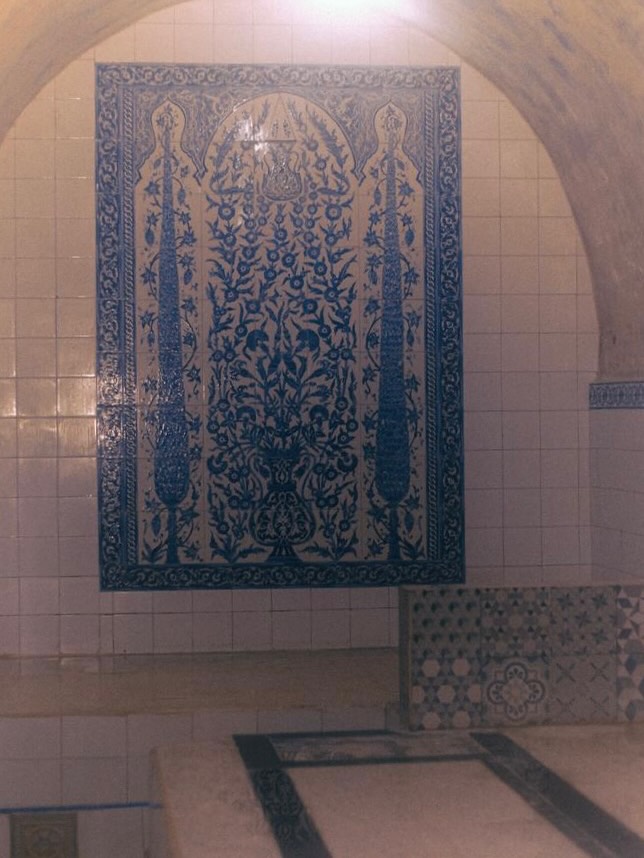
The building itself has changed very little. Its structure retains original materials and traditional construction techniques. Inside, some metal elements remain joined with hooks and wedges rather than welds. These details reveal the craftsmanship behind the building and the methods used by earlier generations.
Located in the Ben Arous region, Hammam Fatouma once attracted visitors from nearby towns. These included Hammam Lif, Ezzahra and Fouchana. At a time when traditional bathhouses were less common, it served a wide community. The hammam also became one of the first in the area to introduce separate entrances for women and men. This arrangement helped establish privacy within a shared social space.
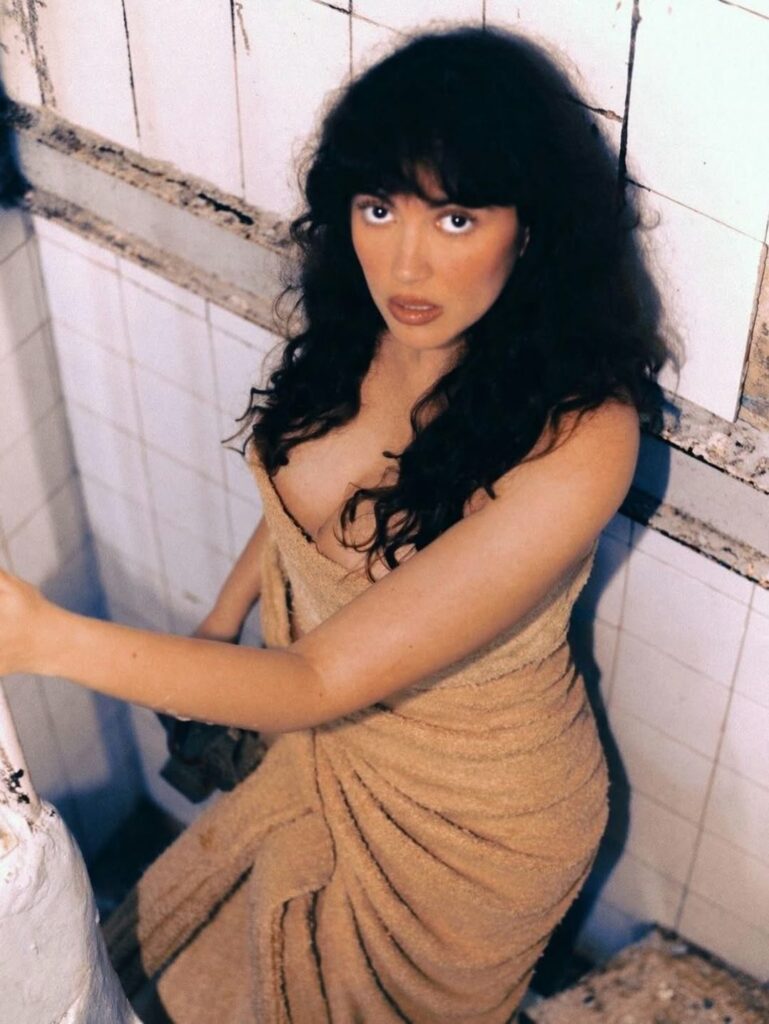
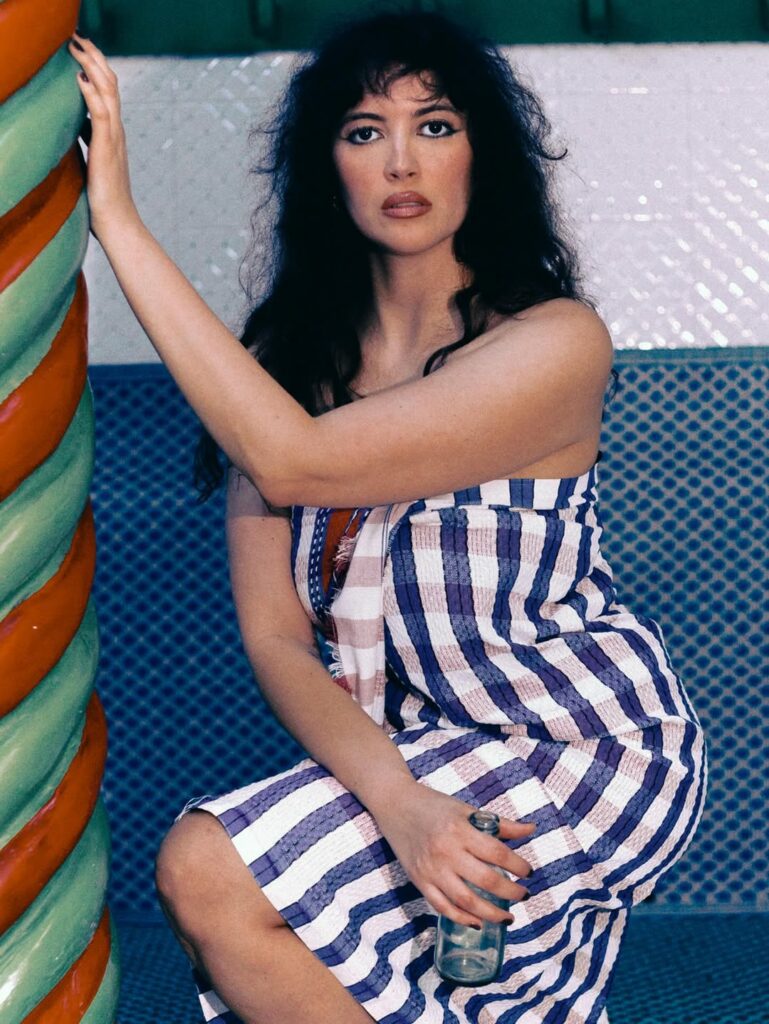
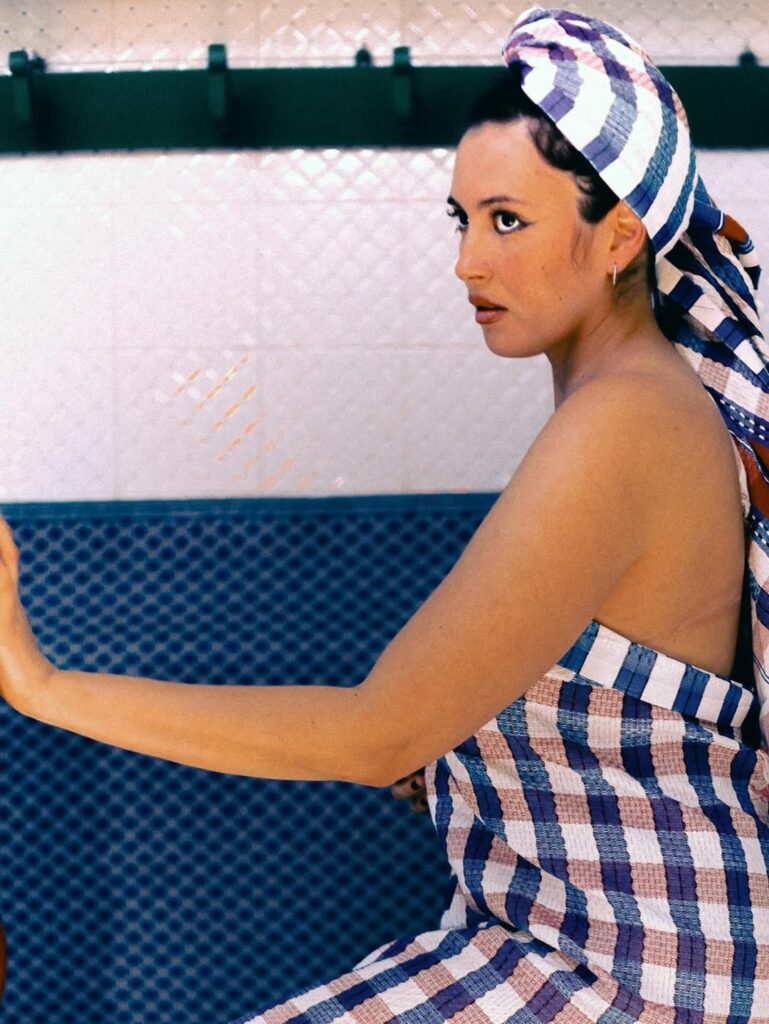
For the project’s visual direction, Taher Zgolli focused on elements of traditional hammam culture that are gradually disappearing. He developed two garments specifically for the photoshoot. The first uses اللِّيفَة (liffa), a natural scrubbing material once central to the cleansing ritual. Modern alternatives have increasingly replaced it. The second garment draws on the الفوطة (fouta), a textile closely associated with Tunisian hammam traditions.
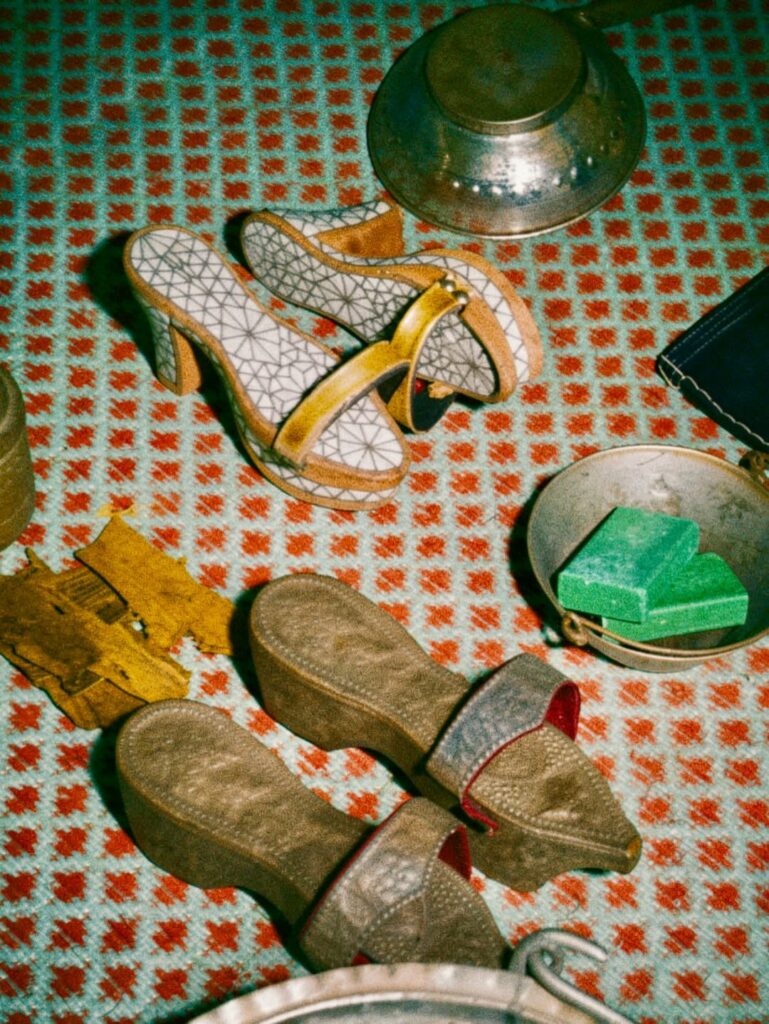
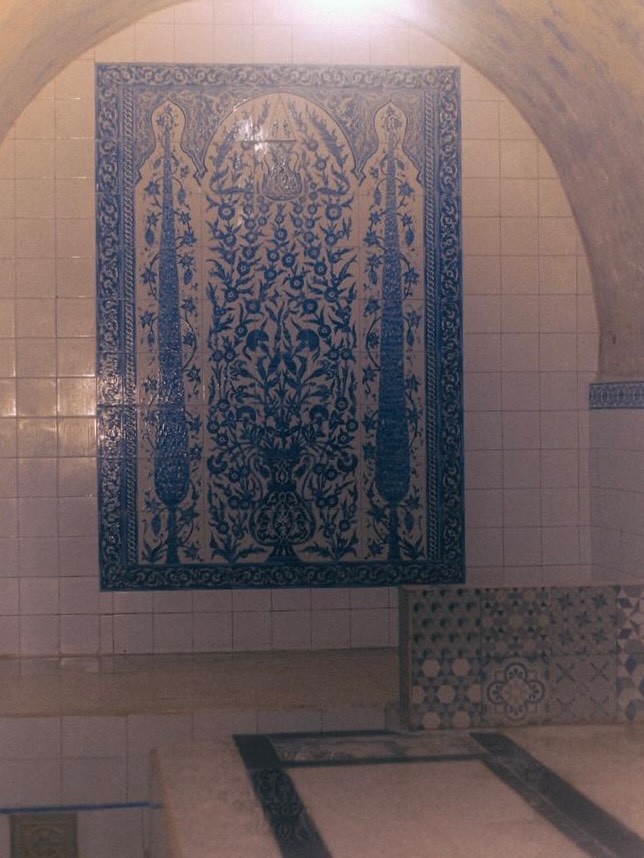
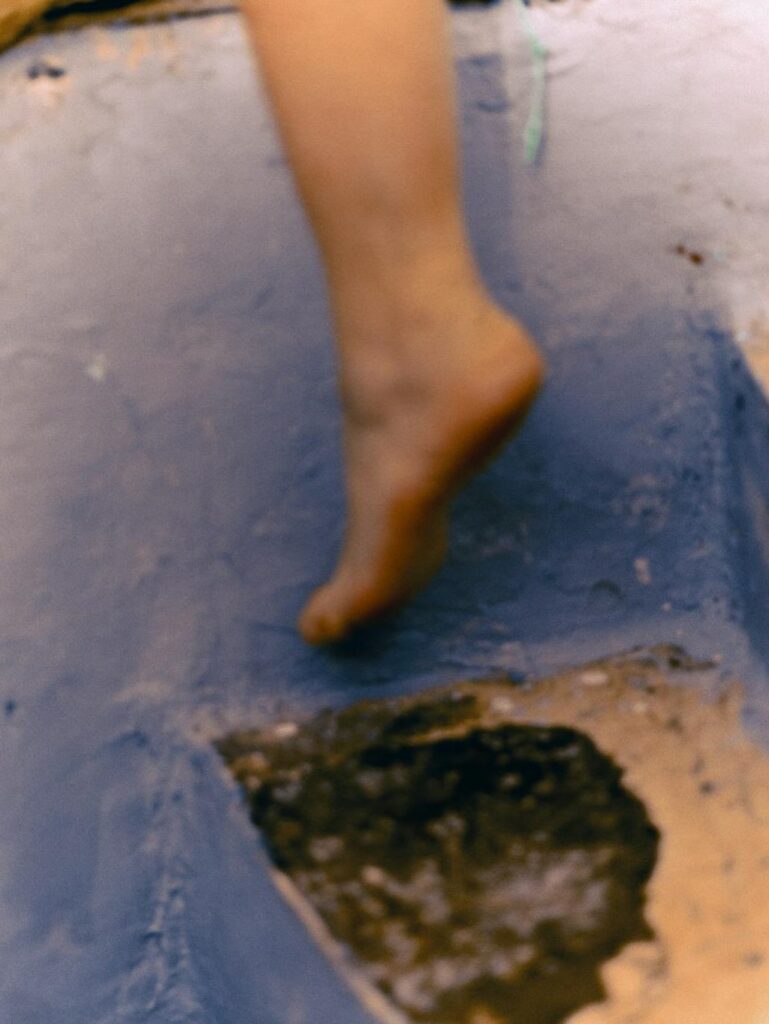
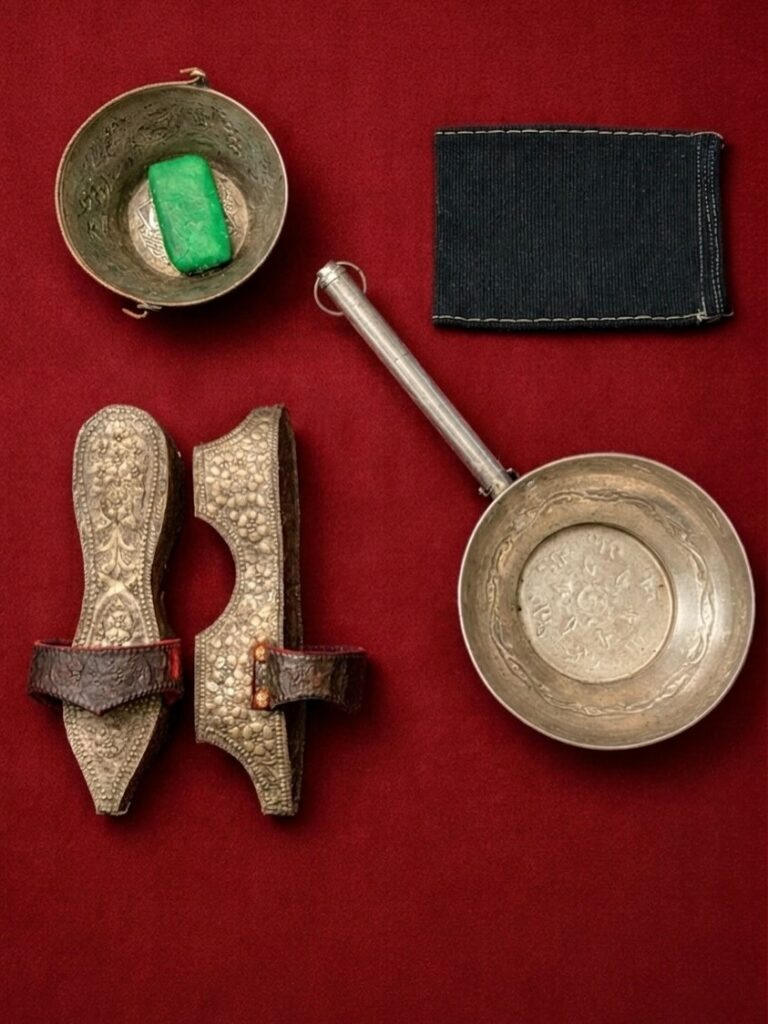
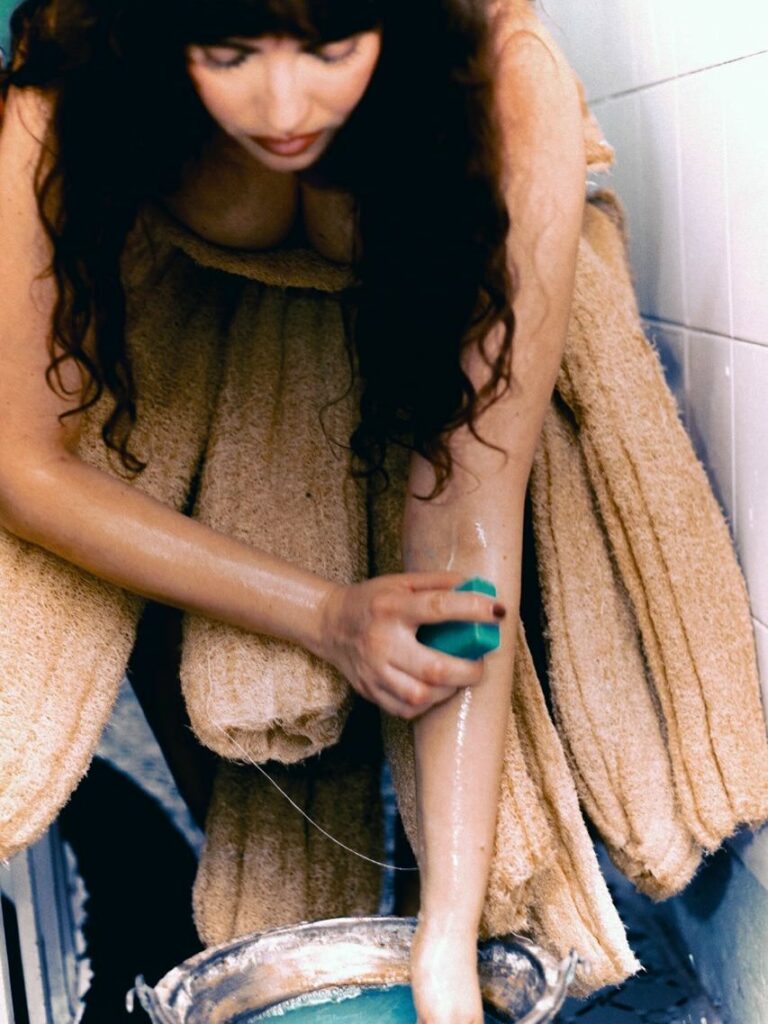
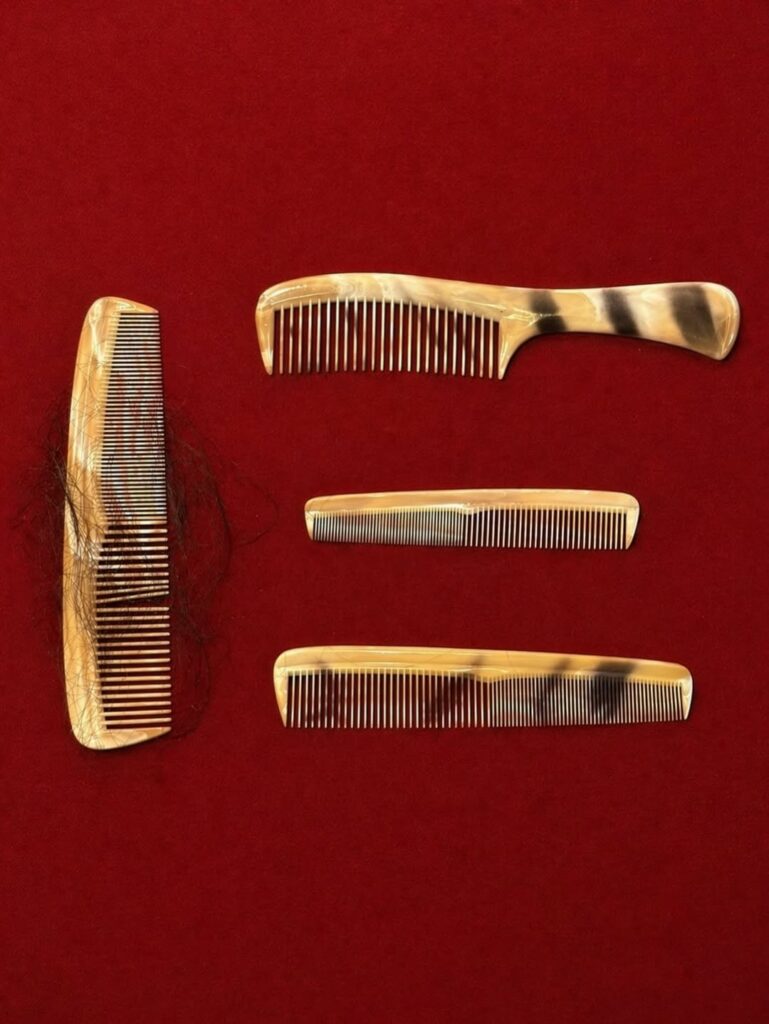
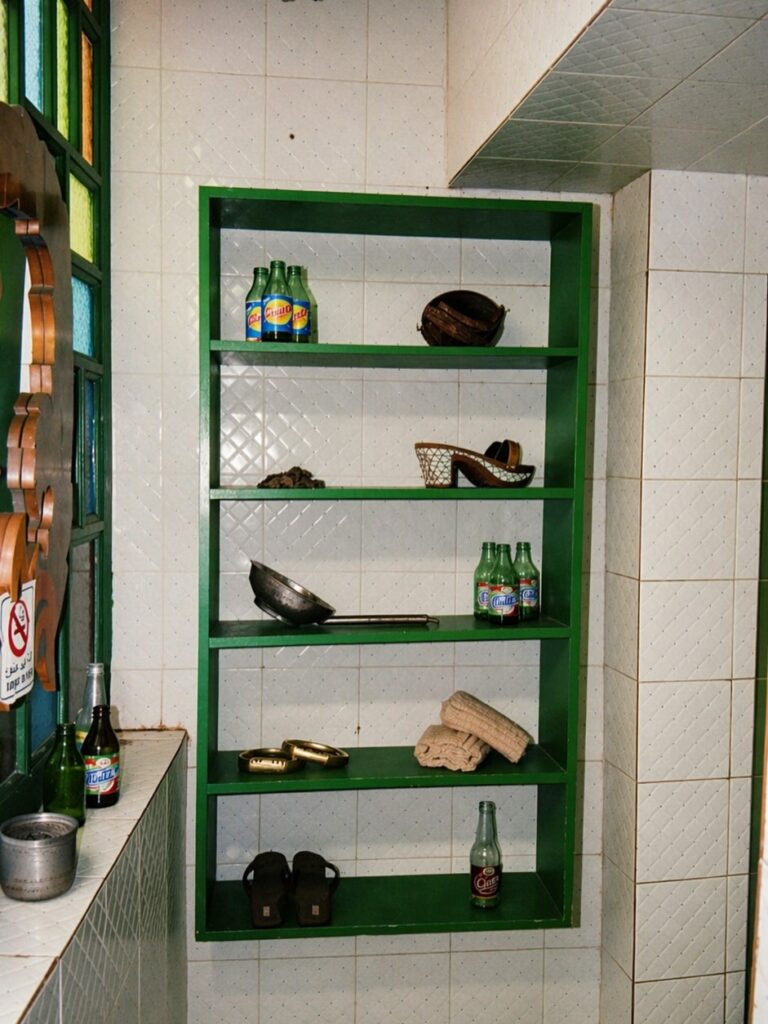
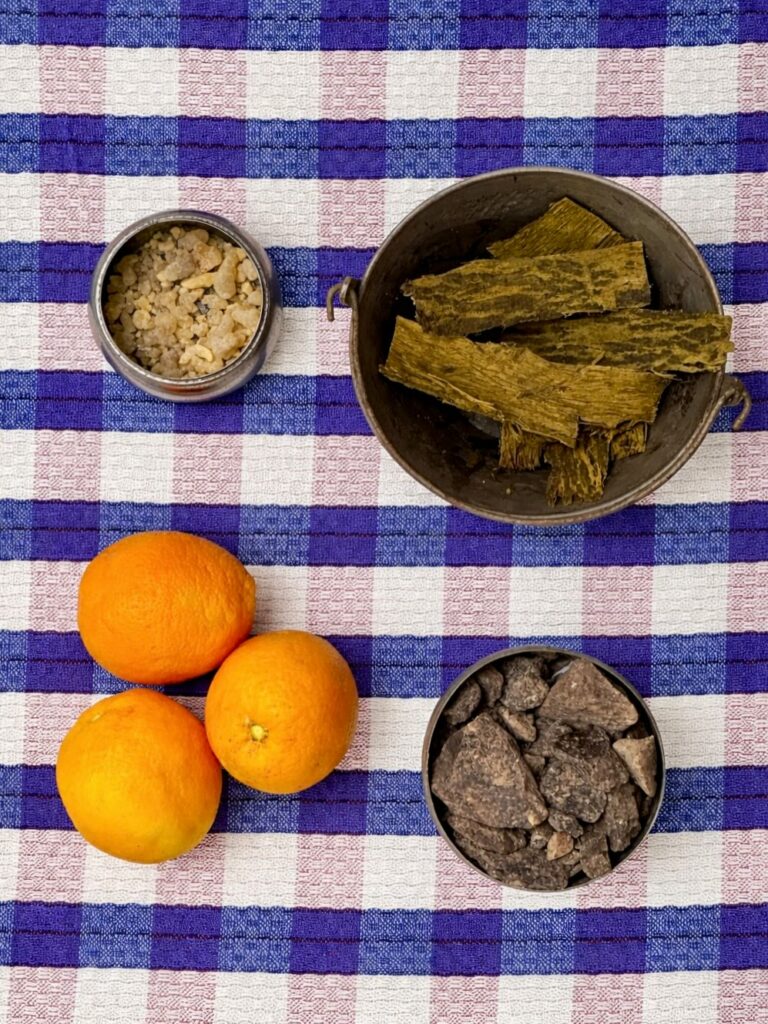
The research also extended to accessories and everyday objects. These items once shaped the hammam experience, but many have since given way to plastic and industrial materials. The remaining examples offer glimpses of a tactile heritage built around touch, texture and repeated rituals.
Some traditions now survive mainly through memories and archival records. The wood-fired فرنّاق (fernaq), once essential for heating the hammam, belongs to an earlier era. Historical records also indicate that a session once cost just 50 millimes. This small detail places the institution within a very different economic and social context.
Hammam Fatouma also connects to Taher Zgolli’s wider artistic practice. He studied art, design and marketing at the Higher School of Economic and Commercial Sciences of Tunis and the Higher Institute of Arts and Multimedia of Manouba. Today, he works as an artistic director and leads Zepisode, a creative studio focused on styling, art direction and vintage culture.
Through Zepisode, Taher has developed a practice centred on thrifted garments and objects. He reinterprets these pieces through a contemporary artistic approach. This work has led to collaborations with several brands. One recent example is a rebranding project for More Jena, which took place in his grandmother’s house in Radès.
Her house remains an important source of inspiration, fifteen years after her passing. For Taher, the space represents more than a family home. It connects personal memory with creative production. It also offers a way to revisit fragments of Tunisian identity through contemporary art.
Hammam Fatouma therefore forms part of a broader artistic journey. Taher believes creative work should remain connected to its origins. Without an engagement with personal history and cultural context, artistic expression can lose some of its meaning. By returning to familiar places, he builds narratives that reach beyond aesthetics.
Nour Hajri is the project’s co-creator. After earning a degree in psychology in France, she began her acting career in Tunisia. She went on to take leading roles in several films, including Les Épouvantails, presented at the Venice Film Festival, and Black Medusa, selected for the International Film Festival Rotterdam.
Nour later moved to Paris to deepen her artistic practice at L’École du Jeu. She is now a member of the Zone 34 collective, where she continues her training under the direction of Sei Shiomi.
Her creative work extends beyond acting. Nour explores visual storytelling through art direction and works in communication. Across these disciplines, she combines an eye for aesthetics with an understanding of human experience.
Together, Taher Zgolli and Nour Hajri developed a visual narrative that goes beyond documentation. Their collaboration brings the body, the building and its history into dialogue. Through this approach, Hammam Fatouma becomes a space for artistic interpretation as well as historical research.
The project also seeks to bring renewed attention to the hammam itself. Taher wants people to visit, experience its traditions and recognize its place in the region’s cultural heritage. His aim is not simply to preserve images of the building. He also hopes to encourage people to engage with the space while it continues to serve its community.
Hammam Fatouma remains open and continues to welcome visitors. At the same time, it preserves something increasingly fragile: the continuity of traditional practices across generations.
Rather than functioning solely as an archive, the project offers a way to reconnect with Tunisian identity as something living and evolving. Artistic interpretation allows memories, objects and traditions to acquire new meanings while remaining connected to their origins.
For Taher Zgolli, this is only the beginning. He plans to develop more projects rooted in Tunisian culture. Through these initiatives, he hopes to explore new ways of telling stories about identity and bring attention to histories embedded in everyday places.
The project brought together a creative team. Taher Zgolli and Nour Hajri led the art direction, while Bachir Tayachi handled photography. Mohamed Ali Benghars worked on makeup, and Mehdi Hajri contributed video and sound design.