Faouzi Mahjoub: Tunisian Journalist and Photographer of African Football
By Tunez Magazine ·
The history of African football is written in match results, tournament records and the names of legendary players. But history also survives through photographs, newspaper articles, personal archives and the memories of those who witnessed it firsthand.
Faouzi Mahjoub helped preserve that history.
Born in Tunisia, Mahjoub became a respected journalist, author and specialist in African football. Over several decades, he followed the development of the game across the continent, reporting on its competitions, documenting its personalities and recording moments that might otherwise have disappeared into the past. His work combined journalism with a deep interest in football’s cultural and historical significance.
Photography formed an important part of this work. During his travels, Mahjoub took thousands of photographs, creating a visual record of African football across different generations. His archive eventually became part of FIFA’s historical collections, helping preserve images and documents from a period when African football was gaining greater international recognition.
His story is therefore not only about a journalist who loved football. It is also about the value of documenting a sport while its history is still unfolding.
From Tunisia to a Career in Football Journalism
Faouzi Mahjoub’s career began with a passion that eventually changed his life. Although he initially studied medicine, his growing interest in football and journalism led him in a different direction.
His professional journey soon took him beyond Tunisia. Based in Paris, he worked with publications covering sport and international affairs. This experience brought him closer to the people, institutions and competitions shaping world football.
His articles appeared in several respected publications, including Jeune Afrique, Miroir du Football, Miroir Sprint and Afrique Asie.
Over time, Mahjoub developed a broad understanding of African football. Rather than focusing solely on teams and results, he documented the sport’s growth and its increasing international influence.
His career also coincided with a major period of change. National teams were building their identities, continental competitions were gaining recognition, and African players were making their mark abroad.
For Mahjoub, tournaments represented much more than sporting events. They offered an opportunity to record the game’s progress, follow its defining moments and highlight its growing importance worldwide.
How Photography Documented African Football History
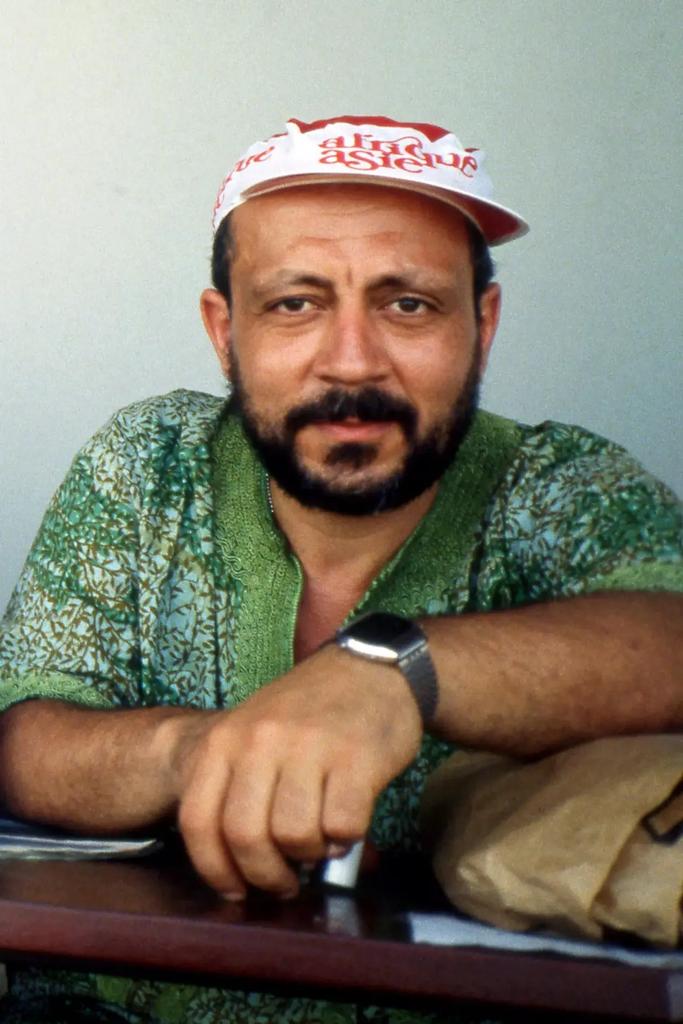
Photography added another dimension to Mahjoub’s journalism. His written reports covered results, performances and major milestones. His photographs, meanwhile, captured the faces, places and emotions behind those events.
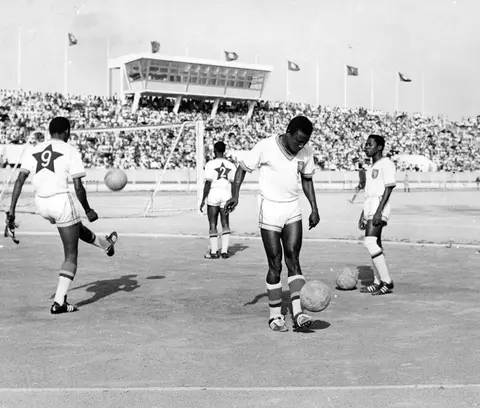
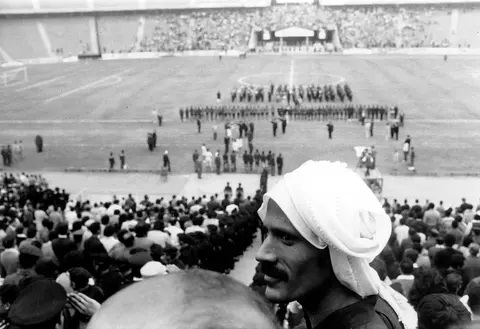
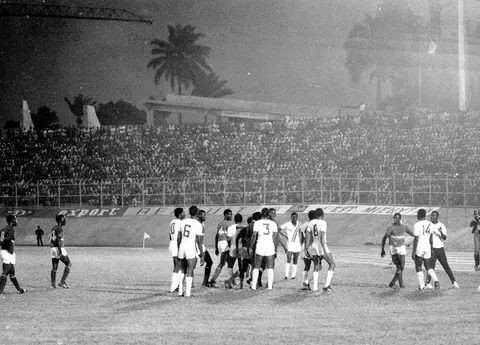
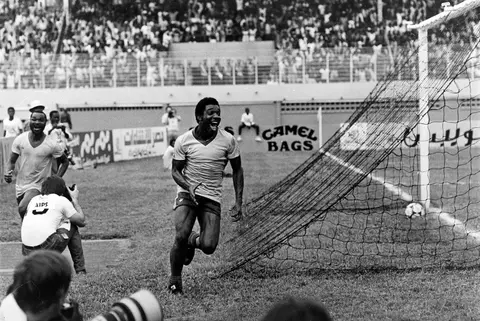
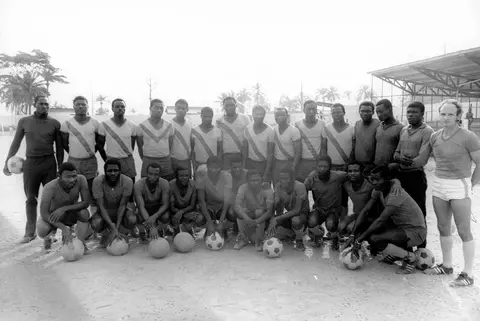
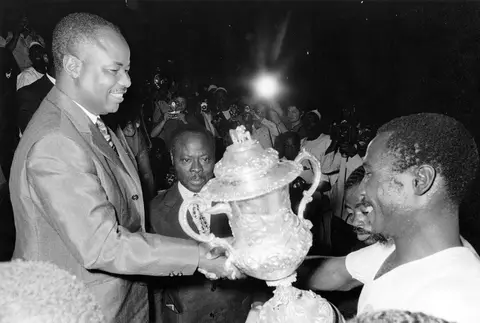
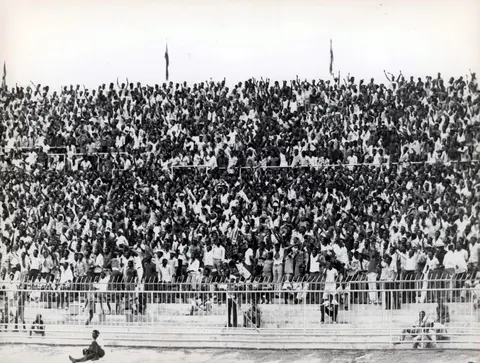
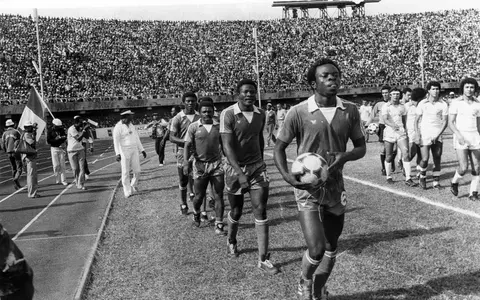
His archive includes images from the Africa Cup of Nations and other important moments in African football. Across several decades, these photographs document players, supporters and competitions during a period of significant change.
However, preserving this history is not always easy. Many older photographs remain scattered across private collections, newspapers and institutional archives. Some have incomplete captions or uncertain dates. Others have lost important details about the people they portray.
This is where collections built by experienced journalists become particularly valuable. Mahjoub knew the game first-hand. His knowledge helps connect individual photographs to the matches, personalities and events behind them.
His collection also offers something that modern broadcasts and digital databases cannot always provide. Older photographs preserve stadiums, supporters and moments that might otherwise disappear from public memory.
The FIFA Museum has also recognised the value of his work. It has used his photographs to illustrate the history of the Africa Cup of Nations.
The Africa Cup of Nations Through Faouzi Mahjoub’s Lens
The Africa Cup of Nations occupies a central place in Mahjoub’s photographic legacy. Since its early editions, the competition has reflected the development of African football and the emergence of new continental powers.
His photographs capture more than the action on the pitch. They also show how people experienced football across different countries and generations. Supporters, celebrations and the atmosphere around major matches all form part of this visual record.
The early editions offer a glimpse into the tournament’s formative years. The 1962 competition in Ethiopia was followed by the 1965 edition in Tunisia. Both marked important stages in the development of what would become one of Africa’s biggest sporting events.
The following decades brought new champions and memorable milestones. Cameroon hosted the 1972 edition, while Ghana won the competition in 1978. Nigeria followed with victory in 1980.
Cameroon then secured its first continental title in 1984. Two years later, Egypt hosted the 1986 edition, reflecting the competition’s growing profile.
These tournaments produced some of the most recognisable names and teams in African football. Yet Mahjoub’s archive goes beyond champions and final scores. His photographs preserve the wider story of each competition, including the people, places and emotions surrounding the game.
For today’s readers, these images offer a connection to an earlier era. Statistics and match reports can explain what happened, but photographs bring those moments closer. They also allow younger generations to discover the people and experiences that shaped the tournament.
FIFA’s historical presentation draws on Mahjoub’s archive to revisit the Africa Cup of Nations between 1962 and 1986.
His Books and Contribution to African Football
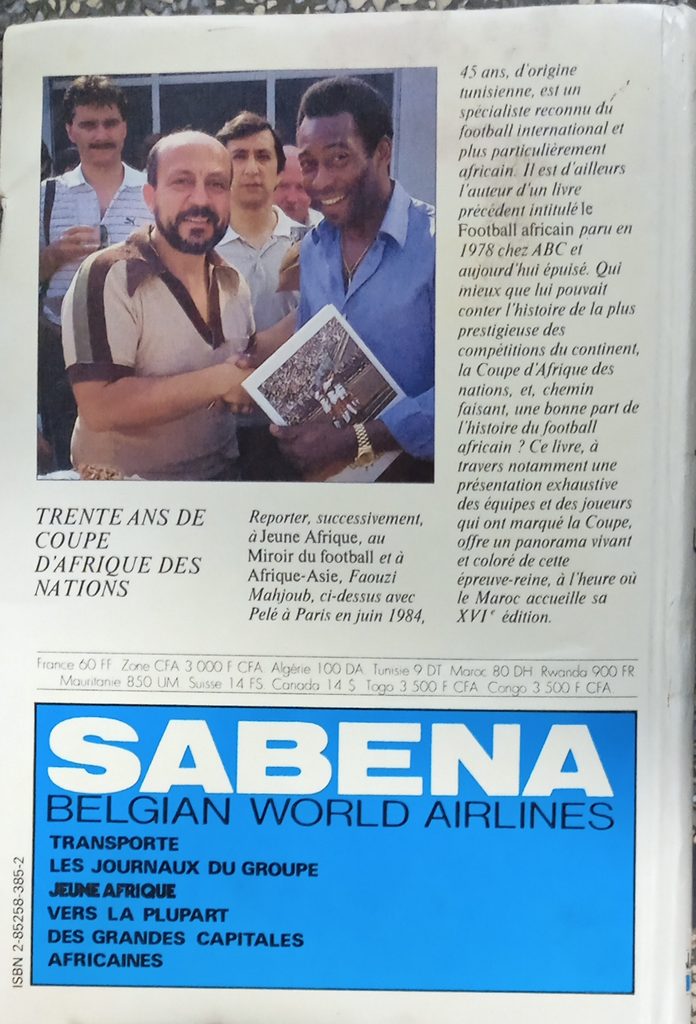
Mahjoub’s work extended well beyond journalism and photography. He also wrote books exploring African football, its history and the institutions responsible for its development.
Among his published works are Le Football africain (1978), La Confédération africaine de football and 30 ans de Coupe d’Afrique des nations (1988).
These publications reflect his interest in both the history of the game and the organisations behind its major competitions.
Documenting football history requires more than recalling famous matches. It involves collecting information, comparing accounts and identifying the developments that shaped the sport.
Mahjoub had the opportunity to follow many of these changes first-hand. His journalism recorded events as they unfolded. His books placed them within a wider historical context. Meanwhile, his photography preserved visual evidence of the people and occasions he encountered.
Together, these different forms of work created a valuable record. His writing documented the history of African football, while his photographs brought its atmosphere and personalities to life.

His Role in African and International Football
Mahjoub’s knowledge of African football eventually brought him closer to some of the sport’s leading institutions.
Between 1988 and 2004, he served as a press adviser to the Confederation of African Football (CAF). He also joined FIFA’s Media Committee, where he served from 1990 to 2006.
These positions placed him within the international structures responsible for organising and promoting football. They also reflected the expertise he had developed through years of reporting and research.
Throughout his career, Mahjoub worked across different areas of the sport. He interacted with journalists, football administrators, players and supporters. This experience gave him a broader understanding of football and the institutions that shape it.
He saw the game as more than a sporting spectacle. For him, it was also an institution with a history worth documenting.
This combination of professional experience and historical knowledge gives his archive much of its importance. His photographs reflect the perspective of someone who witnessed the sport’s development while remaining closely connected to its people and institutions.
The FIFA Archive and the Preservation of His Photographs
A major milestone in the history of Mahjoub’s work came in 2011, when FIFA acquired his archive.
The collection contained thousands of photographs, alongside a substantial number of documents related to football. Together, these materials preserve decades of African football history.
Archives play an essential role in understanding the past. A photograph can capture a particular moment, while accompanying documents can explain when it happened, which competition it involved and why it mattered.
Keeping these materials together makes them more valuable. Researchers, historians, journalists and football supporters can use them to explore the sport’s development.
Mahjoub’s collection provides direct access to earlier decades of African football. It also connects contemporary audiences with a sporting history that cannot be reconstructed through modern coverage alone.
Preservation remains essential to this process. Old photographs and documents can deteriorate, disappear or become separated from their original context. Bringing them together in an organised archive helps protect them for future generations.
FIFA’s use of Mahjoub’s photographs in its historical presentation of the Africa Cup of Nations demonstrates the lasting value of his work.
A Journalist’s View of Football’s Changing Values
Mahjoub’s relationship with football went beyond its most celebrated moments. Accounts of his career also highlight his humanist outlook and his concerns about the growing commercialisation of the sport and the treatment of players.
This perspective adds another dimension to his legacy. Football is often discussed through trophies, transfers, sponsorships and financial growth. Yet its history is also shaped by the people whose lives and work give the game its meaning.
Having followed African football for decades, Mahjoub witnessed both its achievements and its challenges. The growth of major competitions brought greater visibility and new opportunities. At the same time, it raised questions about who benefited from the sport’s increasing commercial value.
His historical work can therefore be viewed as an effort to preserve football’s human and cultural dimensions. Players, supporters and communities are not simply part of the background. They are central to the story of the game.
Faouzi Mahjoub’s Final Years and Death
Mahjoub died in Paris on 31 March 2014, aged 72. His death prompted tributes from people familiar with his contribution to African and international football.
His career had spanned several decades of change. During that time, he witnessed the growth of the Africa Cup of Nations, followed the careers of major players and documented the institutions shaping African football.
He also built an extensive archive of photographs and documents. Although his personal work came to an end with his death, the collection continued to serve an important purpose.
His photographs and records allow later generations to revisit the history he spent decades documenting. Even those who never met him can discover his work and gain a better understanding of African football.
An archive gives a journalist’s work a life beyond the period in which it was created. It allows future audiences to encounter events, people and places through the eyes of someone who witnessed them.
Faouzi Mahjoub’s Legacy in African Football History
Faouzi Mahjoub’s legacy extends across journalism, photography, authorship and football history. Describing him only as a photographer would overlook the wider contribution he made to documenting the sport.
His journalism recorded events as they happened. His books explored the history and institutions of African football. His photographs preserved people, places and moments that might otherwise have been forgotten.
Together, these contributions provide a broader picture of African football. They go beyond famous names and celebrated finals to capture the atmosphere, personalities and experiences behind the game.
The continued use of his photographs by the FIFA Museum demonstrates the lasting relevance of his archive. His collection remains part of the historical material through which audiences can explore the Africa Cup of Nations and the development of African football.
Mahjoub did not observe the sport from a distance. He spent decades working close to its competitions, people and institutions. The photographs he left behind now allow others to revisit the moments he witnessed.
For anyone researching African football history, his work offers an important reminder: the story of the game is preserved not only by those who win its trophies, but also by those who document its journey.
Sources: