


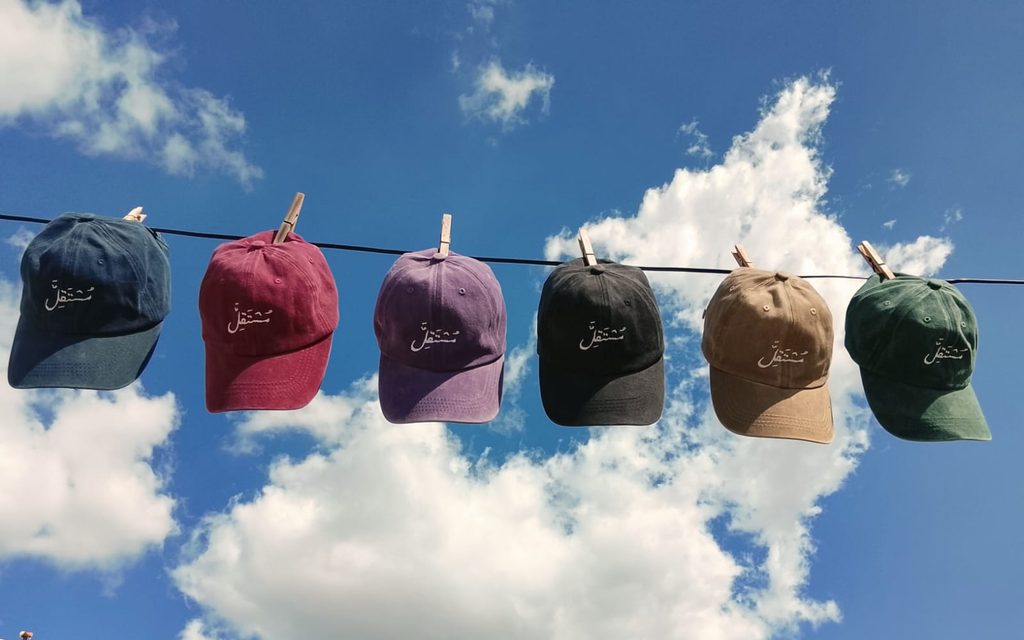
Mostakil is Independent!
There are artists who spend their careers trying to be seen. Then there are artists who seem to understand that being seen is not the same thing as being understood.
Mohamed Amine Bouteraa, better known as Masta, and at times Ineed$, belongs to the second category.
His name does not immediately arrive with the usual avalanche of information. Search for him and you will not necessarily find a carefully packaged biography, an endless archive of interviews, or a digital trail designed to explain every chapter of his life. There are fragments instead: appearances, concerts, photographs, collaborations, music, fashion, and traces of a creative life that has always seemed larger than what eventually reaches the public.
That distance is not accidental.
Masta has built something around the idea of selection. He creates constantly, but he does not believe everything deserves to be released. He moves between music, visual culture, fashion and design, absorbing influences from different worlds and bringing them back into his own language. The result is less a conventional artistic career than a continuously evolving universe.
At the center of that universe sits Mostakil Project.
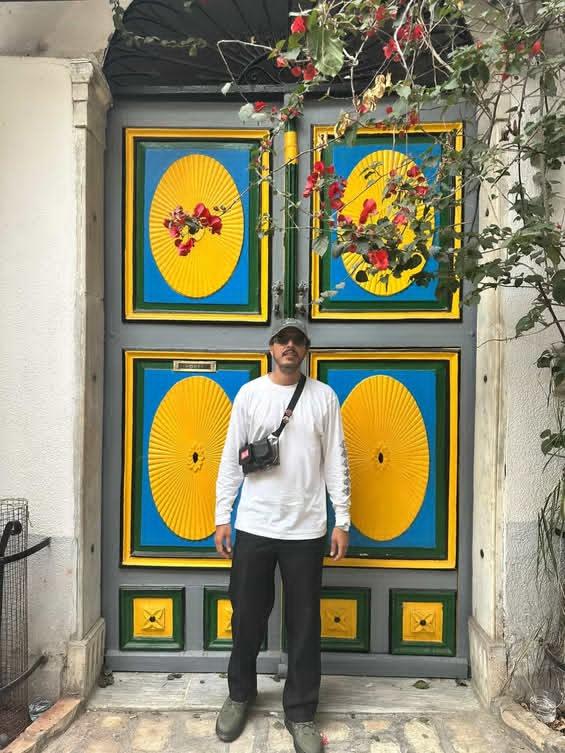
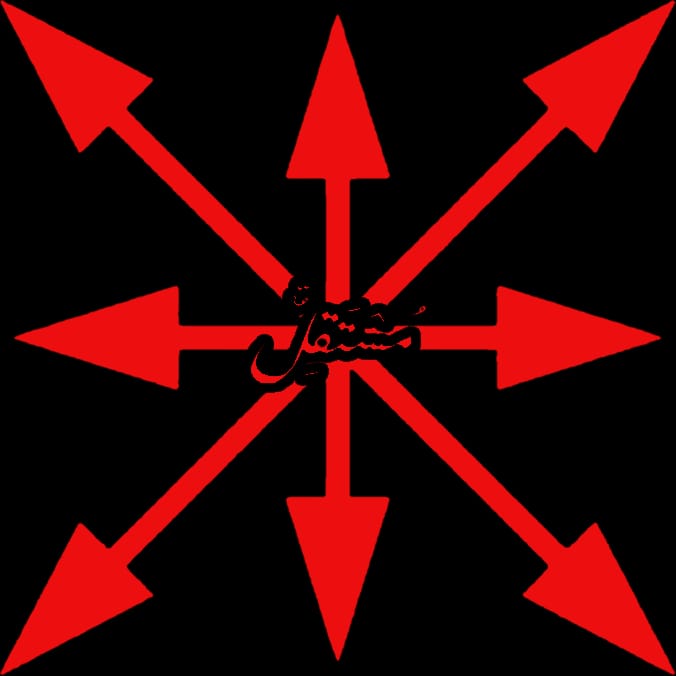
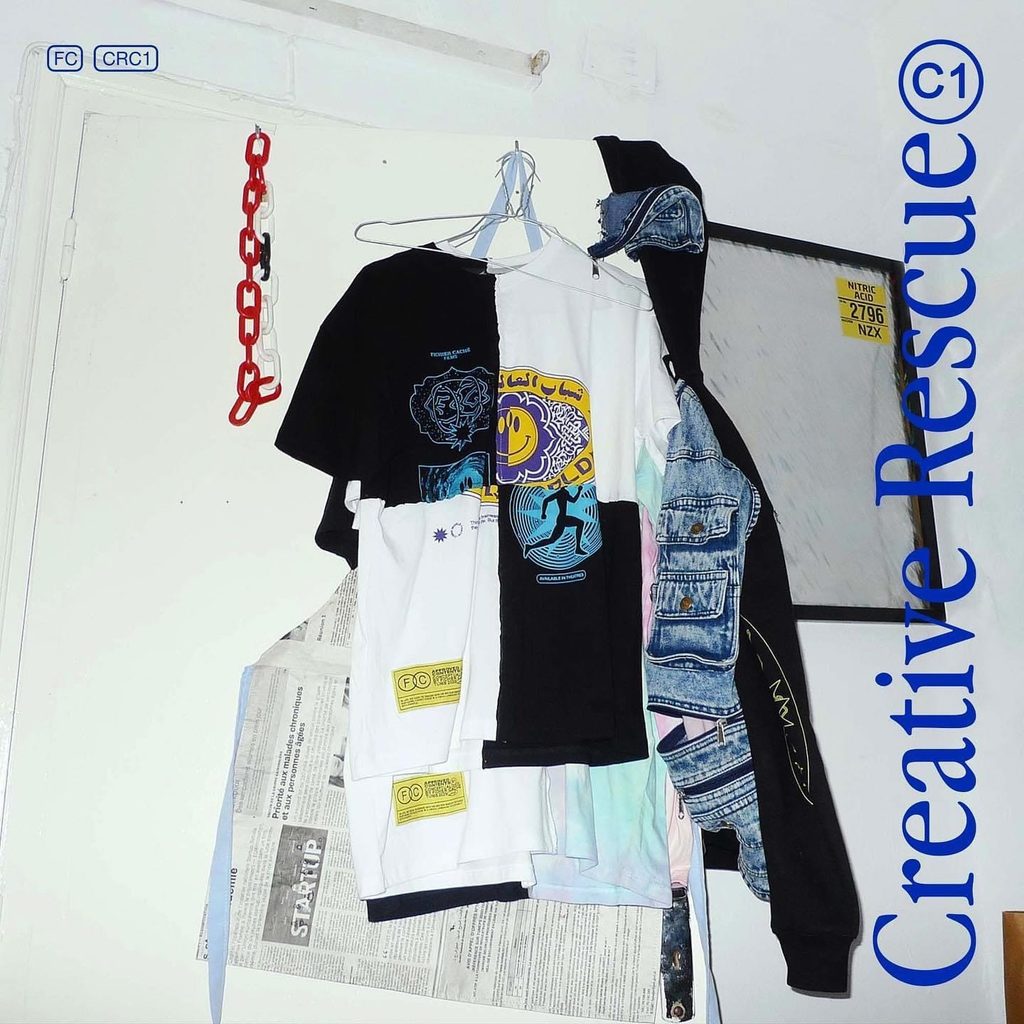
Its defining phrase, “Life after life,” sounds less like a slogan than a philosophy. It suggests continuation rather than conclusion: the possibility of taking something that already exists and giving it another existence, another form, another meaning.
That idea is particularly revealing when placed alongside Masta’s trajectory.
He began his professional career at 22, moving through several artistic projects rather than choosing a single discipline and remaining inside it. Music was the first major language, but it was never intended to be the last.
Masta’s story begins in Bellevue, a neighborhood in Tunis that carries layers of history and memory. For him, it was more than an address. It was a starting point.
“I always told myself that this was where I had to exist and where I had to begin,” he recalls.
That sentence explains something fundamental about his approach. Before the ambition to travel, collaborate, experiment or build something beyond Tunisia, there was the need to establish a point of origin.
The neighborhood became part of the mythology.
So did the street.
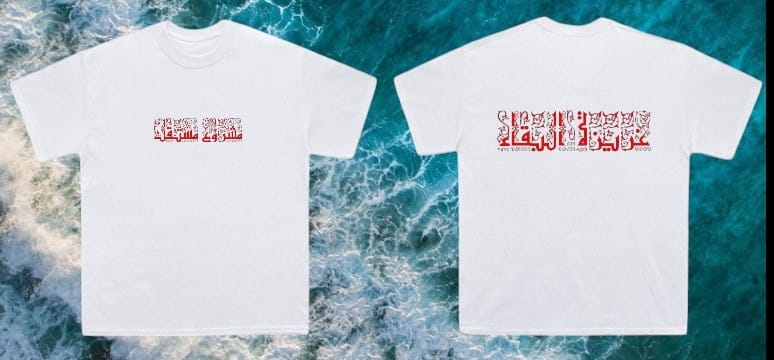
Strongly influenced by American culture, Masta entered the world of street culture and became connected with B(break)boys Station at Tunis railway station. It was an environment where music, movement, style and identity were not separate categories. They existed together, influencing one another and creating a vocabulary of their own.
For a young artist, that kind of environment can be formative. It teaches you that culture is not necessarily something you consume from a distance. It is something you inhabit.
In 2006, Masta stepped onto a stage for the first time at a concert organized by the Maison des Jeunes in Menzah 6. The opportunity came through a friend who invited him to become part of a group.
It was modest in scale, but significant in consequence.
“I felt for the first time that I could express myself,” he says.
The sentence is simple. The consequences were not.
That first performance opened the door to a musical trajectory that would eventually connect Masta to Fresh Money Gang, a group he joined in 2006. The experience became one of the early foundations of his identity as an artist.
But groups evolve. People move. Scenes change.
After Fresh Money Gang dissolved, Masta joined TrllxGng in 2010. The collective would go on to become an important presence within Tunisia’s rap and hip-hop landscape, developing its own codes and, more importantly, its own way of existing.
TrllxGng was never simply about releasing music.
It became a lifestyle.
Since 2011, the collective has represented a distinct aesthetic and set of values, producing continuously while releasing only a fraction of what it creates. That decision matters. In an era when musicians are often encouraged to turn every unfinished thought into content, there is something almost radical about keeping work hidden.
Masta understands the difference between production and publication.
An artist can make hundreds of things without believing that the public needs to see hundreds of things.
The work that survives the selection process becomes more important precisely because so much remains unseen.
This is where Masta’s mysterious image begins to make sense.
The mystery is not necessarily an attempt to create distance for its own sake. It comes from control. He reveals what he wants to reveal. He decides what enters the world and what remains inside the studio, the archive, the sketchbook or the imagination.
The press dossier describes him as an artist with a style that is unconventional and multifaceted, but always controlled. He does not show everything.
In a culture built around constant visibility, that restraint becomes its own form of expression.
Masta’s work exists somewhere between music and image, between sound and silhouette, between the street and the studio.
His influences are international, but his starting point remains Tunis.
This tension is essential.
He has spent years looking outward, absorbing trends and ideas from Western culture, while simultaneously trying to transform those influences through his own creations. The goal is not simple imitation. It is translation.
Take something from somewhere else.
Break it apart.
Understand its energy.
Then rebuild it through your own environment.
That process can be heard in the way Masta approaches artistic identity. His work does not seem interested in choosing between Tunisian and international culture. Instead, it operates in the space where the two can collide.
The result is a kind of contemporary Tunisian identity that does not ask permission to be futuristic.
For Masta, the future is not necessarily somewhere else.
It can begin in Bellevue.
It can begin at Tunis railway station.
It can begin on a stage at a youth center in Menzah 6.
It can begin with a group of friends making music before anyone outside their circle is paying attention.
And it can eventually become Mostakil Project.
The word “Mostakil” carries a powerful idea of independence, and that idea appears throughout Masta’s artistic trajectory. He has never seemed particularly interested in fitting comfortably into one category. Musician is not enough. Designer is not enough. Fashion figure is not enough. Visual artist is not enough.
The more accurate description is multidisciplinarity.
According to the press dossier, Masta has continuously explored different artistic fields while bringing Western trends into his own creative practice.
That instinct becomes particularly important when considering his growing interest in sustainable fashion and fashion design.
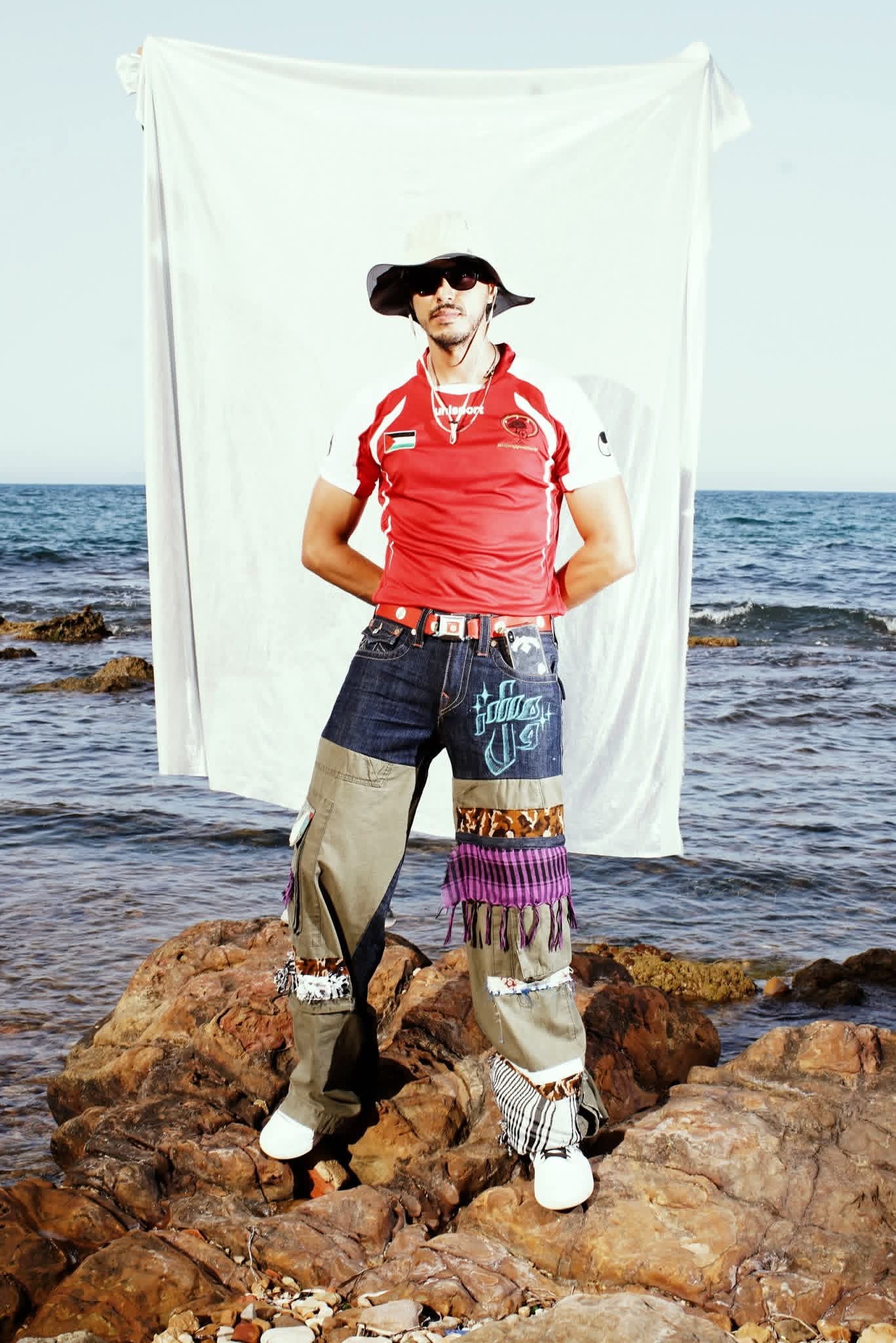
For an artist already interested in music and street culture, fashion is not an entirely different world. It is another way of constructing identity.
Before an artist says anything, there is often a silhouette.
Before the music starts, there is an image.
Before an audience hears a lyric, it sees a person standing under the lights.
Clothing can carry history, attitude, class, rebellion, nostalgia and aspiration. In street culture, fashion has always been closely connected to music. One feeds the other.
Masta appears to understand this relationship instinctively.
His ambition is not simply to participate in fashion, but to build a design language connected to the wider ecosystem of his artistic work.
That is where Mostakil Project becomes more interesting than a conventional fashion label.
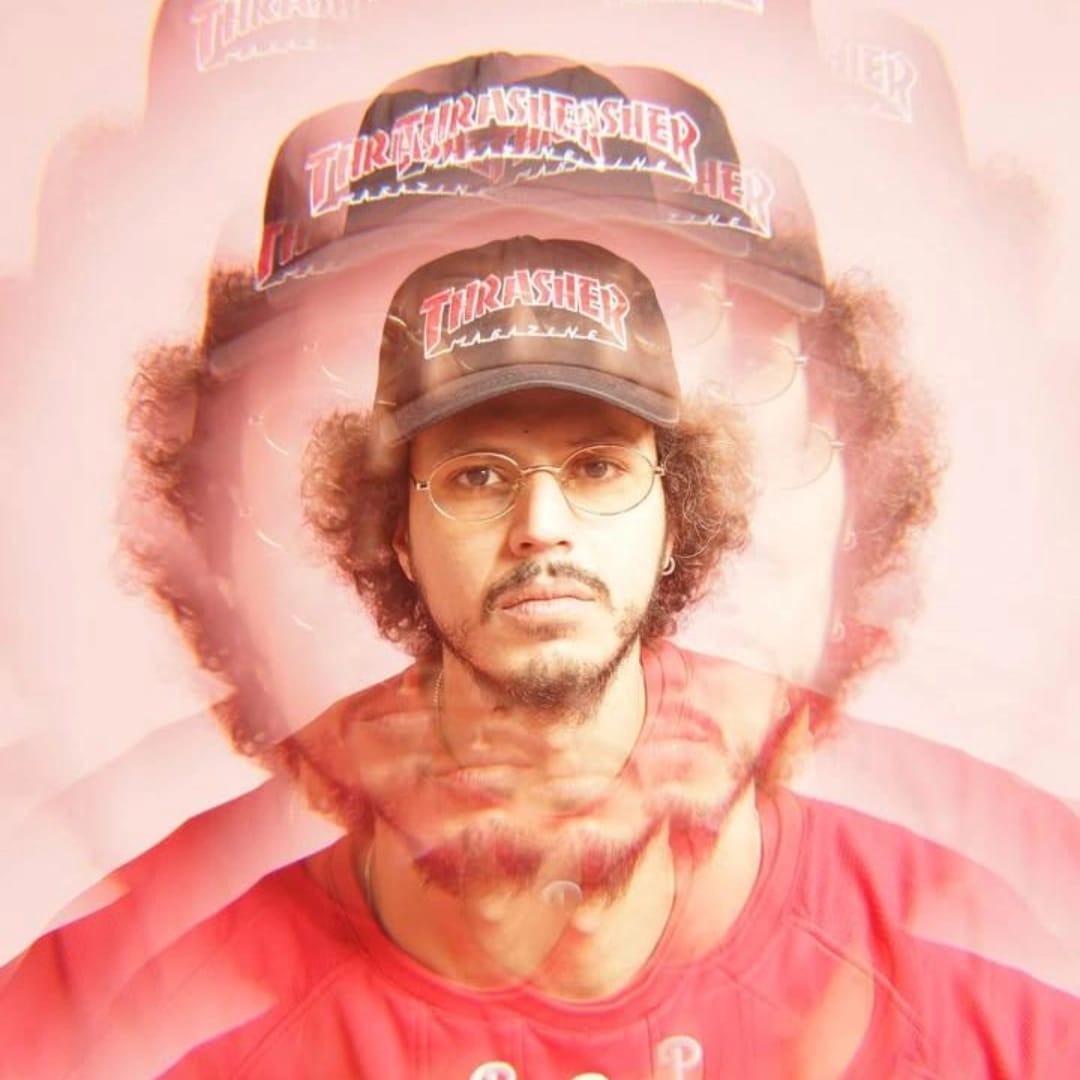
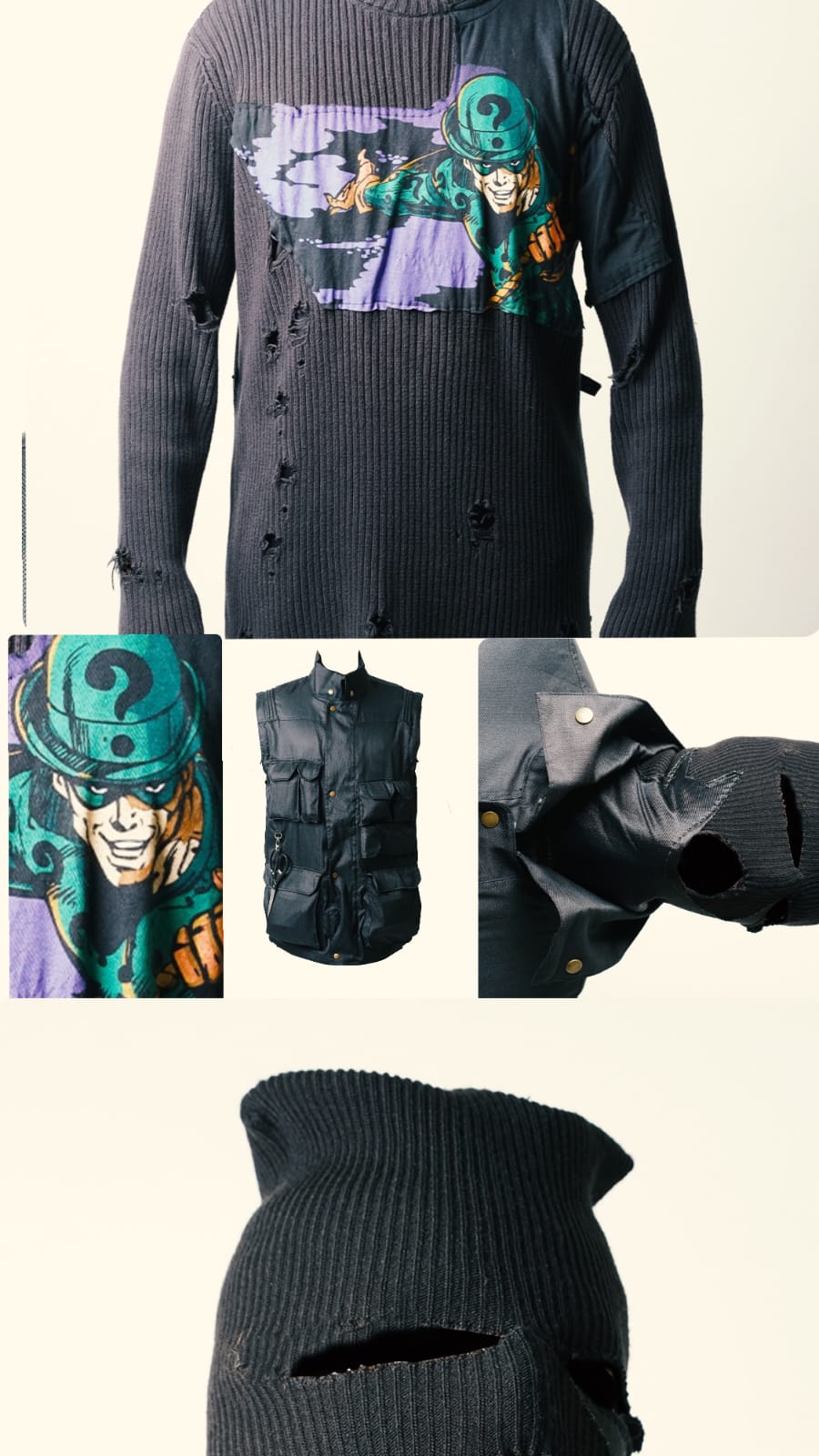
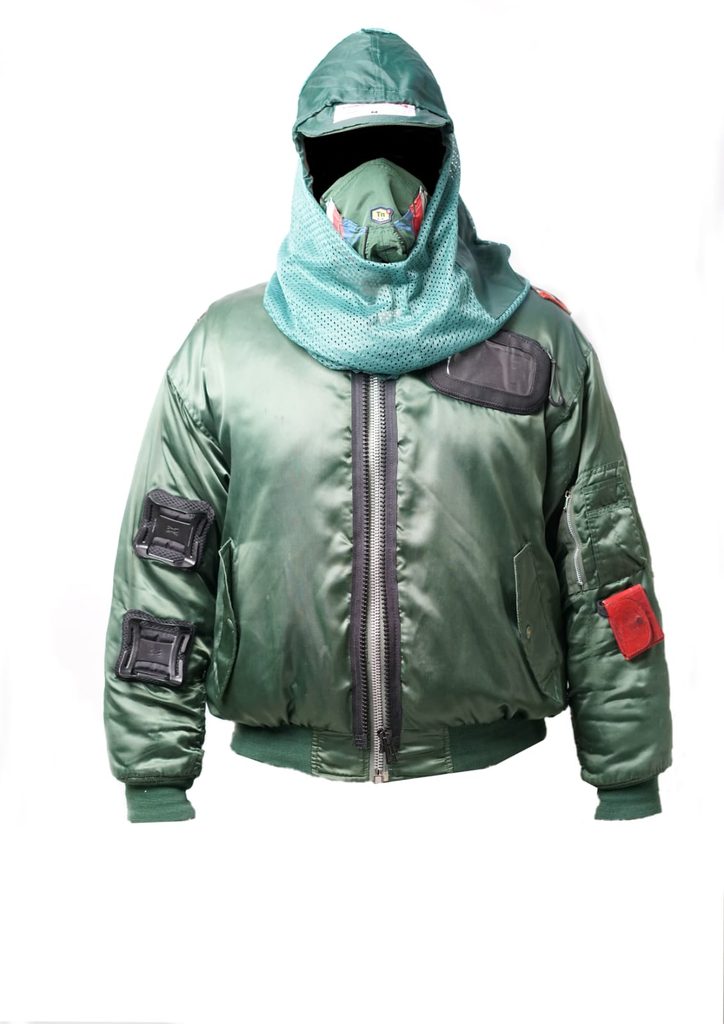
It can be understood as an extension of the same philosophy that shaped his music: independence, selection, experimentation and transformation.
The project does not have to exist inside a single medium.
It can move.
From sound to clothing.
From clothing to image.
From image to collaboration.
From collaboration to performance.
From one generation of artists to another.
The dossier notes that Masta has been in contact with numerous international artists and seeks strong collaborations with talented artists of his generation for Mostakil Project.
That ambition places collaboration at the center of the project.
But collaboration, in Masta’s world, is not necessarily about attaching famous names to a product. It is about creating a meeting point between different artistic languages.
A musician can bring sound.
A photographer can bring atmosphere.
A designer can bring form.
A filmmaker can bring movement.
A performer can bring presence.
The project becomes the space where these languages meet.
This is also why the phrase “Life after life” feels so appropriate.
An idea does not have to die when its first form ends.
A song can become an image.
An image can become a garment.
A garment can become a performance.
A performance can become a memory.
A memory can become the starting point for something entirely new.
Life after life.
The phrase begins to describe not only Mostakil Project but Masta himself.
His career has already passed through several lives.
The teenager influenced by American culture.
The young man discovering street culture.
The breakdance environment around Tunis railway station.
The first stage at Menzah 6.
Fresh Money Gang.
TrllxGng.
The musician.
The collector of influences.
The designer.
The person behind the image.
The person deliberately withholding part of the image.
And now the architect of a project that seems determined to exist somewhere beyond the traditional boundaries of the Tunisian music industry.
There is a contradiction at the heart of all of this.
Masta is deeply connected to culture, yet he does not appear interested in explaining himself completely.
He wants to create, but not necessarily document every act of creation.
He wants to collaborate internationally, while maintaining a strong relationship with his point of origin.
He is influenced by global culture, yet his artistic identity emerges from a very specific Tunisian geography.
He is visible enough to be recognized, but elusive enough to remain difficult to define.
That contradiction may be his greatest strength.
Artists are often pressured to become brands. The modern music industry rewards consistency: the same aesthetic, the same story, the same image, the same audience, the same message repeated until recognition becomes familiarity.
Masta seems to resist that model.
His identity is not built around repetition.
It is built around evolution.
That makes his work harder to categorize, but potentially more interesting over time.
The most compelling artists are not always the ones who make the most noise.
Sometimes they are the ones who leave gaps.
Spaces where the audience has to imagine.
Masta’s limited public footprint, described in the dossier as consisting largely of a small number of specialized media articles and appearances at concerts or private events, contributes to precisely that feeling.
In another context, that might look like a lack of exposure.
Here, it feels closer to strategy.
There is something almost old-fashioned about the idea of protecting an artistic world from complete accessibility.
Before social media turned musicians into twenty-four-hour broadcasters, artists could disappear between releases. An album could exist without a daily stream of behind-the-scenes footage. A designer could develop an entire collection before revealing it. A visual identity could remain mysterious.
Masta seems to retain some of that instinct.
He protects the light by controlling where it falls.
The press dossier calls him a “mysterious” character, full of resources and capable of surprising audiences through his creations and artistic reflections.
That mystery is useful because it leaves room for the next chapter.
And the next chapter is ultimately what Mostakil Project is about.
Not nostalgia.
Not a museum of everything Masta has already done.
Not a simple continuation of his music career.
Something else.
A second life.
Maybe a third.
Maybe many.
There is a temptation, when discussing Tunisian artists, to frame them through the question of representation: how does this person represent Tunisia abroad? How does this music compare with international movements? How does this artist fit into the regional scene?
Masta’s story suggests another question.
What happens when an artist stops asking where he belongs and starts building his own territory?
Mostakil Project could be understood as that territory.
It is rooted in Tunis but open to the world. It draws from street culture, music, fashion and contemporary visual language. It embraces collaboration without surrendering identity. Most importantly, it allows Masta to remain difficult to define.
And perhaps that is exactly the point.
The future of contemporary culture is increasingly hybrid. Musicians become designers. Designers become filmmakers. DJs become curators. Fashion labels become cultural platforms. A song can exist simultaneously as music, image, clothing and social memory.
Masta’s multidisciplinary approach places him naturally inside that changing landscape.
His story began with music, but music was only the first door.
The rest of the building is still being explored.
There is a particular image that follows the story: a young artist standing in front of an uncertain future, carrying influences from the United States, memories from Tunis, experiences from the street, years of music, unfinished projects and ideas that may never become public.
He does not seem particularly interested in rushing.
Perhaps because he understands something the current culture often forgets:
not everything needs to happen immediately.
Some things need to develop in silence.
Some projects need years before they find their form.
Some artists need to disappear for a while in order to return with something worth seeing.
Masta’s career has already moved through several transformations. Fresh Money Gang became part of the past. TrllxGng became another chapter. Music opened the door to wider artistic possibilities. Fashion emerged as a new direction. Mostakil Project now gathers these impulses into a broader creative proposition.
Life after life.
It is a fitting name for an artist who has never treated identity as a finished product.
Maybe the real story of Masta is not about becoming famous.
Maybe it is about becoming impossible to reduce.
A rapper, but not only a rapper.
A designer, but not only a designer.
A fashion figure, but not only a fashion figure.
A Tunisian artist, but not confined to one definition of Tunisian art.
A contemporary artist, but one who still carries the memory of the street.
A mysterious figure, but one whose work keeps leaving traces.
The traces are enough.
For now.
Because somewhere between the streets of Tunis, the stages where he first learned to express himself, the music that shaped his early years, the collective culture of TrllxGng and the future-facing ambitions of Mostakil Project, Masta has built something more valuable than a biography.
He has built a mythology.
And mythology works differently from biography.
Biography tells you what happened.
Mythology makes you wonder what happens next.
For Masta, the answer may already be contained in the name of the project.
Life after life.
The first life was music.
The next one might be fashion.
Then design.
Then collaboration.
Then something that does not yet have a name.
And that may be the most interesting thing about Masta: the story does not feel finished because he does not seem interested in finishing it.
He is still building.
Still selecting.
Still hiding some things.
Still revealing others.
Still looking outward.
Still returning home.
Still searching for the next form.
And somewhere between what he has shown and everything he has chosen not to show, Mostakil Project waits for its next life.
Post a Comment