


Hany Shenouda, the Visionary Behind Al Massrieen, Has Passed Away
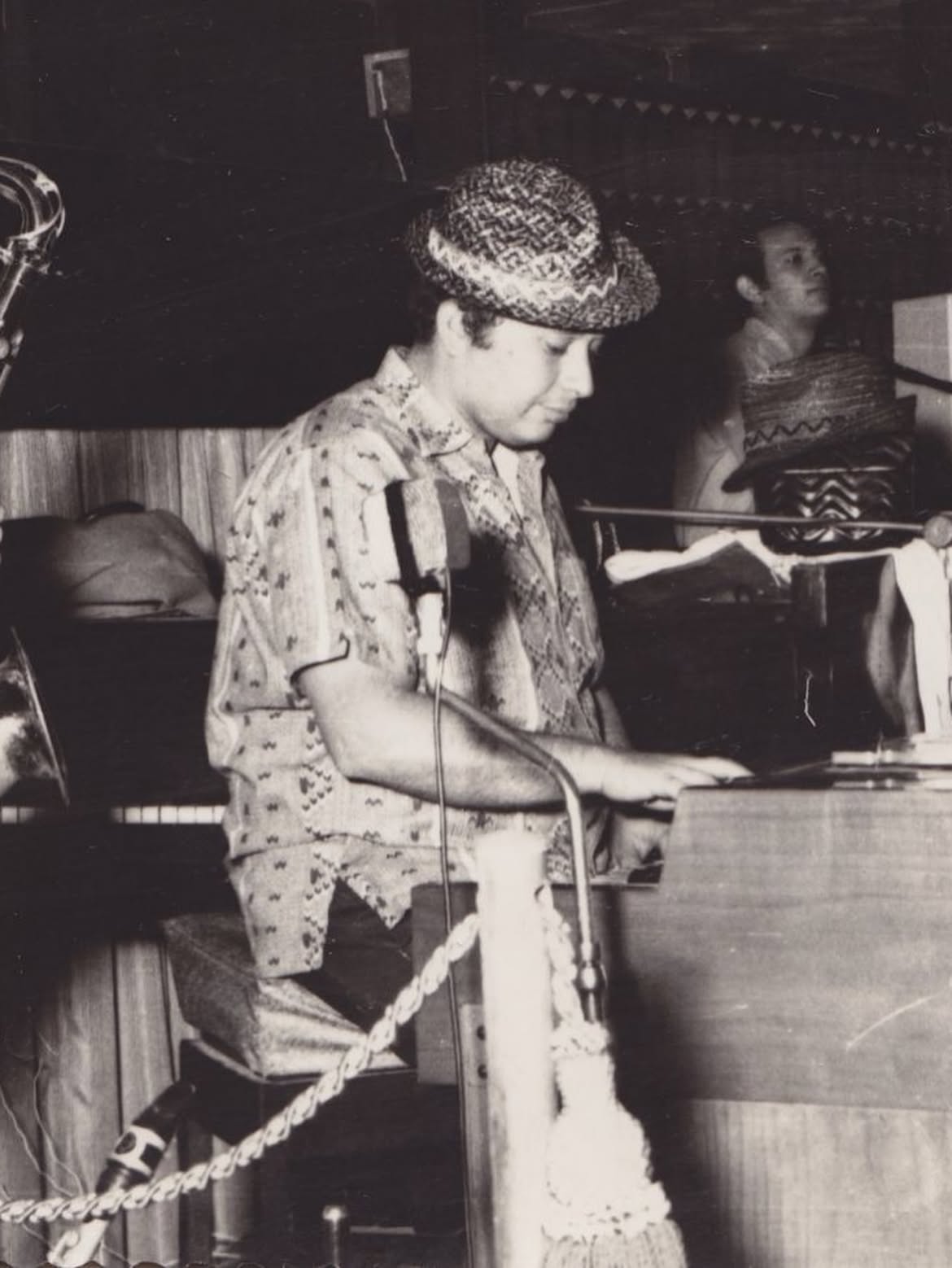
The Arab music world has lost one of its greatest innovators. Hany Shenouda, the celebrated Egyptian composer, producer, arranger and founder of Al Massrieen, has passed away at the age of 82. His career transformed the sound of Egyptian popular music and introduced a modern musical language that continues to influence artists across the Middle East and North Africa.
Born in Tanta, Egypt, in 1943, Hany Shenouda developed an early passion for music and studied at the Faculty of Music Education in Cairo. During the 1960s, he performed with several bands, including the pioneering Les Petits Chats, one of Egypt’s first rock and pop groups. At a time when Western musical influences were gradually entering the Egyptian music scene, Shenouda became known for his ability to blend contemporary sounds with Arabic musical traditions.
A defining moment in his early career came when legendary singer Abdel Halim Hafez invited him to assemble a new orchestra that would accompany him on stage. The project was never realized following Hafez’s untimely death in 1977. Rather than slowing his artistic ambitions, the experience encouraged Shenouda to pursue a new direction that would ultimately reshape Egyptian popular music.
In 1977, Hany Shenouda founded Al Massrieen, a group that would become one of the most influential bands in the history of Arabic music. Working alongside lyricist Omar Batiek, the band introduced a fresh sound that combined disco, funk, jazz, rock and sophisticated pop with socially conscious Arabic lyrics. Albums such as Bent El Soltan, Mabahes El Kahraba and Hanzaker became landmarks of Egyptian music and remain widely celebrated decades after their release.
Beyond Al Massrieen, Hany Shenouda played a major role in shaping the careers of many Egyptian artists. As a composer, arranger and producer, he collaborated with some of the country’s biggest names, including Mohamed Mounir, Amr Diab, Ali El Haggar, Mohamed El Helw, Simone, Mona Abdel Ghani and Anoushka. His productions introduced modern instrumentation and studio techniques that helped define the sound of Egyptian music during the 1970s, 1980s and beyond.
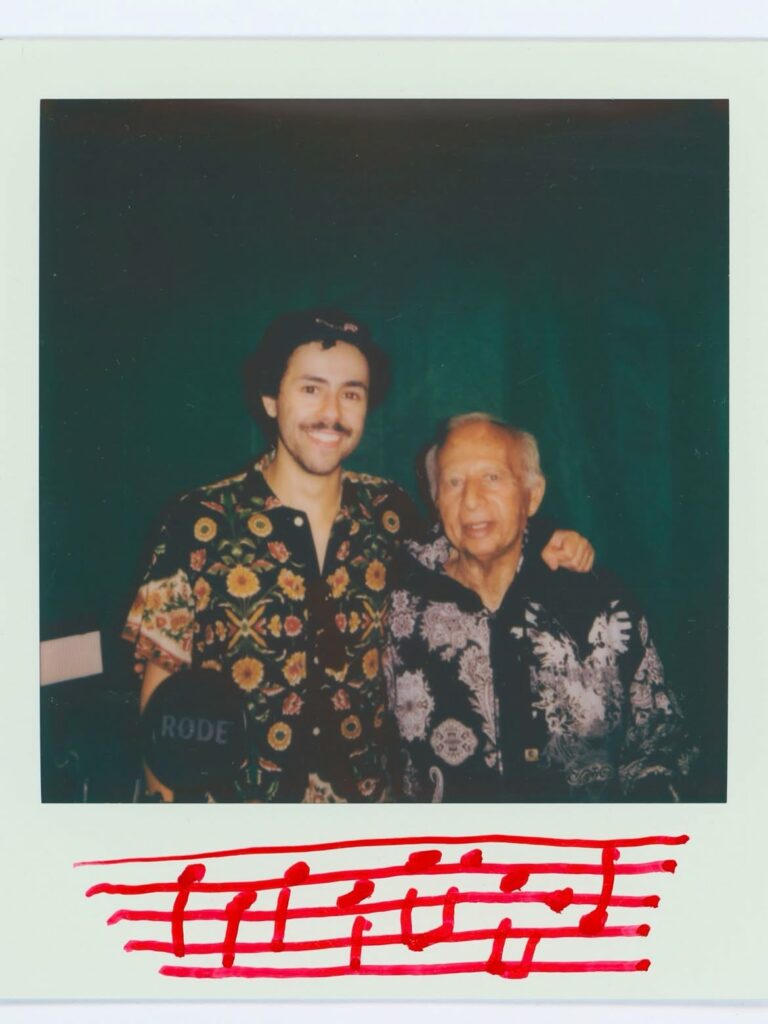
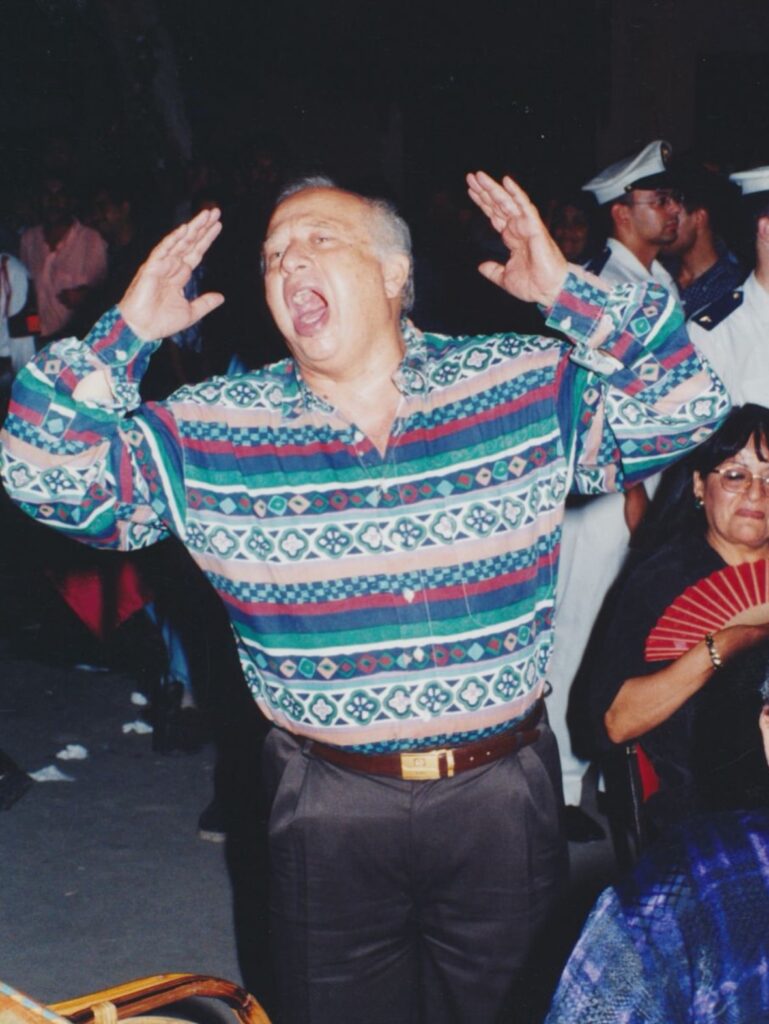
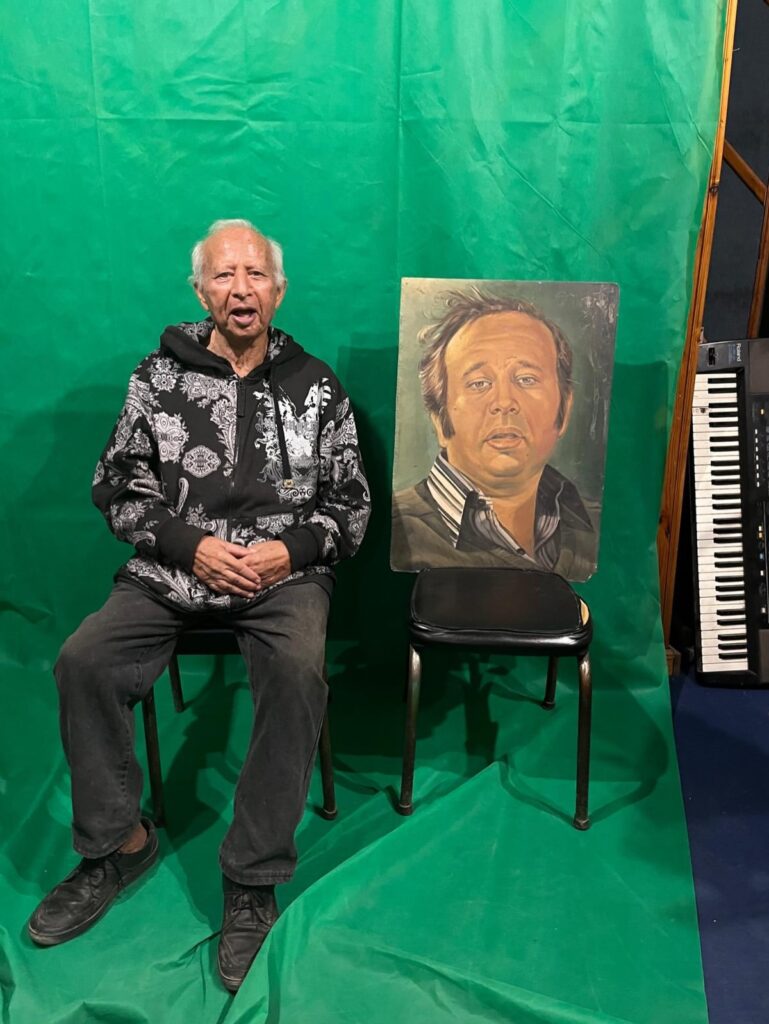
What distinguished Hany Shenouda throughout his life was his constant desire to innovate. While many artists became associated with a particular era, he continued to embrace new technologies, younger audiences and changing musical trends. As his recordings found new listeners through streaming platforms and vinyl reissues, Shenouda welcomed a new generation of fans. He remained active on social media, gave interviews and collaborated with emerging musicians, proving that creativity has no age.
His influence has also reached far beyond Egypt. Music collectors, DJs and record labels around the world have rediscovered Al Massrieen’s recordings over the past decade, introducing Shenouda’s work to international audiences and reaffirming his place as one of the pioneers of modern Arab music.
Hany Shenouda’s passing marks the end of an extraordinary chapter in Egyptian cultural history. Yet his legacy lives on through the timeless recordings he created, the artists he mentored and the musical boundaries he challenged. His work continues to inspire musicians, researchers and listeners who see in his career a rare combination of artistic excellence, innovation and cultural authenticity.
Post a Comment