Irfan Magazine: The Magazine for Children Everywhere
By Tunez Magazine ·
When Abdelhamid El Ksentini and his colleagues conceived Irfan magazine, they set out to combine education, culture and the joy of childhood in a newly independent Tunisia. The team included educators, youth leaders and writers associated with the Tunisian Union of Youth Organizations. They believed children needed a publication rooted in Tunisian identity while encouraging curiosity, discovery and imagination.
El Ksentini brought experience in youth education and journalism. He believed childhood deserved respect and that children’s magazines could do more than entertain. They could also develop language skills, moral values and civic awareness from an early age.
Irfan was launched in 1966 with the support of the Tunisian Union of Youth Organizations, which provided institutional backing and initial funding. Its name evoked knowledge and understanding, while its slogan, “magazine for children everywhere,” reflected its broad ambitions.
Printed by Dar Al Amal, a publisher known for quality colour printing, Irfan offered an attractive visual experience. Each issue contained around 36 pages, including approximately 11 pages of comics and illustrations.
The magazine brought together a wide range of content. Writers contributed short stories and poems, while educators explained scientific ideas in simple terms. Readers could also enjoy puzzles, riddles and short plays designed for school performances. Moral stories inspired by Tunisian life added another dimension to the publication.
Through this varied approach, Irfan sought to nurture children’s imagination, develop their knowledge and strengthen their connection to Tunisian culture.
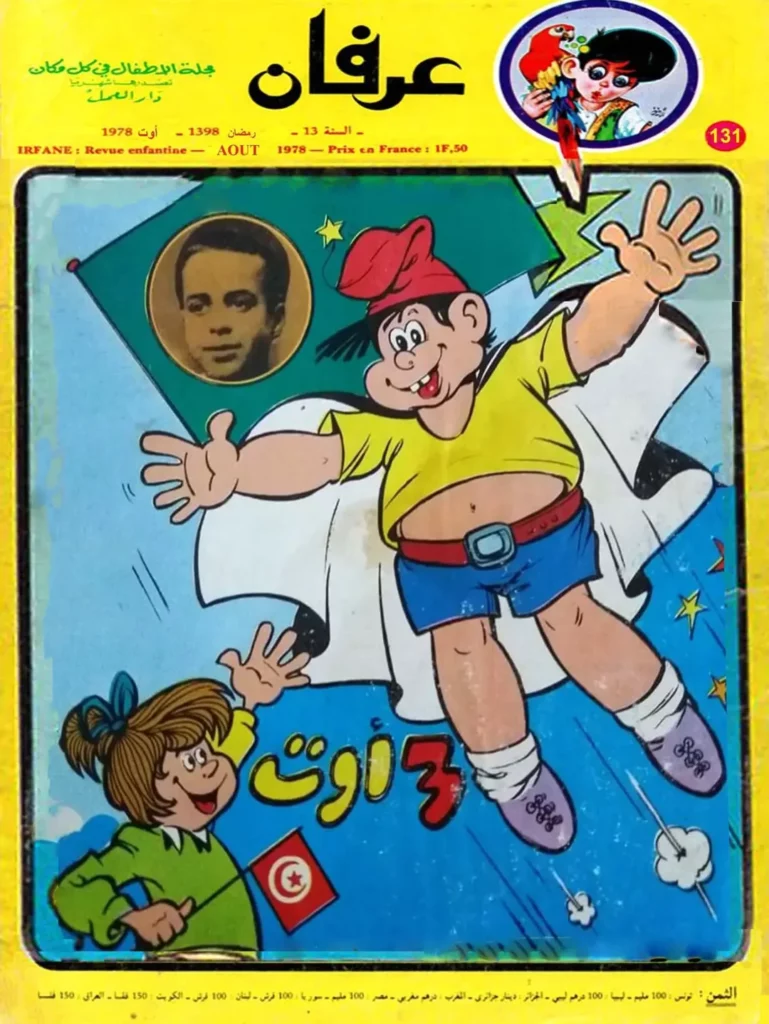
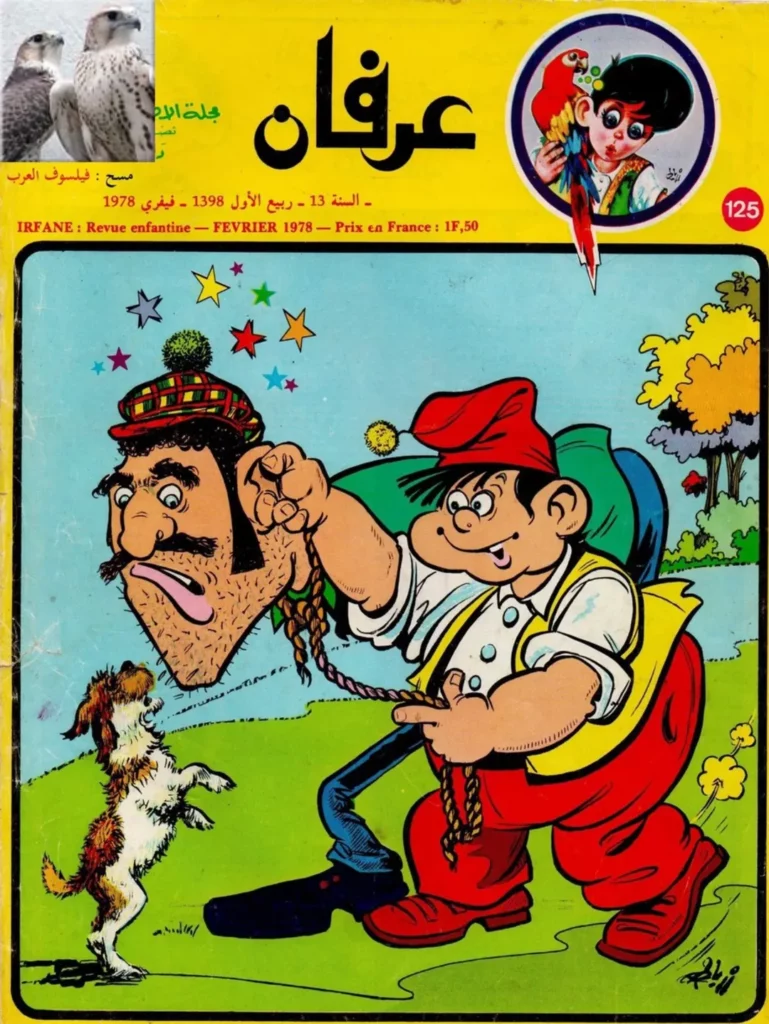
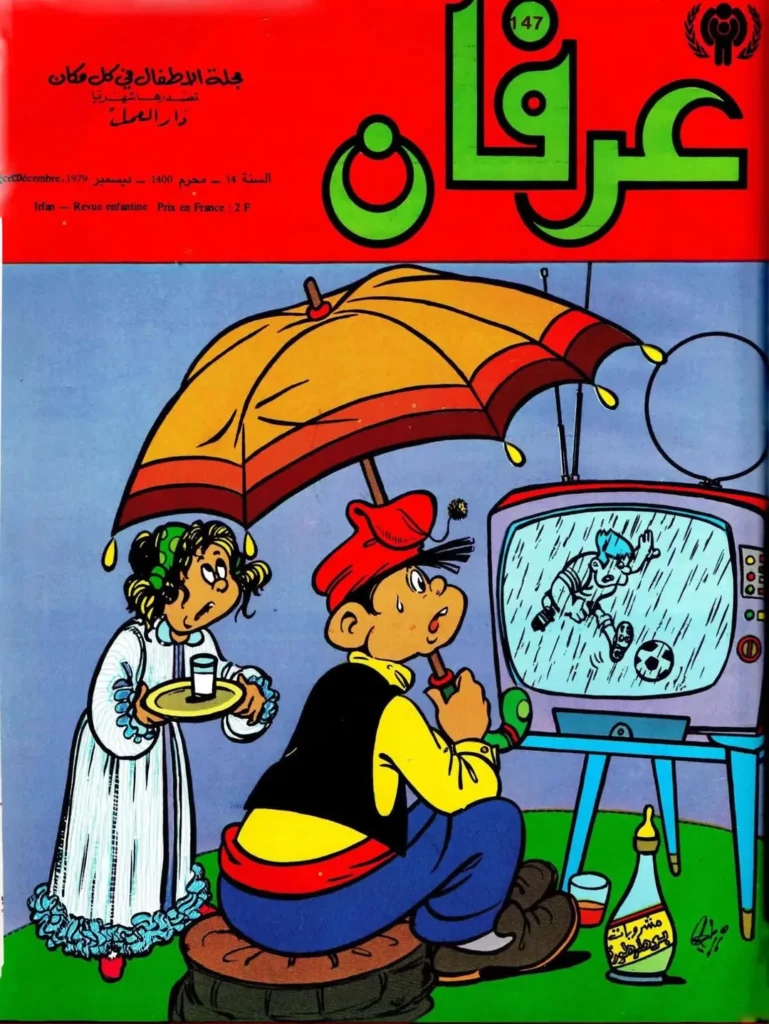
Boutartoura, the face of Irfan
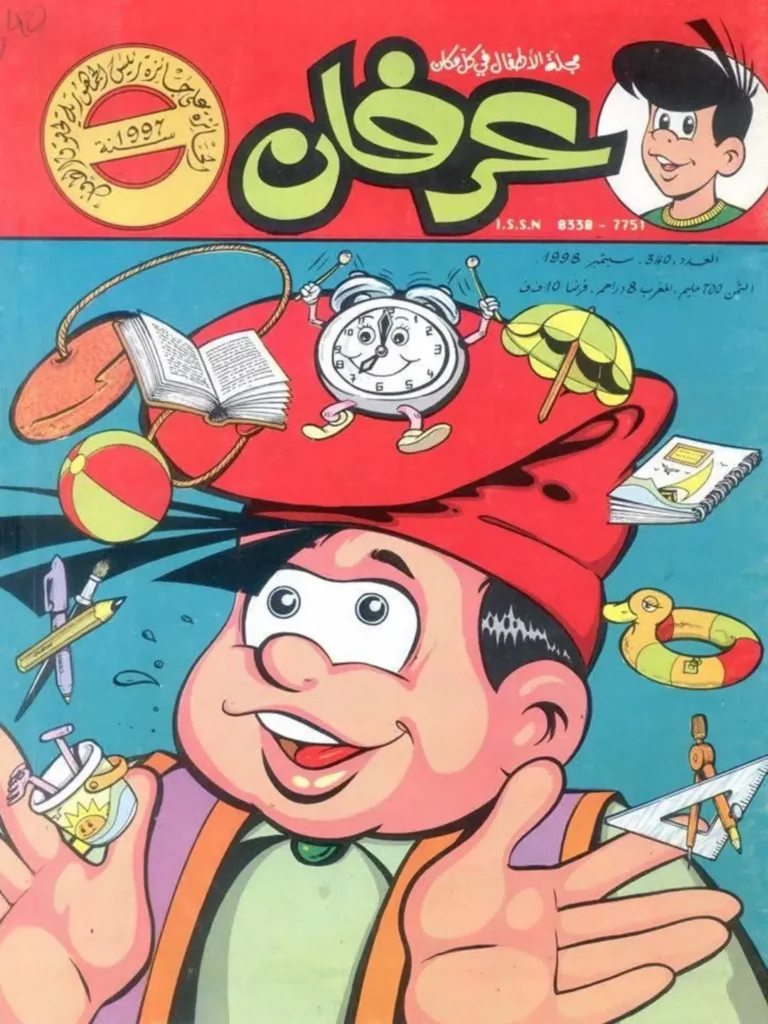
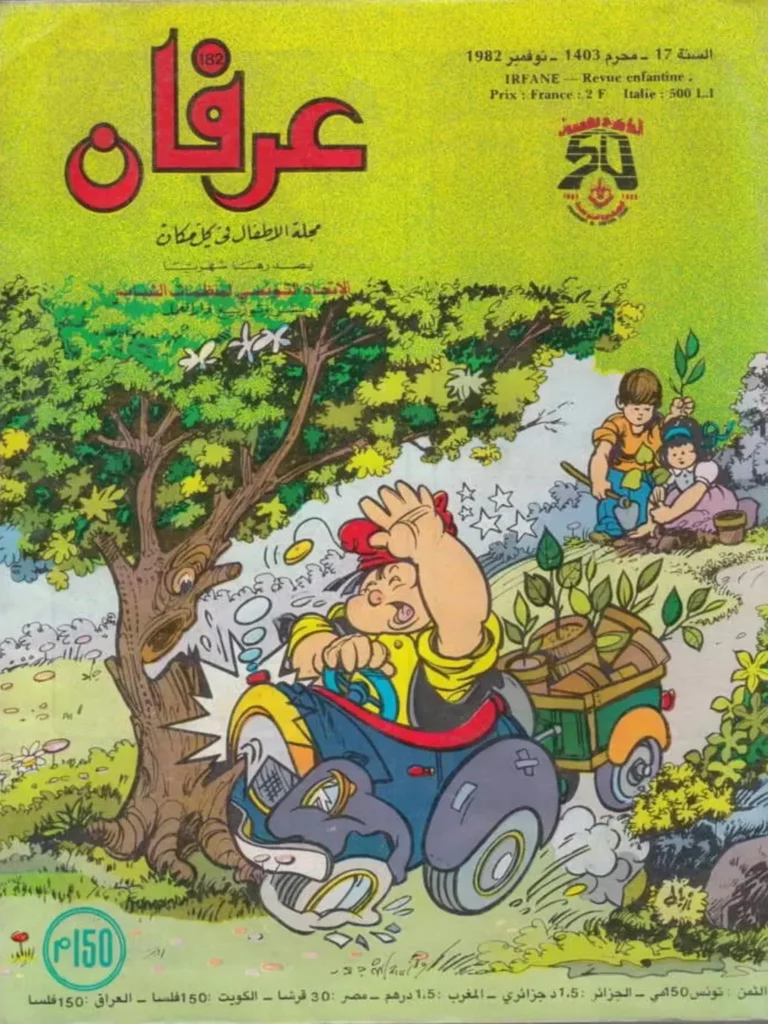
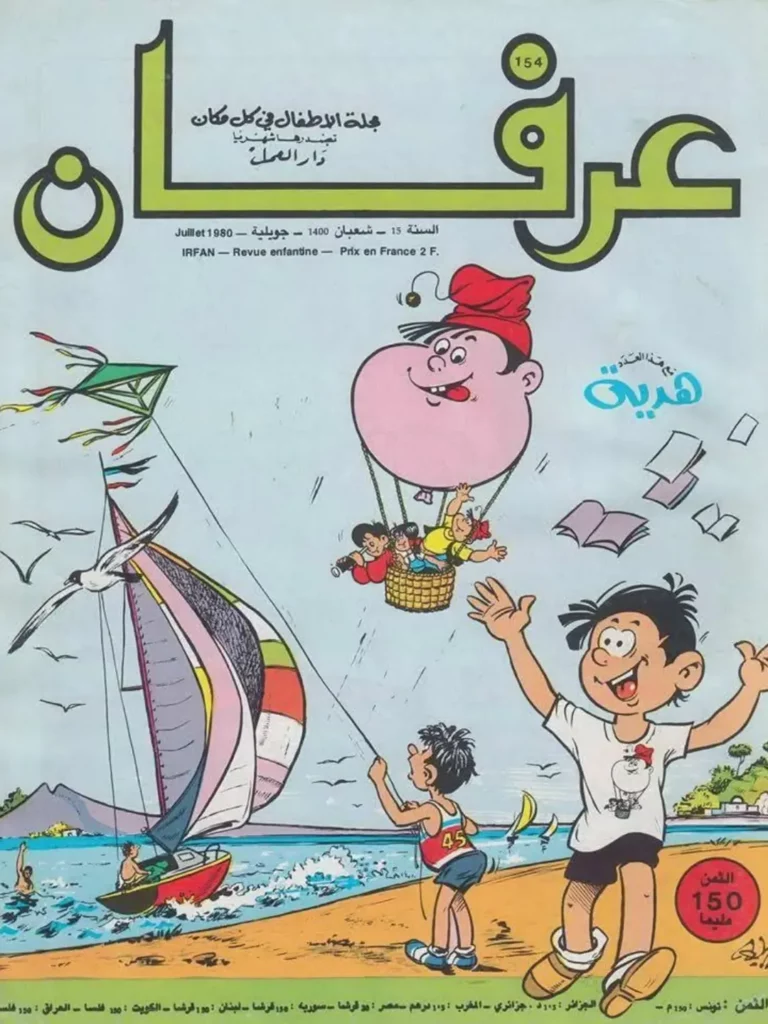
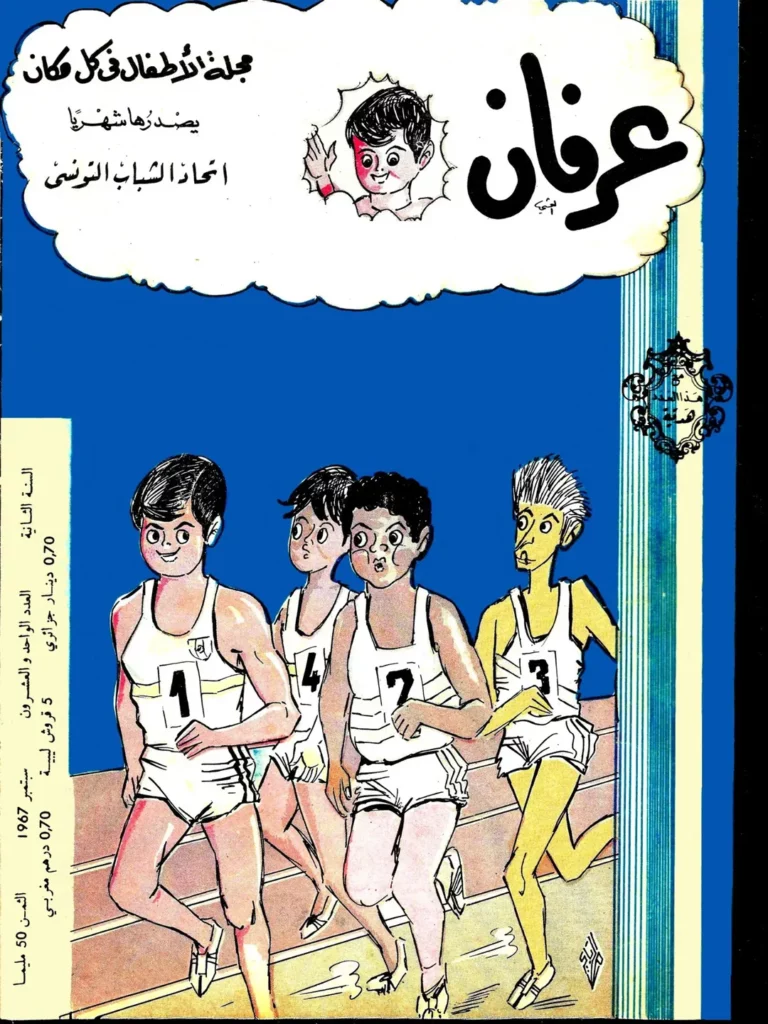
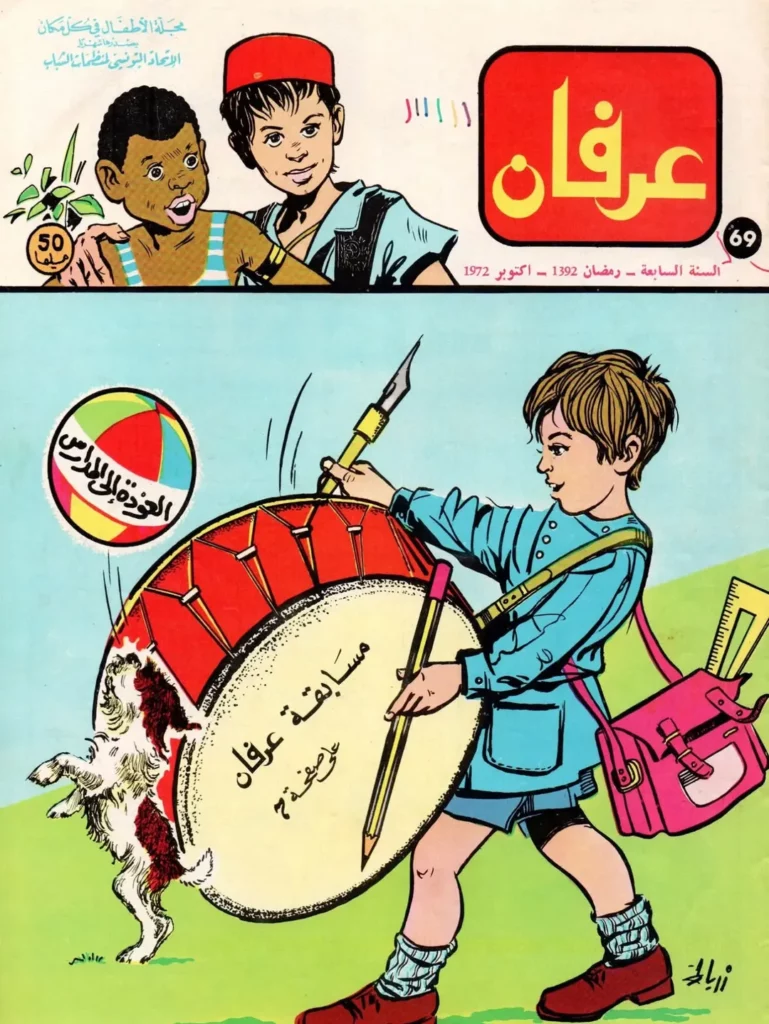
Boutartoura became the mascot of Irfan. With his round belly and red hat, he appeared regularly on the magazine’s cover. Children looked forward to seeing him in each issue. His playful appearance reflected the magazine’s friendly spirit and helped create a lasting bond with its young readers.
The choice of a recurring character also gave Irfan a recognisable identity. Boutartoura became more than a decorative figure. He helped readers identify the magazine and associate it with the stories, illustrations and discoveries inside.
A growing community of young readers
During the 1970s, Irfan continued to benefit from institutional support. The Tunisian Union of Youth Organizations maintained a team of editors and illustrators. The magazine reached schools, youth clubs and homes across the country.
Readers also became part of its editorial life. Children sent letters and submitted drawings, while the magazine began publishing responses to their messages. This exchange strengthened its connection with young readers. Irfan was no longer simply a publication to read. It also offered children a space to express themselves and engage with others.
Economic pressures and declining resources
By the late 1970s, Tunisia was facing growing economic difficulties. Funding for cultural initiatives became less predictable, placing pressure on Irfan’s production. Some issues were delayed, while page counts fluctuated. The quality of colour printing also appeared to suffer, and staffing became less regular.
These difficulties intensified in the early 1980s. The editorial team had fewer resources, and gaps in publication occasionally occurred. Despite these setbacks, many readers remained attached to the magazine. For them, each issue offered a familiar source of curiosity, entertainment and discovery.
Television and foreign publications change the landscape
The expansion of television created new competition for children’s attention. Imported comic books and illustrated magazines also became more popular, introducing young readers to characters and stories from abroad.
Irfan sought to maintain its relevance by drawing on Tunisian culture and everyday life. Its educational content explored local geography and folklore, while its stories revisited traditional tales through a more contemporary approach.
These efforts helped preserve the magazine’s distinctive identity. However, changing media habits and increased competition made it harder to maintain its readership.
The decline of Irfan in the 1990s
By the 1990s, Irfan was facing further difficulties. Printing costs rose, paper shortages periodically disrupted production, and distribution became less reliable. Circulation declined, while the editorial team had access to fewer contributors.
Some issues appeared as special editions rather than as part of a regular monthly schedule. Schools and libraries also stocked fewer copies, reducing the magazine’s visibility among younger generations.
Nevertheless, Irfan retained a place in the memories of former readers and contributors. Some preserved old issues, while others began collecting and archiving copies as personal keepsakes. Their efforts helped maintain a connection with a publication that had accompanied generations of Tunisian children.
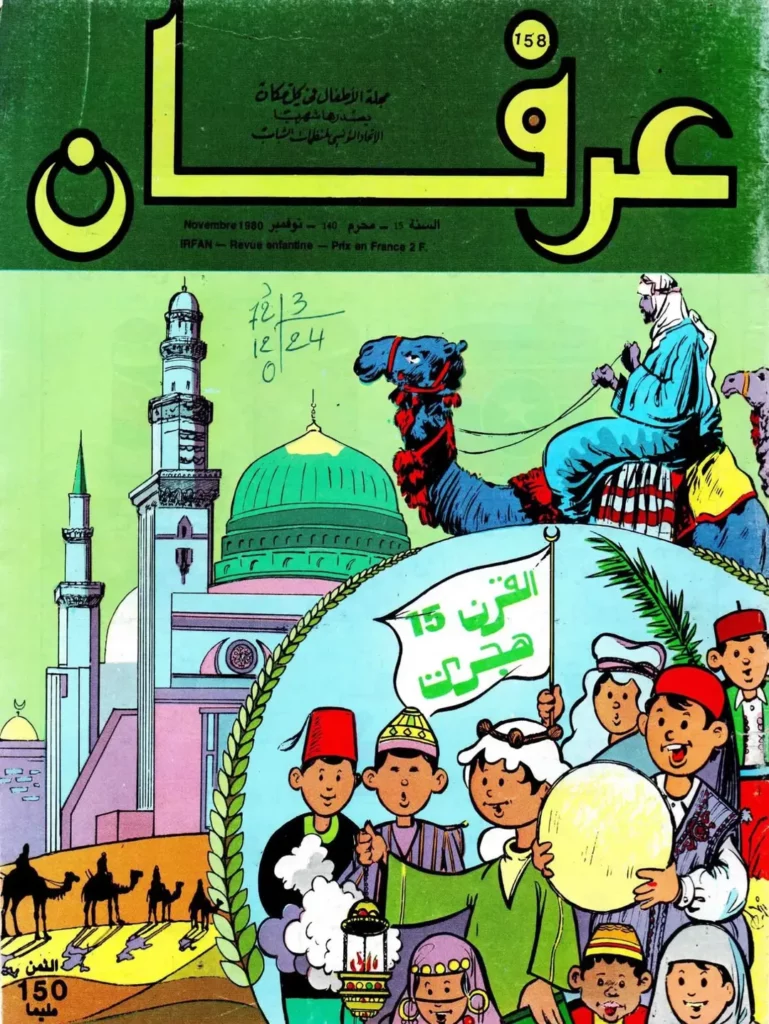
The disappearance of Irfan
By the early 2000s, Irfan appeared to have almost disappeared. Only occasional special issues seemed to emerge, perhaps to mark anniversaries. The Tunisian Union of Youth Organizations had shifted its attention to other priorities, and much of the magazine’s original infrastructure had dissolved.
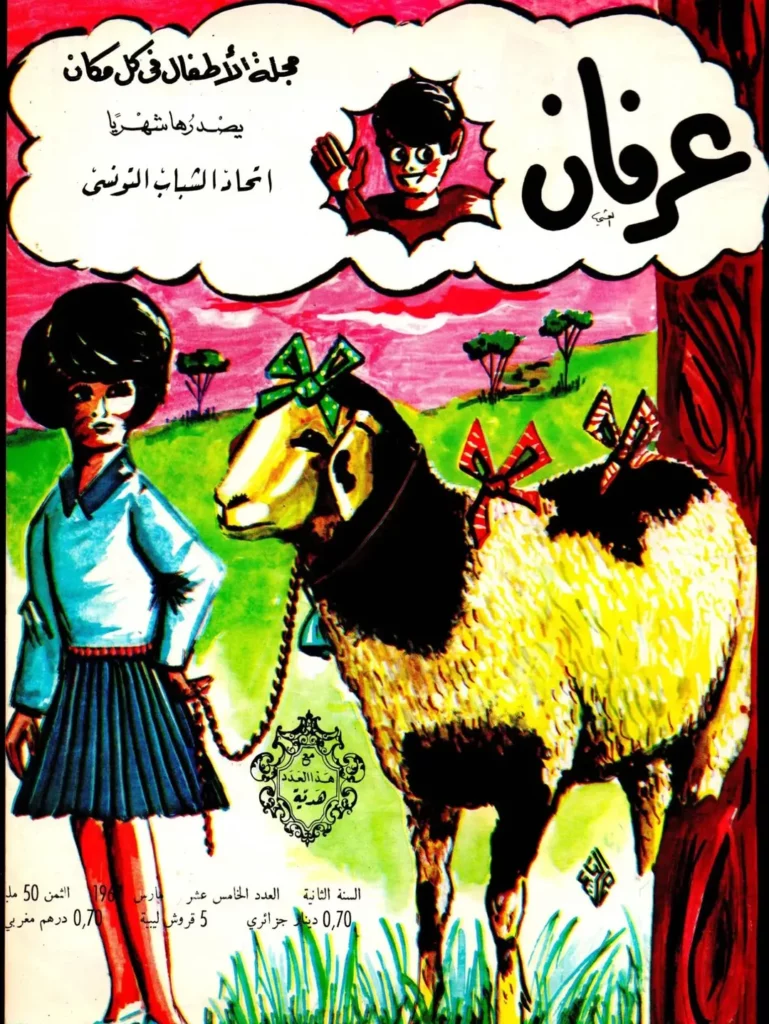
Yet educators, researchers, cultural figures and former editors continued to recognize its value. They regarded Irfan as an important reference in Tunisia’s history of childhood culture. Its absence became a subject of discussion in articles and online posts, where former readers shared images of old covers and recalled the experience of reading printed stories and looking at their illustrations.
For many, the loss extended beyond the magazine itself. It represented the disappearance of a familiar space where Tunisian children could encounter stories, ideas and images created with them in mind.
Abdelhamid El Ksentini’s legacy
The death of Abdelhamid El Ksentini in January 2019 brought renewed attention to Irfan’s history. As an advocate of children’s journalism, he had defended the idea that young readers deserved media that respected their intelligence and encouraged their development.
His passing prompted reflection on the magazine’s fragile legacy. Former readers and contributors considered what Irfan had meant to generations of children and wondered whether its original spirit could survive. El Ksentini’s absence also reinforced the urgency of preserving the publication’s history.
The 2019 relaunch
In March 2019, Irfan returned with financial support from a private patron, described as a Tunisian businessman and cultural philanthropist interested in preserving tangible cultural heritage.
The relaunched magazine adopted a modern layout while seeking to retain the original publication’s tone and values. Former readers and contributors became involved, and educators, writers and illustrators helped reconnect the new edition with its earlier identity. New creative voices also joined the project.
The result brought together familiar elements and contemporary concerns. Covers recalled traditional designs, while the articles explored subjects relevant to a new generation. Stories addressed modern experiences, and reflective pieces examined reading, identity and the media. The return of letters pages also offered children an opportunity to express their views.
Schools began subscribing again, helping the magazine reconnect with its educational audience.
A renewed connection between generations
The relaunch received an emotional response from former readers. Holding a new issue, recognizing familiar illustrations and encountering the magazine’s mascot again brought back memories of childhood.
For parents and grandparents who had grown up with Irfan, the return offered an opportunity to share that experience with younger family members. Reading together created a link between generations, connecting personal memories with a broader cultural history.
Researchers and cultural commentators also viewed the relaunch as an example of cultural continuity. At a time when digital platforms increasingly shape children’s media habits, Irfan demonstrated the continuing appeal of printed publications and the experiences they offer.
Preserving Tunisia’s childhood culture
Irfan’s history raises important questions about the place of children’s publications in Tunisian cultural life. It highlights the relationship between education, national identity and publishing, as well as the challenges facing cultural projects that depend on institutional or private funding.
Its experience also shows that nostalgia alone cannot guarantee a publication’s survival. Long-term continuity requires reliable funding, creative editorial leadership, effective distribution and partnerships with schools, libraries and cultural institutions.
From its founding in 1966 to its decline and relaunch in 2019, Irfan reflected changing conditions in Tunisia’s media and publishing landscape. Its story is not only about a magazine remembered by former readers. It is also about how a society preserves the stories, images and reading experiences through which children discover their cultural environment.
Keeping Irfan alive means treating childhood culture as more than a heritage to remember. It means continuing to create publications that give new generations the opportunity to learn, imagine and recognize themselves in the stories they read.