From Tunisia With Love A Meeting of Worlds in Jazz
By Tunez Magazine ·
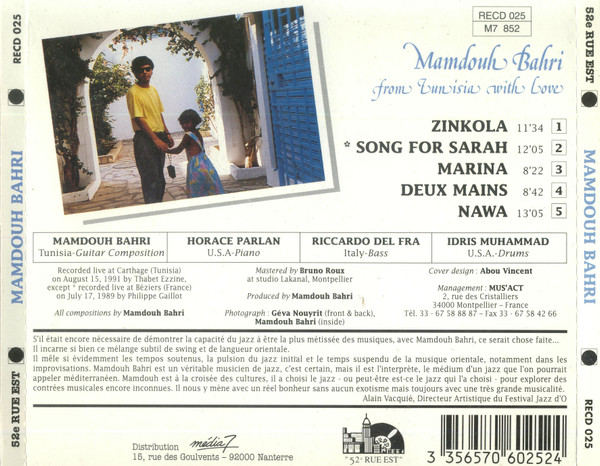
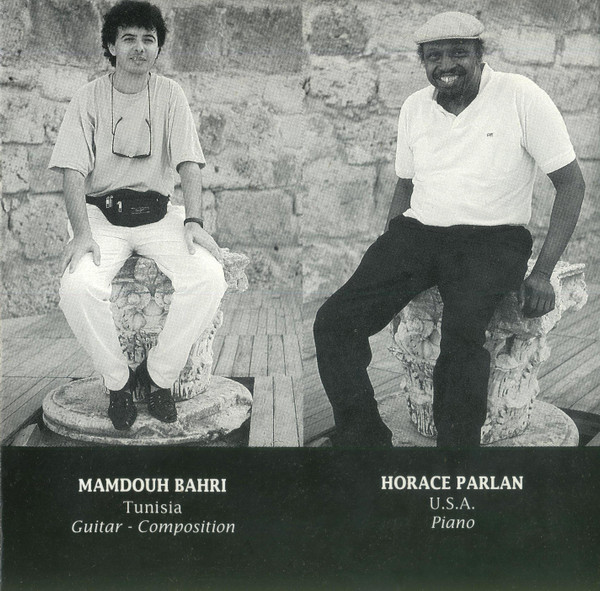
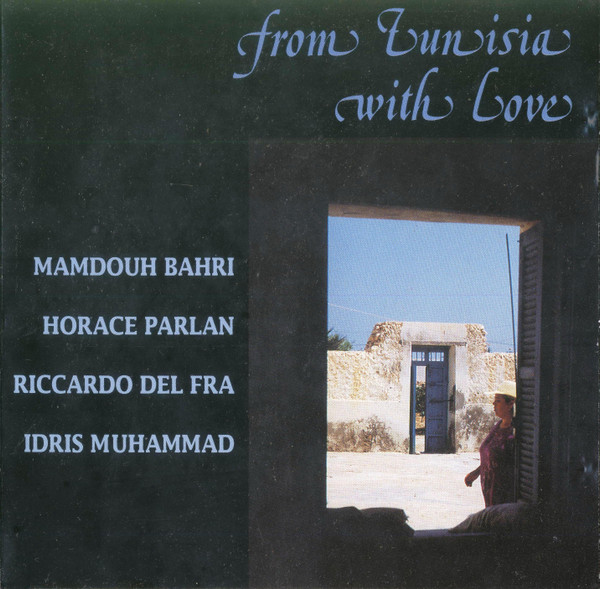
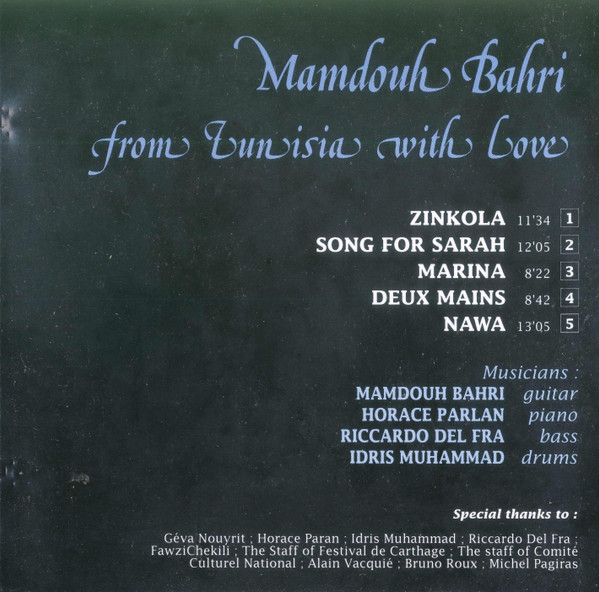
On a warm night in Carthage in 1991, four musicians from different parts of the world came together to create something rare. The recording of that evening became From Tunisia With Love, an album that captures both the music and the spirit of cultural exchange. It brings together Tunisian guitarist Mamdouh Bahri, American pianist Horace Parlan, Italian bassist Riccardo Del Fra, and New Orleans drummer Idris Muhammad. Their performance shows how jazz can transcend borders and connect different musical traditions.
At the heart of the album is Mamdouh Bahri, a guitarist born in Sfax, Tunisia, in 1957. He carried the rhythms and melodies of his homeland throughout his musical journey. After moving to Montpellier in his twenties, Bahri discovered jazz and drew inspiration from guitar legends such as Wes Montgomery and George Benson. Over time, he developed his own style, blending Mediterranean warmth with the language of modern jazz.
By the late 1980s, Bahri was performing across Europe. He had also formed a remarkable quartet with Parlan, Del Fra, and Muhammad. Their 1991 performance in Carthage later became From Tunisia With Love. The album remains an important moment in Bahri’s career and a document of Tunisia’s place in the international jazz scene.
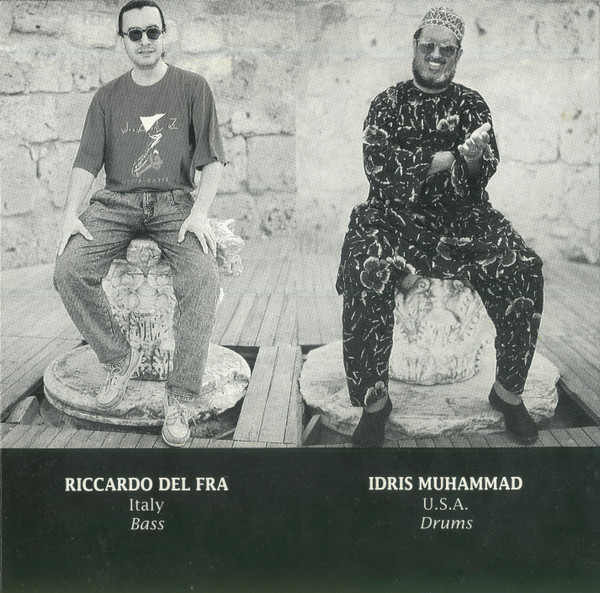
Each of Bahri’s musical partners brought a remarkable story to the stage.
Horace Parlan was born in Pittsburgh in 1931. Childhood polio left his right hand partially paralyzed, shaping the distinctive piano style he later developed. He built his sound around powerful left-hand chords and inventive rhythmic phrases. Parlan rose to prominence in the late 1950s through his work with Charles Mingus. He played on landmark albums such as Mingus Ah Um and Blues & Roots. By the time he performed in Carthage, Parlan had settled in Denmark. He had become a leading figure in the European jazz scene, known for a sound that remained soulful and searching.
Riccardo Del Fra was born in Rome in 1956. He began his musical journey on guitar before switching to the double bass at sixteen. His lyrical approach and warm tone soon established him as one of Europe’s sought-after bassists. He worked with the Italian RAI Orchestra and developed a particularly close musical partnership with Chet Baker. For nearly a decade, they performed and recorded together. In Carthage, Del Fra brought more than technical precision. His melodic sensibility connected European musical traditions with the freedom of jazz improvisation.
At the drums was Idris Muhammad, a master of groove born Leo Morris in New Orleans in 1939. He grew up surrounded by the rhythms of his hometown. Early in his career, he played on rhythm and blues recordings, including Fats Domino’s hit “Blueberry Hill,” before establishing himself in jazz. After converting to Islam, he adopted the name Idris Muhammad. He went on to become one of his generation’s most versatile drummers, recording groove-driven albums such as Power of Soul and working with artists ranging from Lou Donaldson to Pharoah Sanders. In Carthage, his drumming gave the quartet a deep, fluid pulse. It grounded the music while keeping it in constant motion.
When these four musicians came together for From Tunisia With Love, the result was more than a concert. It was a dialogue between musical traditions. Bahri’s guitar brought its own Mediterranean character, while Parlan’s piano added the grit of hard bop. Del Fra’s bass introduced a lyrical sensibility, and Muhammad’s drumming connected these elements through its soulful drive. Together, they created a sound that felt open, generous, and deeply connected. The album seems to extend an embrace from Tunisia to the wider world.
More than three decades later, From Tunisia With Love remains a powerful reminder of jazz’s ability to connect people. A Tunisian guitarist, an American pianist, an Italian bassist, and a New Orleans drummer met on stage and found common ground through improvisation and trust. Their music emerged from different experiences, yet it spoke through a shared language of rhythm, melody, and emotion.
In many ways, the album’s title captures its spirit. From Tunisia With Love is both a musical statement and an offering to the world. It brings together four distinct voices in a moment of shared expression. Listening today allows that encounter to live on, reminding us that music can cross borders without erasing the differences that make it meaningful.