Claudia Cardinale (1938–2025): A Mediterranean Star Extinguished, a Legacy Eternal
By Tunez Magazine ·
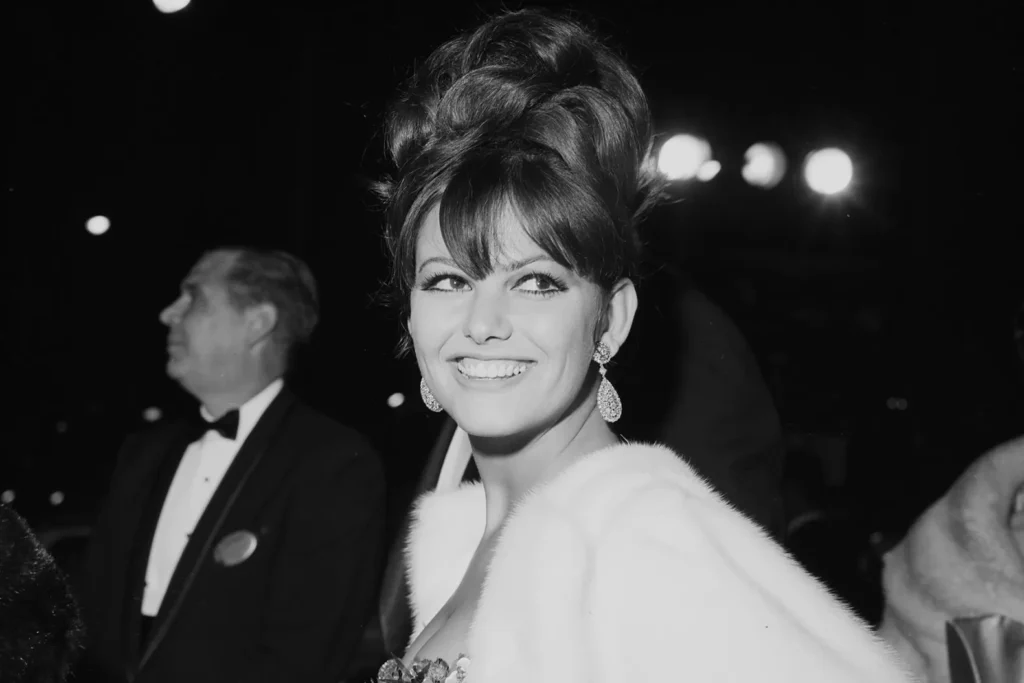
Claudia Cardinale was one of the most recognisable actresses in twentieth-century cinema. Born in Tunis, she became an international star through Italian and European films. Throughout her career, she helped connect Italian cinema with the wider Mediterranean world.
Born Claude Joséphine Rose Cardinale on April 15, 1938, in Tunis, she was the daughter of Sicilian parents who had settled in Tunisia. As a child, she grew up surrounded by different languages and cultures. She spoke Italian, French, Arabic, and Sicilian dialect. As a result, her early life reflected Tunisia’s rich cultural diversity.
Although Cardinale built her career in Italian cinema, she never lost her connection to Tunisia. Her birthplace remained an important part of her personal history. Moreover, her life reflected the long-standing cultural exchanges between North Africa and Europe.
From Tunis to the World of Cinema
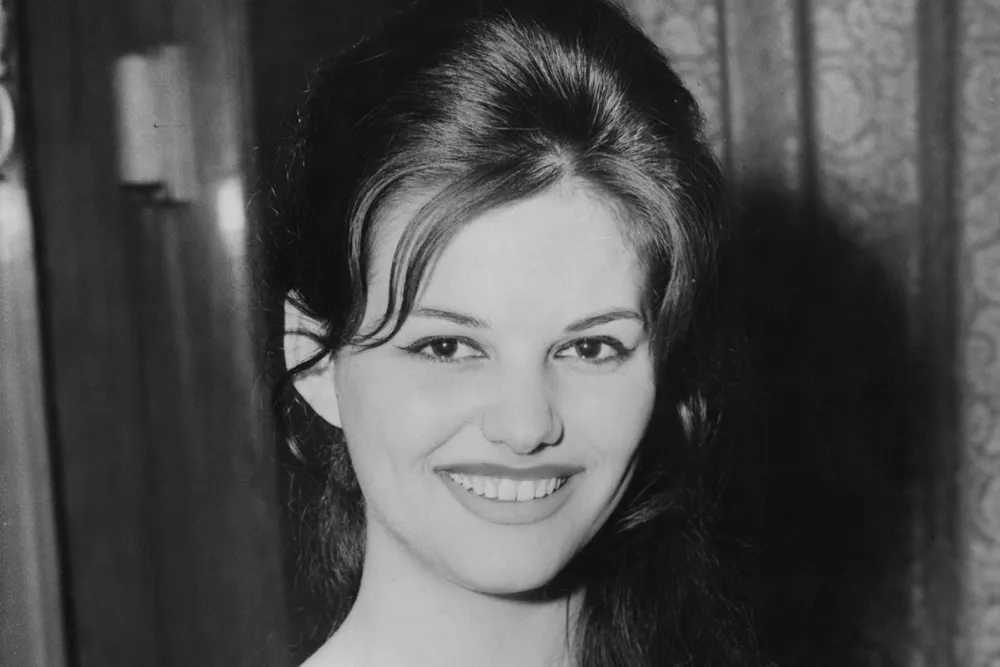
Cardinale’s journey into cinema began unexpectedly. In 1957, she won a beauty contest in Tunis. As a result, she received a trip to the Venice Film Festival, where she attracted the attention of film industry professionals.
At first, however, she was reluctant to become an actress. She valued her privacy and had never planned to become a film star. Nevertheless, she eventually entered the industry and began a career that would span several decades.
One of her early roles came in Mario Monicelli’s Big Deal on Madonna Street (1958). The film introduced her to Italian audiences and helped establish her presence in the industry.
By the early 1960s, Cardinale had become one of the leading actresses of Italian cinema’s golden age. During this period, she shared the screen with stars such as Sophia Loren and Gina Lollobrigida. However, she developed a distinctive career of her own. Through her collaborations with influential directors and her memorable performances, she secured a lasting place in film history.
Claudia Cardinale’s Most Iconic Films
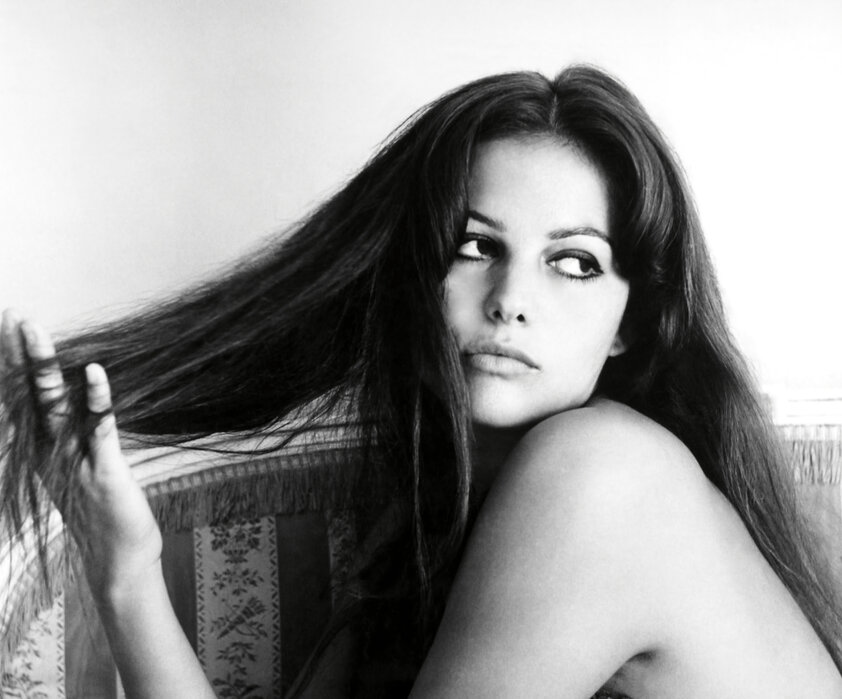
Claudia Cardinale delivered some of the most memorable performances in European cinema. Her role in Luchino Visconti’s The Leopard (1963) became a defining moment in her career. She played Angelica Sedara, a young woman whose marriage connects her to the changing social order of nineteenth-century Sicily. Set against Visconti’s lavish reconstruction of the period, the film showcased Cardinale’s screen presence and established her as an international star.
That same year, she appeared in Federico Fellini’s 8½. She played a character who becomes part of the director’s surreal and fragmented world. The film explored creativity, memory, and personal doubt. Cardinale’s presence added another dimension to its dreamlike narrative.
In Sergio Leone’s Once Upon a Time in the West (1968), she played Jill McBain, a widow determined to build a future in a violent frontier town. Her character became the emotional centre of the film. In a genre often dominated by male protagonists, Cardinale portrayed a woman with resilience, ambition, and a clear sense of purpose.
Together, these performances demonstrate her range as an actress. She moved between historical drama, modernist cinema, and the Western while giving each role its own identity.
From Italian Cinema to Hollywood
Cardinale’s career extended well beyond these celebrated films. She appeared in Blake Edwards’s comedy The Pink Panther (1963), bringing elegance and wit to an international production.
In Richard Brooks’s The Professionals (1966), she shared the screen with actors including Burt Lancaster, Lee Marvin, and Jack Palance. Her performance demonstrated her ability to hold her own in an ensemble cast.
She later appeared in Werner Herzog’s Fitzcarraldo (1982), a demanding production filmed in the Amazon region. The film explored obsession and the pursuit of an extraordinary ambition. Her involvement also connected her career to the more experimental side of international cinema.
Across these projects, Cardinale worked with directors who had distinct approaches to filmmaking. She built a career that crossed national borders, languages, and genres.
Her distinctive voice also became part of her screen identity. Rather than allowing it to be routinely replaced through dubbing, she insisted on preserving her own voice in her performances. This preference reflected her desire to maintain control over an important part of her acting style.
Awards, Recognition and Advocacy
Cardinale received major honours throughout her career. In 1965, she won the Silver Bear for Best Actress at the Berlin International Film Festival for her performance in Visconti’s Sandra (1965). The film explored family secrets, memory, and the weight of the past.
In 1993, the Venice Film Festival awarded her the Golden Lion for Lifetime Achievement. She later received the Golden Bear for Lifetime Achievement at the Berlin International Film Festival in 2002. These distinctions recognised her contribution to cinema over several decades.
Beyond acting, Cardinale supported women’s rights and social causes. Her public work included advocacy for gender equality and the advancement of women. She also served as a UNESCO Goodwill Ambassador, extending her involvement beyond the film industry.
Her career therefore encompassed more than celebrated performances and festival awards. It also reflected her willingness to use her public profile to support issues she considered important.
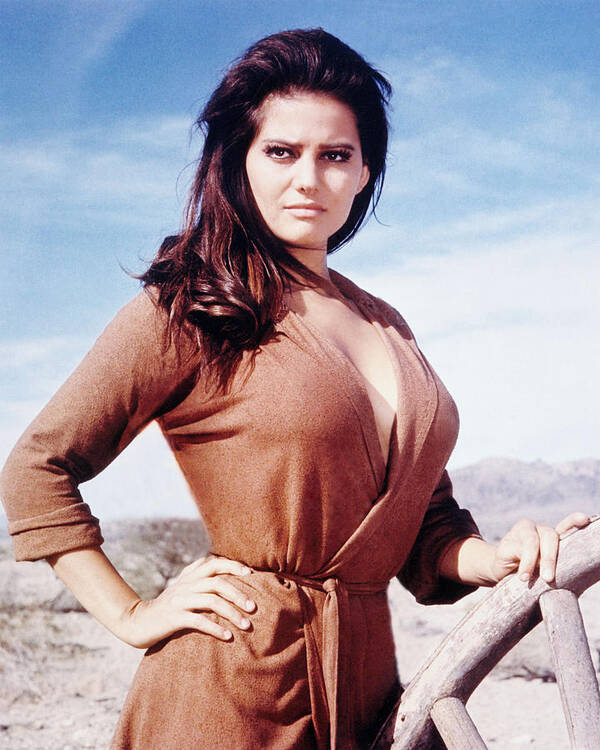

Claudia Cardinale: A Private Life and Personal Resilience
Claudia Cardinale kept much of her private life away from public attention. Despite intense media interest, she sought to maintain a distinction between her identity and her image as a film star. She raised her children while navigating the demands of an international career.
Her life also reflected the challenges faced by women in the film industry. Cardinale worked in an environment where male directors, producers, and studio executives often held considerable power. Her experiences helped shape a career in which she sought to maintain her independence and define herself through her work.
A Star Who Connected Different Cinematic Traditions
Cardinale’s legacy is closely linked to the transformation of European cinema during the 1960s. Directors such as Luchino Visconti, Federico Fellini, Michelangelo Antonioni, and Sergio Leone were exploring new approaches to storytelling and film language. Cardinale became part of this creative period through performances that reached audiences across national borders.
Her international career also connected Italian cinema with Hollywood and European co-productions. She moved between different genres and filmmaking traditions while maintaining a distinctive screen presence.
Her Tunisian origins add another dimension to her story. Born in North Africa to Sicilian parents, she became an internationally recognised figure in European cinema. Her biography reflects the cultural exchanges that have long linked Tunisia, Italy, and the wider Mediterranean.
Claudia Cardinale’s Influence on Women in Cinema
Many of Cardinale’s most memorable roles gave women a central place in the story. Her characters could be determined, vulnerable, ambitious, and independent. They were not simply supporting figures in the lives of male protagonists.
Her performances in The Leopard and Once Upon a Time in the West demonstrate this range. In both films, her characters influence the direction of the narrative and confront societies undergoing significant change.
Cardinale also defended her distinctive voice and maintained a strong connection to her personal background. Her career offers an example of an actress navigating the expectations of an industry that often placed considerable emphasis on appearance and public image.
Remembering a Tunis-Born Icon of World Cinema
Claudia Cardinale died on September 23, 2025, at the age of 87. Her death prompted tributes from across the film world, reflecting the reach of a career that spanned several decades.
Her films remain an important part of European cinema’s history. From Visconti’s historical dramas to Fellini’s experiments with narrative and Leone’s Westerns, her work continues to offer audiences different perspectives on the art of acting.
Cardinale’s legacy extends beyond awards and memorable performances. Her career connected Tunisia with international cinema and demonstrated how an artist’s background can form part of a wider cultural story.
For Tunisia, her life remains a significant part of the country’s cultural connection with world cinema. For film audiences, her performances preserve the work of an actress who collaborated with some of the most influential directors of her generation.
Claudia Cardinale remains a defining figure of Italian and international cinema. Her films continue to bring new audiences into contact with an important period in film history, while her Tunisian origins give her story a lasting place in the cultural memory of the Mediterranean.