The Literature of the Eye : Dina Meddeb
By Tunez Magazine ·
Dina Meddeb’s photography is more than a way to capture moments. It is a personal dialogue between light and identity. Born on May 12, 2005, Dina Meddeb discovered photography as a form of artistic expression and philosophical exploration. Her work with analogue film, emotion, and memory explains why she describes her practice as “the literature of the eye.”
Her journey began in 2021 with an old camera from 1982 that belonged to her father. This discovery introduced her to analogue photography and changed how she saw the world. Film photography became more than a technical process. It connected her to the history of image-making and brought the past into the present.
Through this approach, Dina wanted to share the traditional experience of photography before the digital age. Loading a roll of film, learning how a camera works, and waiting for images to develop all became part of the creative process. Each step required patience and attention. These qualities stand in contrast to today’s culture of instant images. The camera became both a learning tool and a vessel for memory.
The years before her high school graduation brought exhaustion, burnout, and depression. During this period, she struggled to maintain her creative energy. Art seemed to lose its place in her life. However, this difficult time eventually opened the door to rediscovery.
After finishing her studies, Dina realised that she could not imagine life without art or a sense of purpose. The idea of an objective had two meanings for her: a reason to live and the lens through which she viewed the world. Photography returned as a way to reconnect with her surroundings, rediscover herself, and see life from a new perspective.
For Dina Meddeb, photography is more than a visual art. She calls it “the literature of the eye.” Each photograph becomes a silent text. Light replaces words, while tone, contrast, and shadow express emotions. Through images, she finds a way to communicate without writing or speaking.
She believes photography can reveal what often goes unnoticed in everyday life. It uncovers the hidden within the visible and transforms ordinary moments into opportunities for reflection. Even familiar scenes can hold deeper meanings when viewed through the camera.
Dina has never felt naturally gifted with words. Photography therefore became a refuge and a way to express emotions that language could not convey. Her camera acts as both a translator and a confidant.
Her artistic approach centres on the relationship between images and the soul, as well as between light and shadow. Each photograph explores the tension between what appears and what remains hidden. Through this balance, Dina examines her personal identity and the shared values of the culture she belongs to.
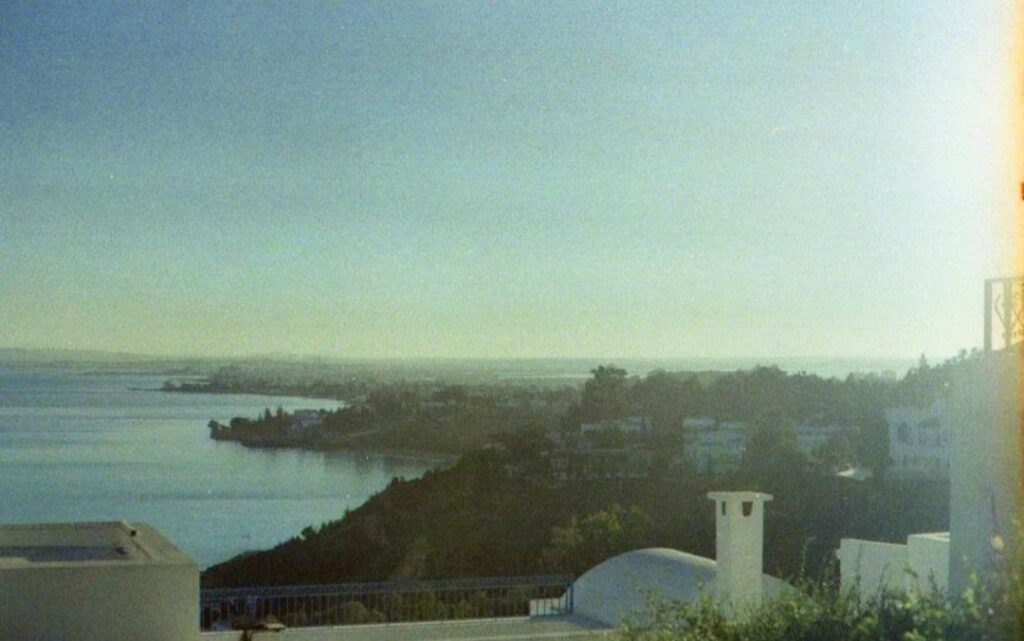
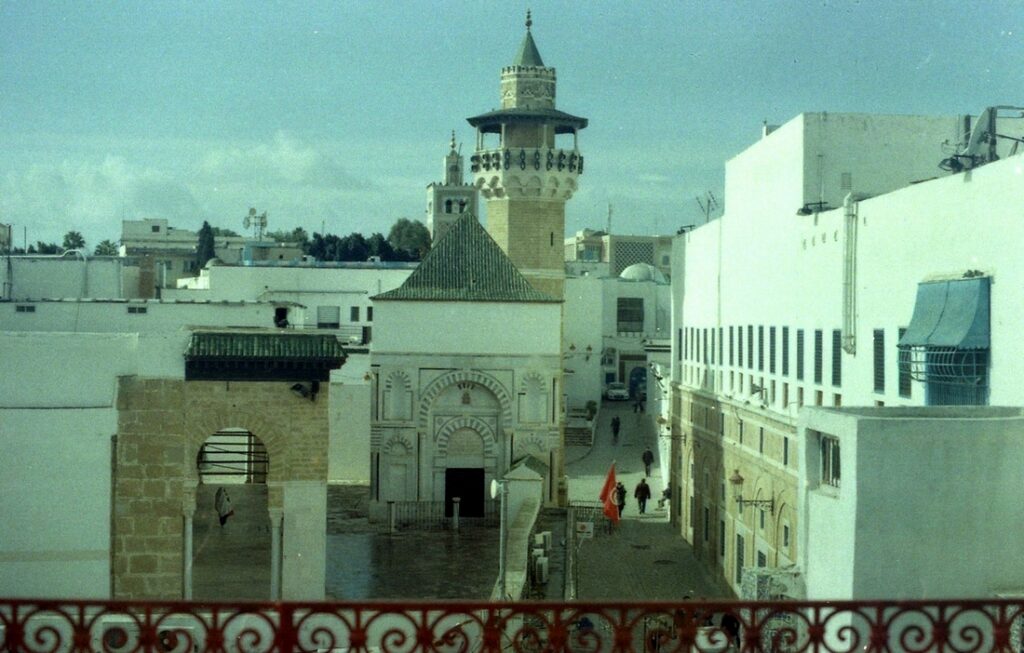
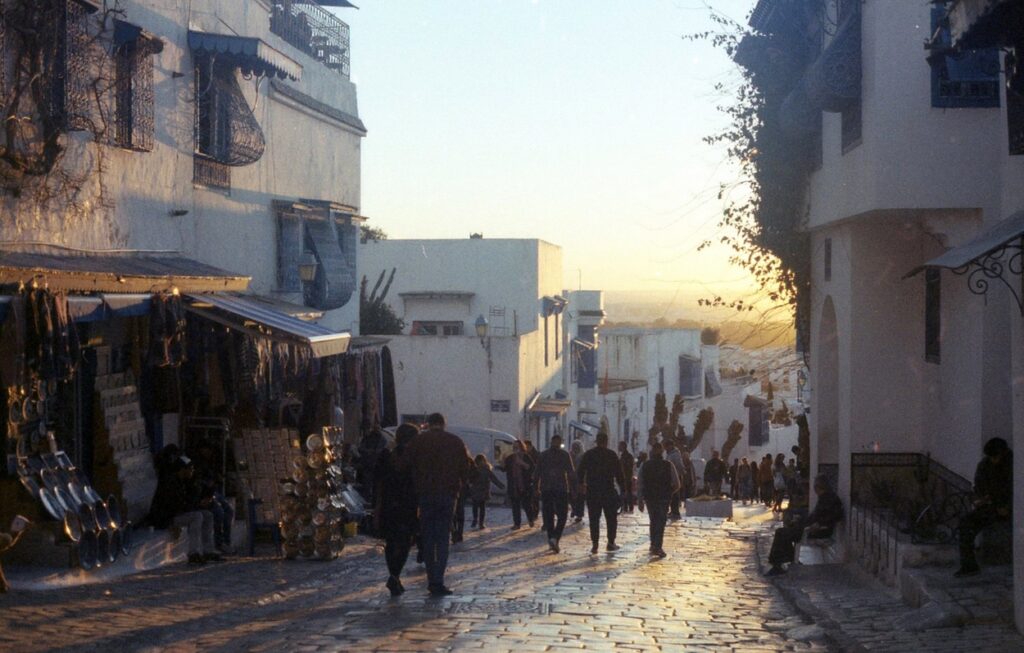
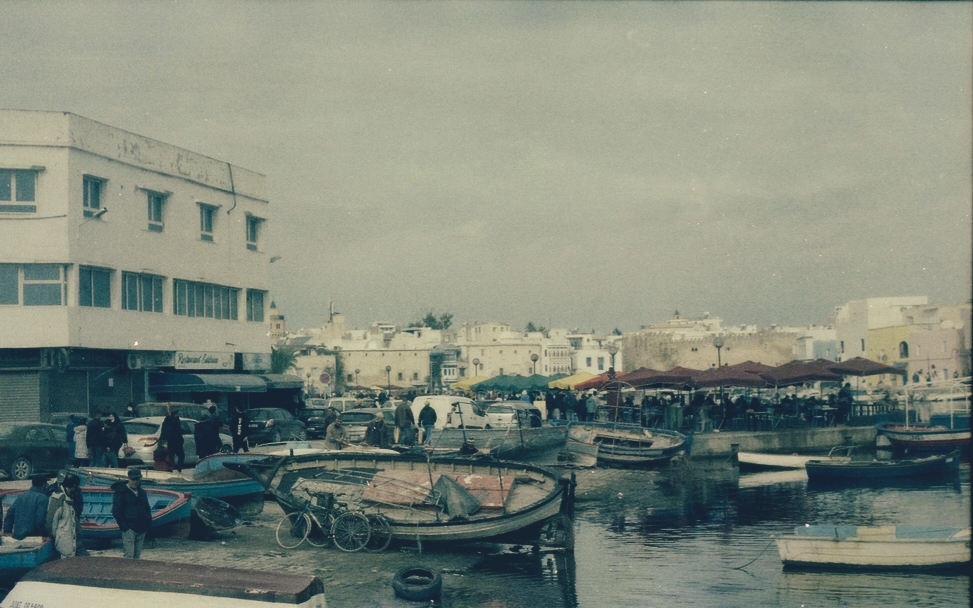
Dina Meddeb’s photography brings together memory, emotion, and visual expression. Since discovering analogue film in 2021, she has explored how imperfections can communicate truth and the passage of time. Blur, grain, and warm tones are not simply aesthetic choices. They help shape the meaning of her images.
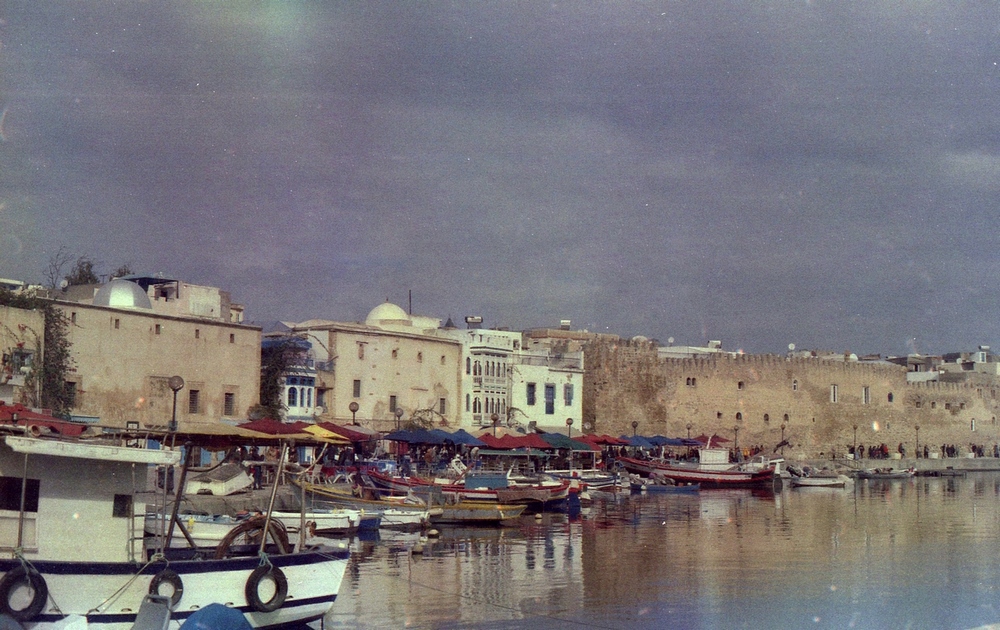
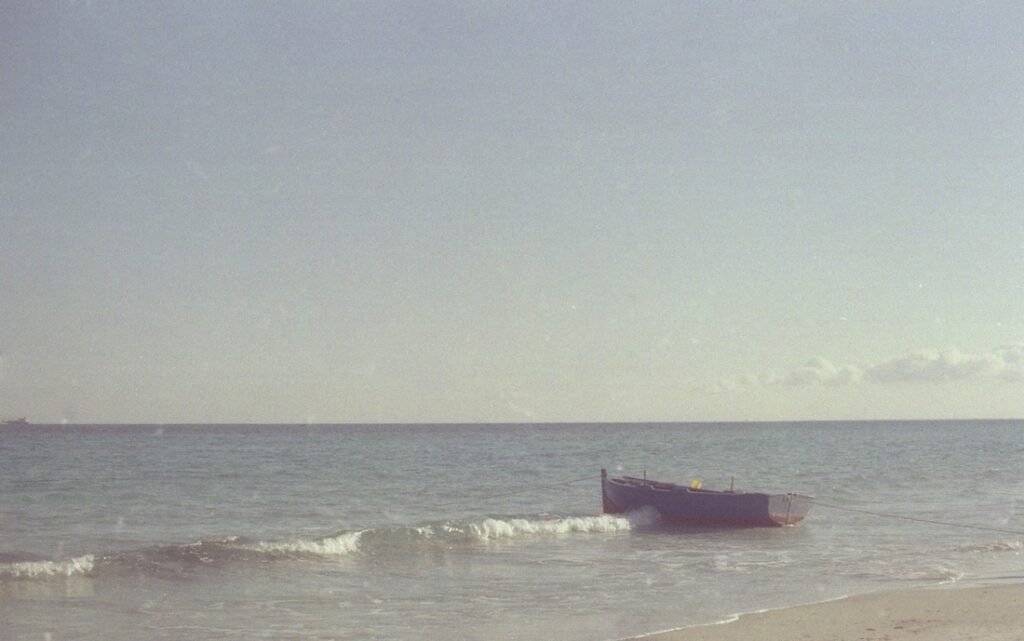
In her compositions, human figures often appear caught between movement and stillness, light and shadow, presence and absence. In the first photograph, a moving figure appears within a seascape. The soft blur gives the figure an almost ghostlike quality. The body seems to dissolve into its surroundings, turning the image into a reflection on impermanence.
The sea adds another layer of meaning. Its constant movement evokes memory and the subconscious, where feelings and impressions shift over time. Rather than pursuing sharp details, the photograph focuses on sensation. This approach reflects the uncertainty and unpredictability that make analogue photography central to Dina’s artistic practice.
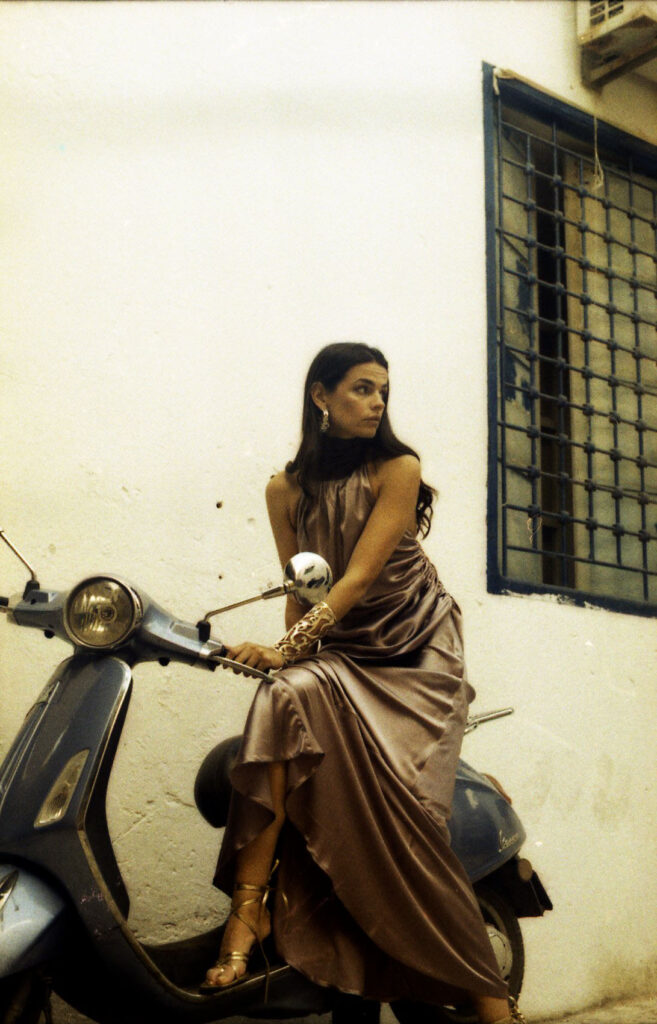
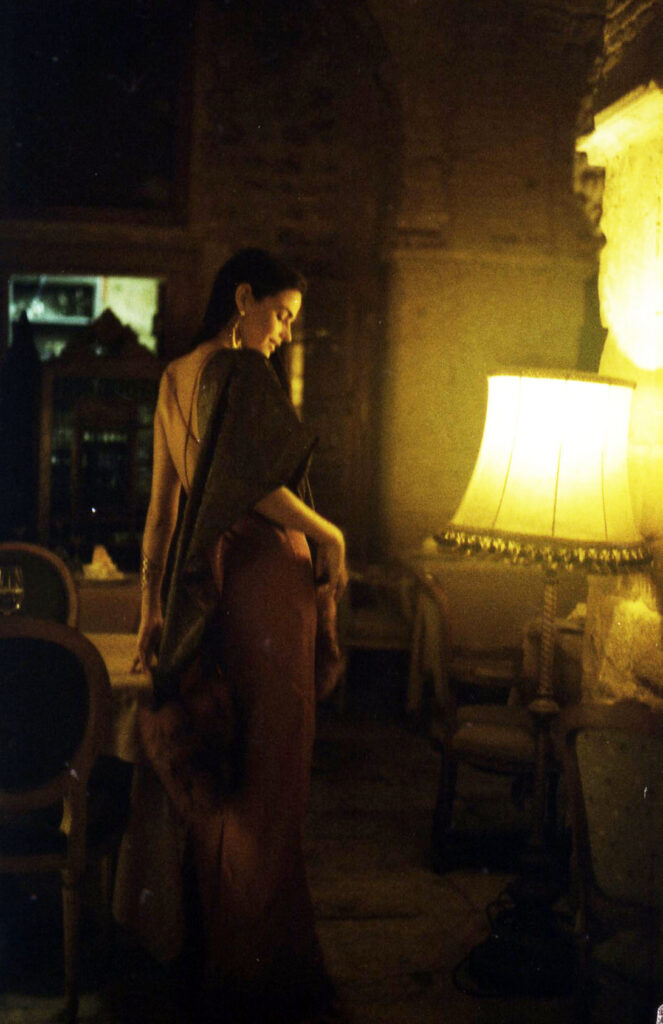
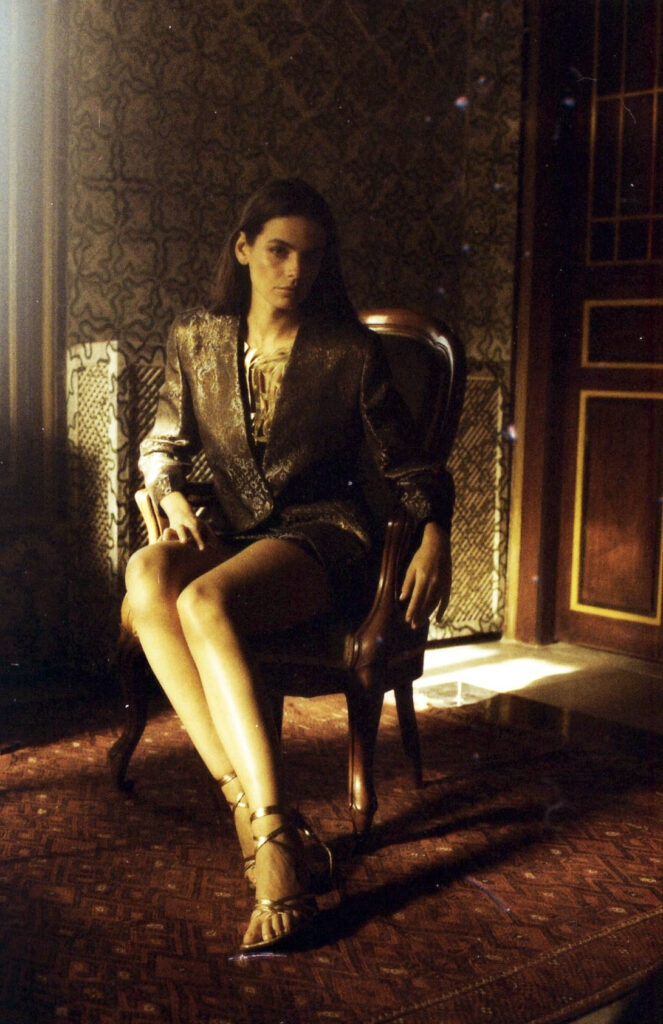
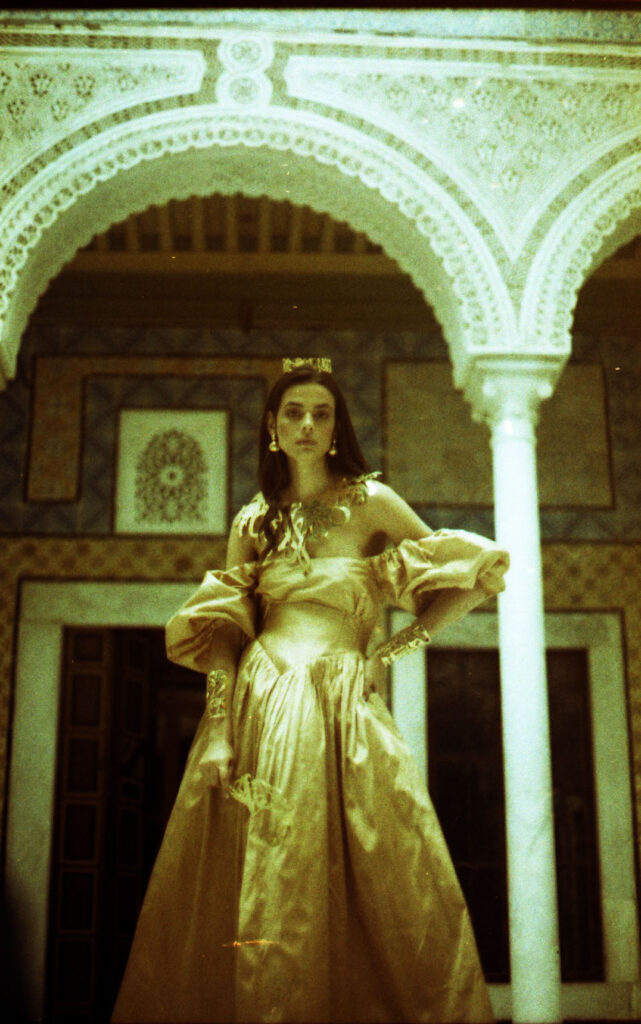
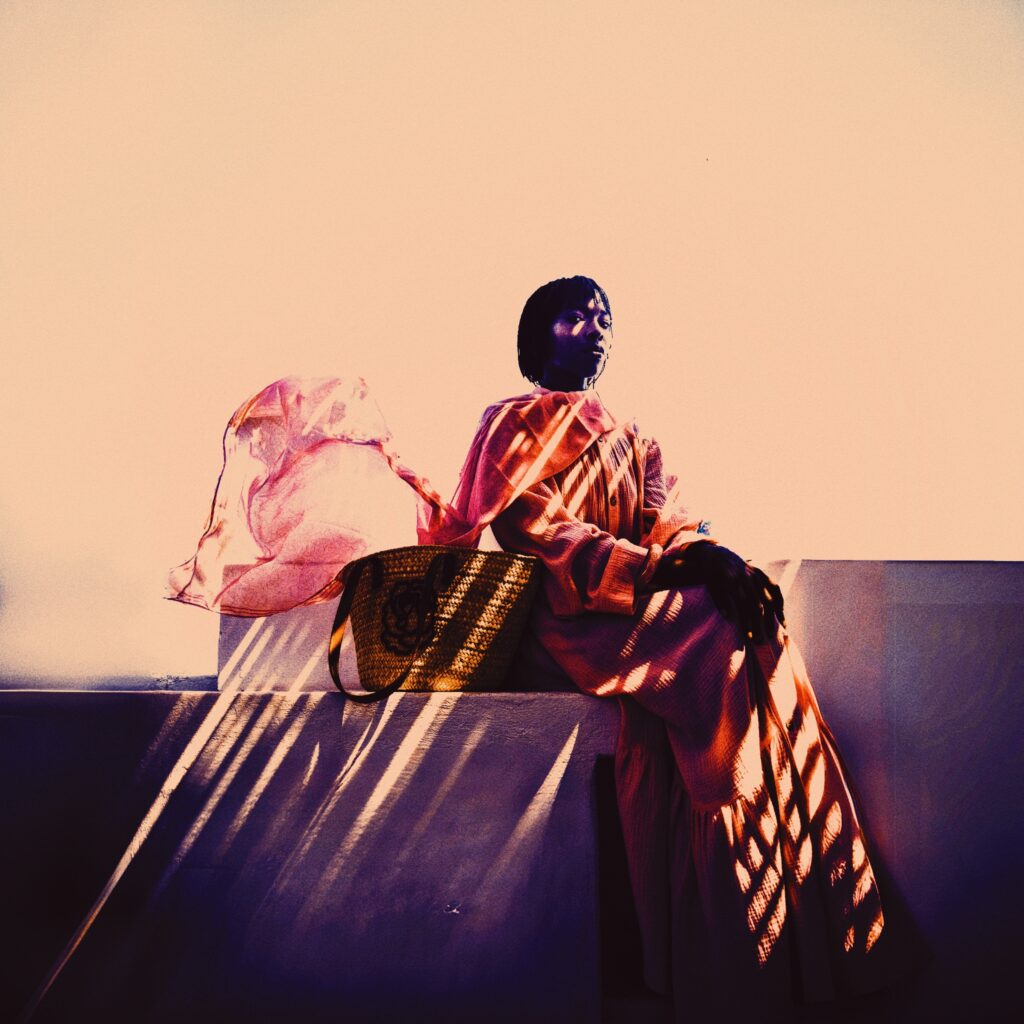
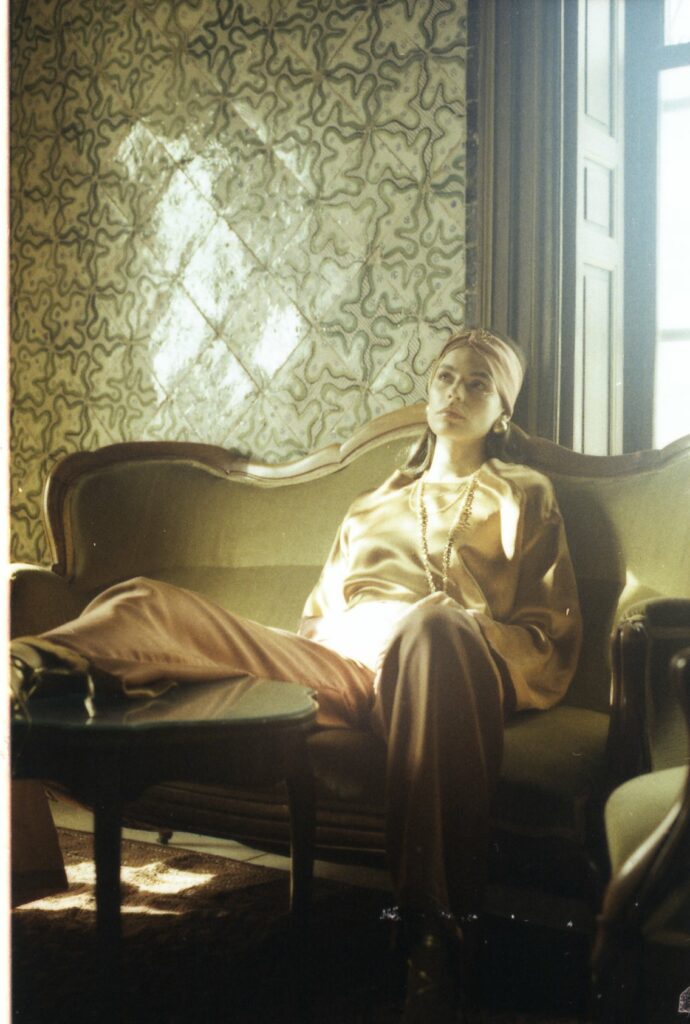
Dina shifts toward intimacy and light. A woman sits enveloped in warm tones and dramatic shadows, her pink fabric animated by wind and sunlight. Here, Meddeb stages a dialogue between interiority and exterior beauty. The subject’s posture and the delicate movement of the scarf evoke both freedom and contemplation. The color palette, dominated by amber and rose, recalls the visual atmosphere of 1970s cinematic portraiture, suggesting a nostalgia that transcends mere stylistic homage.
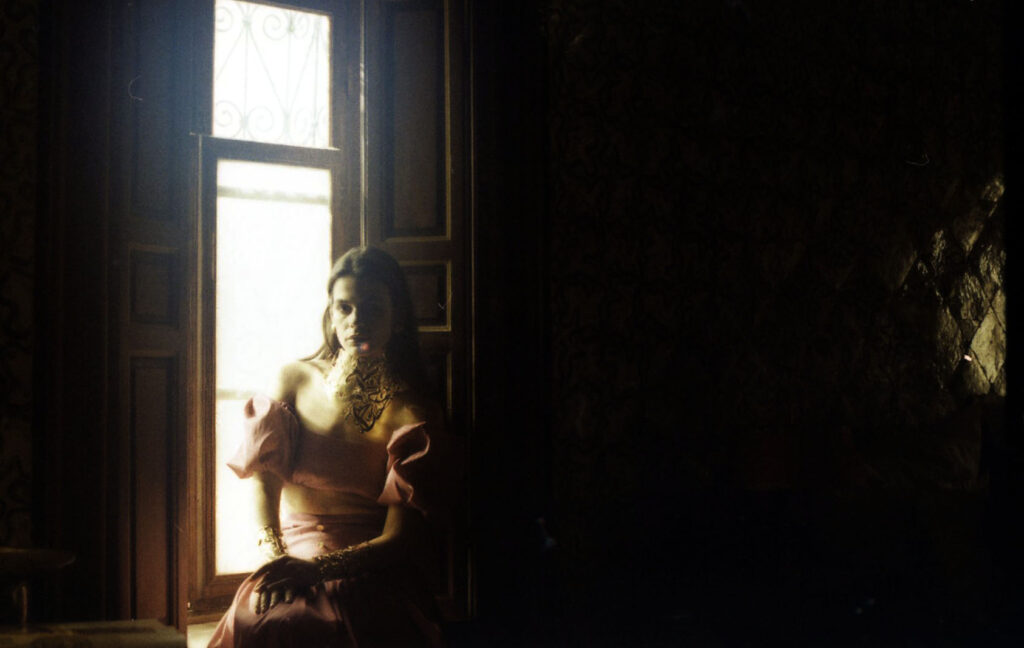
The artist’s sensitivity to natural light reaches its full poetic force. A solitary figure sits by a window illuminated with golden hues, the room immersed in deep shadow. The photograph functions as an allegory of introspection. The contrast between interior darkness and the glowing window embodies the tension between self-containment and openness to the world. It is not merely a scene but a meditation on presence, solitude, and the quiet persistence of light.
Collectively, these works situate Dina Meddeb within a contemporary wave of photographers who return to analog processes not as an exercise in nostalgia but as a means of reclaiming slowness and authenticity in visual creation. Her imagery is deeply personal yet universally resonant, offering the viewer access to a psychological space where emotion is inseparable from texture. The grain of the film becomes the grain of memory, and each photograph becomes a fragment of lived experience transfigured by time.
In the broader discourse of emerging North African photographers, Meddeb’s work contributes a distinct voice that bridges generations and aesthetics, redefining analog photography as both an archival gesture and a form of poetic resistance to the digital saturation of the present.