Sameh Ben Said: A Soulful Lens of Tunisia
By Tunez Magazine ·
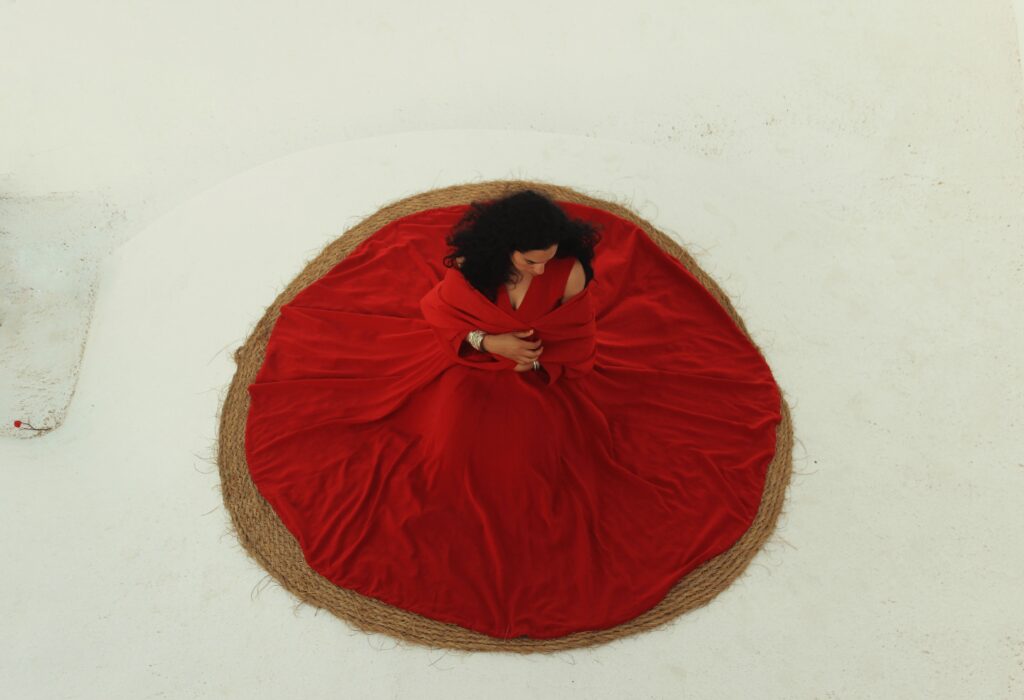
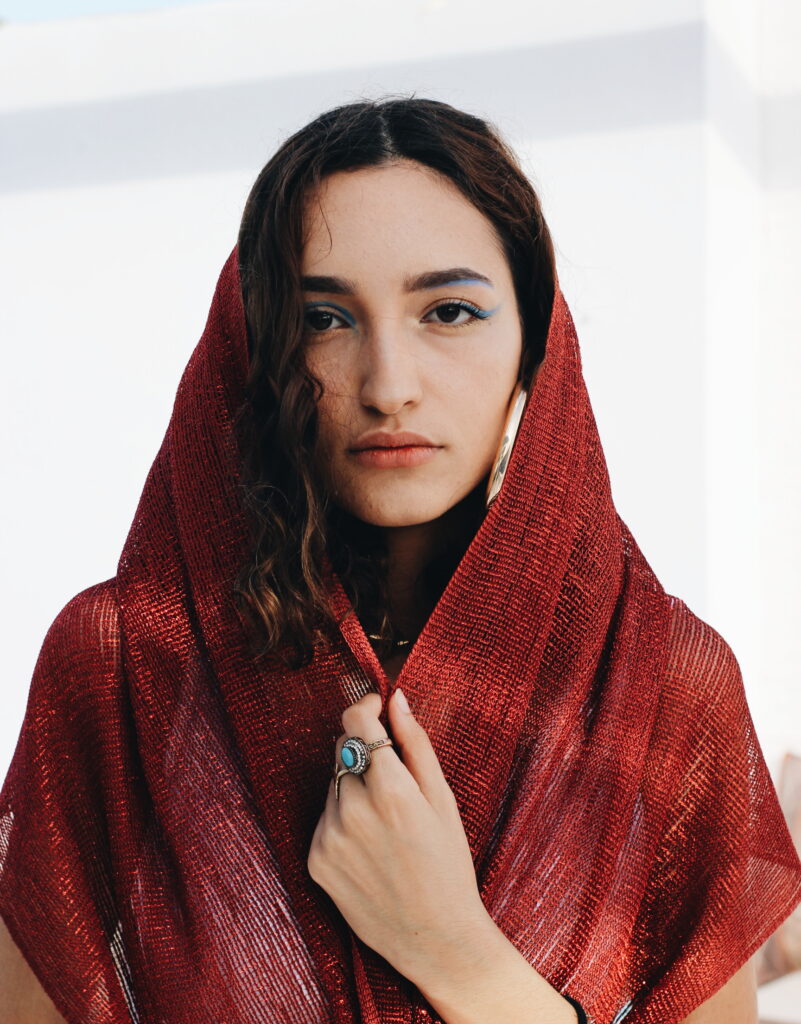
Sameh Ben Said is a Tunisian photographer and visual artist from Hergla, a coastal village in Tunisia. His work explores identity, the human body, memory, and the relationship between people and their surroundings. He uses photography to express personal experiences and reflect on the world around him. His approach relies on natural light, minimal staging, and emotional honesty. Through his images, Sameh documents everyday life in Tunisia while exploring vulnerability, resilience, and the human condition.
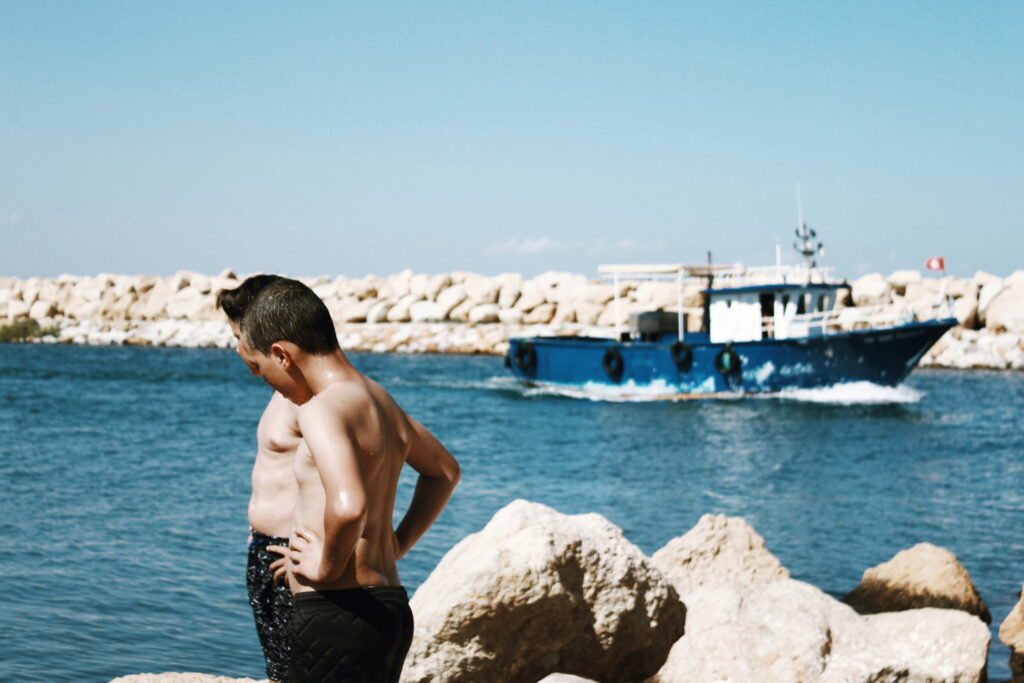
In Hergla, the Mediterranean coastline stretches quietly among rocks and old fishing boats. Daily life unfolds to the steady rhythm of the sea. Here, Sameh began to develop his artistic vision. Rather than seeking extraordinary subjects, he learned to pay attention to overlooked details. Dust catches the light. Waves move gently along the shore. People go about their routines, often unaware of the beauty in these ordinary moments.
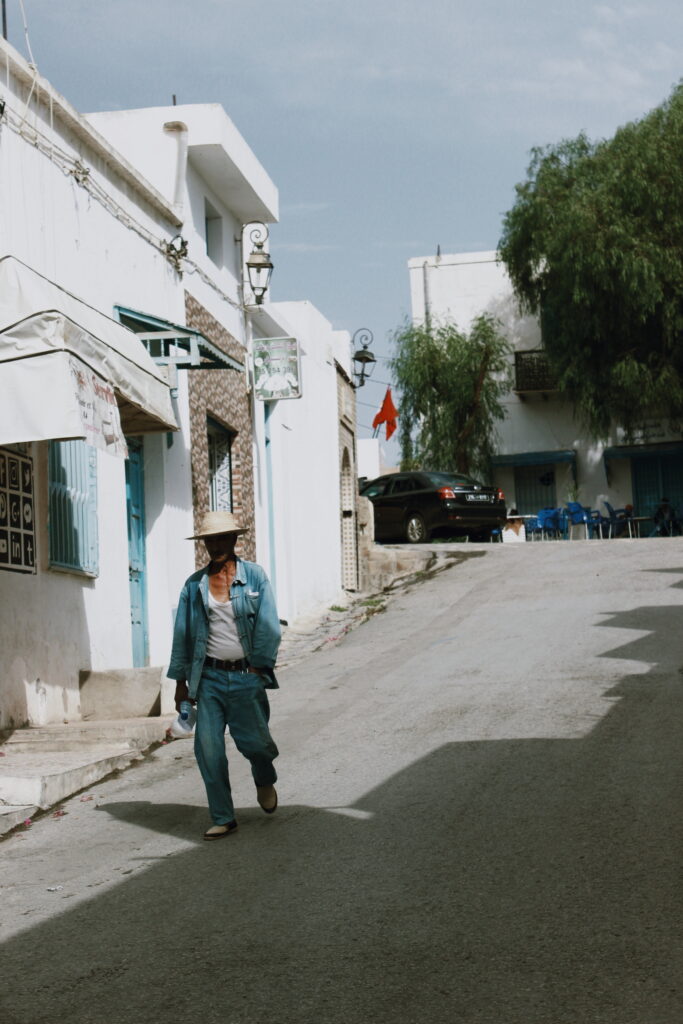
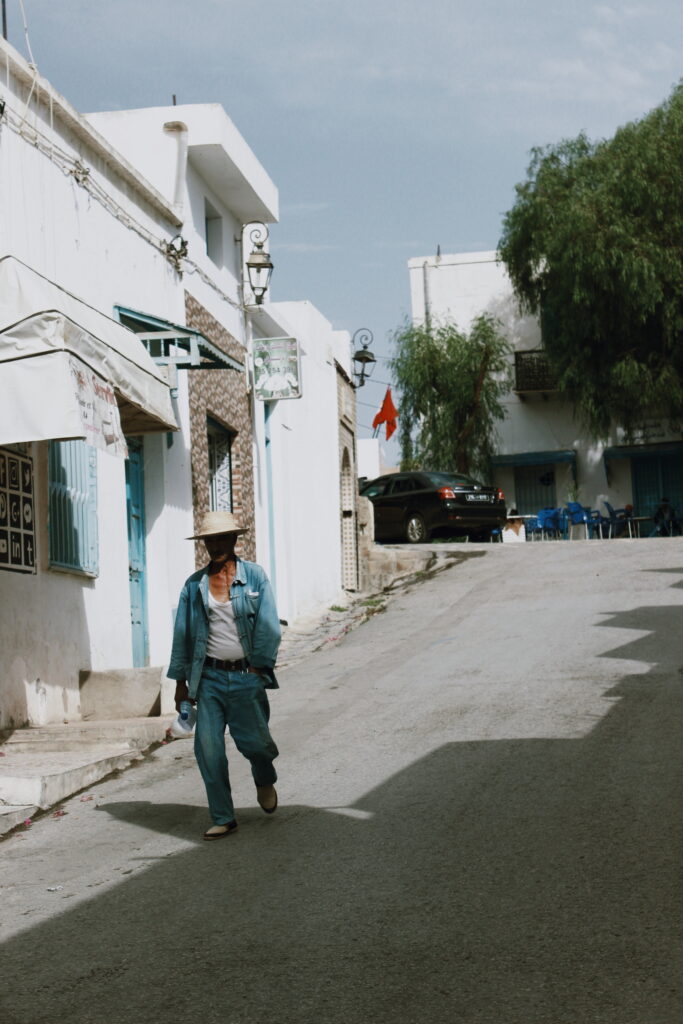
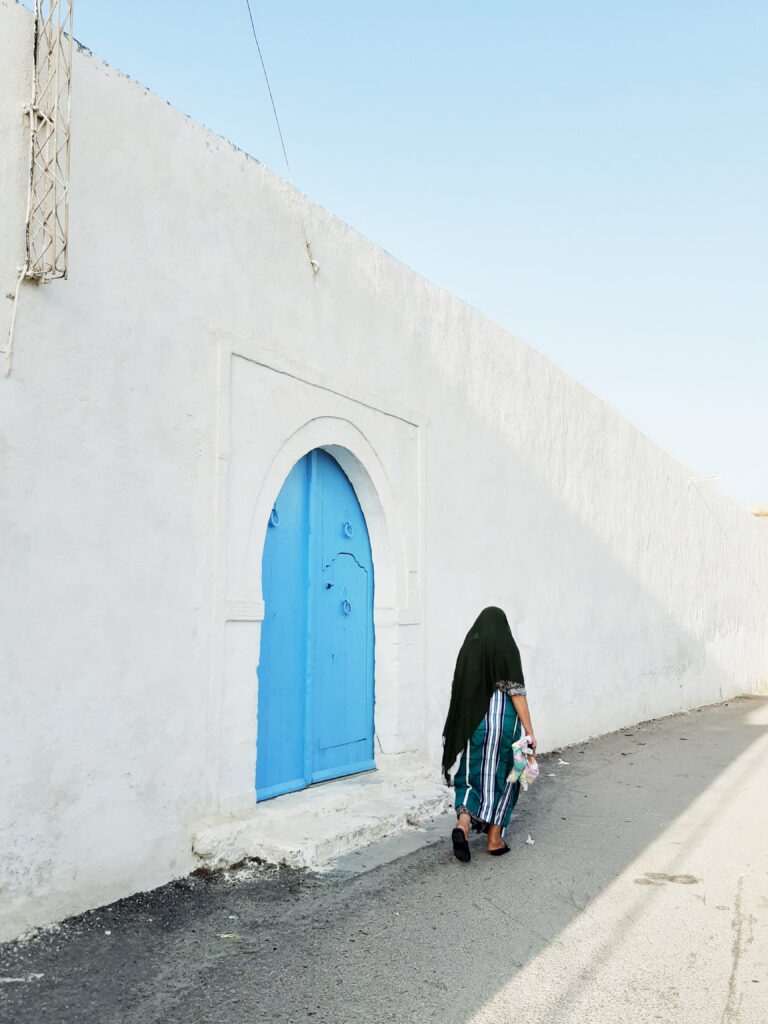
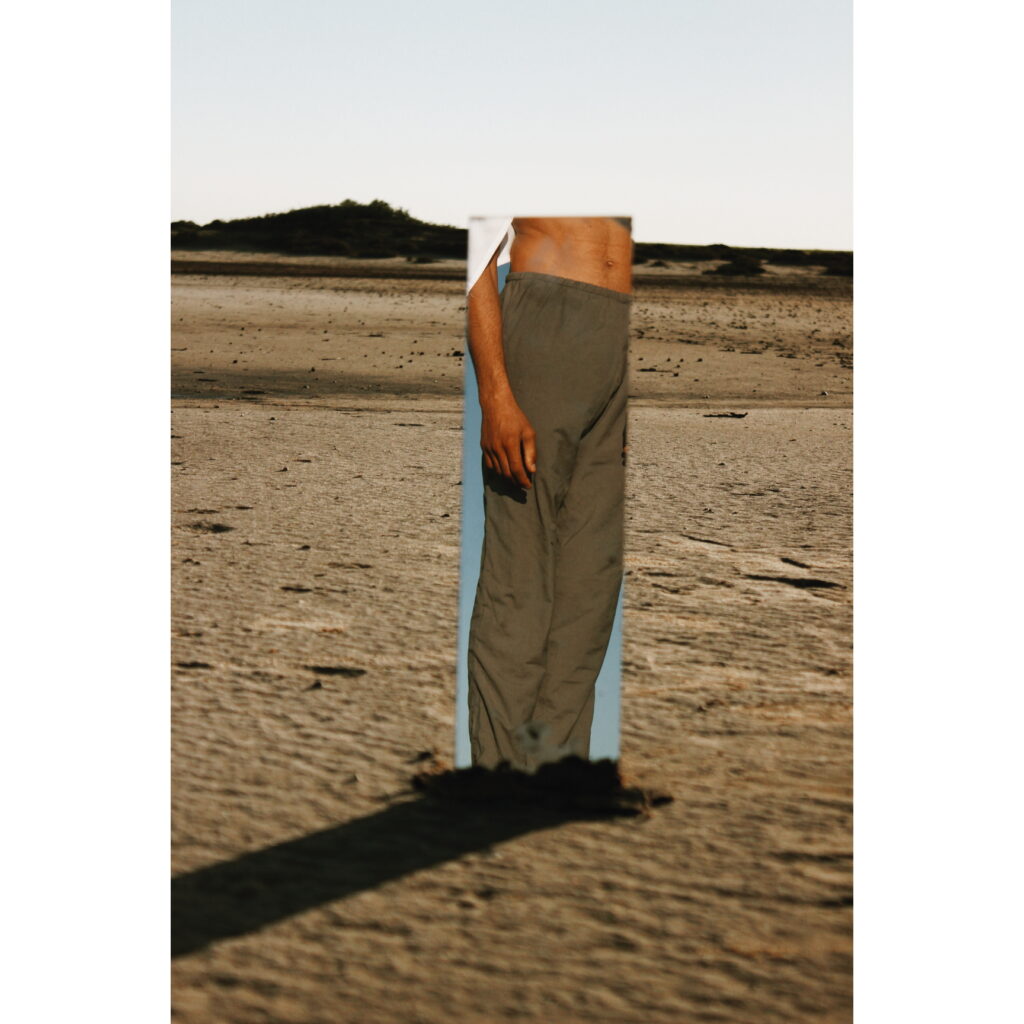
Beyond Spectacle: The Honesty of Everyday Life
Sameh is not interested in spectacle. He does not chase glamour or perfection. Instead, his work grows from emotion and careful observation.
“When I photograph Tunisia, I’m not trying to show a perfect country,” he says. “I’m trying to show what I feel.”
This feeling runs through his images. Sometimes it is raw and tender. At other times, it remains unspoken. Each photograph becomes more than a scene. It becomes an emotional landscape, suspended between presence and memory.
Finding Beauty in the Overlooked
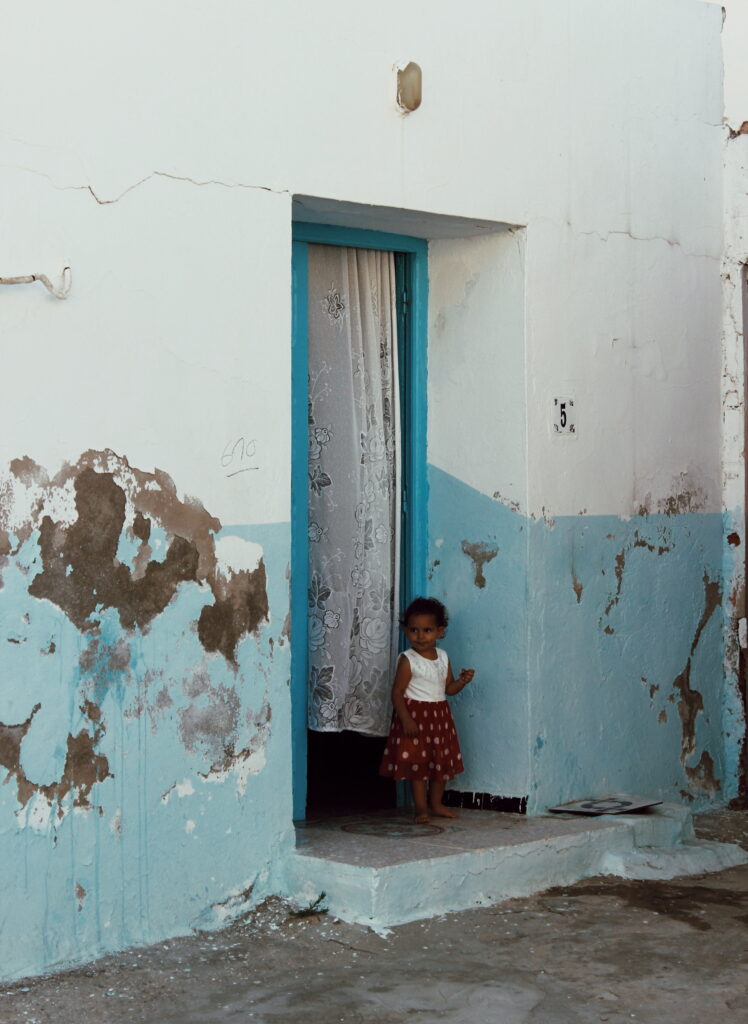
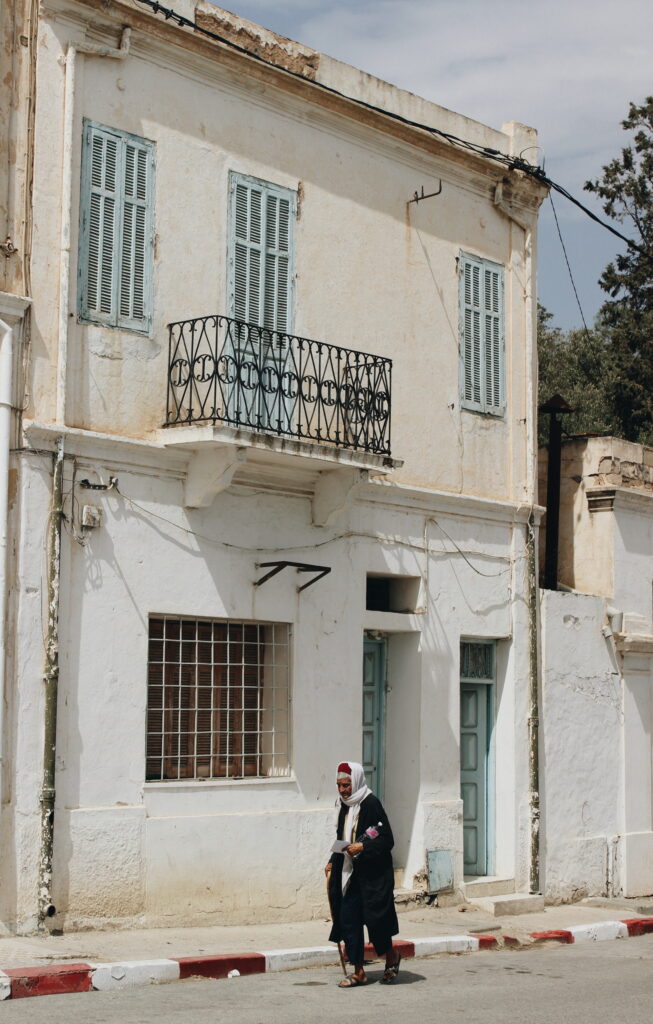
Sameh walks through neighborhoods slowly, almost meditatively. He pays attention to details that others might overlook. A cracked doorway carries decades of history. A torn curtain moves gently in the breeze. A tired expression emerges in the last light of the day.
These are not staged compositions designed to impress. They are fragments of everyday life, captured with care.
“I photograph with my heart,” he says. “I let the world come to me. I want my photos to preserve the honesty of the moment.”
Tunisia Between Memory and Reality
This honesty often reveals a certain fragility. Yet, in Sameh’s work, fragility becomes a form of strength. His photographs do not attempt to sanitize reality. Instead, they embrace the contradictions that shape Tunisia.
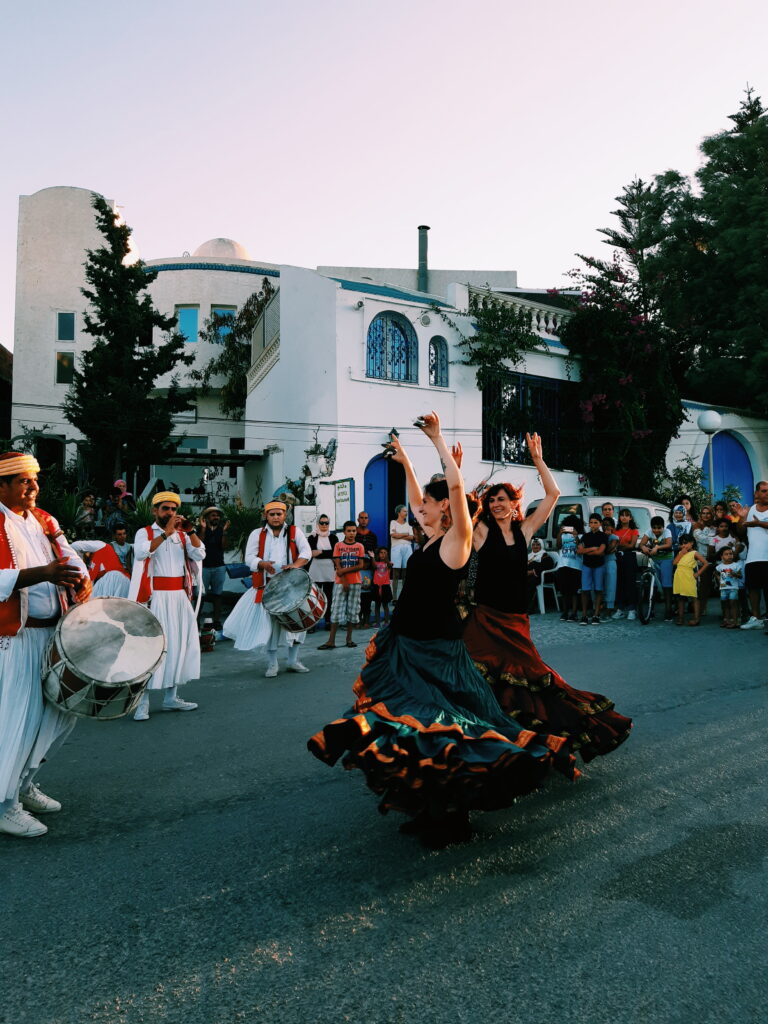
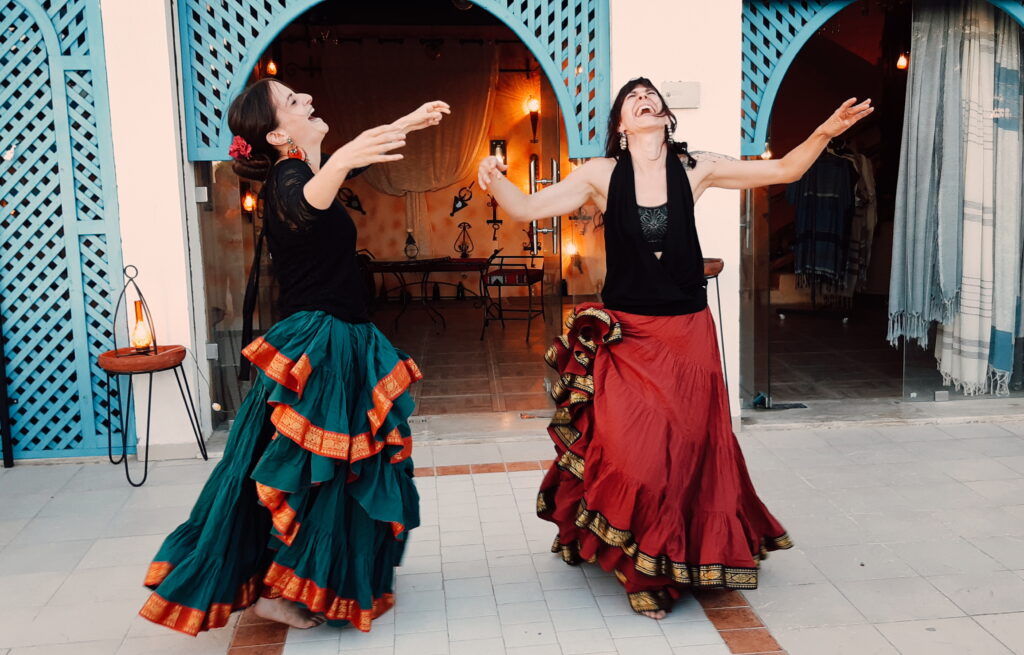
Here, modernity and memory coexist. Pain and tenderness share the same space. Sameh finds meaning in simple moments: a woman kneading bread in a courtyard, a man drinking coffee in silence, or a child running barefoot through the dust.
These scenes are not nostalgic images of a disappearing past. They capture a living reality, shaped by continuity, change, and survival.
The Body as a Language of Expression
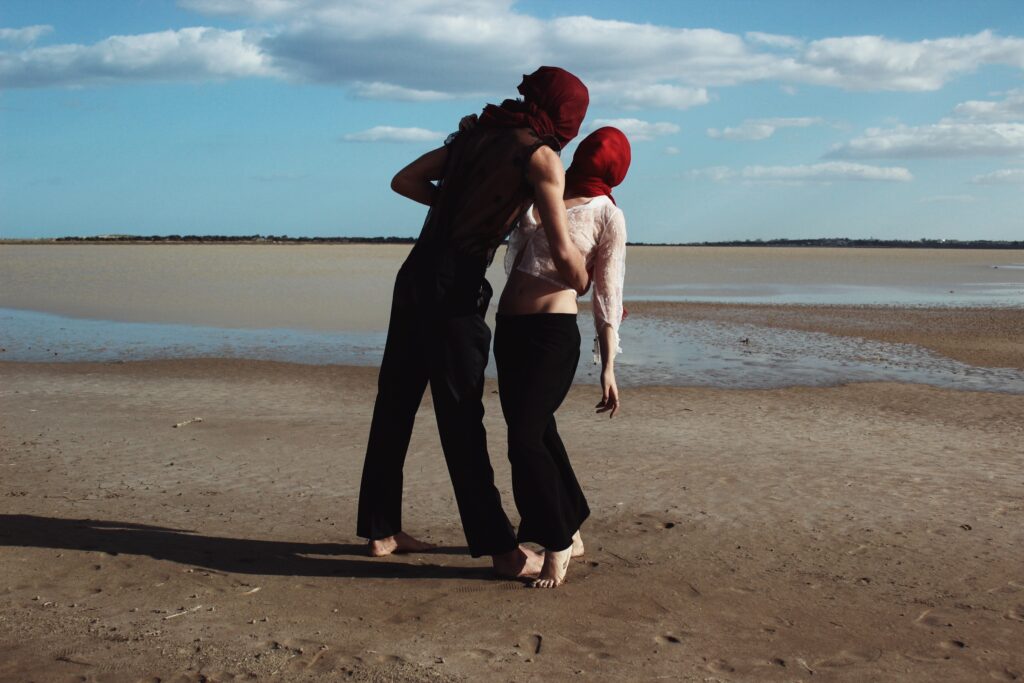
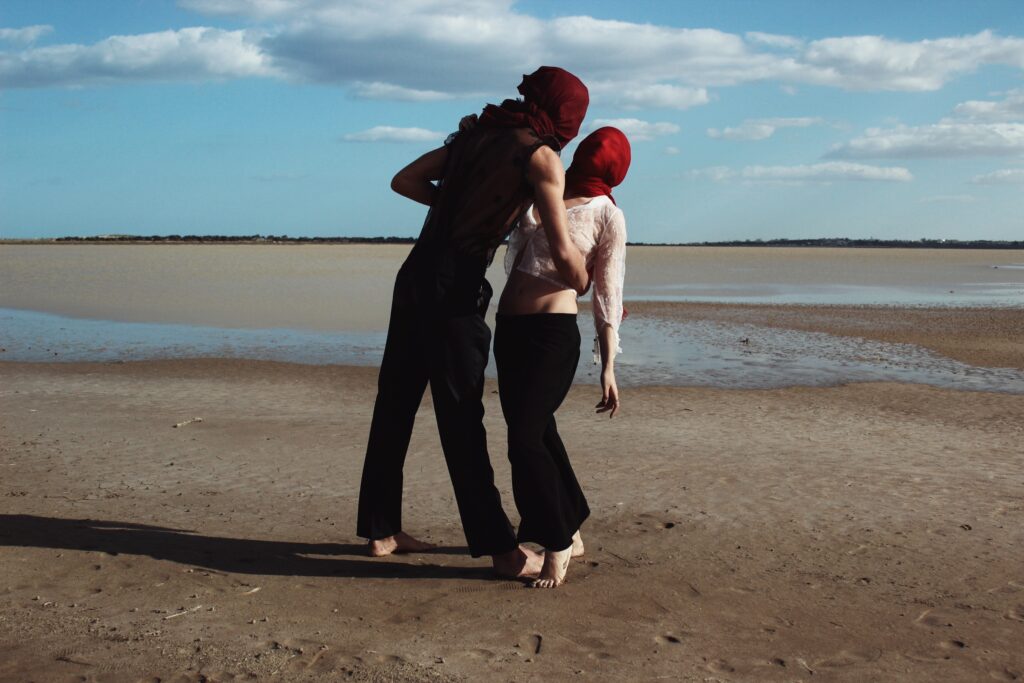
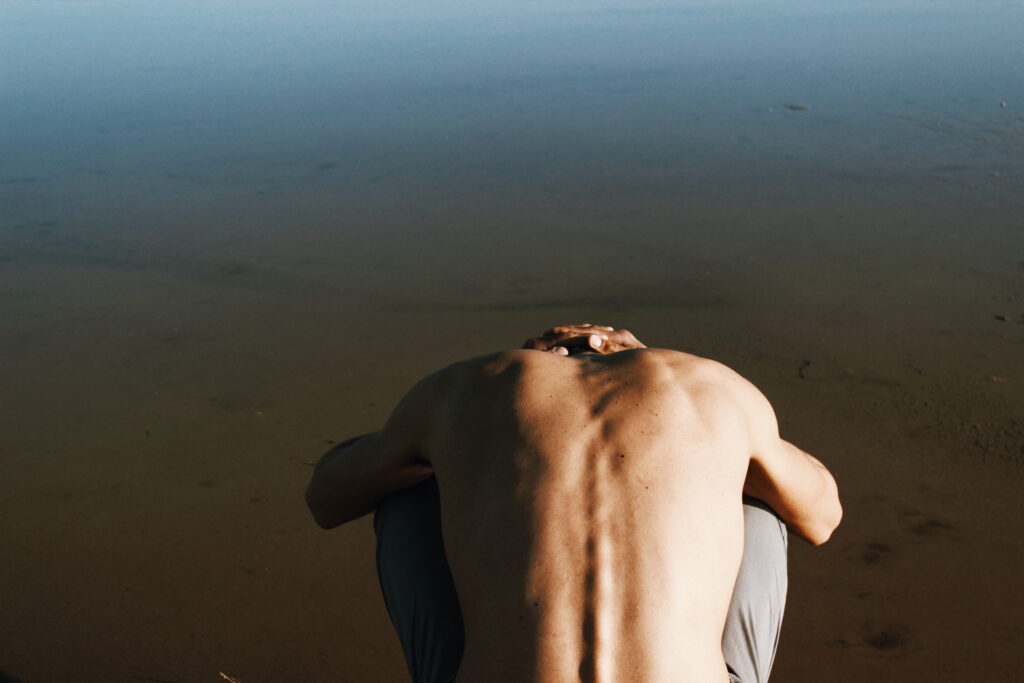
The body occupies a central place in Sameh’s photography. He does not present it merely as an object of aesthetic pleasure. Instead, he uses it as a means of expression and a way to explore the human experience.
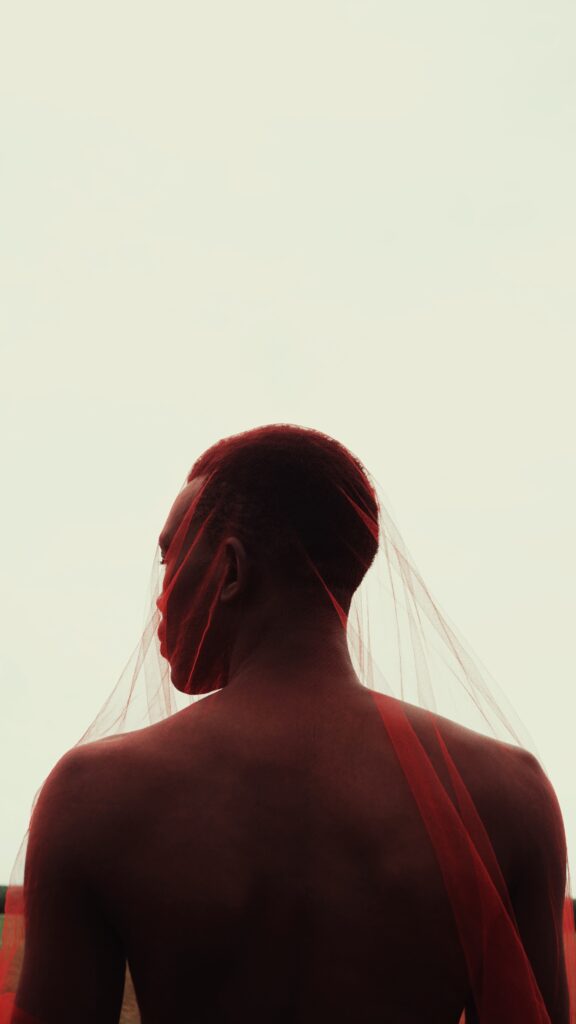
In some photographs, the body is nude or partially revealed. Yet these images are not created simply to provoke. The bodies communicate through their presence, carrying traces of history, emotion, vulnerability, and strength.
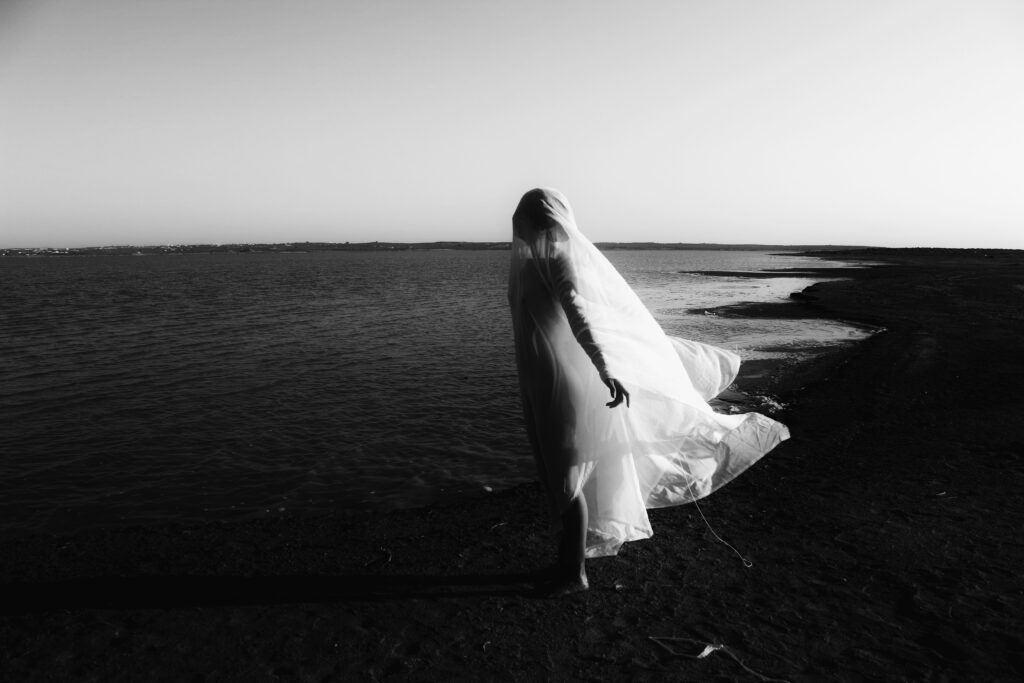
Light moves across the skin like a memory. Shadows settle with intention. Every detail contributes to the image’s emotional depth.
In Sameh’s work, the body becomes a surface upon which feelings emerge. It is a space for reflection and a site of transformation, where personal experience meets broader questions about identity and the human condition.
Light as a Language
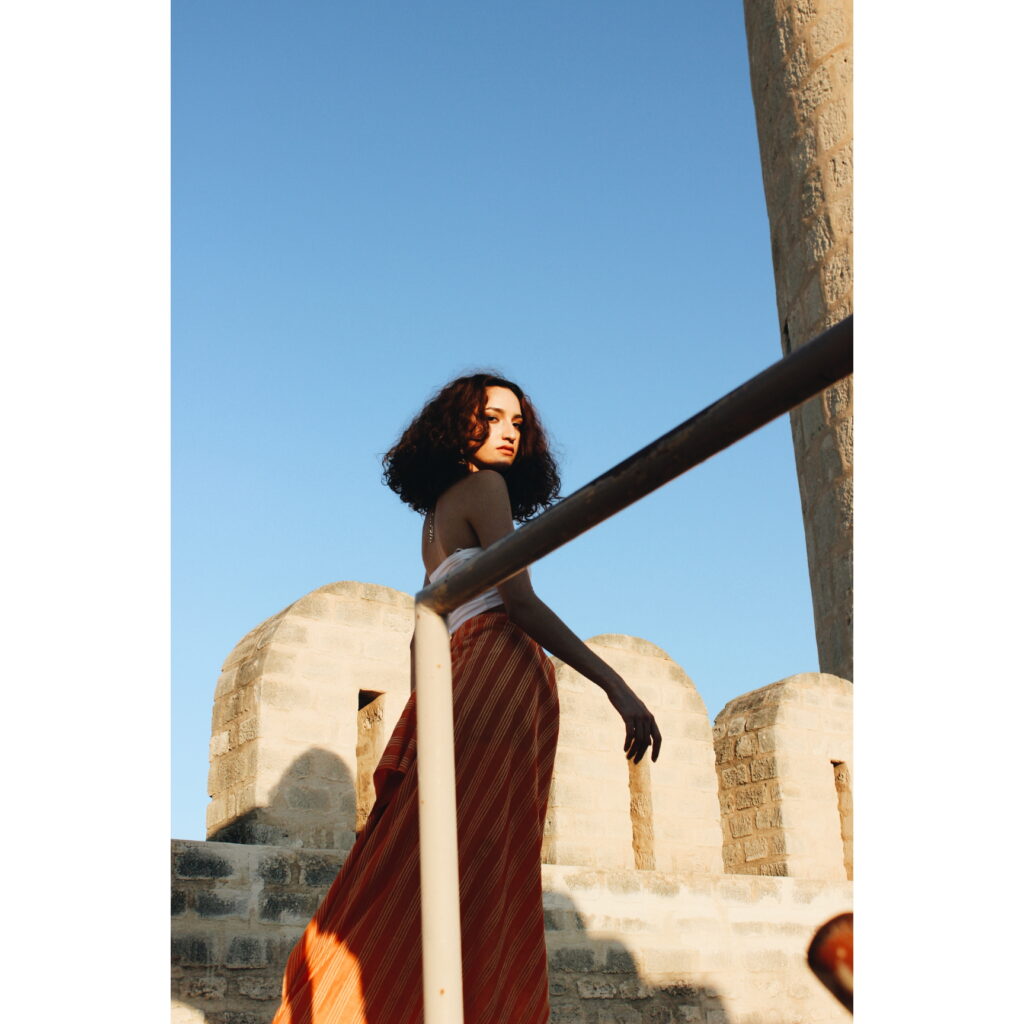
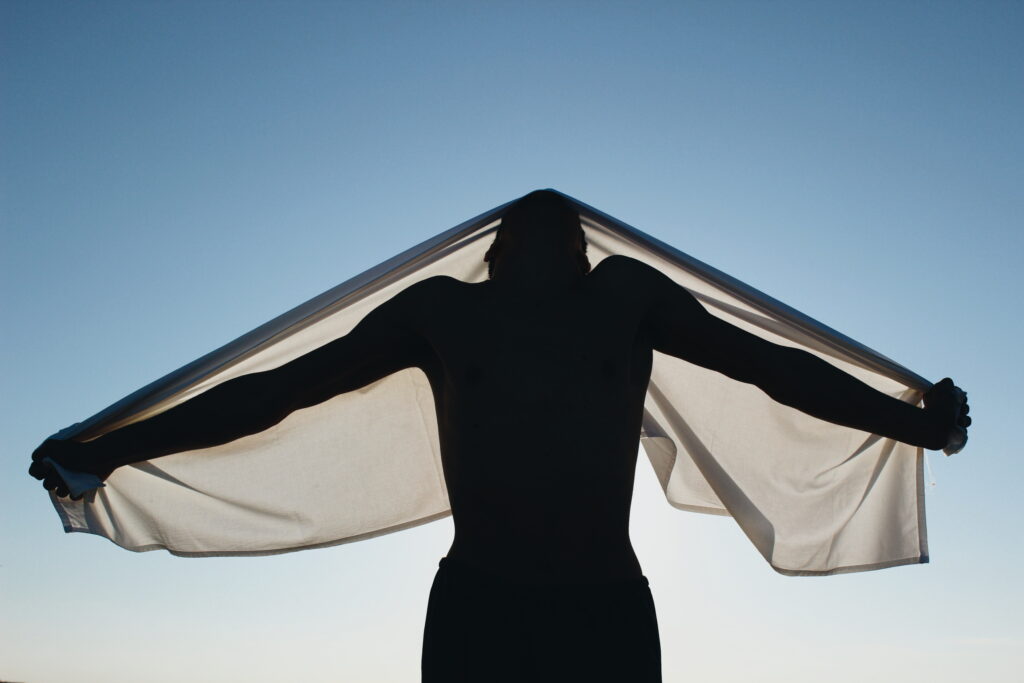
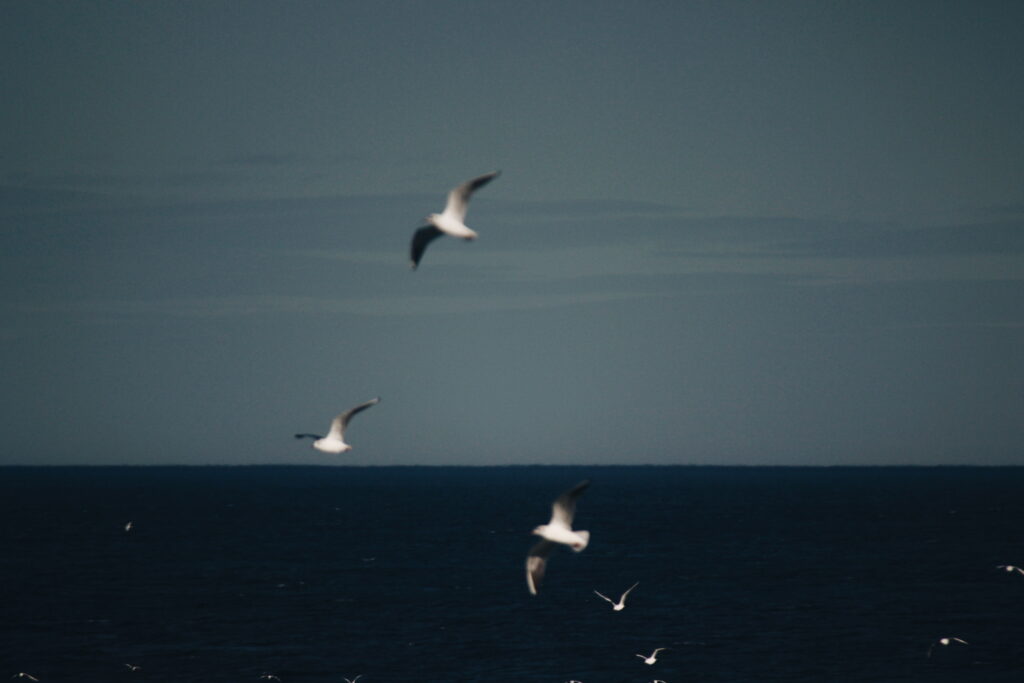
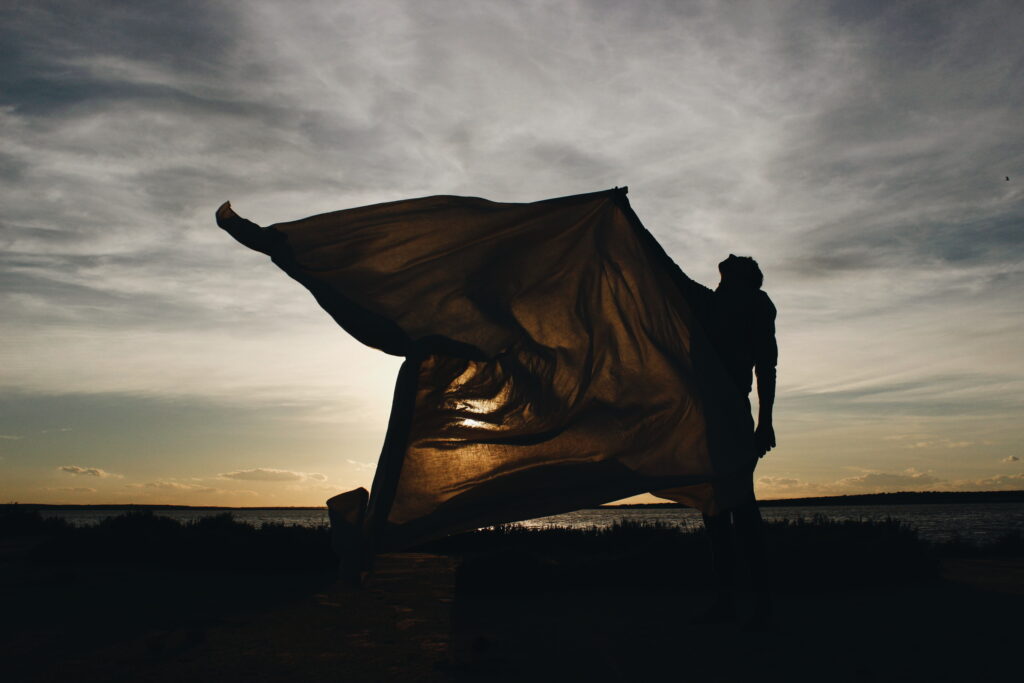
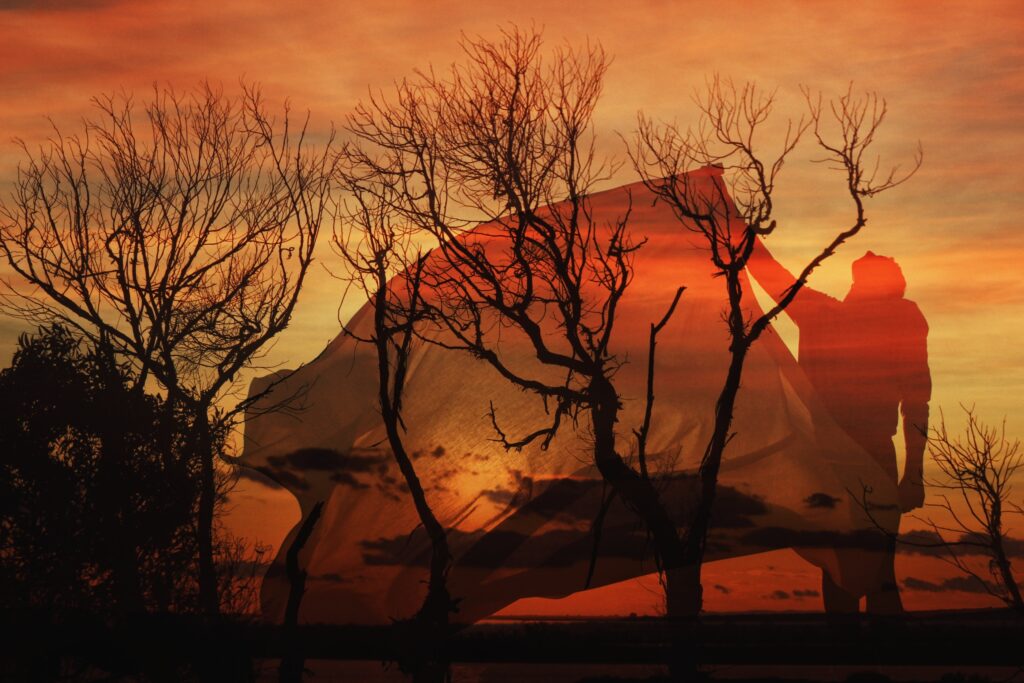
For Sameh Ben Said, light does more than simply illuminate. Instead, it becomes a way to communicate. He works almost exclusively with natural light, using it with the precision of a composer arranging a score. For instance, a shaft of sunlight becomes a message, while a shadow becomes a question.
Rather than seeking dramatic effects, however, Sameh adopts a quieter approach. As a result, his photographs invite contemplation. They seem to breathe slowly, allowing the viewer to pause and reflect. In this way, his images exist between the present and the past, between the physical and the emotional, and between the world as it appears and the world as it is felt.
Objects That Carry Meaning
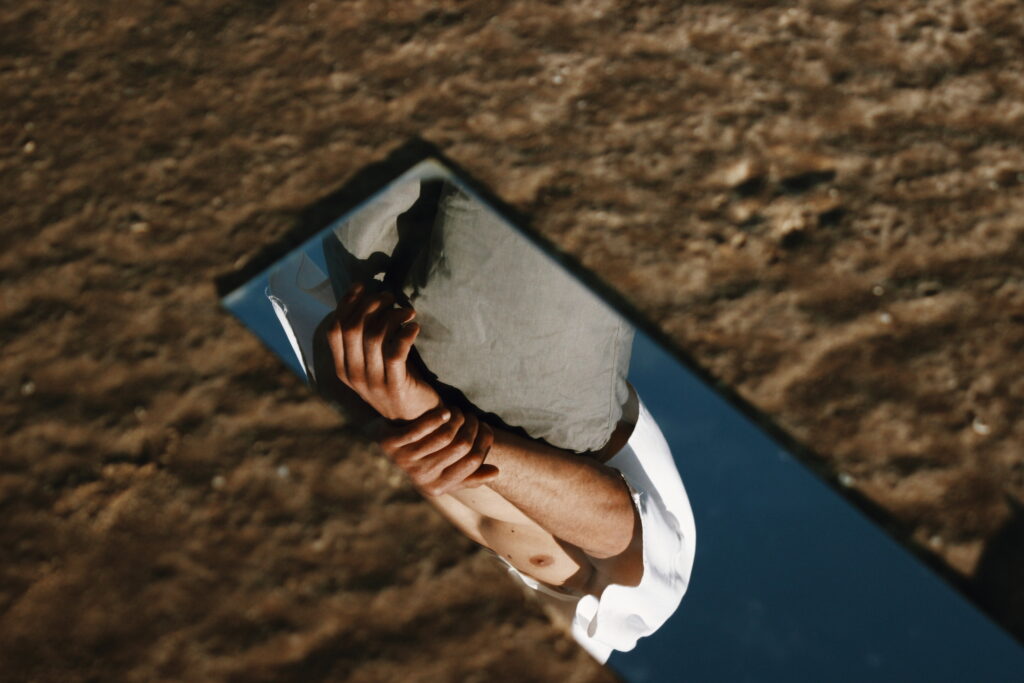
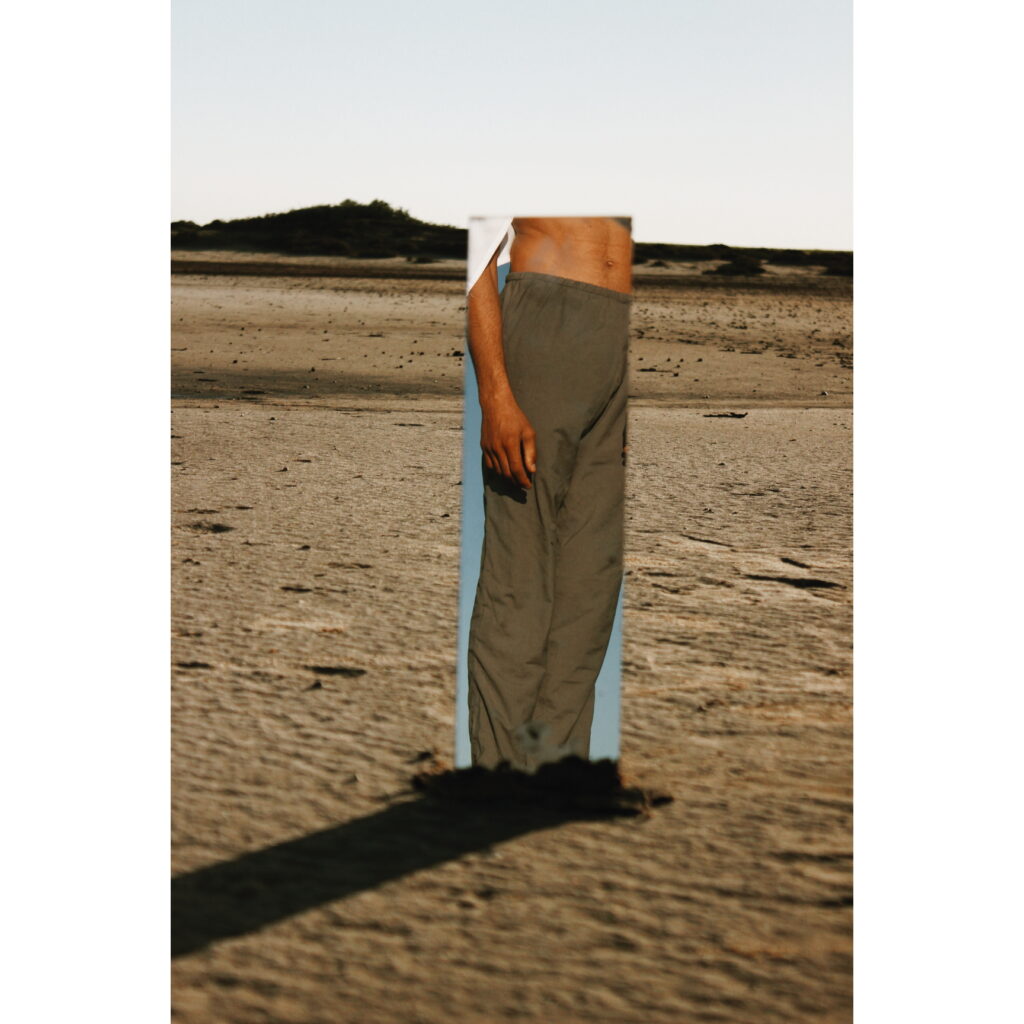
Alongside his use of natural light, Sameh often incorporates objects with symbolic weight into his photographs. Stones, masks, leaves, and broken glass, for example, appear throughout his visual world. Although these objects may seem ordinary at first, each one is carefully chosen and intuitively placed within the frame.
Consequently, they become more than simple visual elements. Instead, they serve as emotional anchors, suggesting meanings that extend beyond what the viewer can see. Rather than providing clear answers, however, these objects leave room for personal interpretation. In other words, they encourage viewers to connect with the images through their own feelings and experiences. Ultimately, the aim is not simply to analyze the photograph intellectually, but also to experience it emotionally.
Between Silence and Vulnerability
At the heart of Sameh Ben Said’s photography lies a subtle but persistent duality. His images exist between silence and outcry, between strength and vulnerability, and between what is visible and what can only be sensed. Through these contrasts, he explores the complexity of human experience.
Similarly, Tunisia emerges through his lens as a place where opposing realities meet. Light encounters dust, while heritage exists alongside change. At the same time, hardship coexists with grace. Rather than presenting these elements as contradictions that must be resolved, Sameh allows them to exist together. In doing so, he reveals a country shaped by different experiences, memories, and emotions.
Moreover, this balance between opposing forces gives his photographs their distinctive character. Each image captures a particular moment, yet it also suggests a broader reality. Thus, the personal becomes a way of understanding the collective, while the ordinary reveals something deeper about the human condition.
A Slower Way of Seeing
Today, we live in a world saturated with filtered images and instant gratification. Against this backdrop, Sameh’s photography takes a different path. His approach is slow, deliberate, and honest. Instead of demanding an immediate reaction, his images encourage viewers to pause and look more closely.
Consequently, the act of looking becomes an experience in itself. At first, a photograph might appear simple. However, the longer we observe it, the more details and emotions begin to emerge. In this sense, his work rewards patience and attention.
Furthermore, this slower approach creates space for reflection. Rather than imposing a single meaning, Sameh allows each image to remain open to interpretation. As a result, viewers can form their own connections with the people, places, and emotions represented. In a culture increasingly driven by speed, his photographs remind us that some experiences require time to be understood.
A Portrait of Tunisia, One Image at a Time
Ultimately, Sameh Ben Said does more than document Tunisia. He interprets it. Through his photographs, he gradually builds a portrait of both a country and himself. Yet he does so without idealizing reality or reducing it to a simple narrative.
Instead, his images embrace complexity. They reveal a Tunisia that is raw, changing, and deeply human. At the same time, they reflect the personal experiences and emotions through which he understands his surroundings.
For this reason, his camera becomes more than a recording device. Rather, it serves as an instrument of empathy, allowing him to explore experiences that words alone cannot always express. Through natural light, symbolic objects, and intimate observations, he creates images that connect the personal with the collective.
In the end, each photograph offers another way of seeing Tunisia. More importantly, it invites us to look beyond appearances and recognize the emotions, memories, and contradictions that shape our relationship with the world. Through each image, Sameh reaches beyond the visible. Ultimately, his photography speaks not only to the eye, but also to the memories and feelings that reside within us.