



Sidi Bou Saïd Joins the UNESCO World Heritage List
Sidi Bou Saïd has officially joined the UNESCO World Heritage List, marking a historic day for Tunisia. The UNESCO World Heritage Committee approved the inscription during its 48th session in Busan, South Korea. The decision recognizes the village as one of the world’s most valuable cultural sites and highlights its importance beyond Tunisia’s borders.
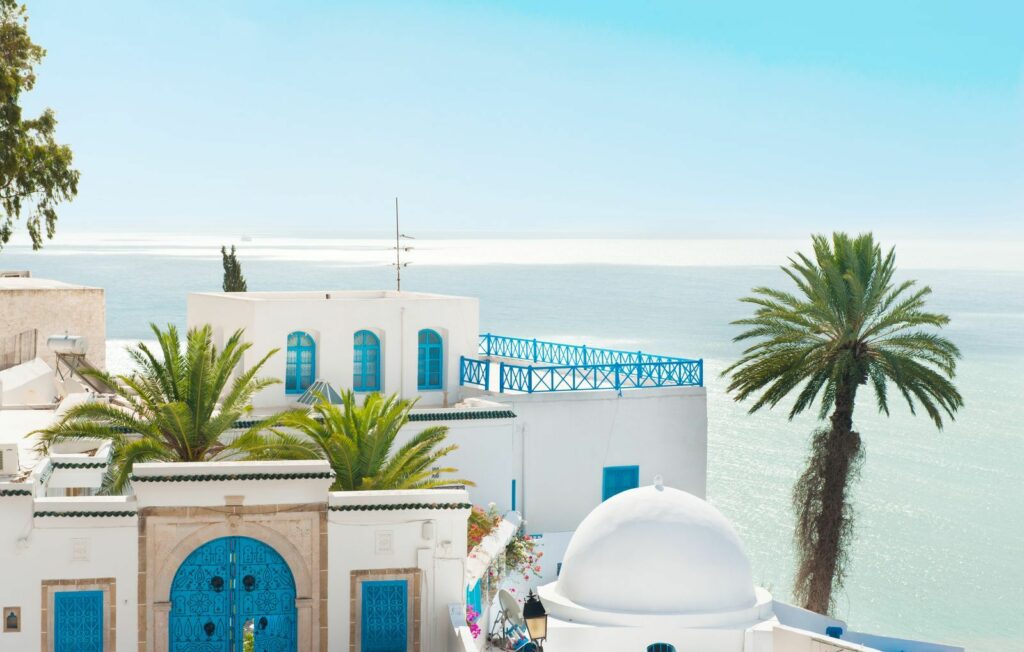
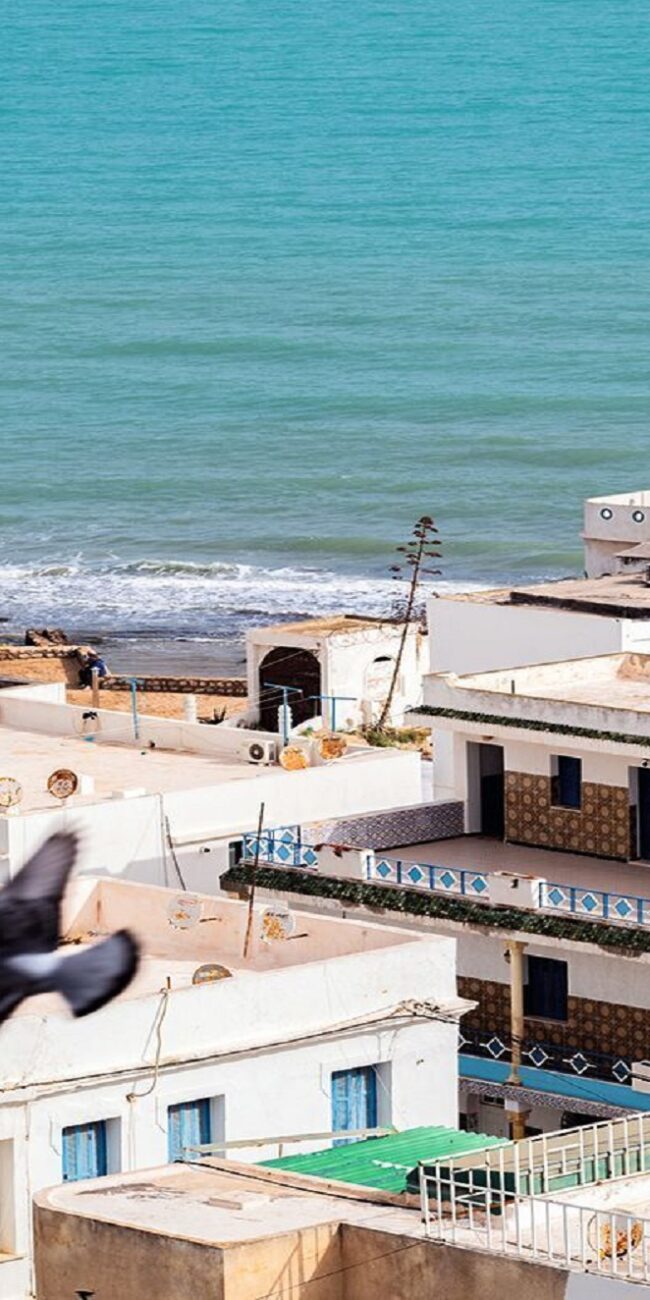
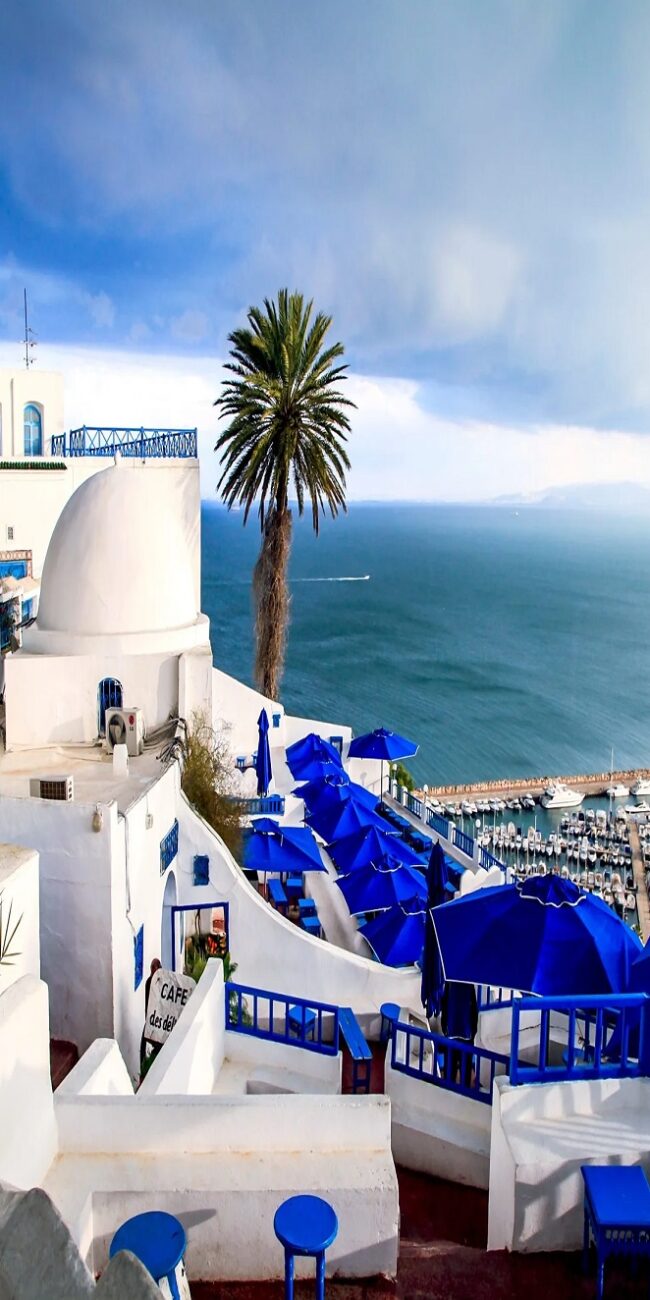
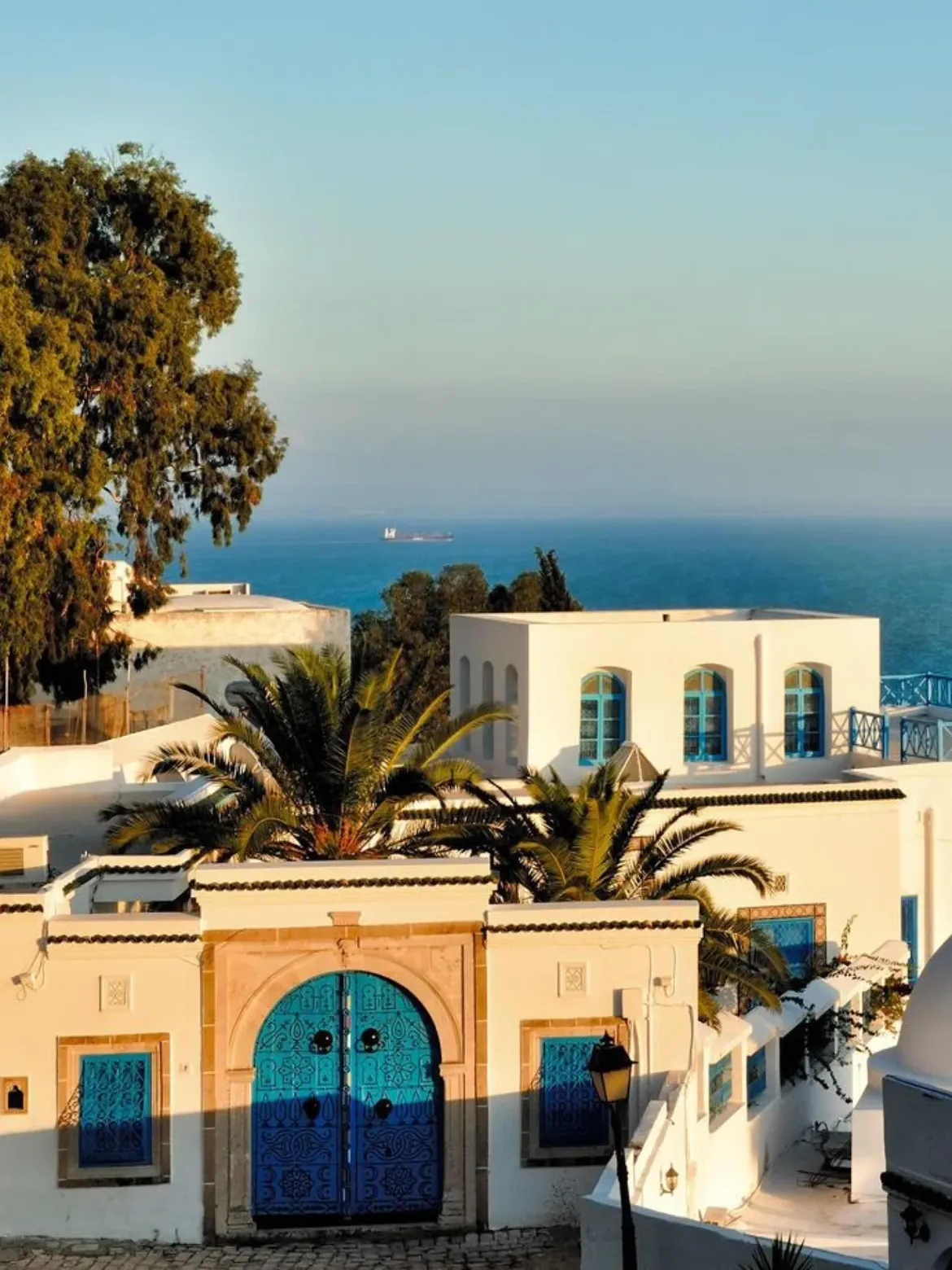
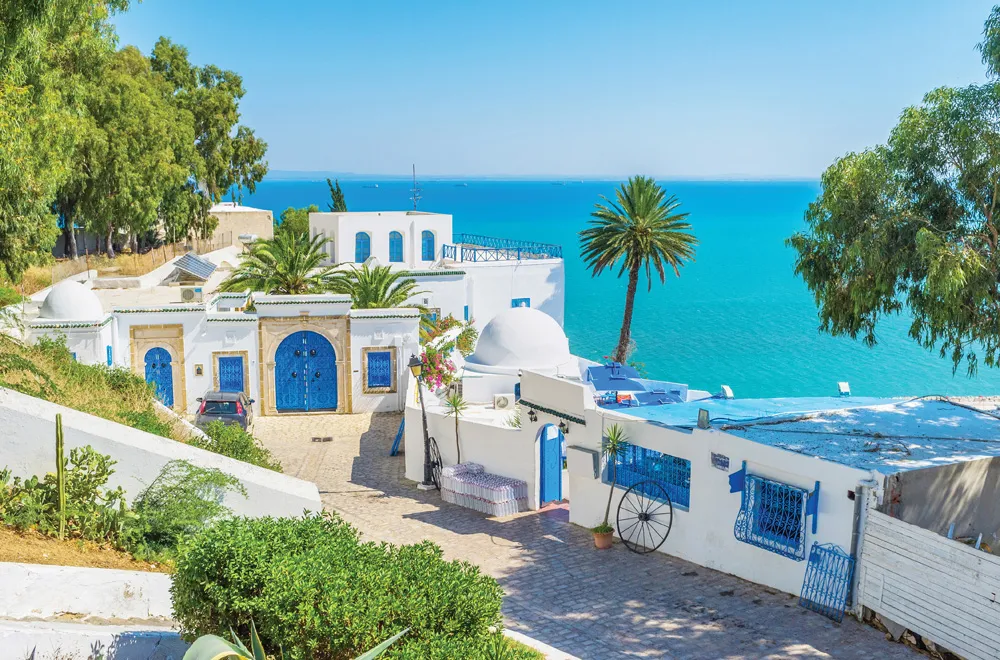
For decades, Sidi Bou Saïd has stood as one of the country’s most recognizable places. Its white houses, blue doors, winding streets, and views over the Gulf of Tunis have become symbols of Tunisia. Yet the village offers much more than its famous scenery. It brings together architecture, history, spirituality, craftsmanship, and artistic creation in a living cultural landscape.
UNESCO listed the site under the name Village of Sidi Bou Saïd: Hub of Cultural and Spiritual Inspiration in the Mediterranean. The title reflects the village’s role as a place where culture continues to evolve. Artists, writers, musicians, photographers, and visitors have drawn inspiration from its unique atmosphere for more than a century. At the same time, local traditions remain an essential part of everyday life.
The story of Sidi Bou Saïd began around the sanctuary of the Sufi scholar Abu Said al Baji. His presence turned the hill into an important spiritual destination. Centuries later, wealthy families from Tunis built elegant homes that overlooked the Mediterranean. Their residences shaped the distinctive architectural identity that still defines the village today. Carefully preserved streets, gardens, courtyards, and façades create a rare sense of harmony between nature and the built environment.
This achievement follows years of work by Tunisian historians, architects, researchers, and heritage institutions. They prepared extensive documentation to demonstrate the village’s outstanding universal value. Their efforts also showed how its architecture, landscape, and cultural traditions form a single living heritage that deserves international protection.
The UNESCO inscription also brings new responsibilities. It encourages stronger conservation policies and supports sustainable tourism. Local authorities and heritage professionals now have an opportunity to strengthen the protection of the village while preserving its authenticity for future generations.
For Tunisia, this recognition represents far more than an international distinction. It celebrates a place that has shaped the country’s cultural identity for centuries. It also confirms the global importance of preserving living heritage. As Sidi Bou Saïd enters the UNESCO World Heritage List, its streets, homes, and traditions become part of a shared legacy that belongs to the entire world.
Post a Comment