




Ereg Enossef: Rochdi Belgasmi Explores the Body Between Control and Sensuality
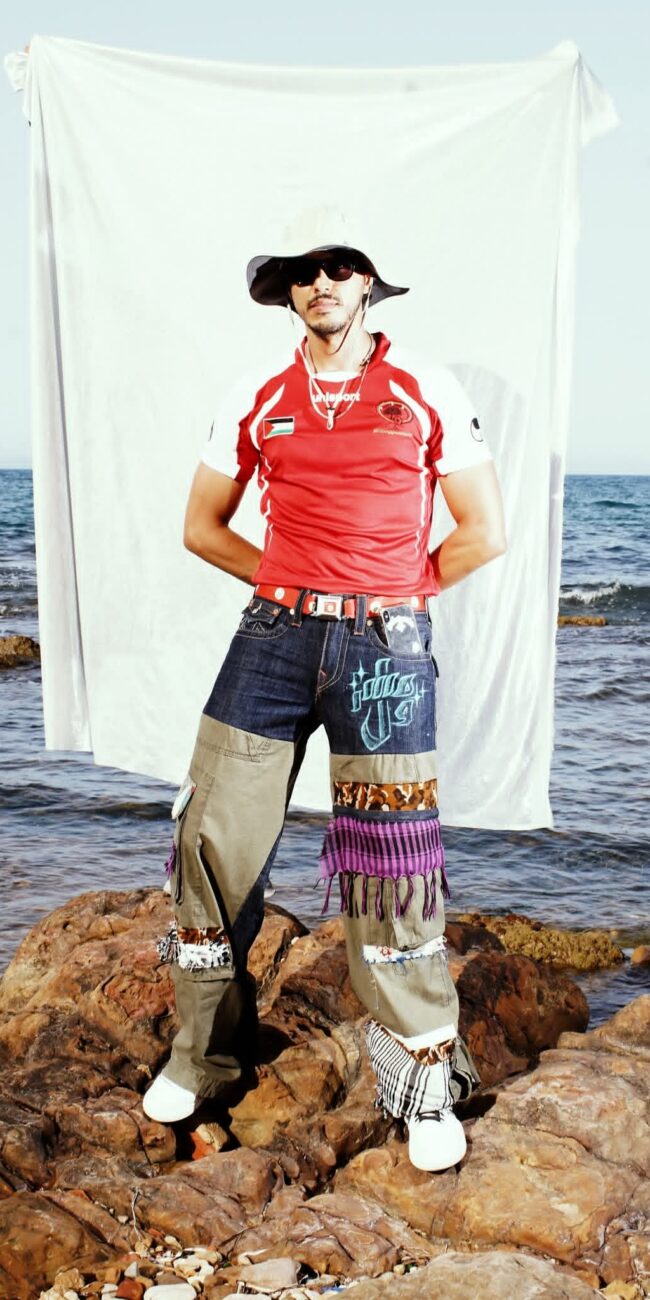
Ereg Enossef dance performance by Rochdi Belgasmi explores the link between the body, fabric, and movement. From the beginning, the piece sets a clear contrast. A closed costume hides softness, tenderness, and sensuality. As a result, the body feels both controlled and expressive at the same time.
Moreover, the choreography relies on strong and vertical movements. These gestures show discipline; however, they also reveal emotion. At the same time, the fabric plays an important role. It does not simply cover the body. Instead, it shapes it and gives it new forms.
As the dancer moves, the material becomes active. It expands, folds, and reacts to each gesture. Therefore, the performance creates a constant dialogue between body and fabric. In turn, this interaction allows new shapes to appear on stage.
In addition, the piece remains open and evolving. It is presented as a work-in-progress, so it leaves space for experimentation. As a result, the stage becomes a place where movement and texture grow together.
Rochdi Belgasmi is a Tunisian dancer and choreographer known for rethinking traditional dance in a contemporary way. After the 2011 revolution, he developed a bold artistic voice. In particular, his work questions gender, identity, and social norms. Because of this, his performances often place the body at the center of cultural and political expression.
This Ereg Enossef dance performance will take place on May 7, 2026, at 7:00 PM at the Municipal Theatre of Sousse. It is part of the International Scientific Symposium Rhythmic Interactions, which explores links between music and visual arts in digital contexts.
Furthermore, the event runs from May 7 to May 9, 2026. It brings together artists, researchers, and creators from different fields. The program includes conferences, workshops, and performances. Among these, the Night of Performances offers a space for live experimentation and exchange.
Ultimately, the Ereg Enossef dance performance reflects an ongoing artistic research. It invites the audience to explore control, visibility, and transformation through movement.


Post a Comment