AMMAR 808 – CLUB TOUNSSI
By Tunez Magazine ·
When Tunisian producer Sofyann Ben Youssef, better known as AMMAR 808, released Maghreb United in 2018, he challenged the boundaries of contemporary electronic music. His sound combined the powerful rhythms of the TR-808 drum machine with the voices and instruments of North Africa. The result was a universe that felt both ancient and futuristic.
In 2020, he returned with Global Control / Invisible Invasion. Drawing on South Indian classical traditions, the album reimagined them through electronic futurism. It also expanded his musical vision beyond the Maghreb. With his third album, Club Tounsi, released in May 2025, Ben Youssef turned his attention back home. This time, he reimagined one of Tunisia’s most historically marginalized genres: Mezoued.
Club Tounsi is more than an album. It is an act of cultural excavation, a reworking of collective memory, and a bold vision for the future of sound. Ben Youssef has long explored the space between tradition and futurism. Here, he turns to Mezoued, a popular Tunisian musical tradition once dismissed as music of the ghetto. Yet its rhythms and melodies remain inseparable from the country’s cultural identity.
The roots of Mezoued are closely linked to the social changes that shaped Tunisia in the mid-twentieth century. Waves of rural migrants moved to the capital, bringing melodies shaped by displacement, longing, and survival. Mezoued brings together several musical elements. These include the plaintive sound of a goatskin bagpipe, the driving pulse of the darbuka, the ornamented melodies of Arabic maqam, and the fervor of Sufi devotion.
Its lyrics often speak of dispossession, longing, and turbulent love. Yet its rhythms invite celebration. Through dance, the music transforms hardship into collective expression. Mezoued faced social stigma and exclusion from mainstream media, including restrictions on its television presence. Nevertheless, it continued to grow beyond the margins. Its persistence reflects a broader story of Tunisian identity, where a once-marginalized sound became an enduring part of the national cultural landscape.
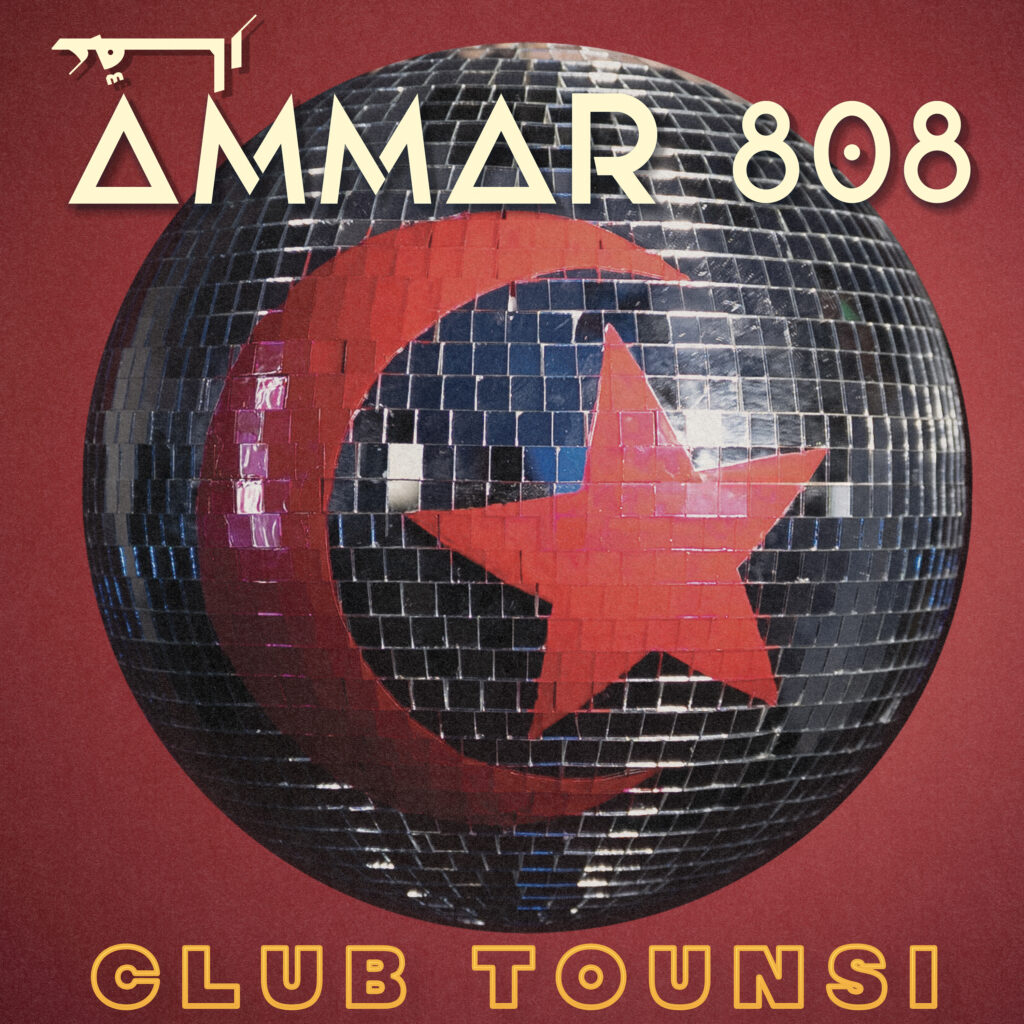

To bring this vision to life, AMMAR 808 brought together a group of Tunisian musicians. Each represents a different side of the Mezoued tradition. Mariem Bettouhami contributes the vocal technique she developed through conservatory training. Mahmoud Lahbib brings the raw authenticity of Mezoued, while Brahim Riahi draws on his Sufi background. Together, their voices reflect the genre’s many histories and influences. Club Tounsi is therefore more than the work of one producer. It is a collective expression of Tunisia itself.
The choice of songs is equally significant. Rather than searching for forgotten tracks, Ben Youssef revisits songs deeply rooted in collective memory. Reworking these familiar melodies means confronting the past while questioning how traditions survive.
“Aman Aman” offers a striking example. In its traditional form, the song carries a strong sense of urgency. Ben Youssef transforms it into a slow, cinematic lament. Synthesizers build an atmosphere of tension, while Bettouhami’s voice becomes fragmented through electronic effects. The bass sinks into deep, shadowy frequencies. The result is more than a cover version. It reveals a melancholy that may have always existed beneath the familiar melody.
This transformation brings together preservation and rupture. It allows younger listeners, who may know the song mainly through club culture, to discover the emotional weight of an older musical tradition.
Mezoued was long stigmatized because of its association with working-class communities. Yet Club Tounsi reveals a musical language that reaches beyond social boundaries. Its sound brings together Sufi chants, elements of malouf, and rhythms shaped by everyday life. These influences give the genre both its cultural depth and its capacity for reinvention.
For Ben Youssef, Mezoued is not simply a record of the past. It is a source of inspiration for new musical possibilities. The album shows how traditions can change without losing their connection to the communities that created them. They are not fixed relics. They remain alive through reinterpretation, movement, and exchange.
Listening to Club Tounsi brings history and futurism into the same space. The sounds of Tunisian streets meet electronic rhythms built by machines. Together, they create a dialogue between memory and invention. The album also makes a wider statement about music’s power to preserve cultural identity. It challenges the stigma attached to Mezoued while reclaiming the joy at its heart.
At times, the album makes a club feel like a shrine. Ancestral rhythms meet the pulse of electronic music, creating a space where past and present coexist. This is where AMMAR 808’s approach becomes particularly compelling. He does not ask listeners to choose between tradition and experimentation, or between local identity and global sound. Instead, he brings these worlds together.
When the Fezzani rhythm takes hold, the music draws bodies and voices into a shared celebration. The moment captures one of music’s enduring powers: the ability to carry memory forward while creating new reasons to celebrate.

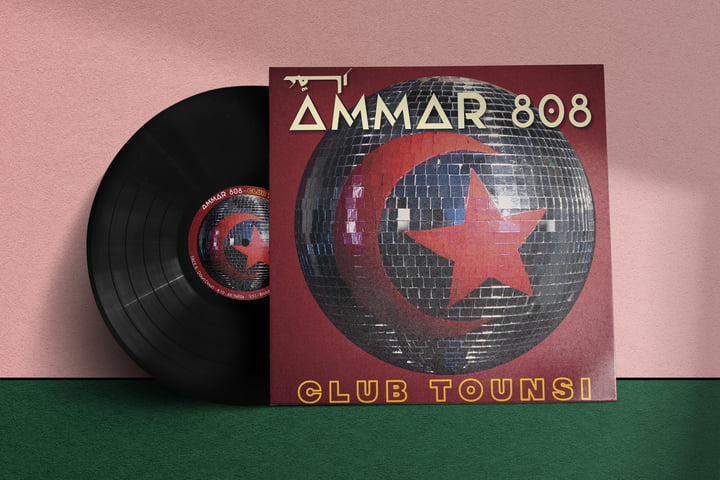

‘Club Tounsi’ is released by Glitterbeat