Kifayat: A Memory of Primary Education in Tunisia
By Tunez Magazine ·
Kifayat: A New Approach to Learning
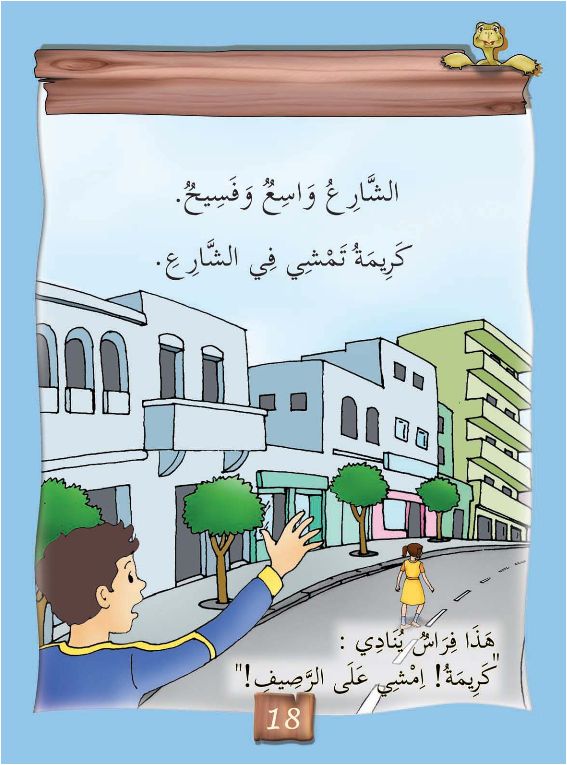
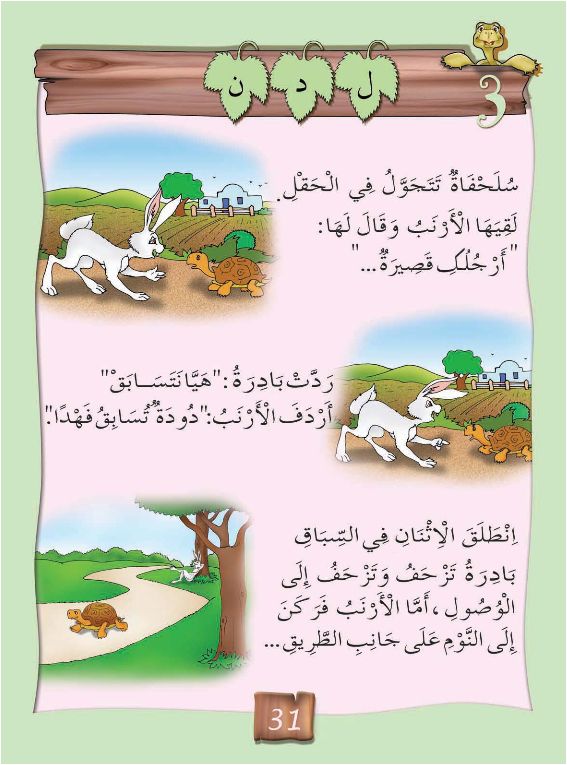
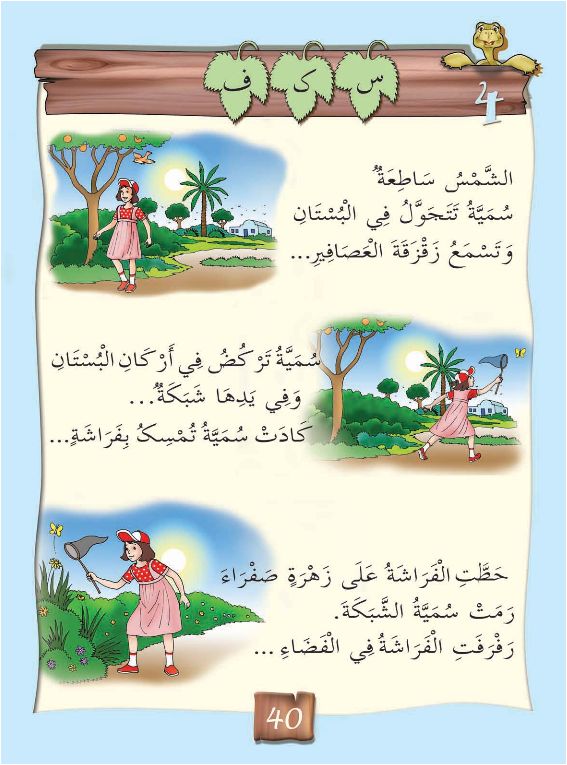
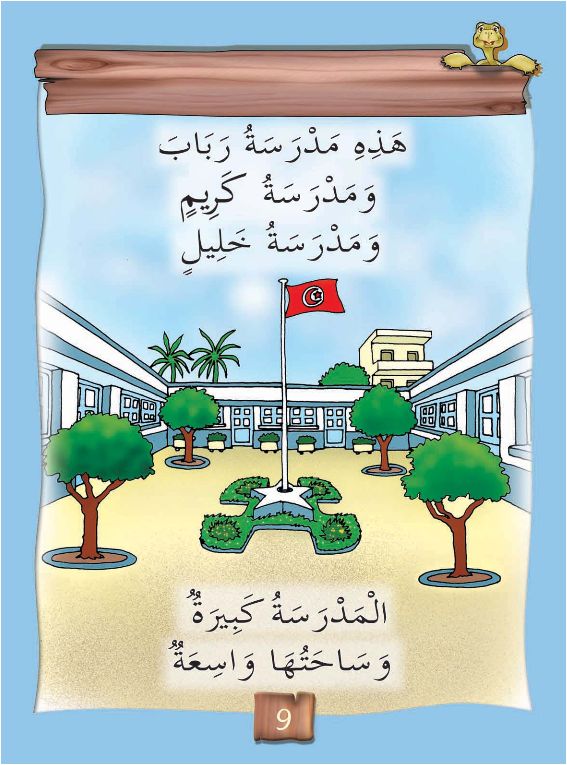
Kifayat (Reading Book) was one of the most important reference textbooks used in Tunisian primary schools under the old education system. First published in 1989 by the National Pedagogical Center, the book served as an introductory reading resource for first-year pupils. With approximately 74 pages, it was authored by leading educators, including Haj Omar Hussein, Haj Faraj Ali, Salwa Hamzaoui, and Samia Toumi Sakli.
Learning Beyond Memorization
Kifayat reflected a changing vision of education in Tunisia. Its approach focused on developing basic competencies rather than relying solely on rote memorization. The aim was to equip children with essential skills in reading, writing, and expression.
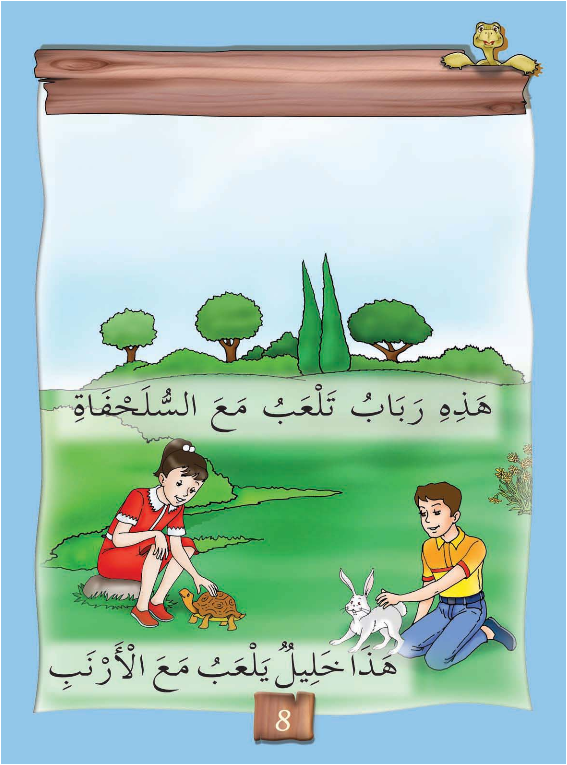
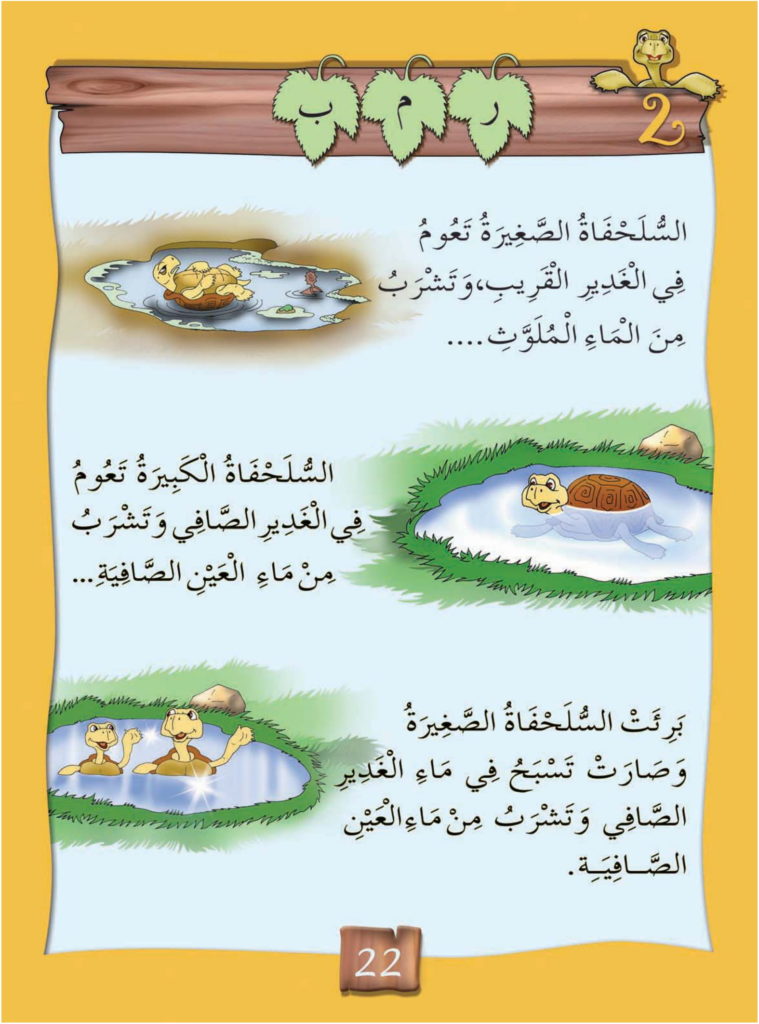
The book used short texts, colorful illustrations, and practical exercises to support learning. Lessons guided pupils step by step, from recognizing letters to forming words, constructing sentences, and reading complete texts. This gradual progression helped make learning more accessible to young children.
The Basic Competencies Reform
The introduction of the basic competencies approach gained momentum during the 1990s. In the 1995–1996 school year, the approach was tested experimentally in selected primary school classes. The first evaluation of pupils’ acquired competencies took place in October 1996.
These initiatives marked an important stage in the development of primary education in Tunisia. They reflected a growing interest in assessing what pupils could understand and apply, rather than measuring learning through memorization alone.
A New Vision for the Tunisian School
On May 4 and 5, 1998, Tunis hosted a national seminar titled School of Tomorrow: The Basic Competencies Program, A New Approach to Learning and Evaluation. The event demonstrated the importance attached to educational reform and the search for new methods of teaching and assessment.
Within this broader history, Kifayat remains a significant reference for understanding how reading was taught to generations of Tunisian pupils. Beyond its educational purpose, the book also evokes memories of childhood, the classroom, and the first steps into the world of reading.
The End of an Era and a Lasting Memory
With the introduction of new educational reforms in the early 2000s, particularly the 2002 reform, Kifayat was gradually phased out of Tunisian classrooms. Yet, the book continues to hold a special place in the memories of an entire generation of students. Many still remember its texts and illustrations, which accompanied their first steps into formal education. For them, Kifayat remains a symbol of a formative period in the history of public education in Tunisia.
A Textbook Preserved in Collective Memory
Today, digital copies of Kifayat circulate on educational websites and online forums, allowing former pupils and younger generations to rediscover its contents. The book offers a valuable reference for understanding the evolution of Tunisian school curricula, while also serving as a cultural artifact that connects personal memories to a shared educational past.
Kifayat was more than a reading book. It represented a moment in Tunisia’s educational history when pedagogical ambitions took shape through practical methods of learning. Its legacy lives on not only in the pages preserved online, but also in the memories of those who learned their first letters, words, and sentences from it.