E-FEST CAMP #2 brings contemporary culture to the heart of southern Tunisia
By Tunez Magazine ·
From October 29 to November 1, E-FEST CAMP returns to Ksar El Ferch in Ghomrassen, Tataouine, bringing together music, contemporary art, and local heritage in an experience that connects cultural discovery with the restoration of one of southern Tunisia’s historic sites.
Southern Tunisia is preparing to welcome a new edition of E-FEST CAMP, a cultural gathering that brings music, artistic experimentation, and community engagement to Ksar El Ferch, in the Tataouine region. Running from October 29 to November 1, 2026, the event offers more than a series of concerts, creating a space where contemporary cultural expression meets the history and identity of the surrounding territory.
At the heart of the festival is an ambition to connect artists, residents, artisans, researchers, and local cultural actors through a programme that combines live performances, contemporary art, discussions, and activities exploring the region’s heritage.
A musical programme across three stages
Music remains one of the festival’s main attractions, with performances spread across three stages: the Main Stage, Ksar Stage, and Dakyanus Stage.
The opening night on October 29 features Tunisian singer Raouf Maher, setting the stage for three days of performances that bring together artists from different musical backgrounds.
On Friday, October 30, the programme includes Asmâa Hamzaoui & Bnat Timbuktu, Yalla Miku, and Sabry Mosbah, alongside performances by Must Rousnam, Marwa Belhaj Youssef, and Abadir.
Saturday continues with a diverse line-up featuring Deena Abdelwahed’s Diwan Midi, Use Knife, Ko Shin Moon, and Orange Blossom. Later performances include zaHHam, Axel Moon, and Cheb Runner.
The festival concludes on Sunday, November 1, with appearances by Badiaa Bouhrizi, Sami Galbi, Vipa presenting Obos, and several other artists, including Laurent Guerel, Elfine & Eshrine, Virus2020, and Pan-J.
The programme moves between stages and musical approaches, offering festival-goers an opportunity to discover different sounds in a setting far removed from Tunisia’s usual urban concert venues.
Beyond the concerts: contemporary art and new experiences
E-FEST CAMP also places visual art, digital creation, and cultural exchange at the centre of its programme.
Among the featured installations is Rencontres, an immersive virtual reality experience written and directed by Mathieu Pradat. Another installation, Antipod, created by Dino Ahmed Ali, uses anamorphic techniques to transform the way visitors perceive space and artistic forms.
The programme also includes a generative dance project bringing together dancer and choreographer Moayed Elghazouani with digital artists Gymkhana and Taj Ninny. The collaboration explores the intersection of movement, sound, and digital creation.
Film and video projections add another dimension to the event. The programme includes Memories Of An Unborn Sun by Marcel Mrejen and Al Yaoum by Akram Zaatari, presented in a series of screenings scheduled for October 30 and 31.
These artistic experiences position the festival as a meeting point for disciplines that extend beyond live music, encouraging audiences to engage with contemporary creation through different forms and perspectives.
A space for dialogue about the region’s future
The festival’s programme also addresses questions surrounding territory, tourism, and cultural production.
On October 30, an Agora discussion titled Dahar: Quel tourisme pour quel territoire ? will explore questions related to tourism and the development of the region. The session creates space for discussion about the relationship between tourism, local communities, and the places that attract visitors.
A masterclass on immersive experiences in live performance is also scheduled, followed by another session on October 31 titled OBOS: One Band, One Sound.
The programme extends into collective reading and discussion on November 1, centred on historian Samia Henni’s text Against the Regime of “Emptiness”.
Together, these activities introduce a reflective dimension to the festival, connecting artistic practice with broader conversations about culture, place, and the ways territories are represented and experienced.
Ksar El Ferch at the centre of the experience
The choice of Ksar El Ferch as the festival’s setting is central to its identity.
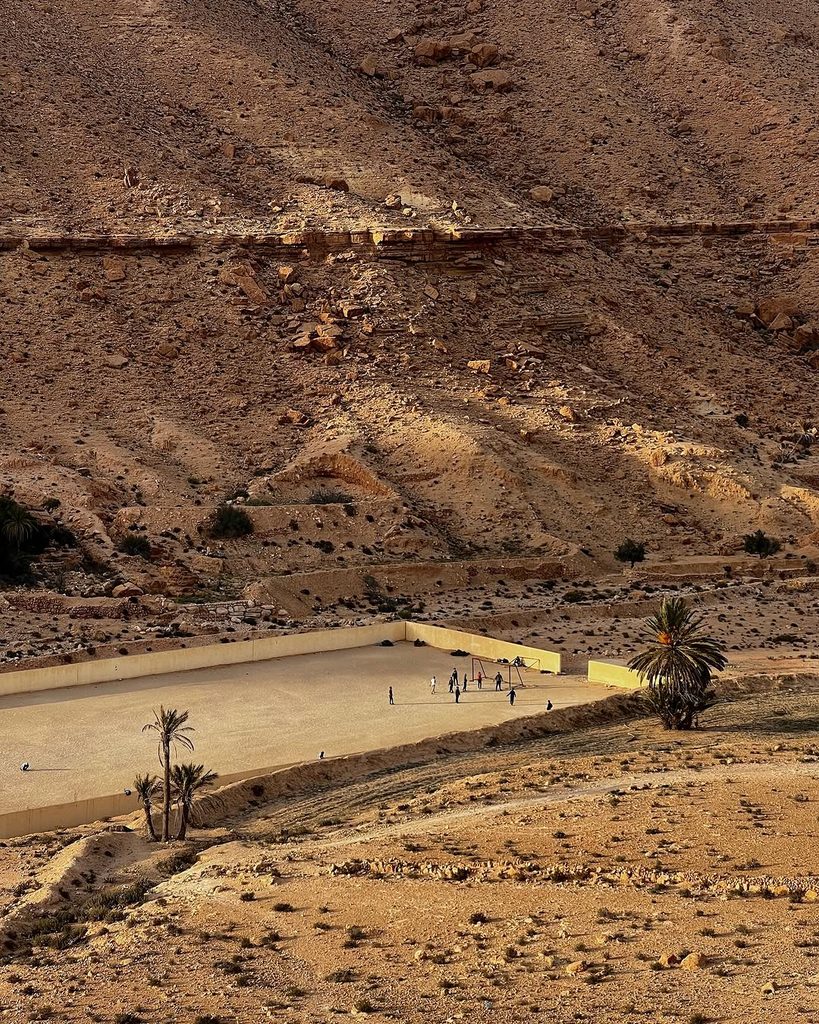
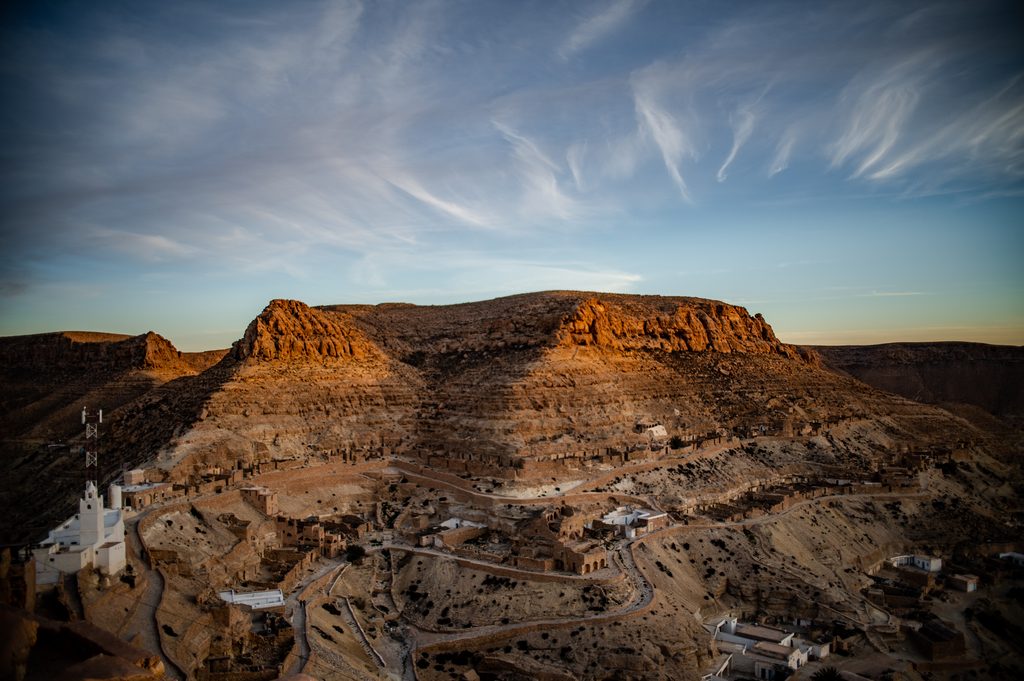
Located in Ghomrassen, in the Tataouine region, the site provides a historic backdrop for a programme focused on contemporary cultural expression. Rather than separating the festival from its surroundings, E-FEST CAMP places the location and its heritage at the heart of the experience.
According to the festival’s official guide, every ticket purchased contributes directly to the continuation of restoration work at Ksar El Ferch. Attending the event therefore connects cultural participation with support for the preservation of the site.
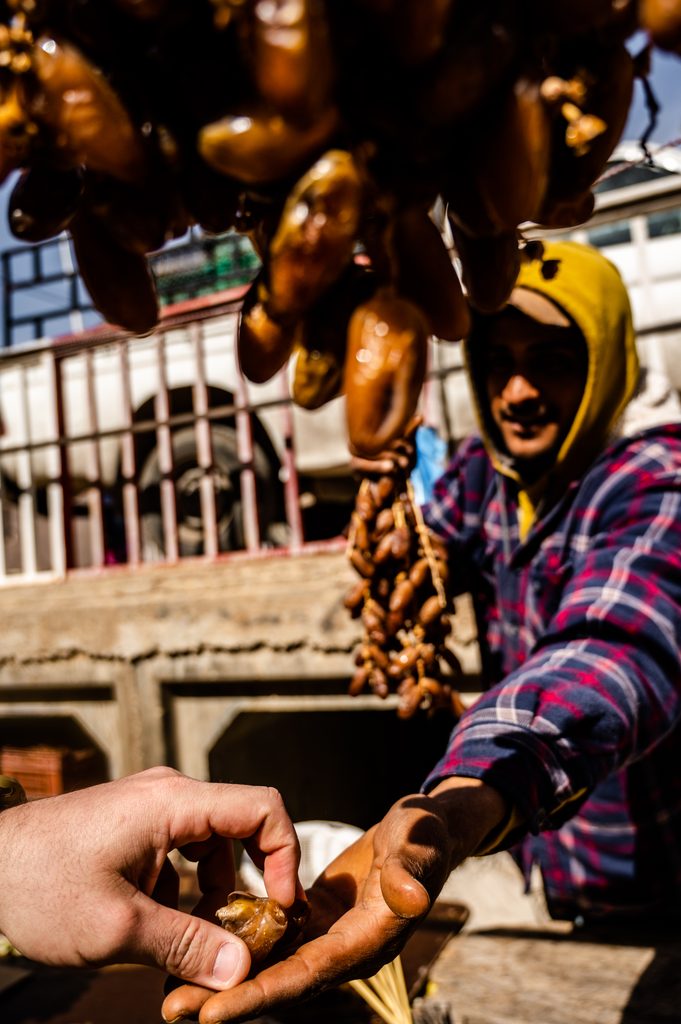
The festival also encourages visitors to discover the surrounding area through community activities and excursions highlighting the heritage of Ksar El Ferch and the wider Tataouine region.
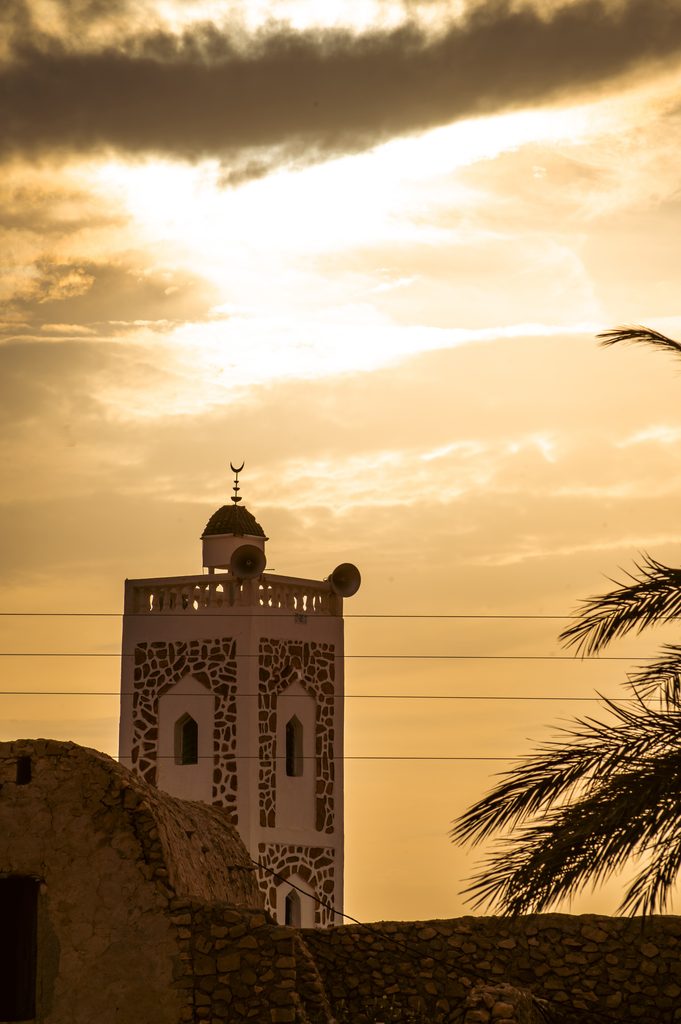
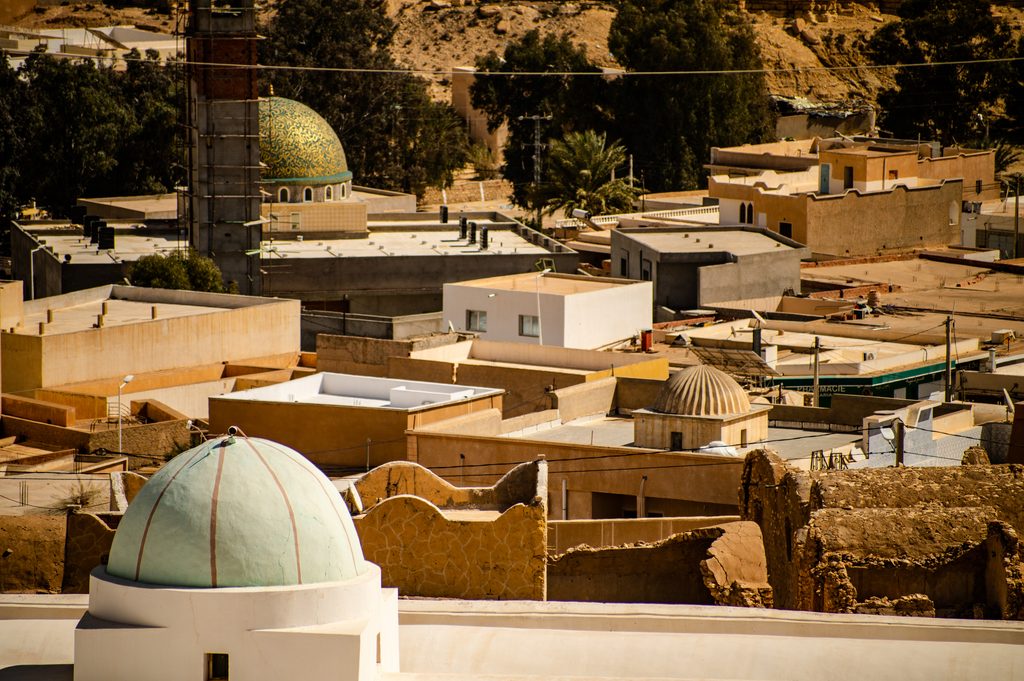
For visitors travelling from other parts of Tunisia, this creates an opportunity to combine the festival with a closer look at the landscapes, villages, and architectural heritage of the south.
Planning the trip to E-FEST CAMP
The festival has outlined several transport and accommodation options for visitors.
A dedicated return bus service is planned for festival-goers holding three-day passes, with departure points in Tunis, Hammamet, Sousse, Sfax, and Gabès. The guide lists the return journey from Tataouine for November 2 at 10 a.m., with a round-trip price of 120 Tunisian dinars. The stated booking deadline for this service is October 25, through Teskerti.tn.
Visitors can also travel by car, with parking available at the site. The festival’s community group, E-FEST Campers’ Corner, helps connect festival-goers interested in carpooling.
For accommodation, camping is available at Ksar El Ferch, with a stated capacity of 300 people, as well as at Hôtel Dakyanus, located nine kilometres from the festival site. Both options require reservations. Visitors can also explore hotels, guesthouses, and traditional accommodation in Tataouine and nearby villages.
As transport schedules and accommodation availability may change, visitors should consult the festival’s official website for the latest practical information.
A different way to experience Tunisia’s cultural scene
With its combination of live music, contemporary art, public discussions, and heritage-focused activities, E-FEST CAMP #2 offers a different approach to the festival experience in Tunisia.
Its significance lies not only in the artists performing across its stages, but also in the relationship it seeks to establish between cultural events and the places that host them. By bringing contemporary artistic practices to Ksar El Ferch and linking ticket sales to restoration work, the festival connects entertainment with a broader conversation about heritage preservation and local development.
From October 29 to November 1, Ghomrassen will become a meeting point for music lovers, artists, and visitors interested in discovering another side of Tunisia’s cultural landscape.
For those looking beyond the traditional festival circuit, E-FEST CAMP offers a reason to head south, experience new artistic encounters, and explore the heritage of the Tataouine region.
E-FEST CAMP #2 takes place at Ksar El Ferch, Ghomrassen, Tataouine, from October 29 to November 1, 2026.
For the full programme, tickets, transport, and accommodation information, visit the official festival website: efest.xyz.