Torkia Paris: Food, Memory, and the Reinvention of Identity
By Tunez Magazine ·
Torkia Paris is a remarkable example of cultural entrepreneurship, where food becomes a vehicle for identity, memory, and innovation. Founded by the Franco-Tunisian entrepreneur Torkia, the project brings traditional Tunisian fricassé to the French culinary scene. It creates a bridge between heritage and modernity. Through this initiative, a diasporic entrepreneur reinterprets her cultural roots in a cosmopolitan setting while promoting Tunisian street food in France.
The founder’s personal journey is closely linked to the evolution of the brand. Born in France and raised in Tunisia until the age of twelve, Torkia grew up between two cultural environments. Her early exposure to Tunisian home cooking and street food, followed by her return to France, shaped her professional vision. After more than a decade in retail, she decided to combine her experience with her passion for food, hospitality, and conviviality. The result is a concept that brings together culinary authenticity and contemporary expectations. Her journey also carries a deeper meaning. By reclaiming her first name, which she once struggled to accept, and making it the name of her business, she turned a personal challenge into an affirmation of cultural identity.
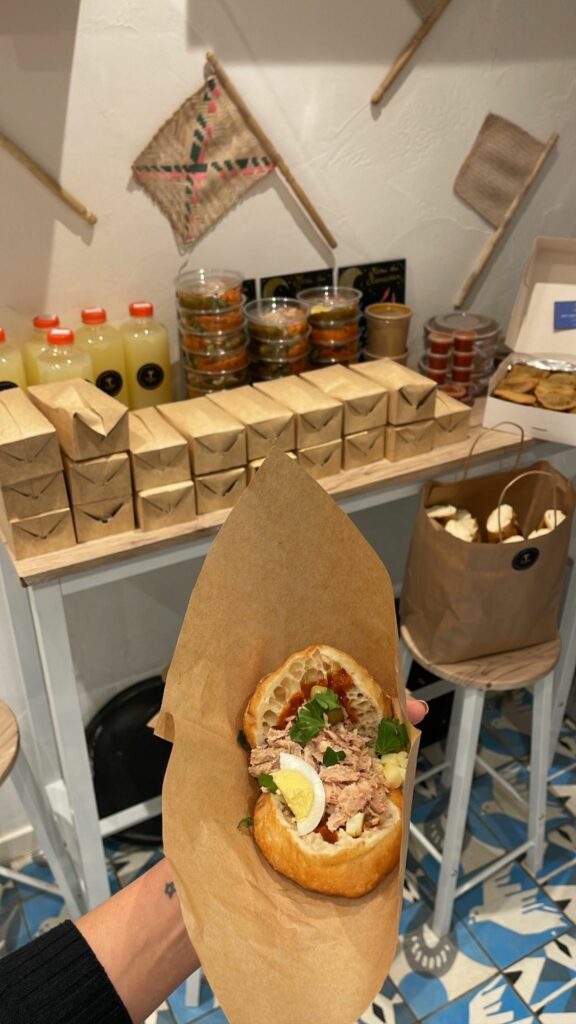
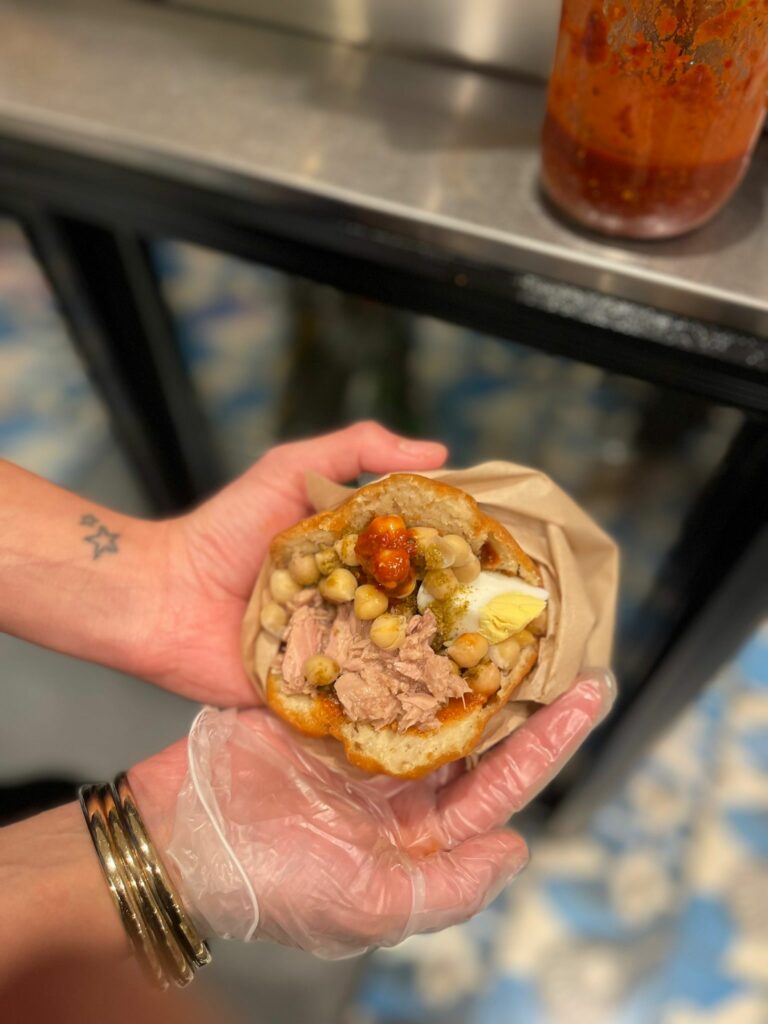
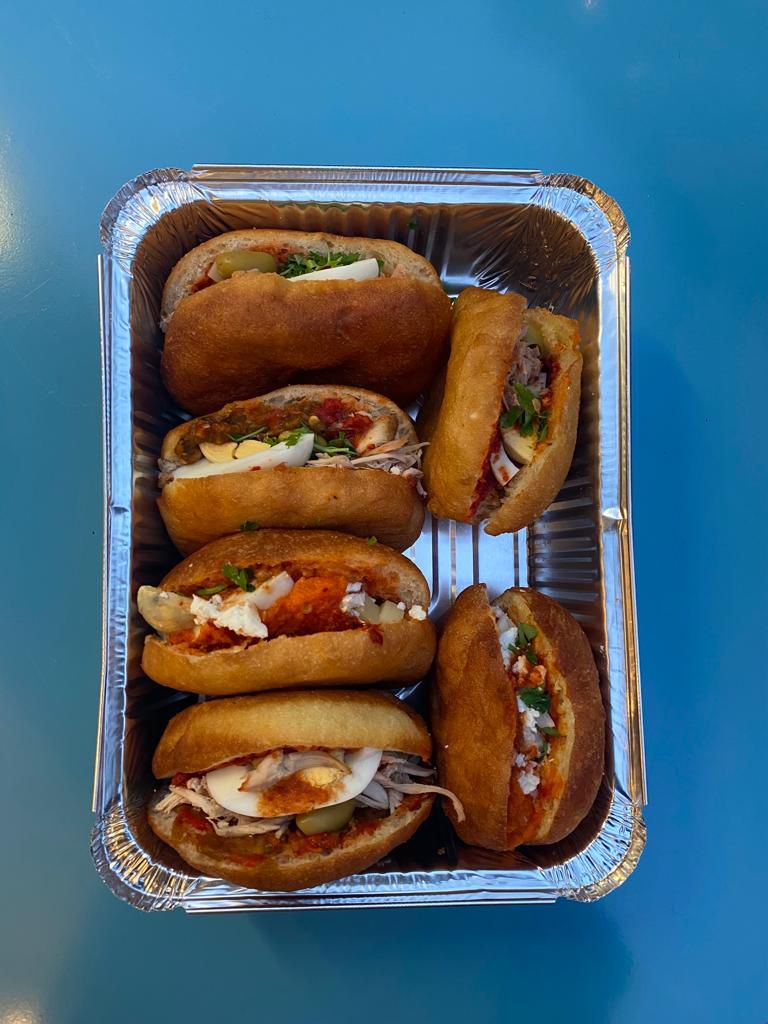
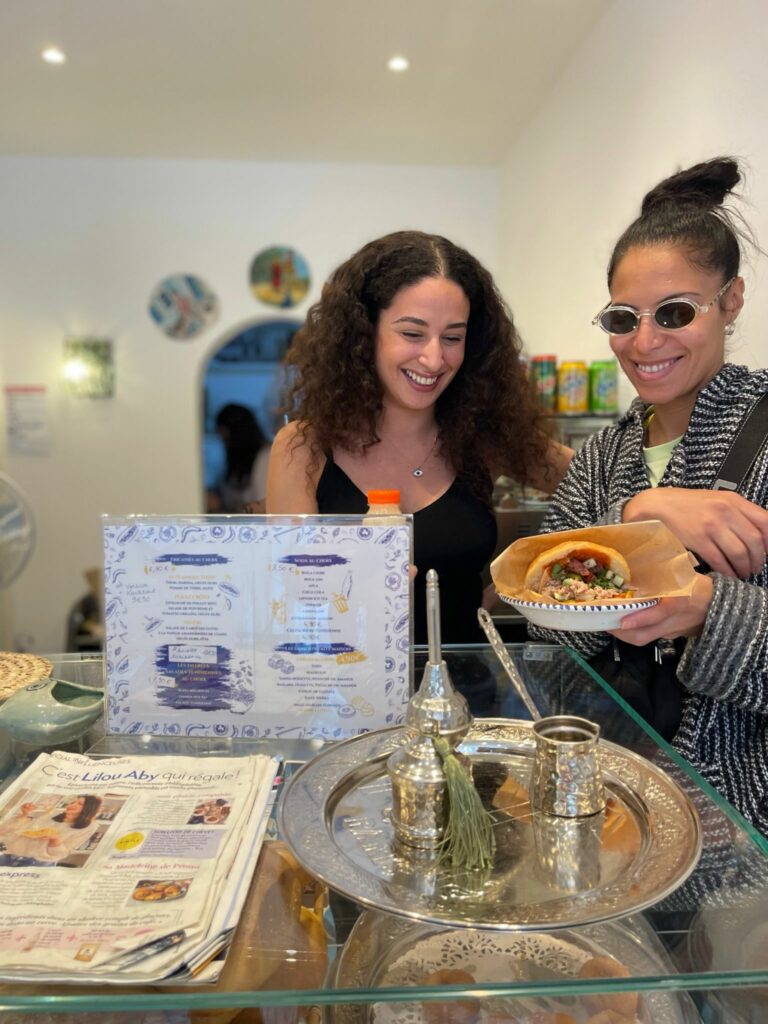
At the heart of Torkia Paris is a reinterpretation of the fricassé, a savoury Tunisian sandwich deeply rooted in the country’s street food culture. Rather than simply reproducing a traditional recipe, the brand offers a contemporary version inspired by Tunisia’s regional flavours. Each variation reflects a different aspect of the country’s culinary heritage. This approach introduces French consumers to a cuisine that remains underrepresented in many European food markets. By combining quality ingredients with an accessible format, Torkia Paris embraces the popularity of urban street food while staying connected to its origins.
The project began in a small Parisian studio, where Torkia shared her culinary experiments on social media, particularly Instagram. Her direct and authentic approach helped her build an online community. As interest grew, the initiative gradually expanded beyond its original scope. A turning point came when she secured a location facing the Moulin Rouge. This transformed a home-based project into a physical business in one of Paris’s most recognisable districts. The journey also involved difficult family conversations. Her father, a craftsman who had run a cobbler’s shop for thirty years, was initially hesitant about her plans. His reservations eventually gave way to pride as the business developed. In this sense, entrepreneurship became a space for personal growth and intergenerational understanding.
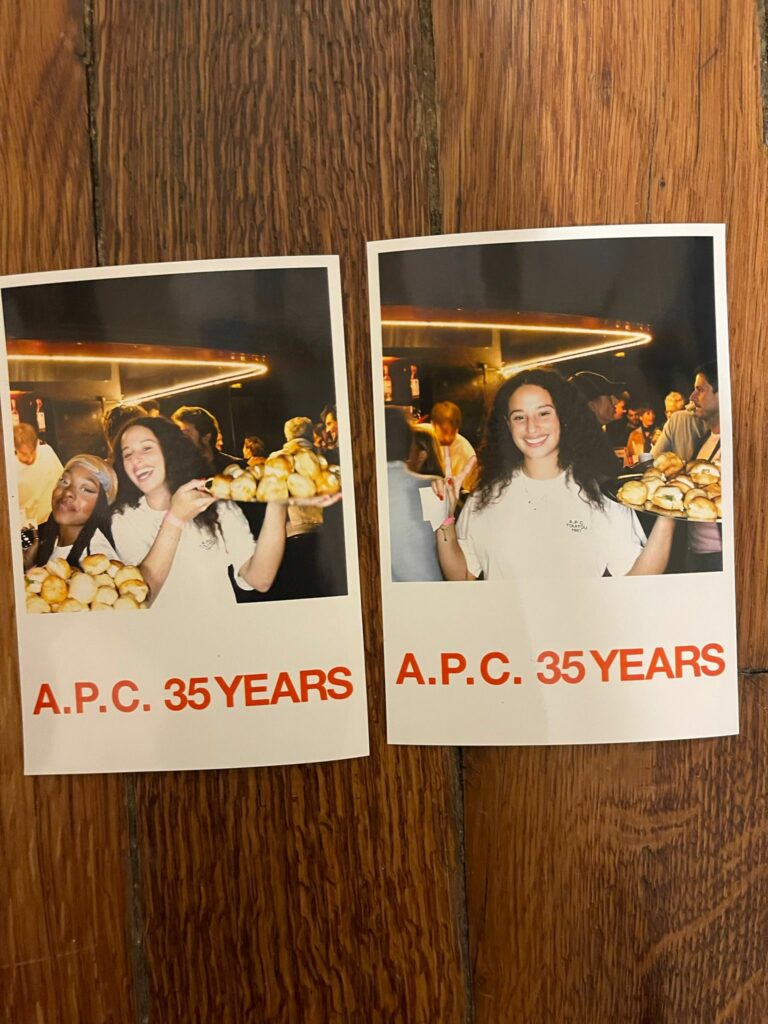
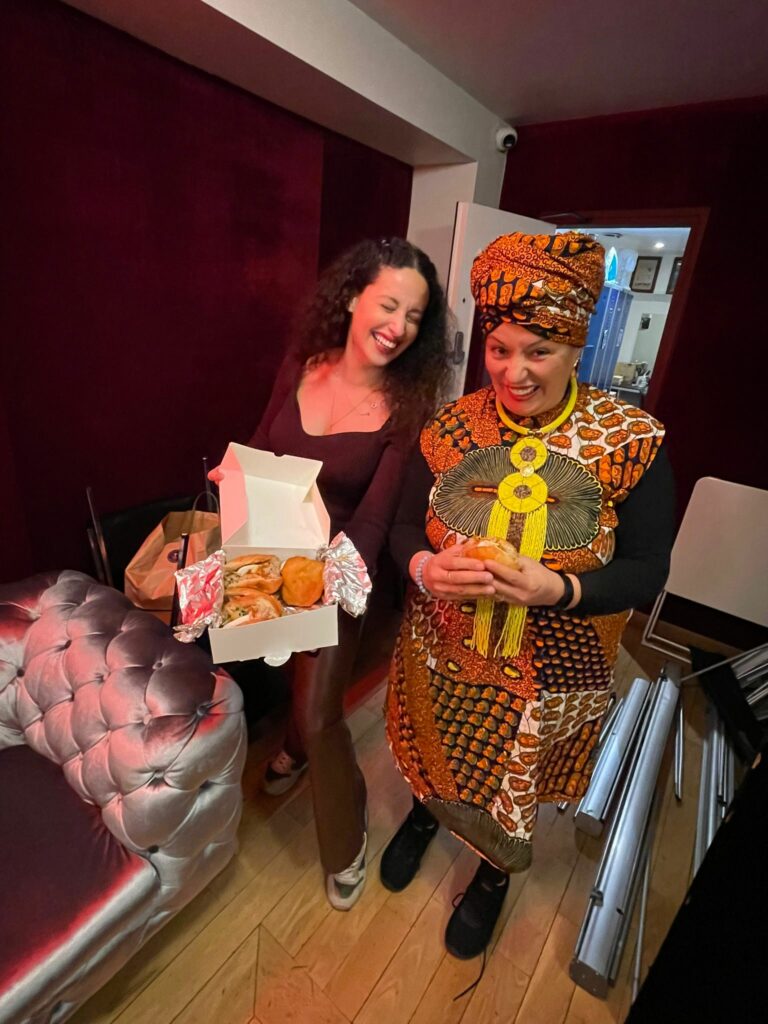
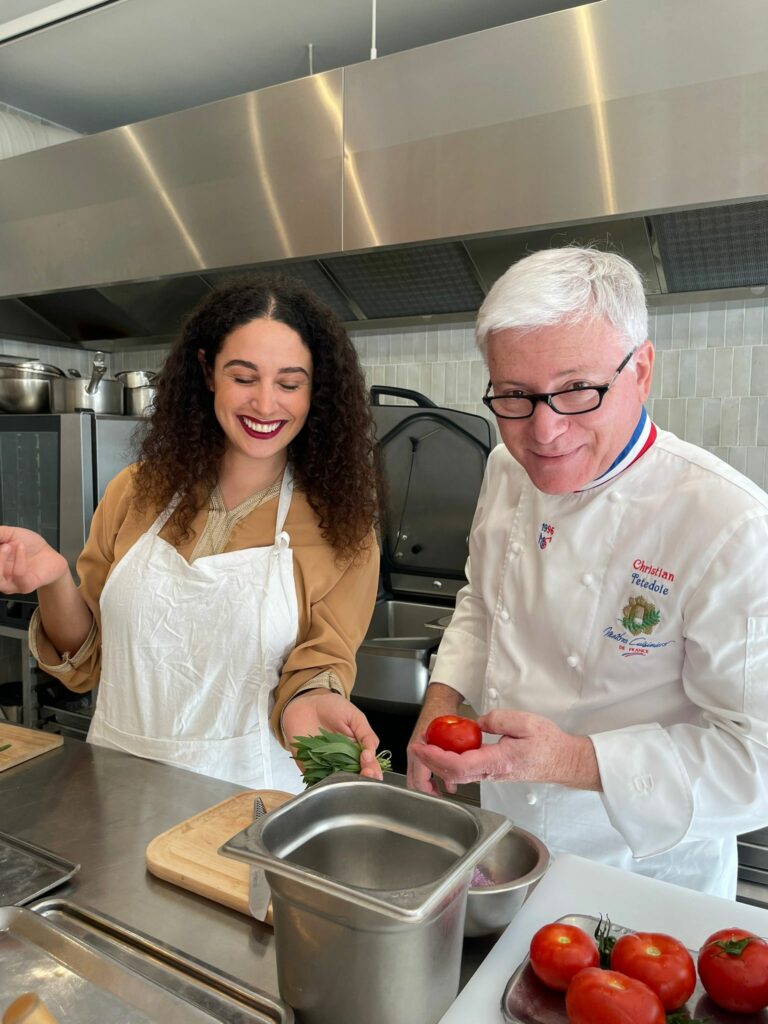
Torkia Paris has since grown beyond its original culinary concept to become a social phenomenon. The brand has built a loyal community known as the Traki. For its members, supporting the business means more than buying food. It also offers a sense of belonging and a connection to Tunisian culture. Since its official launch in 2021, the community has expanded through events such as the Torkia Party. These gatherings bring together hundreds of people to celebrate Tunisian food, music, and culture. Collaborations with cultural institutions, including the Institut du Monde Arabe and the Maison de la Tunisie, have further strengthened the brand’s presence in Paris. They also contribute to the visibility of North African culture in the city’s public life.

From Street Food to the Cultural Scene
Torkia Paris has also taken part in major artistic and cultural events, including Rock en Seine, the Fête de la Musique, and Tunis sur Seine. These appearances show how food can connect with music, art, and other creative industries. By placing Tunisian gastronomy within these wider cultural settings, the brand contributes to contemporary cultural life. It also increases the visibility of women entrepreneurs of North African descent in France. In doing so, Torkia challenges established representations and creates new opportunities for recognition.
When Entrepreneurship Becomes Cultural Mediation
The story of Torkia Paris shows how entrepreneurship can extend beyond economic success. It can also become a form of cultural mediation. By reinterpreting a traditional recipe for a contemporary audience, Torkia has transformed a personal memory into a shared expression of identity. Her approach brings heritage and innovation into dialogue. It also demonstrates that authenticity does not have to remain fixed in the past. Instead, it can inspire creativity, encourage social connection, and evolve with each new generation.
Food as a Language of Belonging
Ultimately, Torkia Paris represents both a business venture and a story of belonging. It brings together cultural pride and contemporary entrepreneurial ambition. More than a source of nourishment, food becomes a language through which people express memory, identity, and connection. Through her work, Torkia has turned a familiar Tunisian dish into a story of resilience, cultural transmission, and reinvention. Her project demonstrates how cuisine can connect different histories, places, and generations.
A Gathering Place for the Tunisian Diaspora
Beyond her entrepreneurial vision, Torkia has become a connector between the Tunisian community and the wider North African diaspora in Paris. Her fricassé bar is more than a place to eat. It has become a social space where shared heritage finds new forms of expression.
Here, language, memory, and taste come together. For Tunisians living abroad, the experience can offer a renewed sense of belonging. For others, it provides an opportunity to discover Tunisian culinary traditions.
Over time, the establishment has also welcomed well-known artists and public figures. Their visits have helped draw attention to what might be described as the spirit of the Tunisian table. Beyond the food itself, these encounters reflect the cultural significance of a project rooted in everyday traditions.
Through this daily practice of hospitality, Torkia creates opportunities for dialogue between generations, communities, and cultures. Her work reaffirms the ability of food to bring people together while keeping cultural memory alive in new surroundings.ing the power of cuisine to connect worlds that history and geography have once separated.