



Inside Gabès Cinéma Fen 2026
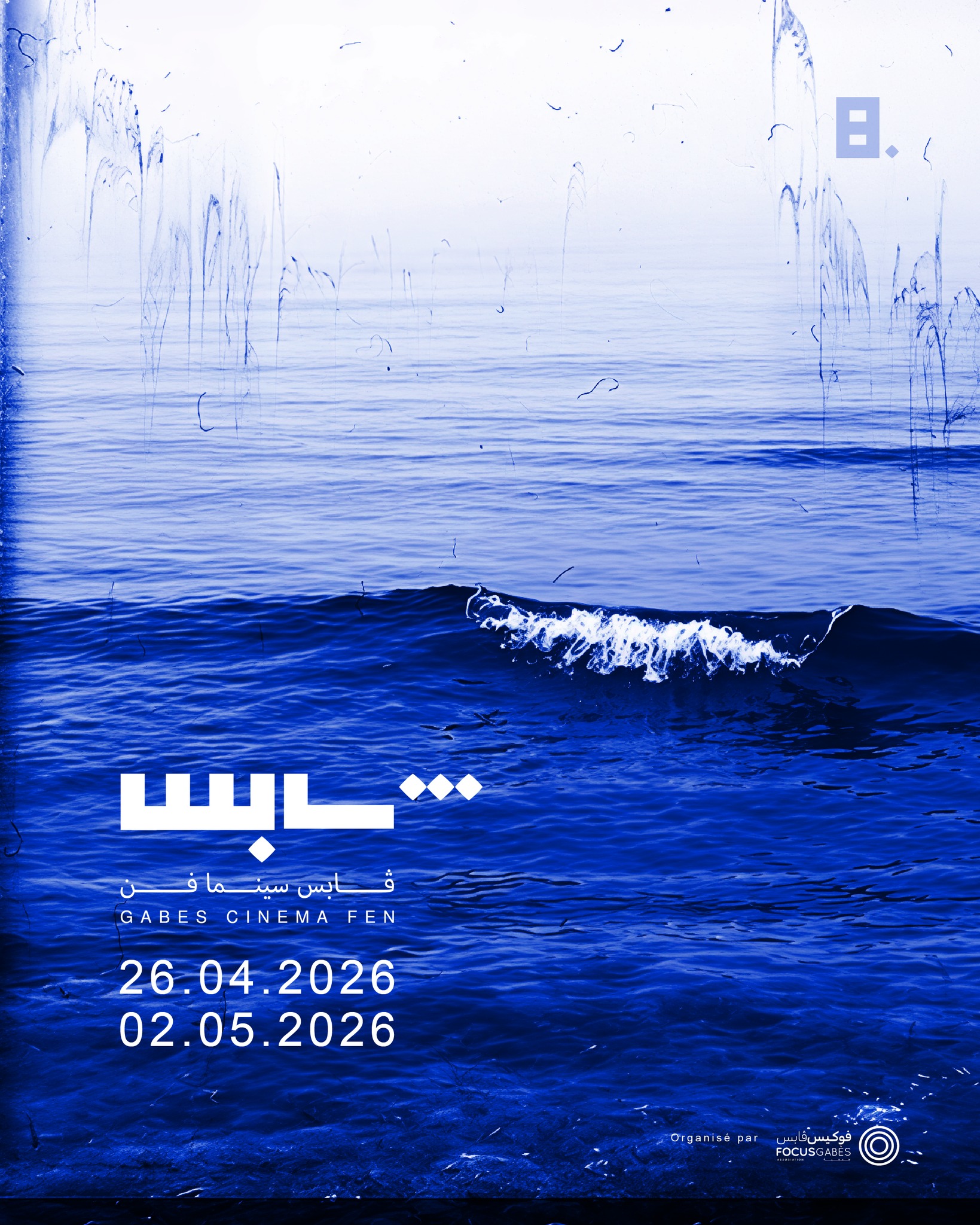
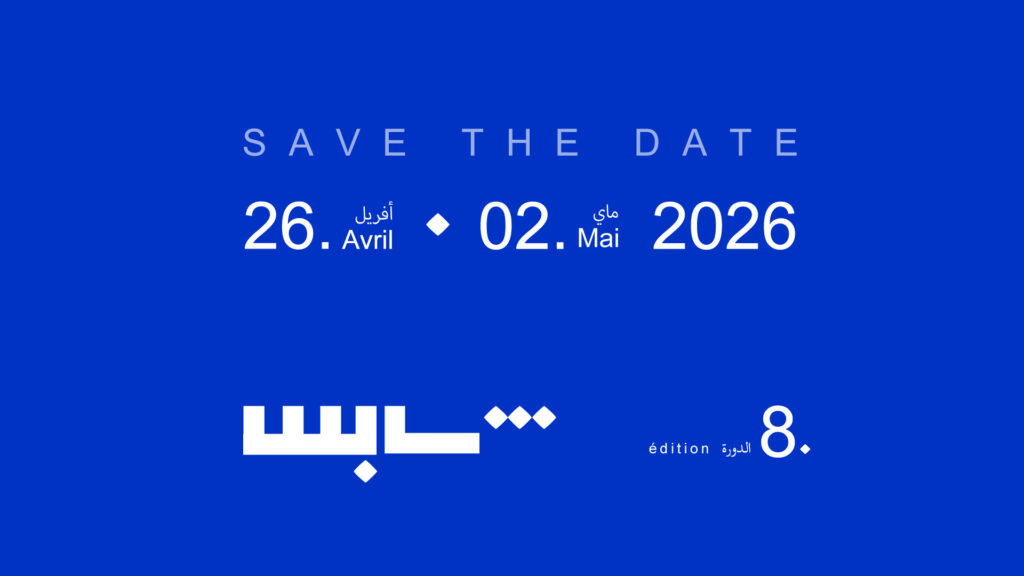
Gabès Cinéma Fen 2026 takes place from 26 April to 2 May in Gabès. From the start, the festival treats cinema as a space for thought. It also connects film, video art, and installation. Moreover, it refuses to separate these forms. Instead, it lets them interact.
Since 2019, the festival has built a clear identity. On one hand, it focuses on movement between media. On the other hand, it avoids fixed categories. As a result, the structure stays open.
Artistic director Afef Ben Mahmoud shapes the 2026 edition. In particular, she focuses on memory and representation. She also focuses on visual language. However, the program avoids fixed themes. Therefore, each work defines its own position.
The opening takes place at the Mohamed Bardi Cultural Complex. In this context, the ceremony avoids spectacle. Instead, it focuses on the relation between image and sound.
A cine concert opens the festival. Specifically, it uses archival footage from the early twentieth century. Then, it adds a live soundtrack. As a result, the meaning of the images shifts. At the same time, it brings them into the present.
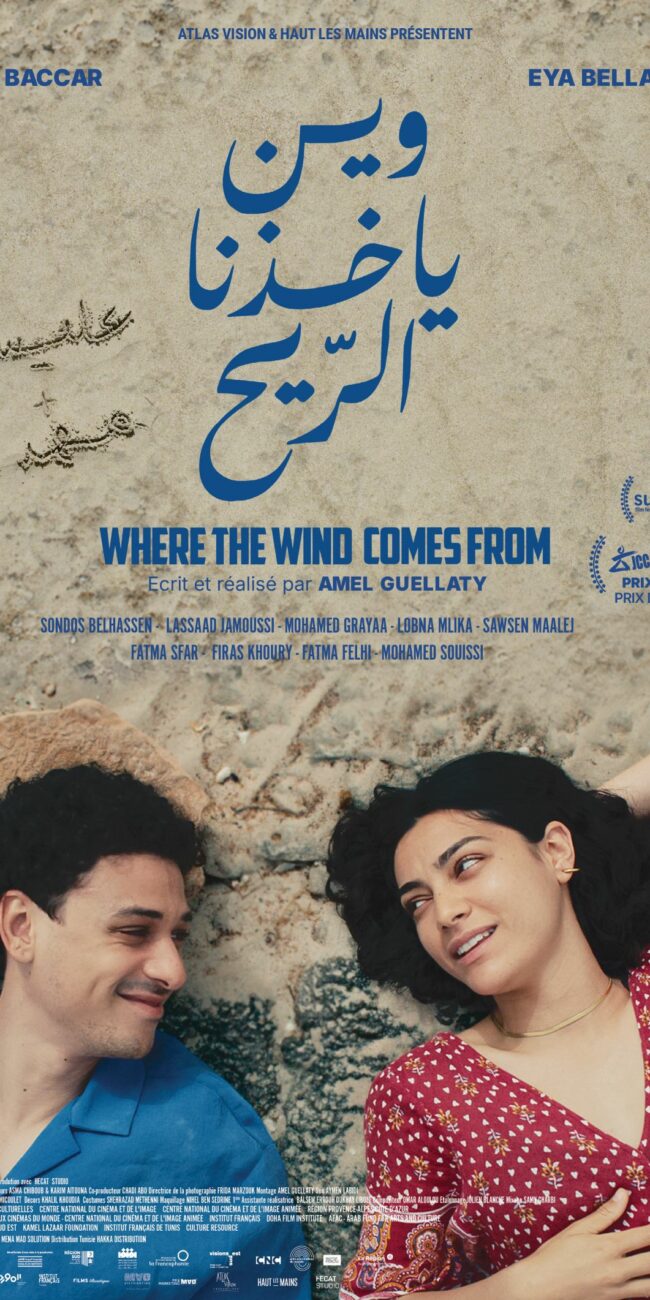
Guests include Hend Sabry and Dhafer L’Abidine. In addition, Oliver Laxe participates in the program. Their presence connects different film contexts. However, the focus remains on the works.
Meanwhile, the festival expands cinema beyond the screen. It includes installation and video art. It also includes immersive works. Consequently, these formats share the same space as film.
Workshops and masterclasses run throughout the festival. In these sessions, artists share their methods. Likewise, participants engage directly. Therefore, the process stays practical and open.
The festival spreads across Gabès. For this reason, it uses multiple spaces. Screenings and exhibitions move through the city. As a result, the audience follows this movement.
The program includes fiction, documentary, and hybrid films. In many cases, works avoid linear storytelling. Instead, they use fragmented structures. Additionally, some adopt essay forms.
The documentary section questions representation. Specifically, it shows how framing shapes meaning. Thus, it does not treat documentary as pure record.
Similarly, the K OFF section highlights emerging Tunisian artists. It focuses on video and performance. It also includes installation work. In many cases, pieces mix different media.
Throughout the festival, conversations continue outside the official program. For example, people meet in public spaces. They discuss films and ideas. Consequently, these exchanges extend the festival.
Finally, Gabès Cinéma Fen 2026 builds a space for inquiry. It does not close meaning. Instead, it keeps images open. Ultimately, it treats cinema as process rather than product.
Post a Comment