


Torkia Paris: Food, Memory, and the Reinvention of Identity
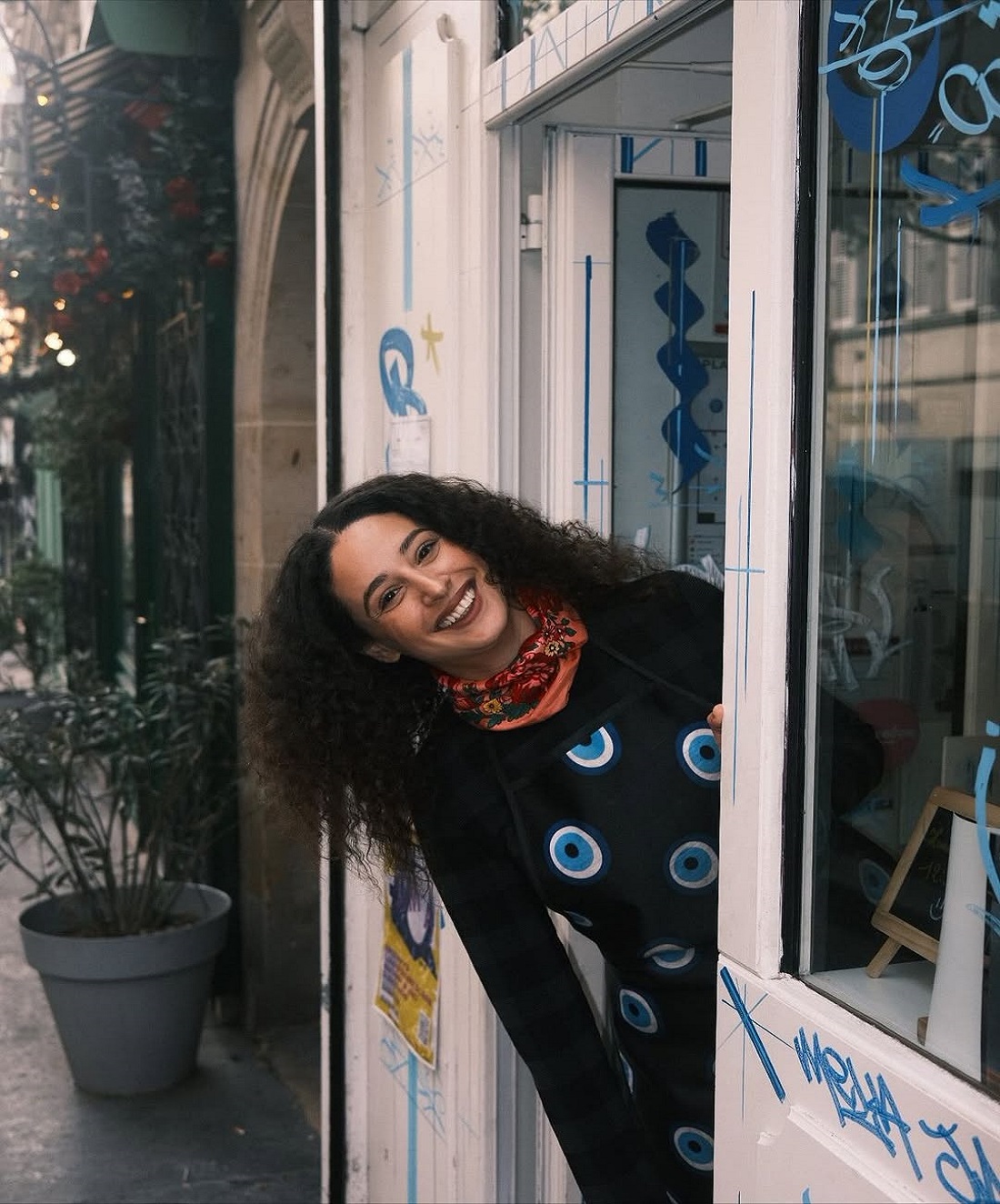
© Image by Badis Friaa
Torkia Paris represents a remarkable instance of cultural entrepreneurship where gastronomy becomes a conduit for identity, memory, and innovation. Founded by the Franco Tunisian entrepreneur Sarah,, the project introduces the traditional Tunisian fricassé to the French culinary scene, positioning it as a bridge between heritage and modernity. The initiative demonstrates how a diasporic entrepreneur can reinterpret cultural roots within a cosmopolitan context while fostering community and visibility for Tunisian street food traditions in France.
The founder’s trajectory is deeply intertwined with the evolution of the brand. Born in France and raised in Tunisia until the age of twelve, Torkia embodies a hybrid cultural identity that informs her professional vision. Her early exposure to Tunisian domestic and street food culture, followed by her return to France, provided the foundation for a dual sensibility that is both local and global. After more than a decade of experience in the retail sector, she sought to merge her professional knowledge with her passion for conviviality and service, giving rise to a concept that harmonizes authenticity with contemporary consumer expectations. Her personal journey also carries a symbolic dimension. Reclaiming her first name, which she once found difficult to bear, and transforming it into the emblem of her enterprise reflects a broader act of cultural self affirmation.
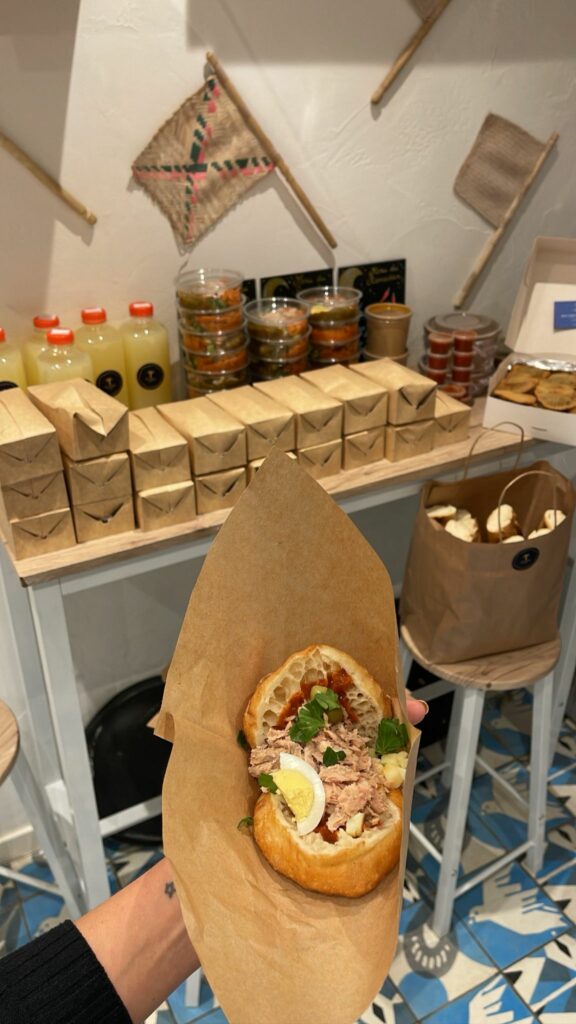
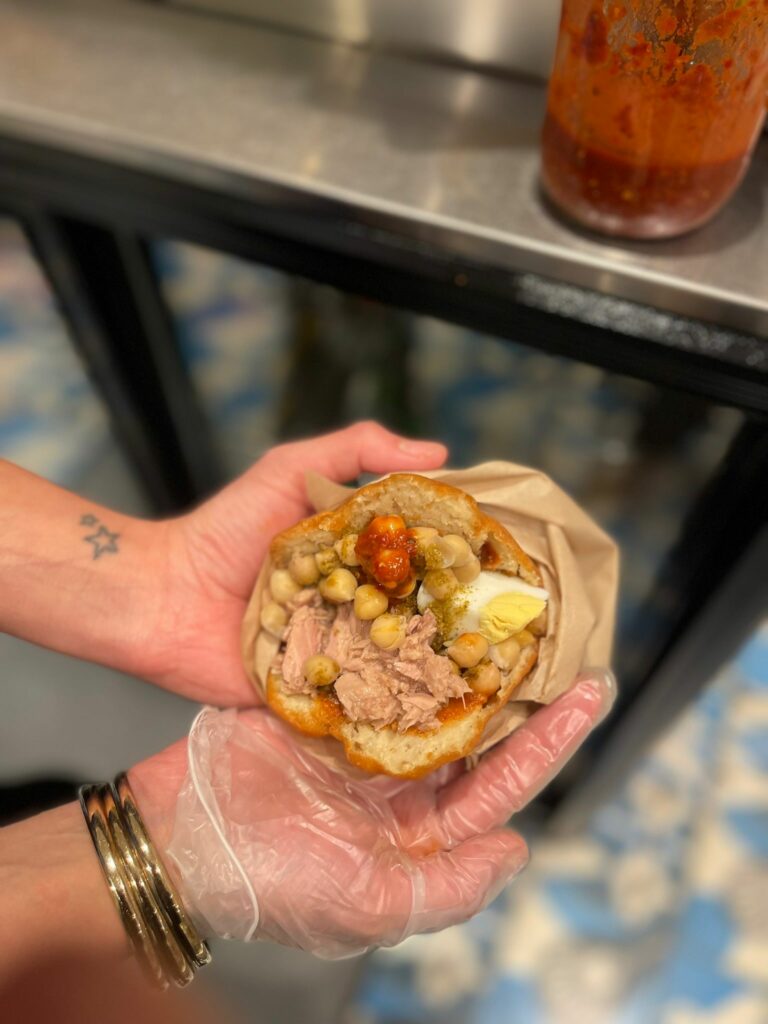
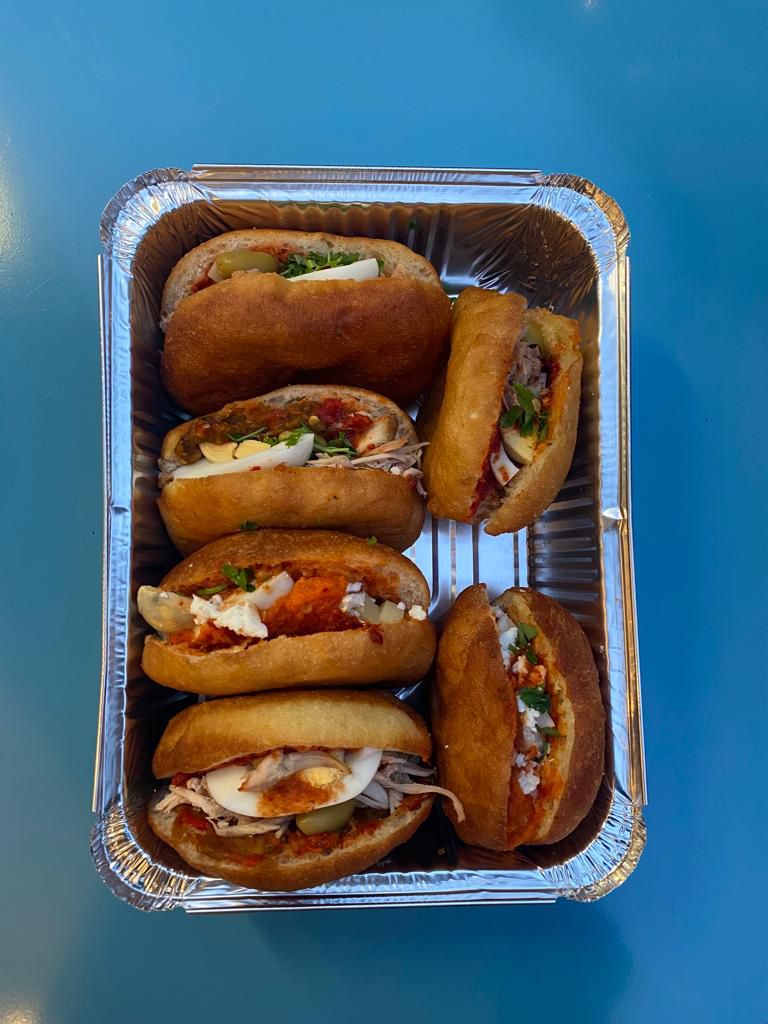
The gastronomic idea at the heart of Torkia Paris centers on the reinterpretation of the fricassé, a savory doughnut that occupies a central role in Tunisian street food culture. Rather than replicating a traditional recipe, the brand proposes a modern and refined version that highlights the diversity of Tunisian regional flavors. Each variation evokes a particular culinary landscape, inviting French consumers to discover the richness of a cuisine often underrepresented in European markets. By combining premium ingredients with a simple and accessible format, the concept aligns with the rise of urban street food culture while maintaining a strong connection to its cultural origins.
The enterprise began modestly in a small studio in Paris, where the founder used social media platforms, particularly Instagram, to share her culinary experiments and engage directly with her audience. Through a strategy based on authenticity and transparency, she rapidly built an online community whose enthusiasm propelled the project beyond its initial scope. The decisive moment came when she secured a strategic location facing the Moulin Rouge, transforming what started as a home based initiative into a tangible business within one of Paris’s most symbolic districts. The process was also marked by familial dialogue, particularly with her father, a craftsman who had owned a cobbler shop for thirty years. His initial hesitation gave way to pride once the project’s success became evident, illustrating how entrepreneurship can act as both personal and intergenerational reconciliation.
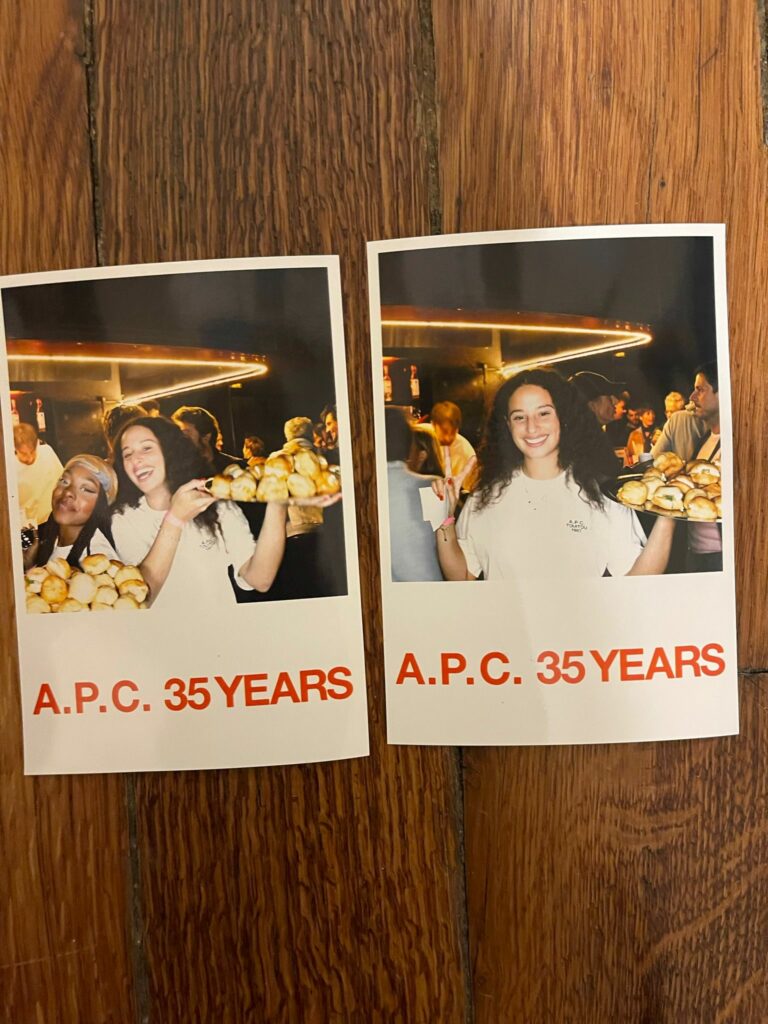
Over time, the success of Torkia Paris extended beyond the realm of gastronomy to become a social phenomenon. The brand cultivated a loyal community affectionately referred to as the Traki, who view their participation not merely as consumption but as belonging to a collective identity. Since its official launch in the year two thousand twenty one, this community has evolved through events such as the Torkia Party, gatherings that bring together hundreds of participants in a celebration of Tunisian culture, music, and cuisine. These events, often organized in collaboration with cultural institutions such as the Institut du Monde Arabe and the Maison de la Tunisie, have contributed to the growing recognition of North African culture in Parisian public life.
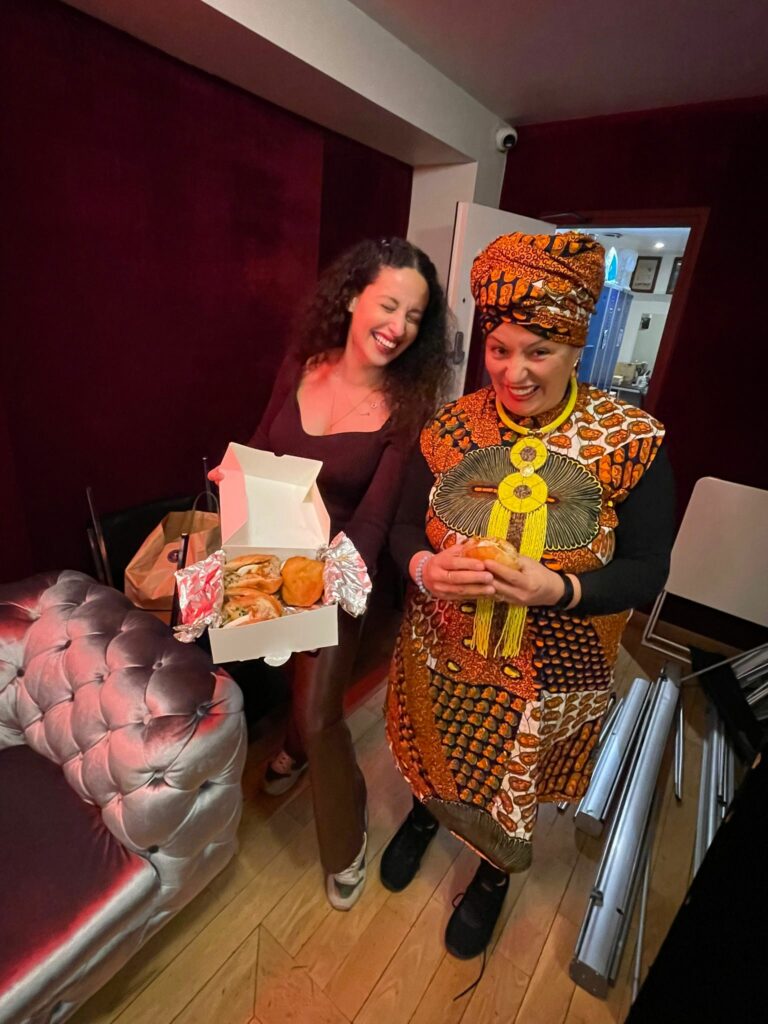
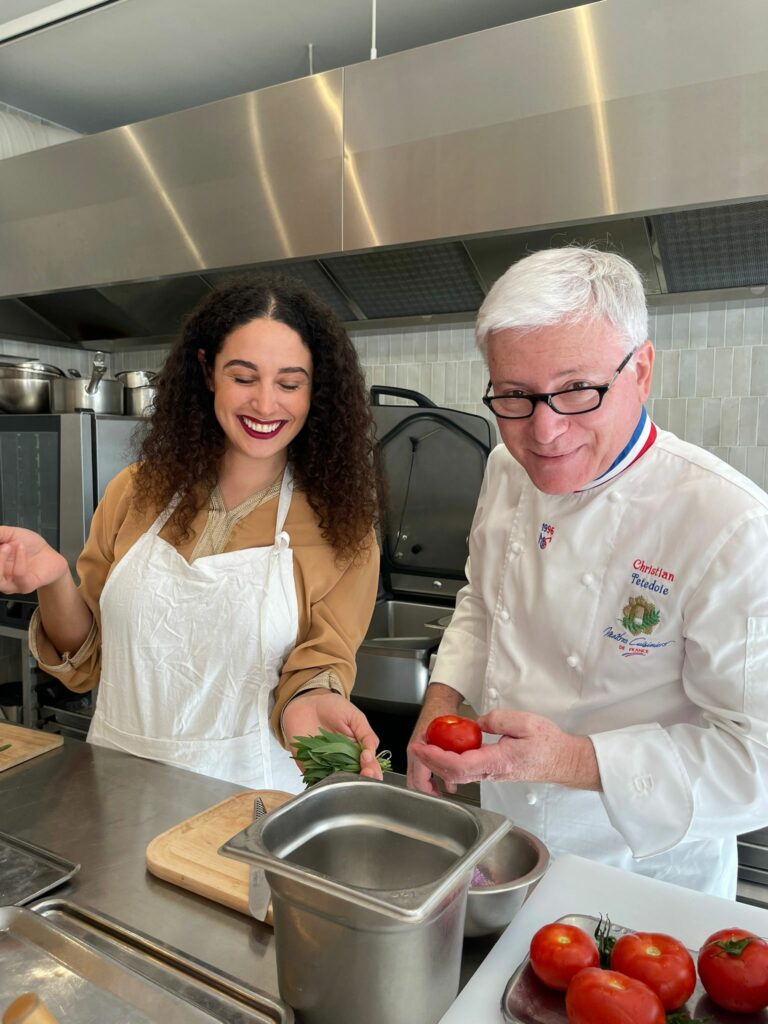
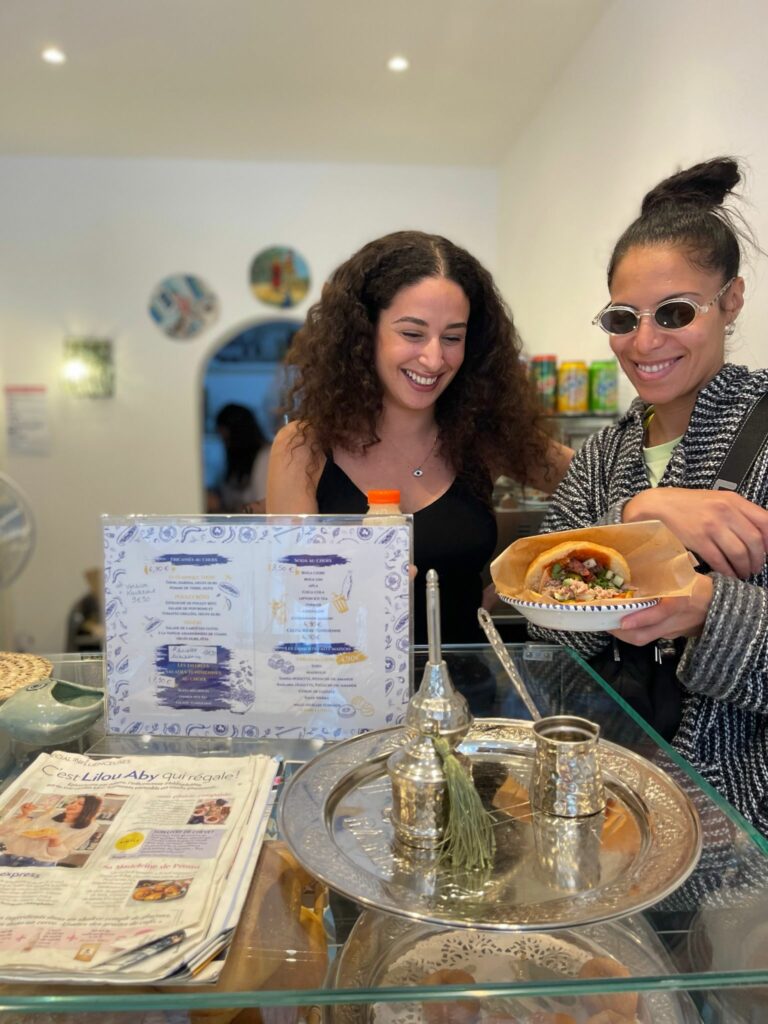

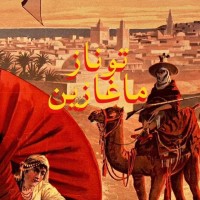
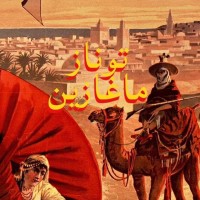
Torkia Paris has also been featured in major artistic and cultural events, including Rock en Seine, the Fête de la Musique, and Tunis sur Seine. Its presence in such contexts underscores the permeability between culinary expression and the creative industries. By situating food within broader cultural and aesthetic frameworks, the brand highlights how gastronomy can participate in shaping contemporary cultural discourse. It also reinforces the visibility of women entrepreneurs of North African descent within the French entrepreneurial landscape, challenging traditional representations and creating new spaces for recognition.
The experience of Torkia Paris illustrates how entrepreneurship can transcend economic objectives to become an act of cultural mediation. By translating a traditional recipe into a modern gastronomic experience, Torkia has succeeded in transforming a personal memory into a collective symbol of identity. Her project redefines the relationship between heritage and innovation, suggesting that authenticity need not be static but can instead serve as a dynamic resource for creativity and social connection.
Ultimately, Torkia Paris stands as both a business venture and a narrative of belonging. It embodies the possibility of reconciling cultural pride with contemporary entrepreneurial ambition, demonstrating that food can serve not only as nourishment but also as language, memory, and dialogue. Through her work, Torkia has turned a simple Tunisian dish into a story of resilience, transmission, and reinvention, reaffirming the power of cuisine to unite histories, geographies, and generations.
Beyond her entrepreneurial vision, Torkia has assumed a vital cultural role as a connector between the Tunisian community and the wider North African diaspora in Paris. Her fricassé bar has become more than a place to eat; it serves as a social and symbolic space where shared heritage finds new forms of expression. Within its modest setting, language, memory, and taste converge, giving Tunisians abroad a sense of belonging while inviting others to discover the richness of their culinary world. Over time, this space has attracted numerous well known artists and public figures who have come to experience what is often referred to as the spirit of the Tunisian table. Their visits not only celebrate the quality of the food but also acknowledge the cultural significance of Torkia’s work in representing an entire tradition with authenticity and pride. Through this daily act of hospitality, she extends an invitation to dialogue between generations, communities, and cultures, reaffirming the power of cuisine to connect worlds that history and geography have once separated.
Post a Comment
