




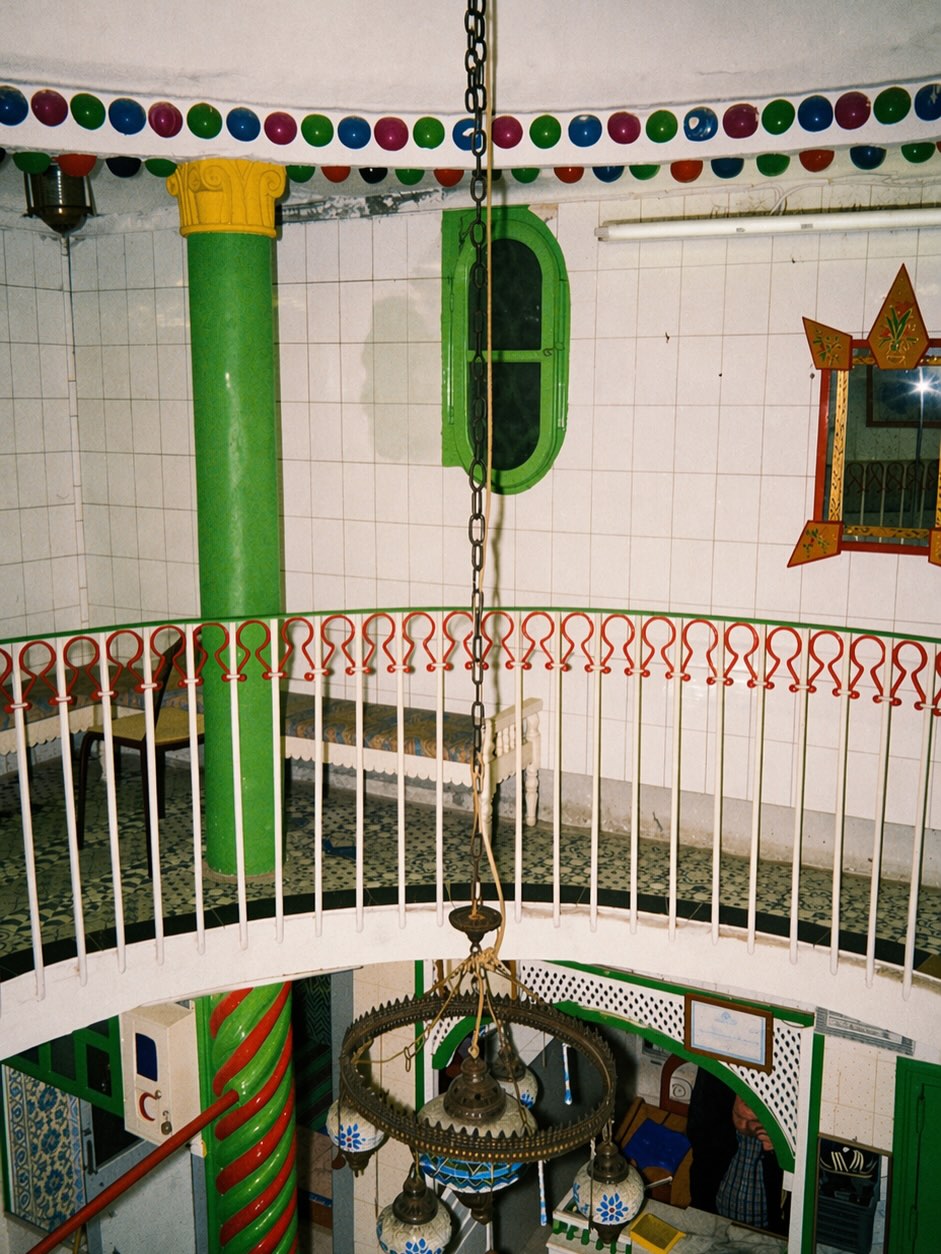
Hammam Fatouma: The Return of a Landmark
A few months ago, a project began around Hammam Fatouma, not as a simple act of documentation, but as an attempt to reconnect with a space where history still breathes through matter, ritual, and memory.
At the origin of this work is Taher Zgolli, an artistic director from Radès, driven by a desire to reframe his hometown through a more artistic lens. For him, Radès is not peripheral, it is a territory rich with cultural potential, often overlooked, yet deeply fertile.
The project quickly took on a personal dimension. The hammam is located in the neighborhood where he grew up, and more intimately, the very place where his mother was married. Returning to Hammam Fatouma became a way of navigating between personal memory and collective heritage.
With the support of Slim, the current owner, access was granted to the space and its stories. However, reconstructing its history was far from straightforward. The hammam itself held little in terms of formal archives. Instead, the memory of the place had to be pieced together through the neighborhood. Taher Zgolli gathered photographs and fragments of history directly from local residents, relying on personal collections and shared memories to rebuild the visual and historical narrative of this 110 year old institution.
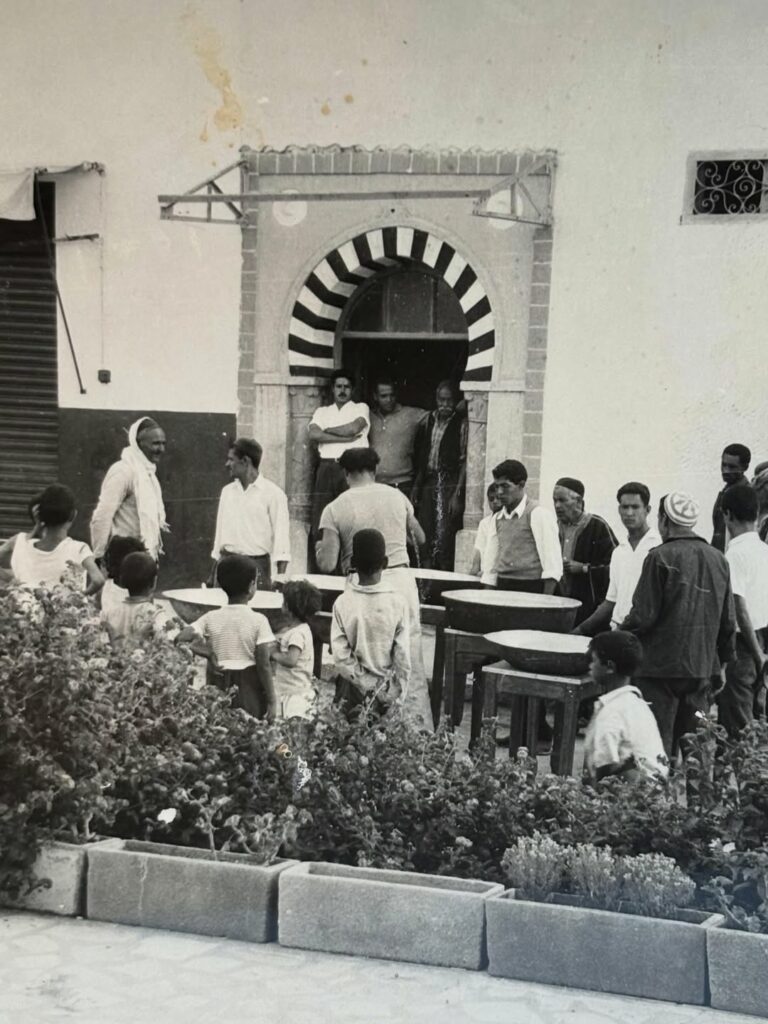
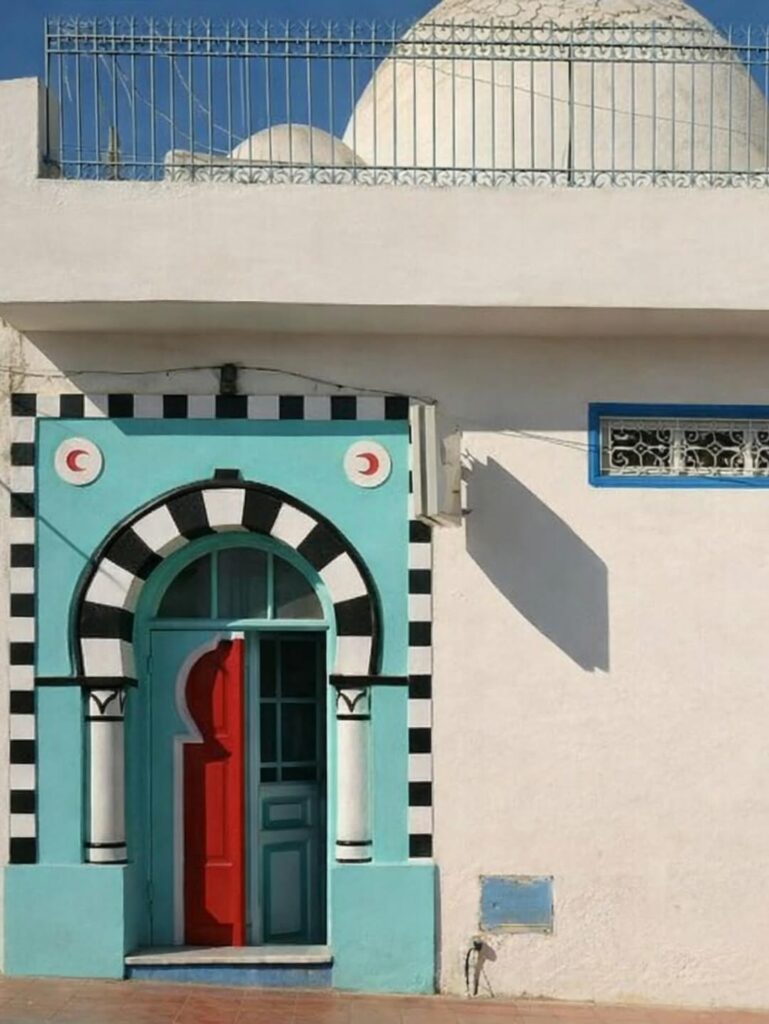
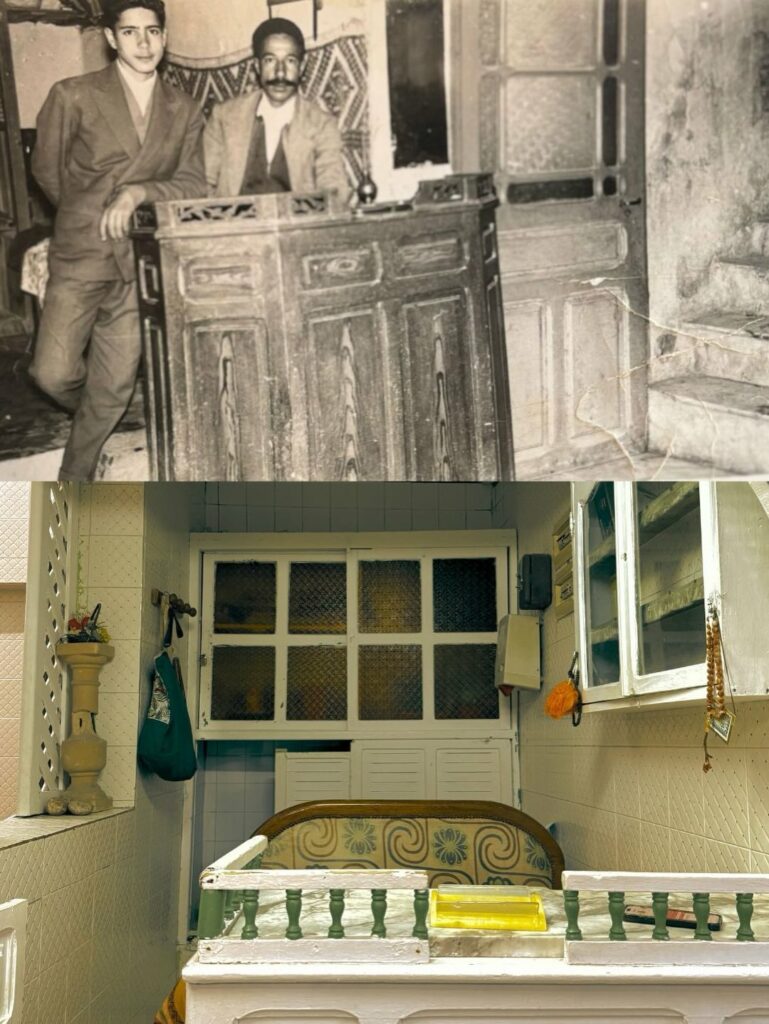
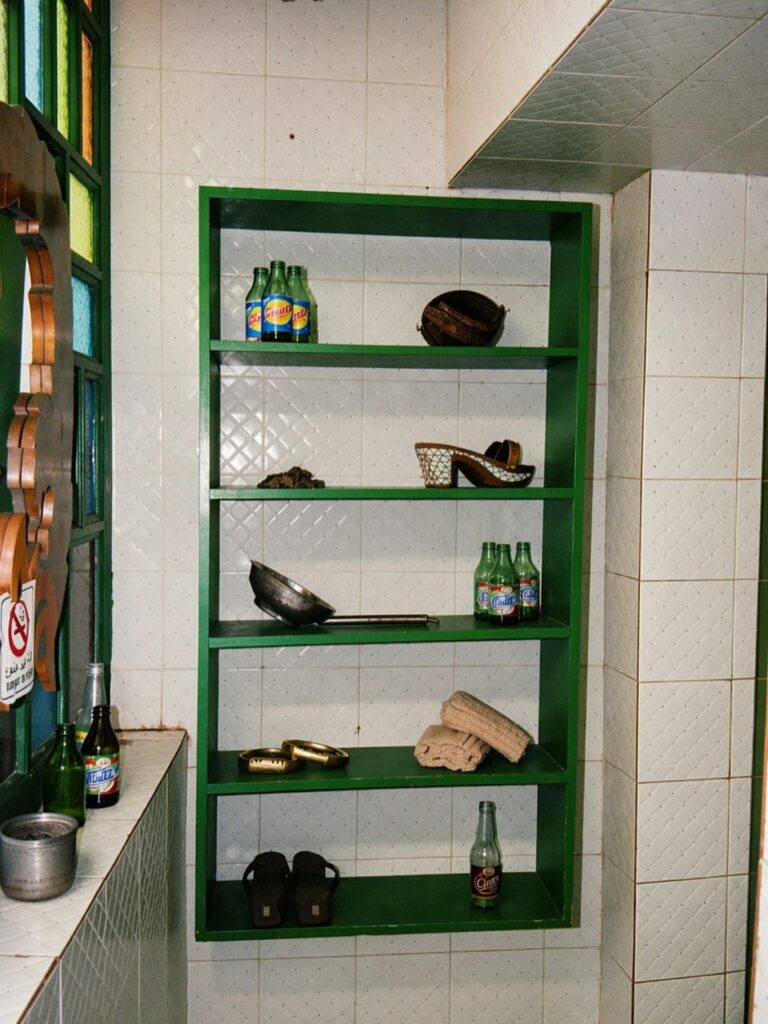
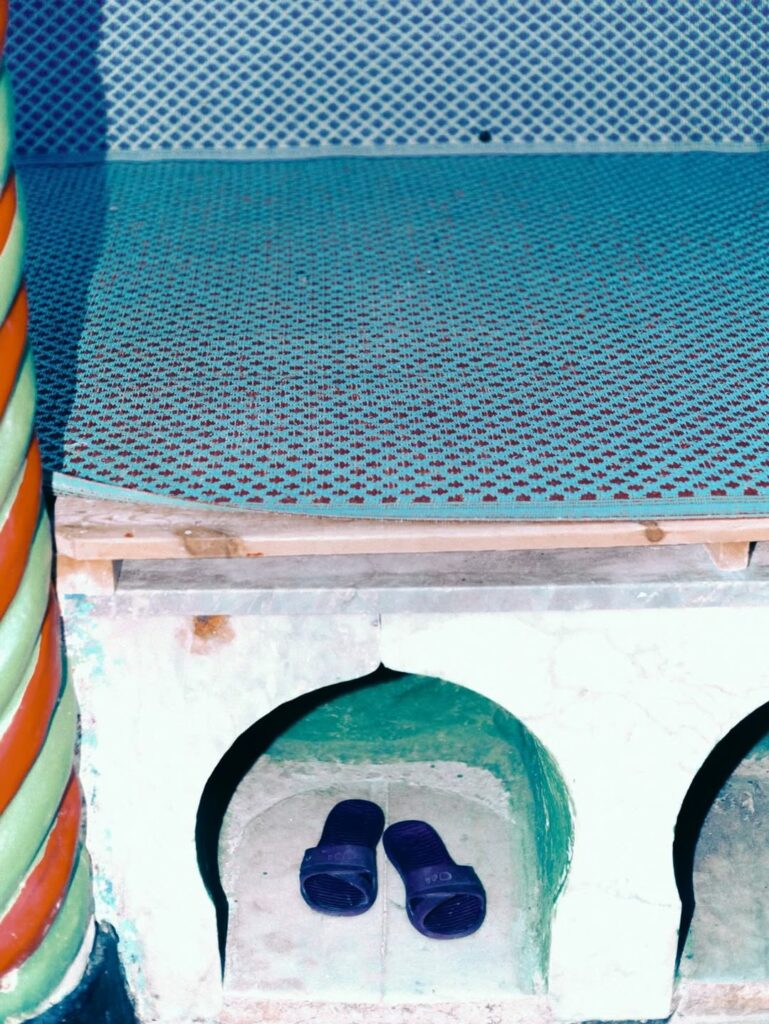
Originally owned by Hanouna, the hammam was later passed to his son Mahmoud, who named it after his wife Fatouma, Slim’s grandmother. A respected and beloved figure, she lived to be 100 years old, leaving behind more than a name: a presence that still resonates within the walls. Today, her grandson continues to run the hammam, maintaining both its function and its lineage.
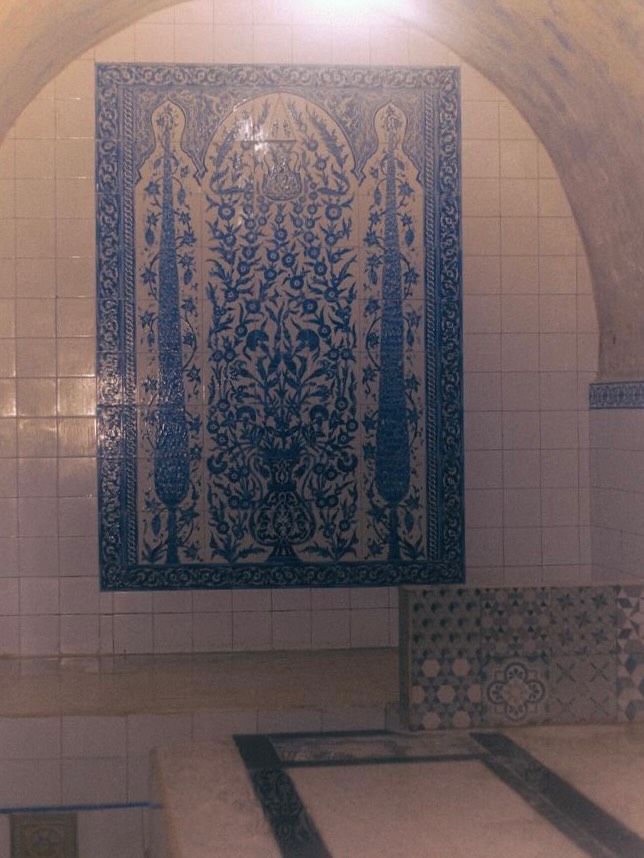
Architecturally, the space remains almost untouched. Its structure resists the logic of modernization, preserving original materials and construction techniques. Inside, metal elements are still assembled using traditional hooks and wedges rather than welding, a detail that speaks to a different relationship with craft.
Located in the Ben Arous region, Hammam Fatouma once attracted visitors from across nearby towns such as Hammam Lif, Ezzahra, and Fouchana, at a time when such establishments were rare. It was also among the first to introduce two separate entrances, one for women and one for men, redefining privacy within a shared social space.
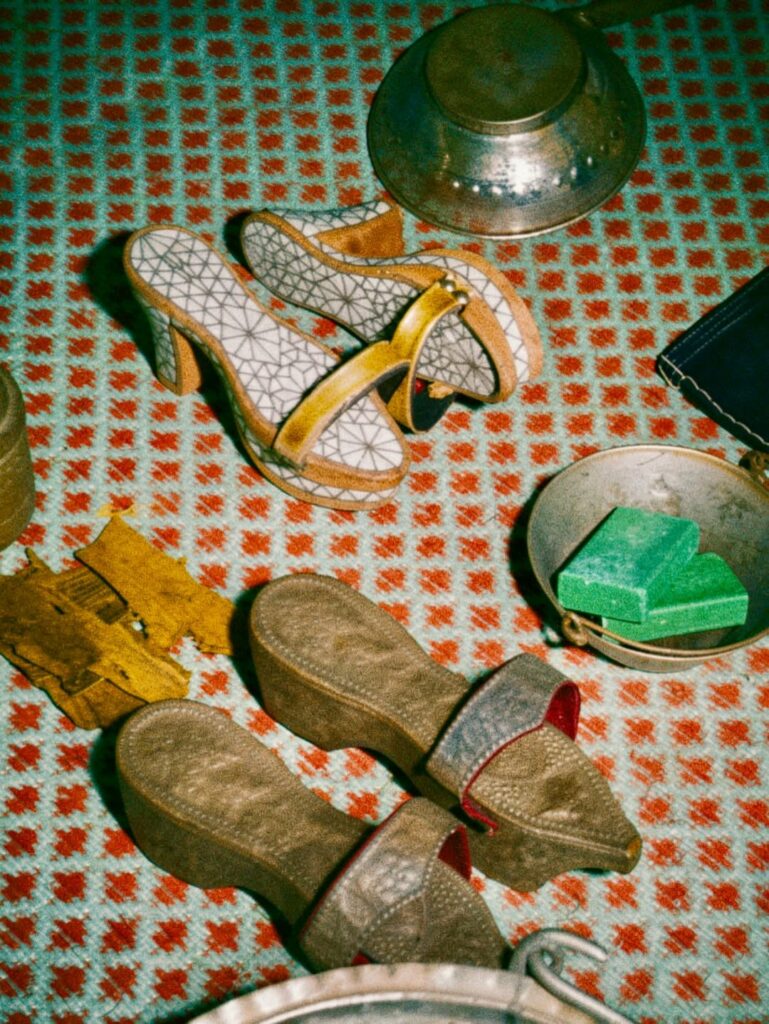
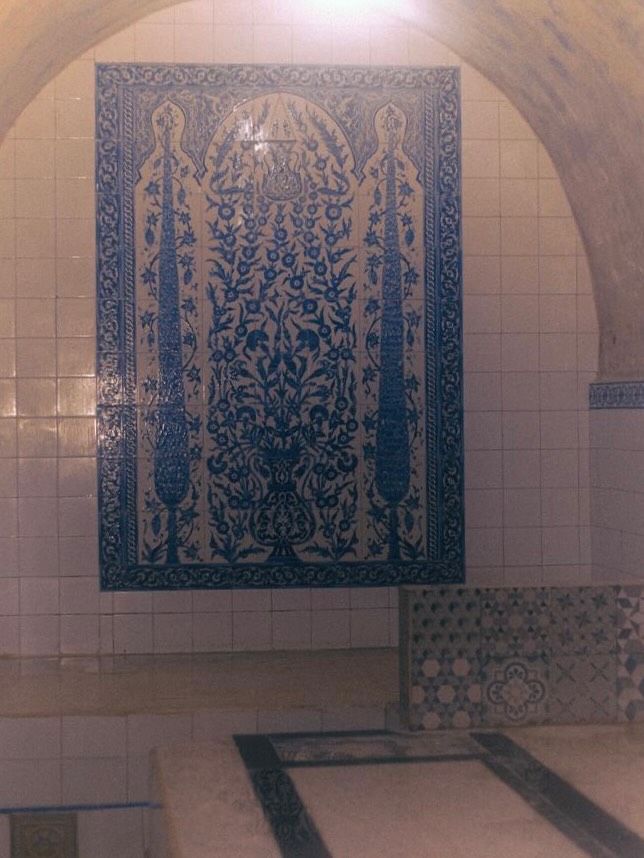
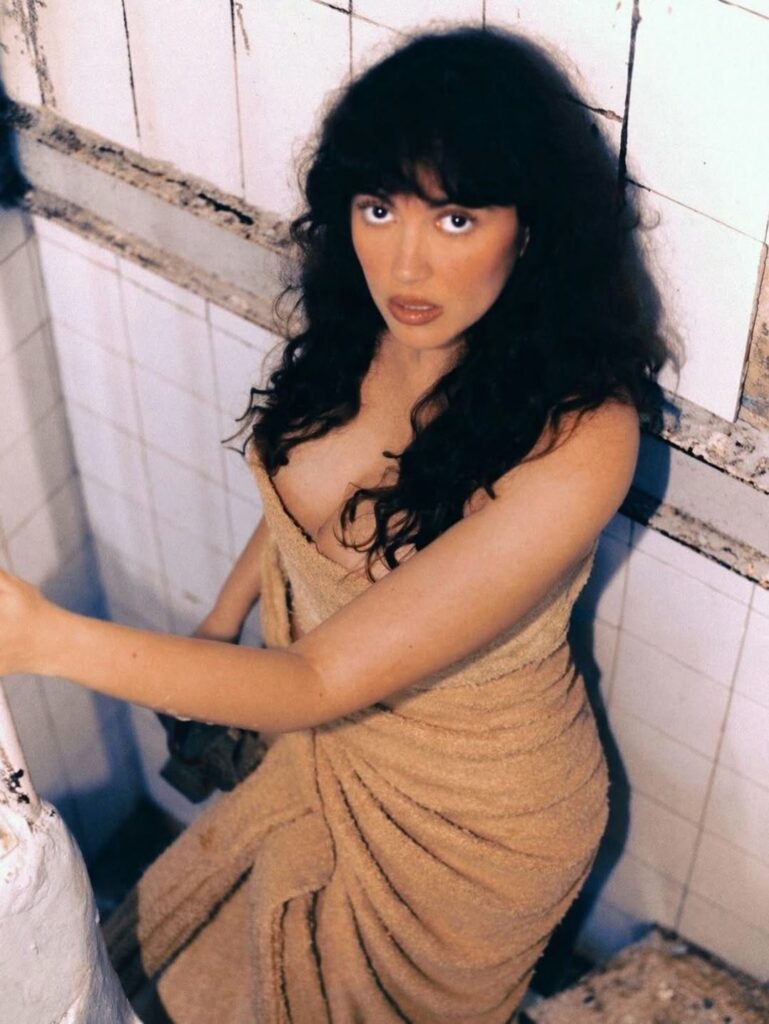
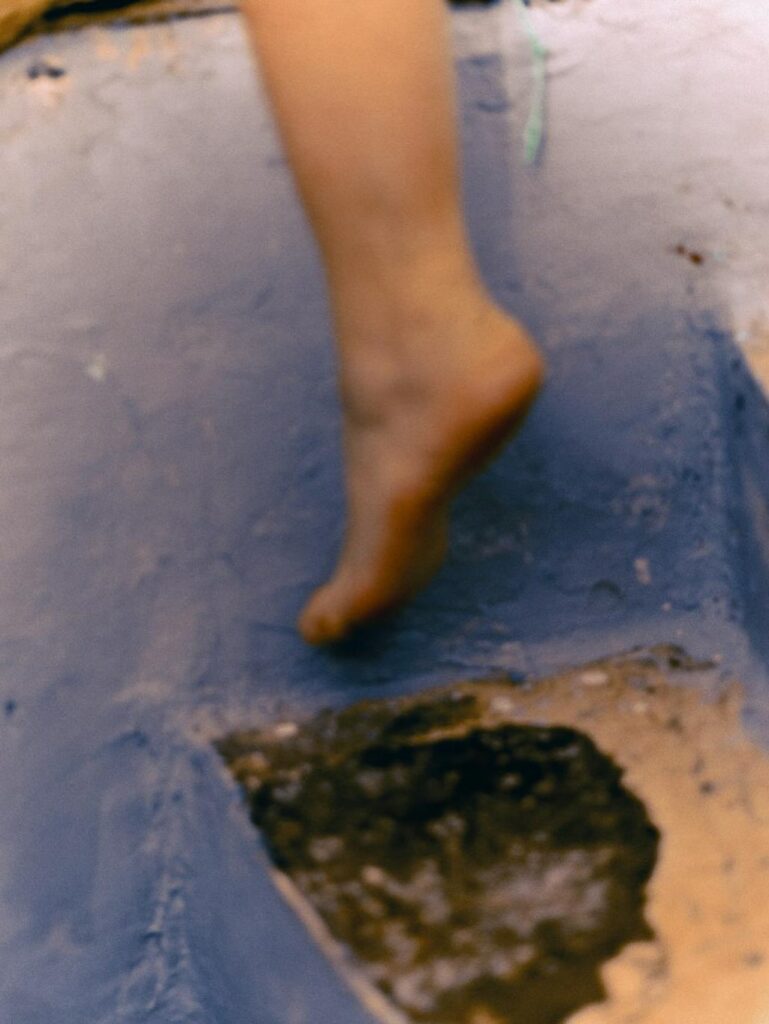
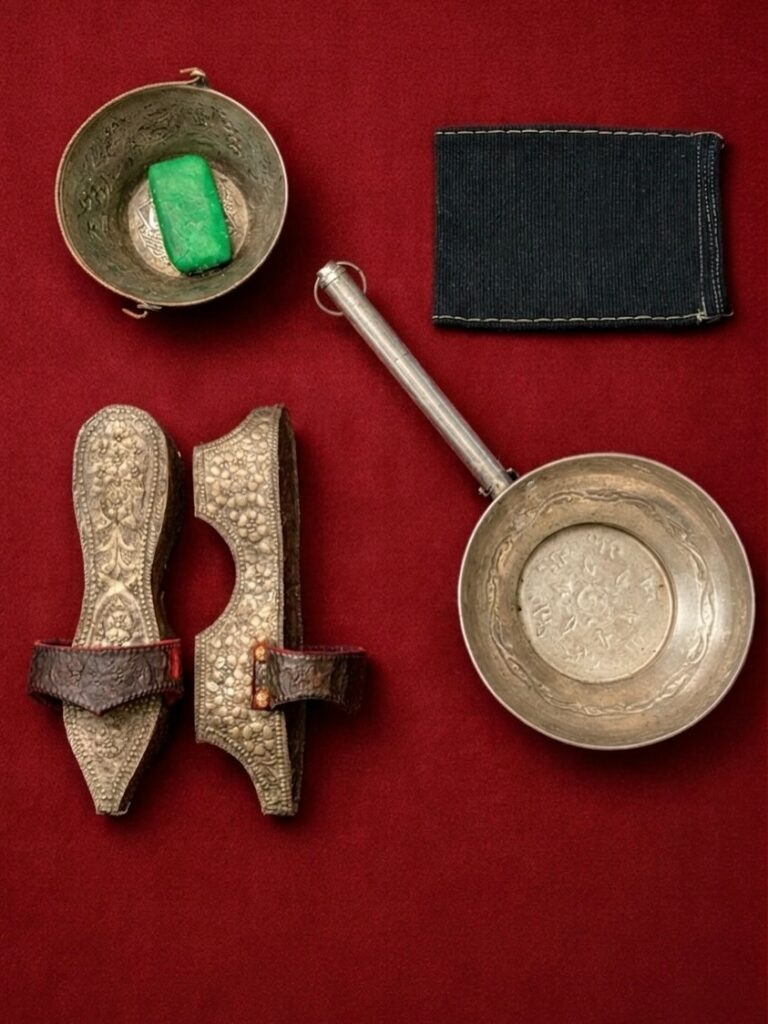
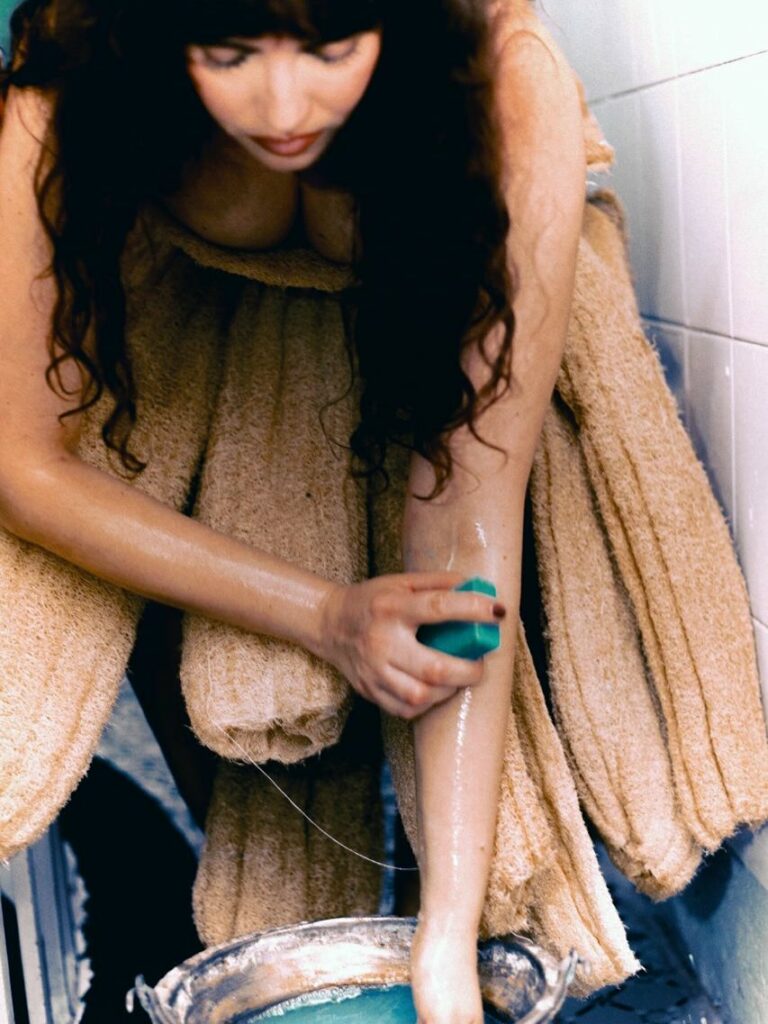
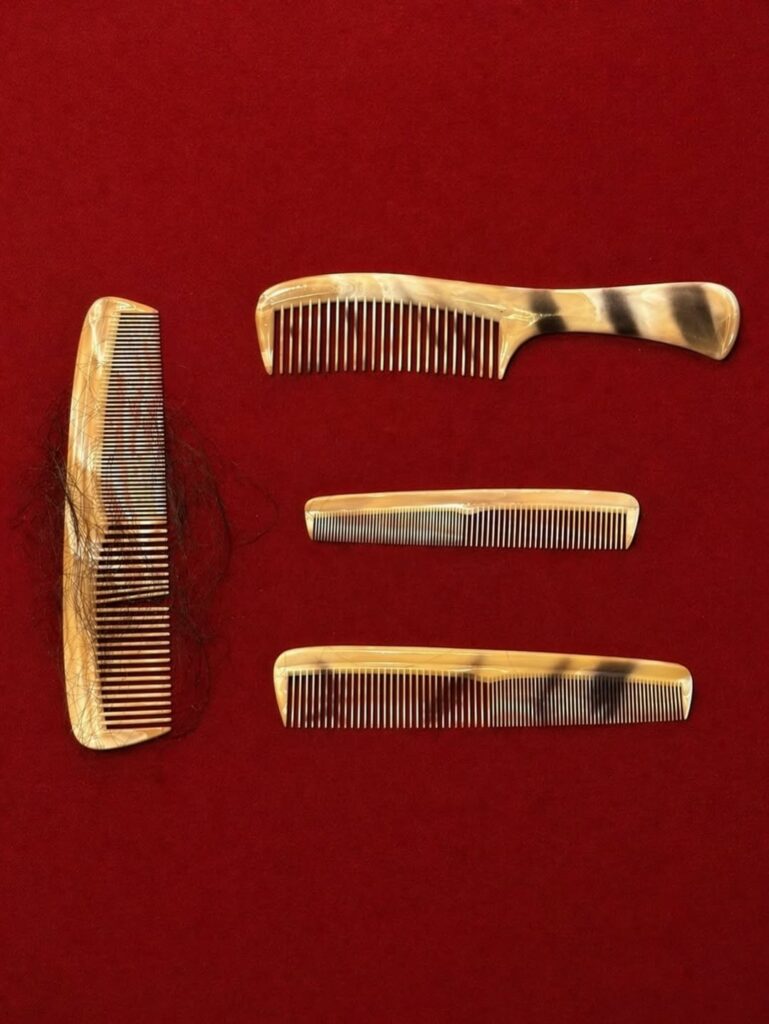
For the visual direction of the project, Taher Zgolli chose to focus on elements of the traditional hammam experience that are gradually disappearing. Two garments were developed specifically for the shoot. The first, made entirely from اللِّيفَة (luffa), recalls a natural material once central to the cleansing ritual but now increasingly replaced. The second, constructed from a الفوطة (fouta), directly references a timeless symbol of Tunisian hammam culture.
This work extended into a deeper research process, seeking out accessories and objects that once defined the hammam experience, many of which have since been replaced by plastic and industrial materials. What remains are traces, fragments of a tactile and sensory heritage.
There are also the elements that survive only through memory. The wood fired فرنّاق (fernaq), once essential to heating the hammam, belongs now to another era. Archival records reveal that a session once cost just 50 millimes, a detail that situates the space within a radically different economic and social context.
This project is also part of a broader artistic trajectory. Taher Zgolli studied art, design, and marketing at the Higher School of Economic and Commercial Sciences Tunis and at the Higher Institute of Arts and Multimedia Manouba. Today, he works as an artistic director and leads Zepisode, a creative studio operating at the intersection of stylism, art direction, and vintage culture.
Through Zepisode, he developed a practice rooted in thrifted pieces, reinterpreted and transformed through a contemporary artistic vision. This approach has led to collaborations with various brands, notably a recent rebranding project with More Jena, carried out in his grandmother’s house in Radès. That space, marked by her passing fifteen years ago, has become a central source of inspiration. For him, it is not just a place, but a starting point, a site where personal memory feeds creative production and where fragments of Tunisian identity can be reactivated.
In this sense, Hammam Fatouma is not an isolated project. It reflects a larger conviction: that artistic work cannot be detached from origin. That creating without engaging with one’s own cultural and personal context risks losing meaning. For Taher, returning to these spaces is a way of grounding his practice, of building narratives that resonate beyond aesthetics.
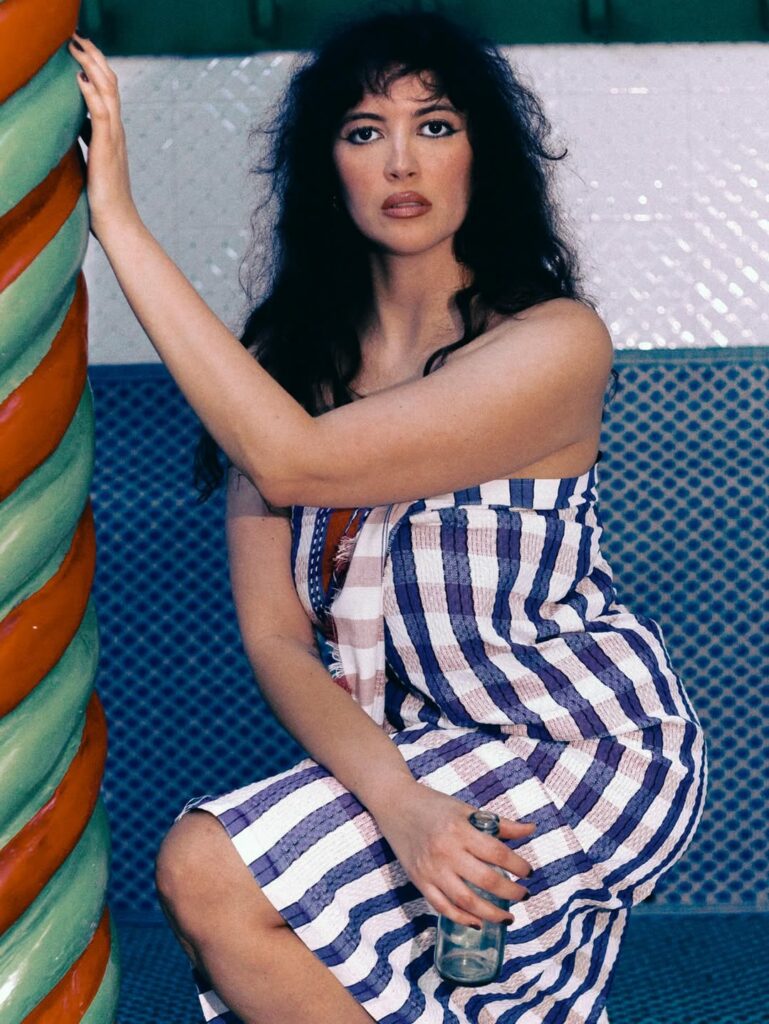
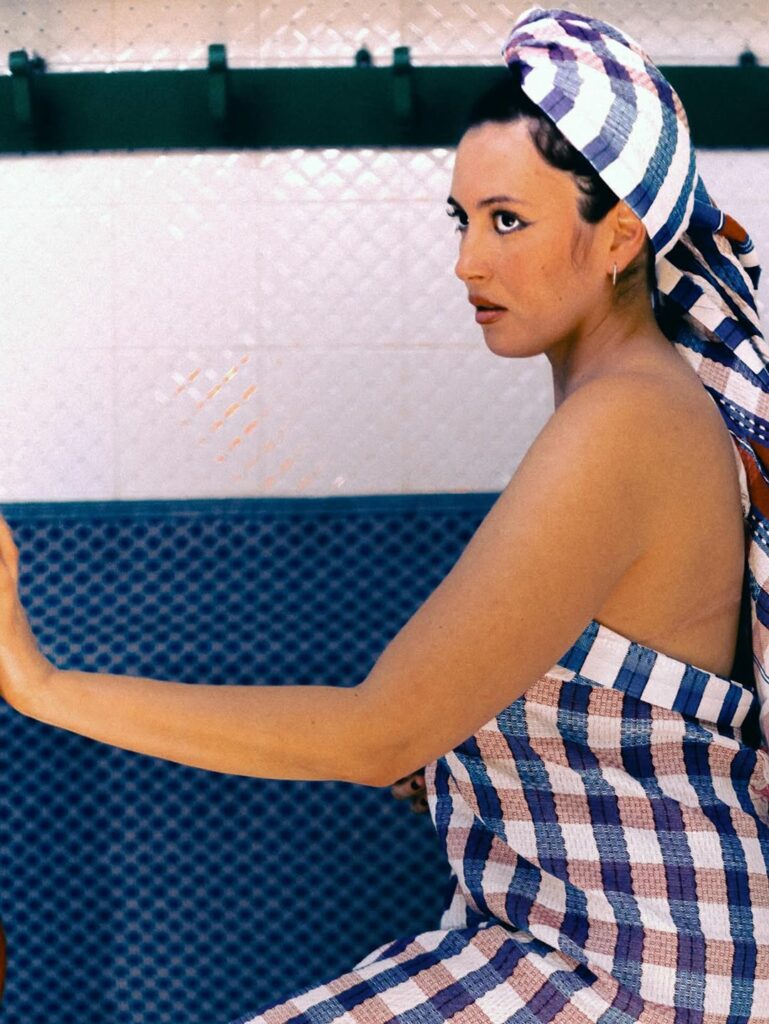
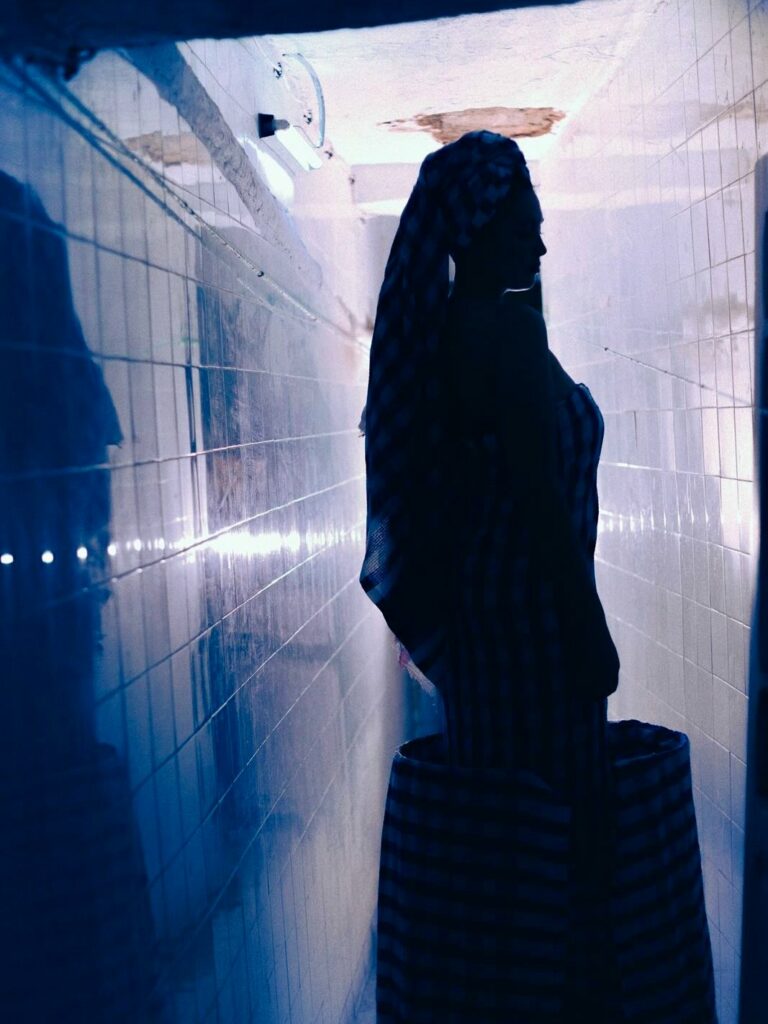
Nour Hajri is the co-maker of the Hammam Fatouma decommunicating project. After completing a degree in psychology in France, she began her acting career in Tunisia. She went on to play several leading roles in cinema, notably in Les Épouvantails (presented at the Venice Film Festival) and Black Medusa (selected at the Rotterdam International Film Festival).
Seeking to deepen her practice, she later moved to Paris to train at L’École du Jeu. She is now a member of the Zone 34 collective, where she continues her artistic training under the direction of Sei Shiomi.
Driven by a multidisciplinary approach, Nour develops her creativity across different mediums. She explores visual storytelling through art direction projects and works in communication, bringing together her sense of aesthetics and her understanding of human experience.
Together, this collaboration extends the project beyond documentation into a constructed visual narrative, where body, space, and history intersect.
Beyond preservation, the project carries an intention. Taher Zgolli envisions Hammam Fatouma not only as a subject of documentation but as a place to be reactivated through art. By bringing attention back to it, he hopes to encourage people to visit, to experience it, and to recognize its value as part of the cultural heritage of the region.
Hammam Fatouma continues to exist, to function, to welcome. But it does so while holding onto something increasingly fragile: continuity.
More than an archive, this project becomes a gesture. A way of reconnecting with Tunisian identity not as a fixed image, but as a living material to be reinterpreted.
For Taher Zgolli, this is only a beginning. His intention is to continue developing projects rooted in Tunisian elements, exploring new ways to narrate identity through art, and to bring forward stories that exist quietly within everyday spaces.
The project was brought to life through a collective effort, with art direction by Taher Zgolli and Nour Hajri, photography by Bachir Tayachi, makeup by Mohamed Ali Benghars, and video and sound design by Mehdi Hajri.
Post a Comment
