


Amina Annabi: A Life Composed in Transit
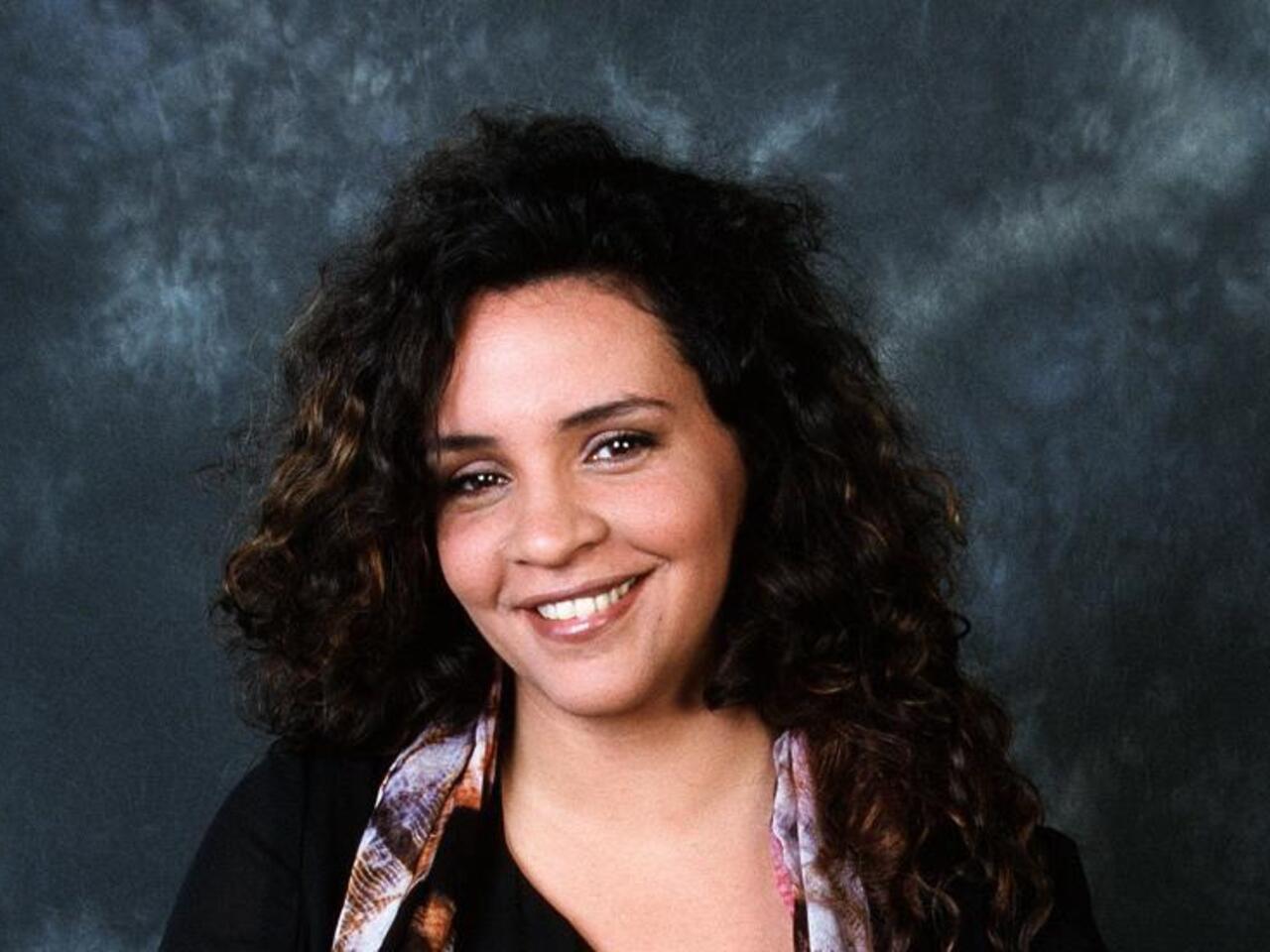
Amina Annabi’s artistic world begins in a household where music circulates like breath, where the everyday and the extraordinary mingle without clear borders. Her earliest years in Carthage unfold within the presence of women who embody resolve and radiance, women who carry a lineage of independence that stretches backward through generations. In this environment, music does not appear as a pastime. It behaves more like a second language that shapes her senses from childhood. Her mother, whose own musicianship intertwines with her responsibilities as a festival programmer, brings into their home an endless stream of foreign voices and distant rhythms. Her grandmother sings fragments of malouf, wrapping traditional Tunisian motifs around the child’s imagination. The young Amina hears the force of Oum Kalthoum, the intensity of Tina Turner, and the color of Italian popular song. These sounds do not remain separate in her mind. They coexist, overlap, and create a subtle inner architecture that prepares her for the hybrid artistry she will later cultivate.
When she moves to Paris at the age of twelve, the transition does not sever her from her Tunisian memories. Instead, it enriches the palette from which she draws. Paris at that time breathes with restless artistic curiosity. The city’s emerging musical scenes offer alternative vocabularies that speak to her hunger for experimentation. She trains with unusual intensity in a variety of disciplines, from classical vocal technique to jazz improvisation and Egyptian traditional singing. She absorbs each practice with an ability to cross boundaries that seems innate. Her adolescence becomes a period of accumulation, not only of skills but also of sensibilities. The Parisian soundscape, crowded with novel textures, invites her into a multiplicity of environments where she encounters producers and musicians willing to explore uncharted terrain with her.
One of the earliest milestones in her ascent occurs within the atmosphere of France’s expanding interest in global musical traditions during the first years of the nineteen eighties. Encounters with figures involved in Radio Nova intertwine with her growing fascination for the possibilities of genre. Her meeting with Martin Meissonnier, whose work facilitated the presence of African musicians in French cultural life, provides her with a significant platform. The collaboration leads to her first single, a piece titled Shéhérazade, in which she performs rap in Arabic while echoing rhythmic influences from Grandmaster Flash. This creation brings her immediate attention. It demonstrates not only her technical agility but also her willingness to inhabit a sonic space that remains largely unexplored by artists of her background. The success of this work offers a sign that her artistic voice is ready to enter continents that were previously inaccessible.
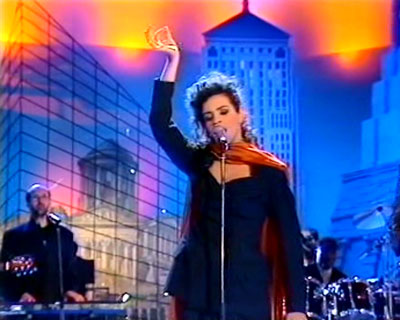

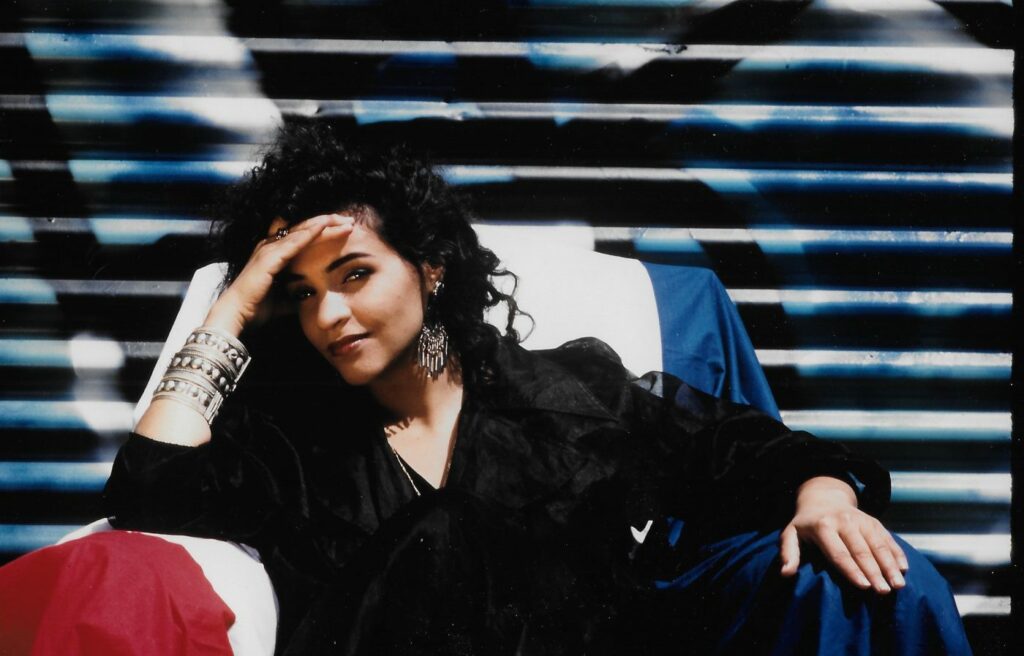
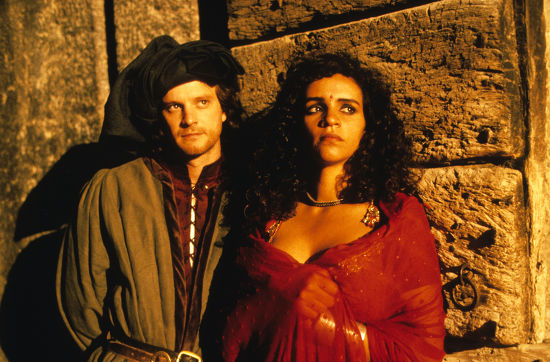
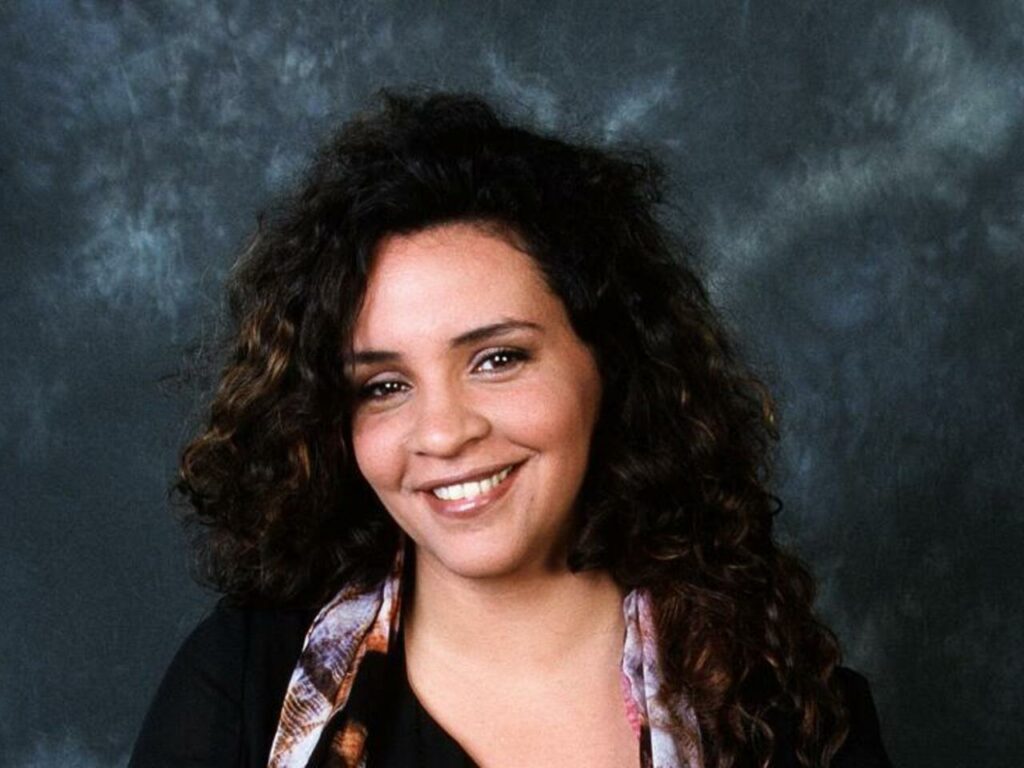
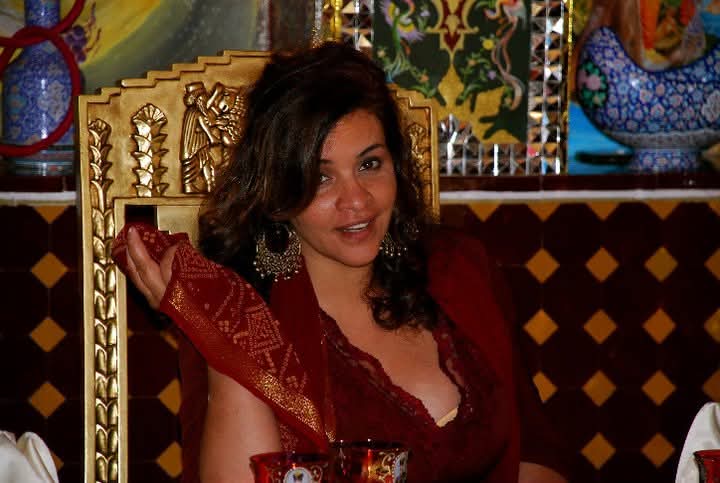

Her career continues to evolve through a constellation of collaborations that link her to musical cultures spread across the globe. In the mid nineteen eighties she records with Africa Bambaataa, a pioneering figure of hip hop, as well as with the Japanese musician Yasuaki Shimizu. These projects reveal her capacity to move between sound worlds with a fluidity that defies simple categorization. Her presence in Japan, where she becomes a celebrated figure, affirms the transnational reach of her artistry. This period culminates in her performance on Haruomi Hosono’s album Omnisight Seeing. The experience binds her to the Japanese electronic avant garde and expands her international resonance.
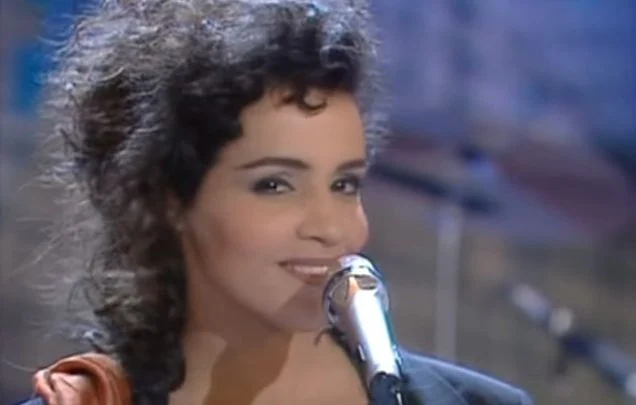
Recognition of a more formal nature arrives with the release of her first major album Yalil, which reaches twenty two countries at the same moment and earns a position among the most notable world music releases on the American Billboard chart. This accomplishment is exceedingly rare for a Francophone artist. The success reveals her ability to retain the essence of her Middle Eastern and North African heritage while presenting it in a form that appeals to listeners from numerous cultural contexts. The following year she represents France at the Eurovision Song Contest with C’est le dernier qui a parlé qui a raison. Her performance results in a first place tie and demonstrates her potential to embody national representation while carrying within her the sensibilities of more than one cultural sphere. In this event she becomes a figure who reshapes popular expectations of who can stand on the European stage as the voice of a nation.
Her momentum continues throughout the nineteen nineties with appearances on significant French television programs and with collaborations that mark her evolving artistry. Performing alongside Bernard Lavilliers on Taratata and participating in Malcolm McLaren’s project Paris reveal her growing presence within European music and entertainment landscapes. She later records the theme song for the animated series Princesse Shéhérazade, where her voice becomes associated with a narrative world that blends legend, memory, and imagination. In the final years of the decade she releases an album that carries her own family name. The work brings together electronic elements with the melodic traditions that shaped her earliest years. It includes reinterpretations of pieces by Christophe and Billie Holiday, which she approaches not as imitations but as dialogues between her voice and the historical weight of the originals.
The first years of the new century widen her artistic universe even further. She participates in an oratorio conceived by Goran Bregović that explores themes of reconciliation among the religions of the Mediterranean world. The project aligns with the deep emotional and cultural threads she has carried since her youth. She collaborates on the soundtrack of Bedwin Hacker, contributing to the film’s sonic character with her distinctive tonal presence. She performs in theatrical productions at venues such as the Mogador in Paris and the Burgtheater in Vienna. At the same time she enters into a prolonged collaboration with the British group Asian Dub Foundation, lending her voice to works that merge political urgency with innovative musical structures. These experiences illuminate her ability to inhabit different artistic realms without losing the sensibility that binds them together.
The events surrounding the Tunisian Revolution awaken a profound emotional response within her. Her composition Ya Nari Révolution emerges from a place of sincerity and historical consciousness. She performs the piece for the first time on the stage of the Carthage theater. The song blends Tunisian folk sonorities, oriental motifs, and the ceremonial rhythms of stambali, creating a form that honours the past while speaking to collective transformation. It becomes a musical tribute to the courage of a people and a reflection of her enduring connection to the land of her birth.
Her international presence continues through concerts and festival appearances across Scandinavia, Europe, North Africa, and the Middle East. Her collaborations with ensembles such as the Norrbotten Big Band and her work with the group Pajala Tatawin illustrate her commitment to musical exploration. These projects involve encounters between Northern European traditions and the Arab sound heritage that informs her vocal identity. They also reflect the increasing curiosity with which global audiences approach hybrid musical expressions.
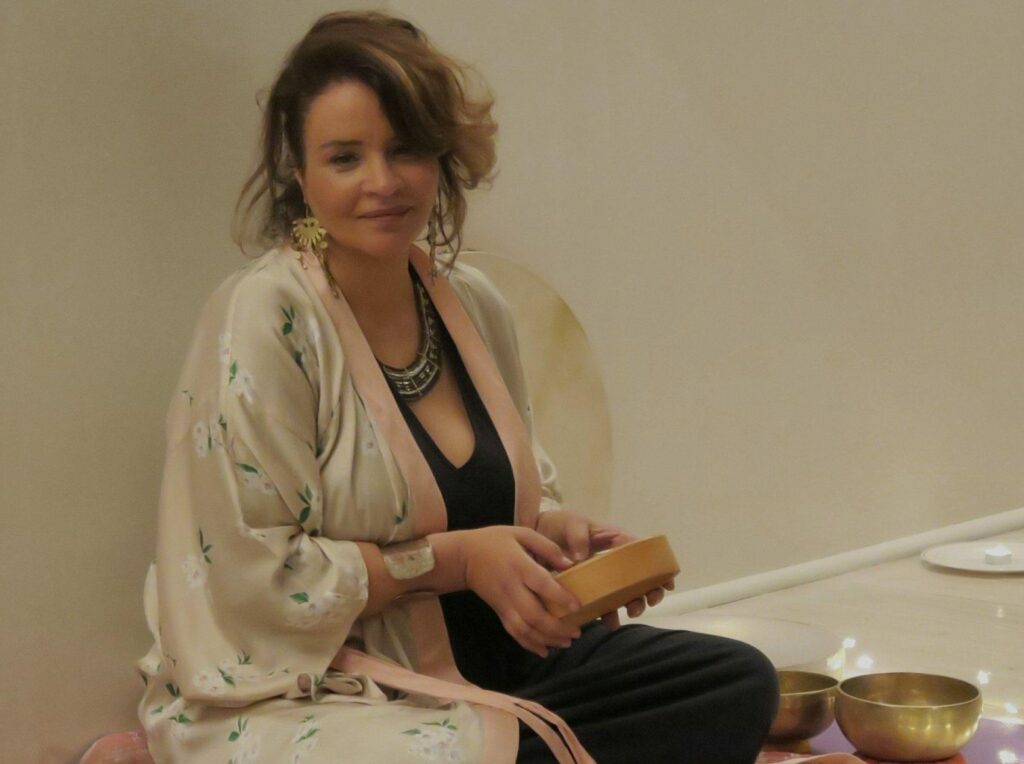
Her more recent artistic period is marked by a turn inward. She records the album La lumière de mes choix, created in partnership with Léonard Lasry. She describes this work as a portrait, an intimate reflection on her life, her travels, and her emotional experiences. While the album presents a personal narrative, it also preserves the cosmopolitan imagination that guides her entire journey. She performs in festivals dedicated to electronic, Mediterranean, and world music traditions, demonstrating her ability to inhabit contexts that vary widely in aesthetic orientation.
Through her movement across continents and through her constant reconfiguration of musical languages, Amina Annabi becomes an emblem of the contemporary trans Mediterranean artist. Her voice carries within it the echoes of familial memory, the imprint of migration, and the influence of global artistic networks. Her trajectory reveals how cultural identity can be expressed not as a single lineage but as a living intersection of histories. The sound that emerges from her work resists confinement within a simple category. It contains the warmth of Tunisian tradition, the experimental impulse of Japanese electronic music, the political resonance of British fusion, and the lyrical intimacy of French chanson. Her creative life illustrates that music can operate as a vessel through which belonging is constantly renegotiated, reimagined, and renewed.
Post a Comment